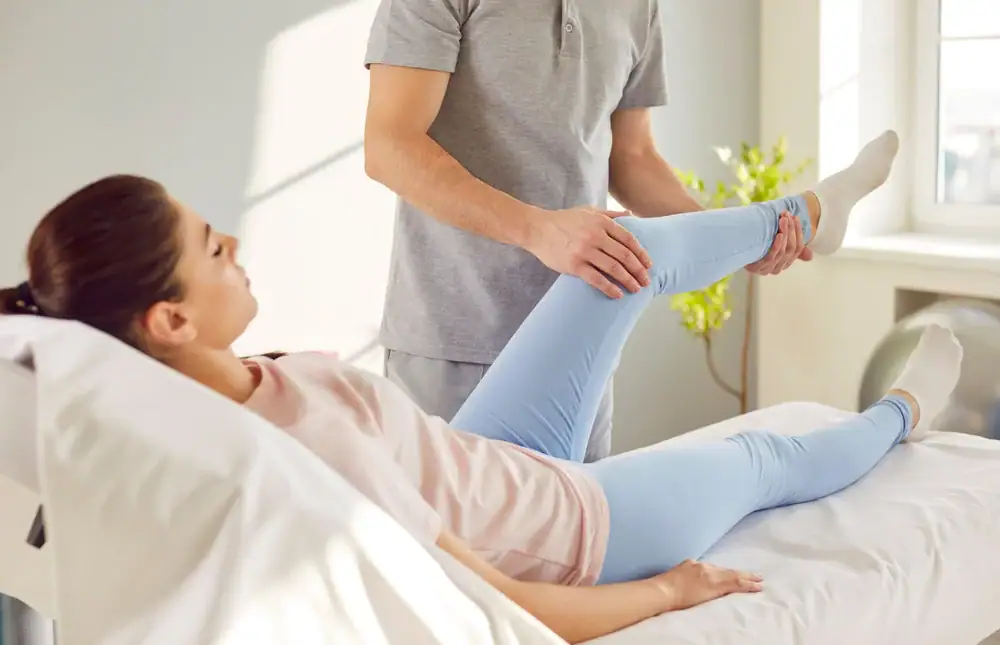
More seniors across Suffolk and Nassau Counties are skipping the clinic and bringing physical therapy home—where recovery happens faster, safer, and on their own terms.
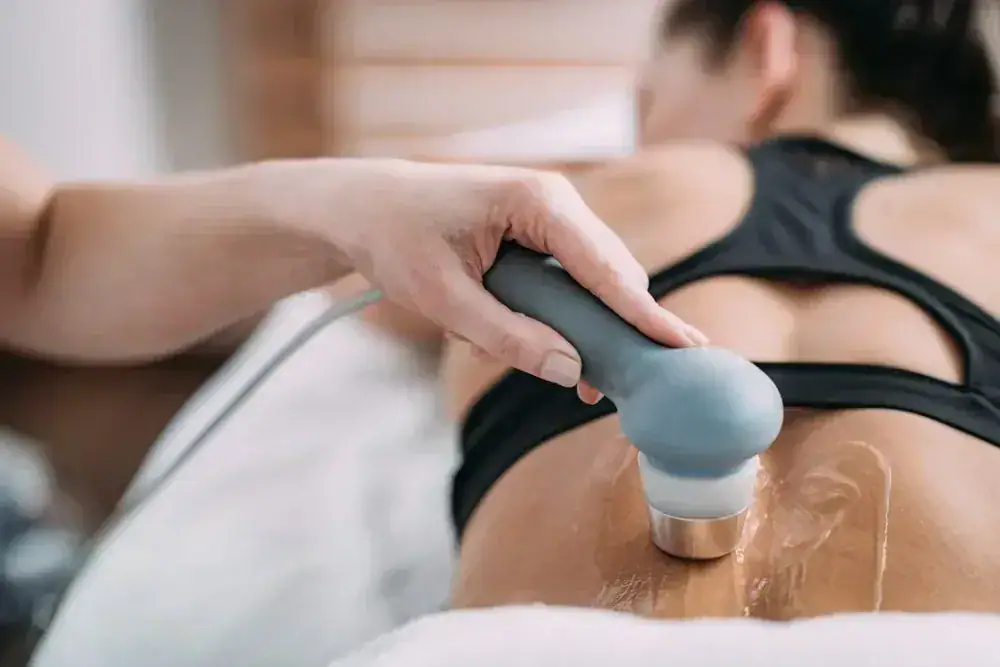
Getting to a clinic three times a week shouldn’t feel harder than the recovery itself. But for many seniors across Suffolk and Nassau Counties, that’s exactly what happens. The drive, the wait, the unfamiliar environment—it all adds up. And for someone managing pain, limited mobility, or post-surgical recovery, it can feel overwhelming.
In-home physical therapy changes that equation. You get the same professional care, the same evidence-based treatment, and often better results—without leaving your living room. This isn’t a compromise. It’s a smarter way to recover. Let’s talk about what’s driving this shift and whether it makes sense for you.
In-home physical therapy brings licensed physical therapists directly to your residence. We assess your needs, create a personalized treatment plan, and deliver the same quality care you’d receive in a clinic—just in a more comfortable setting.
The process starts with an evaluation. Your therapist examines your mobility, strength, balance, and any specific challenges you’re facing. From there, we design a program tailored to your goals, whether that’s recovering from surgery, managing chronic pain, or preventing falls. Treatment may also include manual therapy when appropriate to improve movement and reduce pain.
Sessions typically happen two to three times per week, depending on your needs. Your physical therapist guides you through exercises, uses hands-on techniques to improve movement, and adjusts your plan as you progress. Between visits, you’ll have exercises to practice on your own, keeping momentum going.
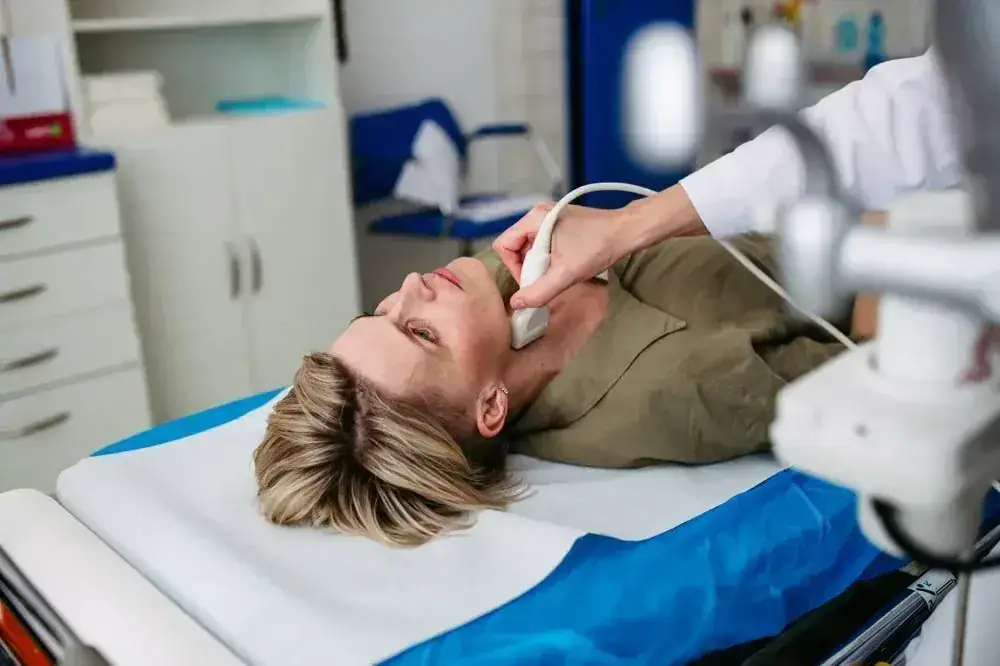
The biggest difference is environment. In a clinic, you’re working in a generic space with equipment designed for everyone. At home, your therapist sees exactly where you live, move, and face daily challenges. That staircase you struggle with? You’ll practice it. The bathroom where balance feels shaky? Your therapist can assess it and recommend modifications.
This real-world training translates to faster, more functional improvements. You’re not just getting stronger in theory—you’re mastering the movements that matter in your actual life.
There’s also the attention factor. Clinic therapists often juggle multiple patients during your session. At home, you get one-on-one focus for the entire appointment. Your therapist isn’t splitting time or attention. They’re fully present, watching your form, answering questions, and fine-tuning your program in real time.
And then there’s the practical side. No commute means no pre-therapy exhaustion. No waiting room anxiety. No wondering if you’ll have the energy to drive home afterward. You finish your session and you’re already home, able to rest or go about your day without the added strain of travel.
For Long Island residents—from Smithtown to Speonk, Huntington to Patchogue—this matters even more. Traffic on the LIE, limited parking at medical facilities, winter weather conditions—these aren’t minor inconveniences when you’re managing pain or mobility limitations. In-home therapy removes those barriers entirely.
Medicare recognizes the value here too. Part B covers in-home physical therapy at the same rate as clinic visits—80% of the approved amount after you meet your deductible. There’s no financial penalty for choosing the more convenient option. In fact, when you factor in gas, tolls, and time, home-based care often costs less overall.
In-home physical therapy isn’t for everyone, but it’s ideal for specific situations. If you’re recovering from surgery—especially joint replacements, spinal procedures, or cardiac surgery—traveling to a clinic during early recovery can set you back. Your body needs rest and controlled movement, not the stress of getting in and out of a car multiple times a week.
Seniors with chronic conditions like arthritis, Parkinson’s disease, or heart disease also benefit significantly. These conditions make travel physically demanding and sometimes risky. Home-based care allows you to maintain a consistent therapy schedule without the physical toll of transportation.
Fall risk is another major indicator. If you’ve fallen recently or feel unsteady on your feet, leaving your home for therapy introduces unnecessary risk. We can work with you in the environment where falls are most likely to happen—your home—and address the specific hazards you face daily.
Mobility limitations make home therapy almost essential. If you rely on a walker, wheelchair, or have significant difficulty with stairs, getting to a clinic becomes a logistical challenge. Your energy should go toward recovery, not toward navigating transportation barriers.
Family caregivers also find relief with in-home therapy. If you’re responsible for an aging parent’s care, coordinating clinic appointments adds stress to an already demanding role. When therapy happens at home, you can be present without disrupting your entire day. You can observe sessions, learn techniques to support ongoing care, and ask questions in real time.
Even seniors who could technically get to a clinic often choose home therapy for quality-of-life reasons. Why spend an hour in traffic when you could spend that hour resting or doing something you enjoy? The convenience isn’t laziness—it’s smart resource management. Your time and energy are limited. Home therapy respects that.
Long Island’s aging population faces unique challenges too. Many communities across Suffolk and Nassau Counties have limited public transportation. Family members often live across the island or work full-time, making it difficult to provide rides consistently. Home therapy solves this problem cleanly and completely.
Want live answers?
Connect with a Medcare Therapy Services expert for fast, friendly support.
Recovery happens faster when you’re comfortable. That’s not just a feeling—it’s backed by outcomes data. Patients receiving in-home therapy often show better adherence to their programs because the barrier to participation is essentially zero. You’re not canceling sessions due to weather, transportation issues, or simply feeling too tired to make the trip.
The personalized attention also drives better results. Your physical therapist isn’t managing three patients simultaneously. They’re focused entirely on you, catching small form issues before they become problems, adjusting exercises on the fly, and providing the kind of detailed feedback that accelerates progress.
Then there’s the safety factor. For seniors at risk of falling, every trip outside the home carries some level of risk. Home therapy eliminates that risk while simultaneously addressing the underlying balance and strength issues that cause falls in the first place.

Falls are not inevitable parts of aging. They’re preventable events with identifiable risk factors. And for Long Island seniors, those risk factors are particularly concerning. Nassau and Suffolk Counties rank 4th and 5th in New York State for fall prevalence. That’s not random—it’s a pattern that demands attention.
In-home physical therapy addresses fall risk from multiple angles. First, your therapist evaluates your balance, gait, and strength through standardized assessments. These aren’t guesses—they’re objective measurements that identify specific weaknesses.
From there, you’ll work on targeted exercises that improve stability. Balance training might include standing on one foot, weight shifting, or practicing controlled movements that challenge your equilibrium safely. Strength exercises focus on your legs and core, the muscle groups that keep you upright and stable.
But here’s where home therapy really shines: environmental assessment. Your therapist walks through your home, identifying fall hazards you might not even notice. That rug with the curled edge? Tripping hazard. The dim hallway? Vision issue waiting to happen. The bathroom without grab bars? High-risk area.
You’ll get specific, actionable recommendations. Some are simple—remove clutter, improve lighting, secure loose rugs. Others might require minor modifications—installing grab bars, adjusting furniture placement, or adding non-slip strips to stairs. Your therapist can guide you through these changes and even demonstrate how to navigate your home more safely.
The functional training component is equally important. Your therapist doesn’t just help you get stronger in abstract ways. We help you master the specific movements that keep you safe at home. Getting in and out of the shower. Navigating stairs with confidence. Standing up from your favorite chair without wobbling. These are the skills that prevent falls in real life.
Research backs this up. Physical therapy can reduce fall risk by 25%. For seniors who’ve already fallen once, the reduction is even more significant. The key is consistency and addressing multiple risk factors simultaneously—exactly what in-home therapy is designed to do.
Your family benefits too. Caregivers learn proper techniques for assisting you safely, reducing their risk of injury while providing better support. That knowledge brings peace of mind to everyone involved.
Medicare Part B covers in-home physical therapy when it’s medically necessary and prescribed by your doctor. After you meet your annual Part B deductible—$240 in 2024—Medicare pays 80% of the approved amount. You’re responsible for the remaining 20%, which your supplemental insurance may cover.
There’s no annual cap on the number of sessions Medicare will cover, as long as your doctor and physical therapist certify that therapy remains medically necessary. This is a significant change from past years when strict limits existed. Now, your coverage is based on need, not arbitrary numbers.
To qualify, you need a physician’s order stating that you require physical therapy and that you have difficulty leaving your home without considerable effort. This “homebound” status doesn’t mean you can never leave—it means that leaving is physically challenging and not something you can do regularly without assistance.
Your therapist will document your progress and coordinate with your doctor to ensure continued coverage. We’ll track objective measures like strength gains, balance improvements, and functional achievements. This documentation supports the medical necessity of ongoing treatment.
Most Medicare Advantage plans offer similar or enhanced coverage for in-home therapy. Some even cover services that Original Medicare doesn’t, like extended sessions or additional therapy types. Check your specific plan details to understand your benefits fully.
The process is straightforward. Your doctor writes a prescription for physical therapy. You contact a Medicare-certified home health agency. We verify your coverage, schedule your initial evaluation, and handle all the insurance documentation. You focus on recovery, not paperwork.
One important note: Medicare requires that therapy be provided by licensed professionals. Your therapist must be credentialed and working for a Medicare-certified agency. This ensures you’re receiving quality care from qualified providers who meet federal standards.
For Long Island residents, this coverage is particularly valuable. The cost of clinic-based therapy—when you factor in transportation, time, and potential complications from travel—often exceeds the out-of-pocket costs of home therapy. Medicare’s coverage makes the more convenient, often more effective option also the more economical one.
If you’re unsure about your coverage, don’t guess. Contact your Medicare provider or speak directly with us. We can verify your benefits, explain any potential costs, and help you understand exactly what’s covered before you begin treatment.
Recovery doesn’t have to mean sacrificing comfort, exhausting yourself with travel, or settling for divided attention in a busy clinic. In-home physical therapy offers a practical alternative that often delivers better outcomes while respecting your energy, time, and need for personalized care.
The evidence is clear: patients who receive therapy at home show better adherence, faster functional improvements, and reduced fall risk. Medicare covers it at the same rate as clinic visits. And for Long Island seniors facing transportation challenges, weather concerns, or simply the desire to heal in familiar surroundings, it’s often the smarter choice.
If you’re considering in-home physical therapy in Suffolk County, NY or Nassau County, NY, we’ve been serving Long Island residents since 2010. Our licensed therapists bring professional, Medicare-certified care directly to your home, with flexible scheduling and personalized treatment plans designed around your goals and your life.
Summary:
Article details:
Share: