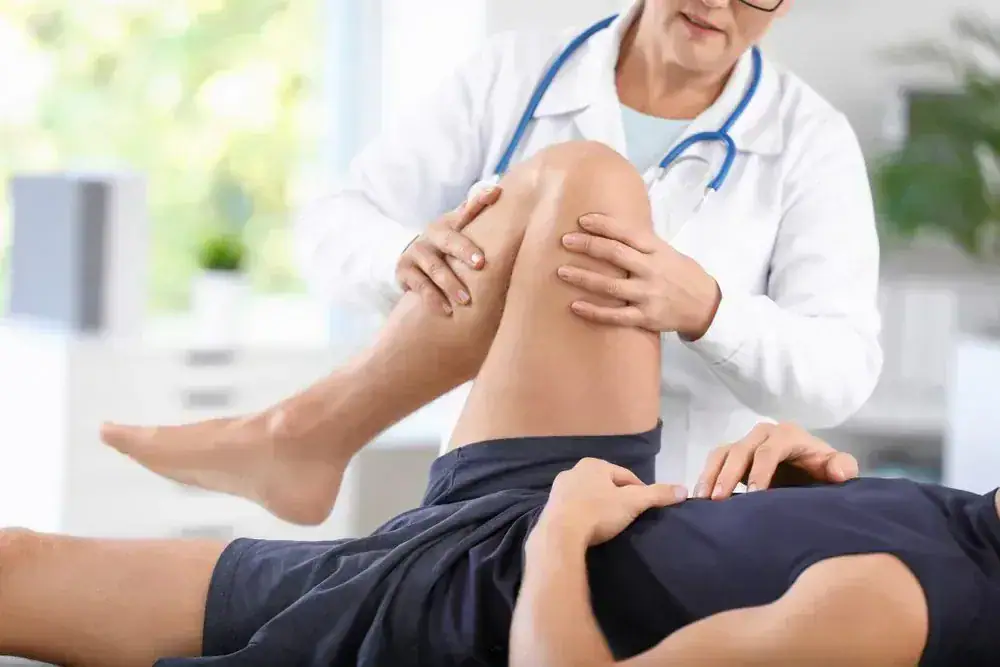
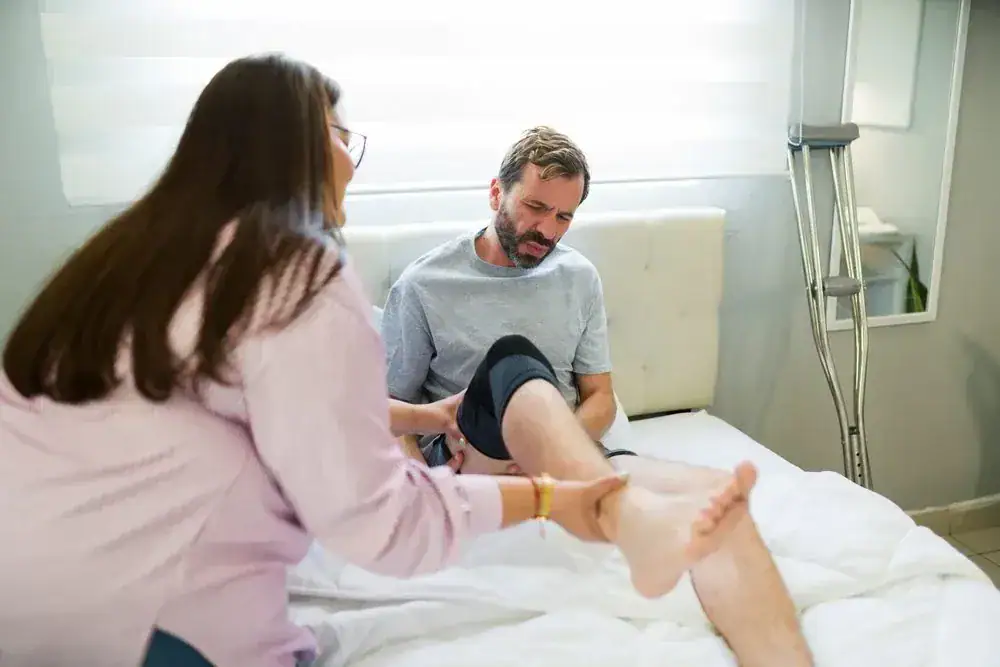
Gait training helps you walk safely again after surgery, injury, or neurological conditions—rebuilding strength, balance, and independence through personalized in-home therapy.
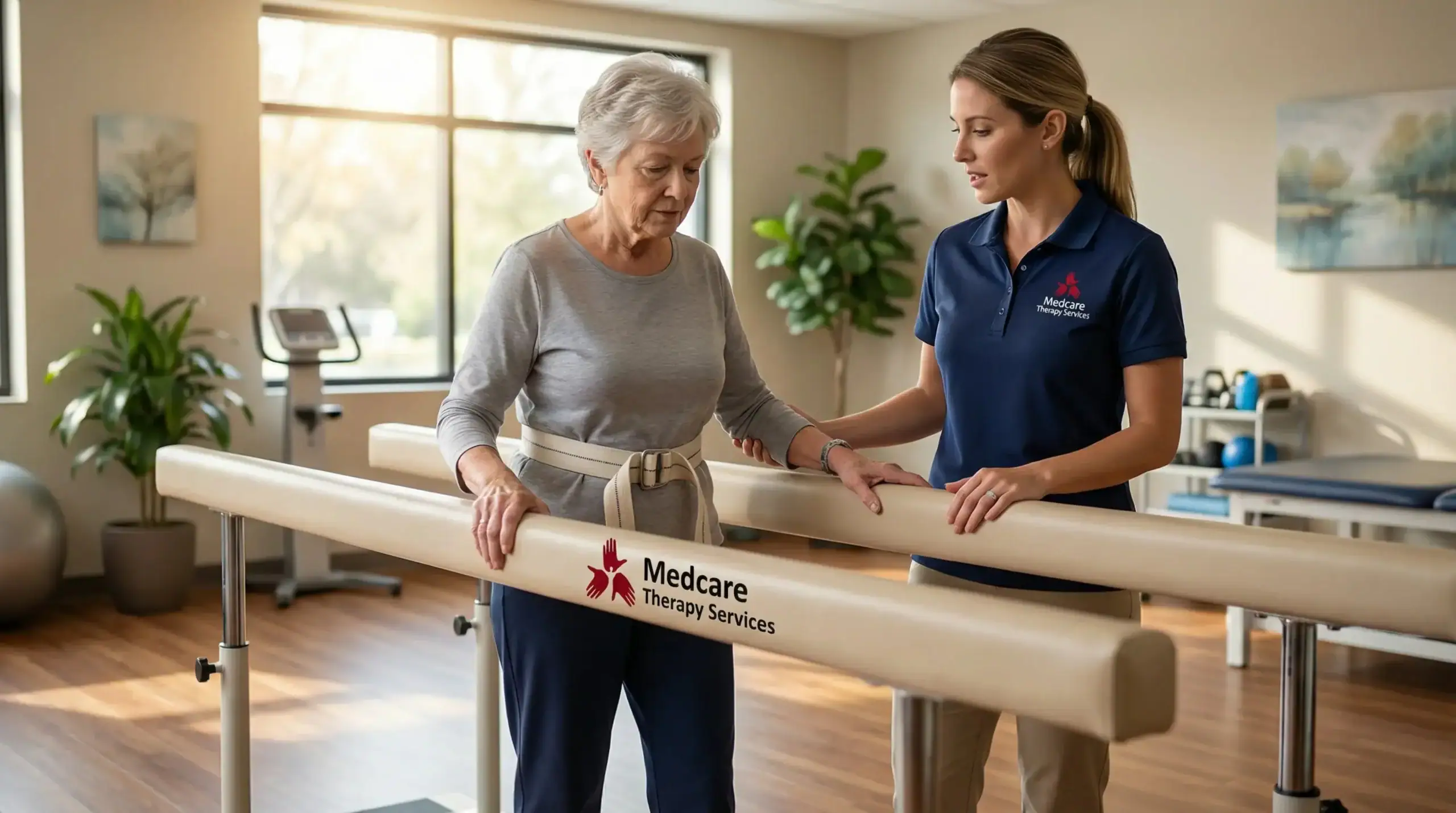
Gait training is physical therapy focused on improving your walking pattern. Your gait is how you move when you walk—your stride length, balance, posture, and coordination. When something disrupts that pattern, your body compensates in ways that can lead to pain, instability, or further injury.
This type of therapy involves exercises that strengthen the muscles you need for walking, improve your range of motion, and retrain your body to move more naturally. It’s not just about taking steps. It’s about taking the right steps, with better control and less risk of falling.
We use gait training to help people recovering from surgeries like hip or knee replacements, those dealing with neurological conditions like stroke or Parkinson’s disease, and seniors experiencing age-related balance issues. The goal is always the same: help you walk safely, confidently, and independently again.
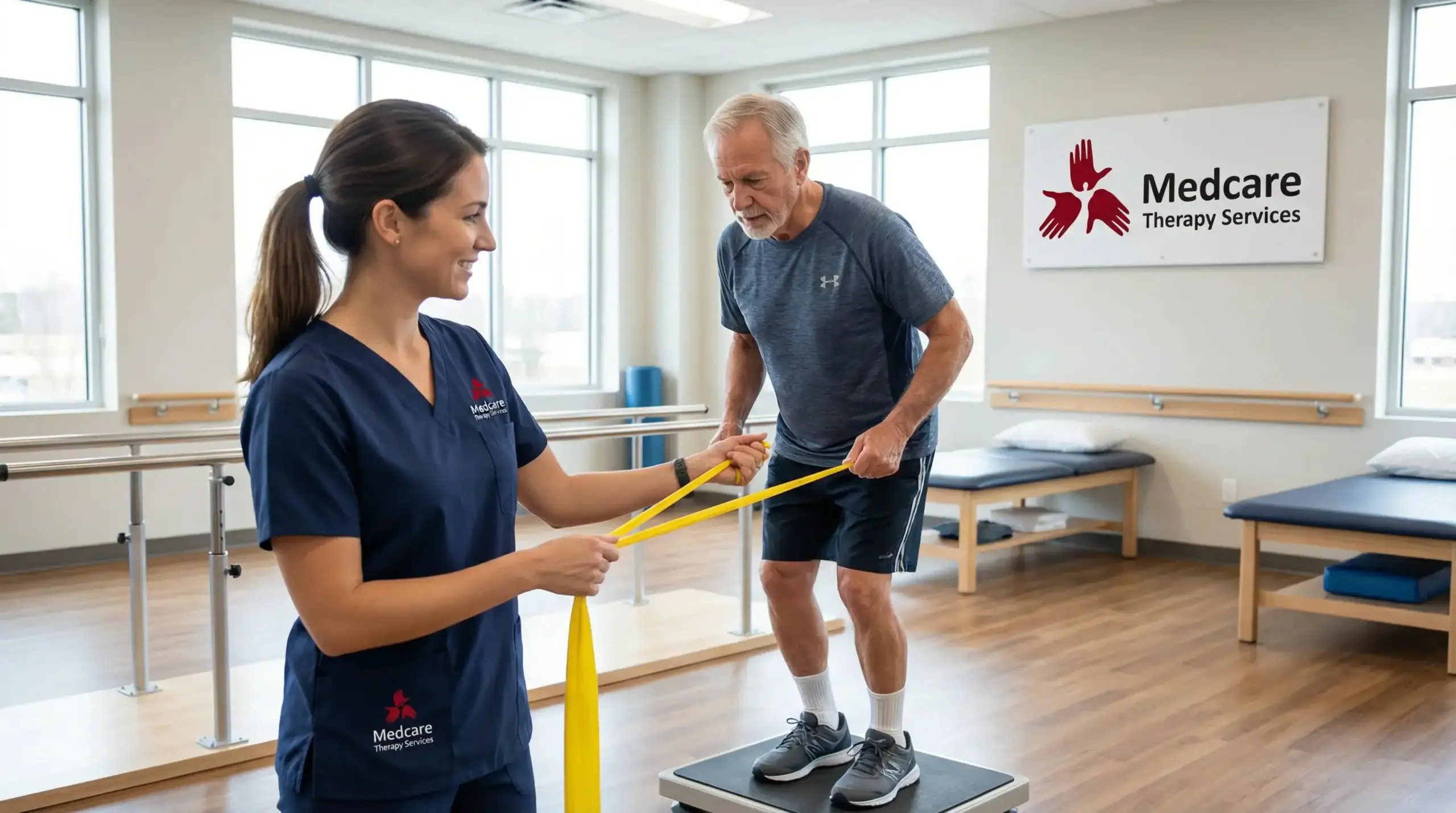
Gait training isn’t one-size-fits-all. It’s designed for anyone whose ability to walk has been affected by injury, illness, surgery, or aging. That includes a wide range of people across Suffolk County and Nassau County.
Seniors are often the largest group benefiting from this therapy. Falls are the leading cause of injury for adults 65 and older, and more than one in four older adults fall each year. When your balance or strength declines, your walking pattern changes. You might take shorter steps, shuffle your feet, or lean forward more than you used to. Gait training addresses these issues directly by strengthening your legs, improving your balance, and teaching you how to move more safely.
Post-surgical patients also see significant benefits. After a hip or knee replacement, your body needs to relearn how to walk without pain or compensation. Surgery changes the mechanics of your joint, and without proper rehabilitation, you can develop an uneven gait that leads to other problems down the line. Gait training helps you recover faster and walk more normally after surgery.
People with neurological conditions like Parkinson’s disease or stroke often struggle with gait impairments. Parkinson’s can cause shuffling steps, freezing, and difficulty initiating movement. Stroke can affect one side of the body, leading to an asymmetrical gait. Physical therapy that includes gait-specific exercises helps retrain the brain and body to work together again, improving mobility and reducing fall risk.
Even if you haven’t had surgery or a major health event, gait training can help. If you’ve noticed changes in how you walk, feel unsteady on your feet, or have experienced a fall, working with one of our physical therapists can prevent those issues from getting worse.
Gait training works because it targets the specific systems your body uses to walk: your muscles, joints, nervous system, and sense of balance. When one of these systems isn’t functioning properly, your gait suffers. Therapy rebuilds those connections through targeted, repetitive practice.
Your muscles need strength and coordination to support your body weight and propel you forward. Weak hip, knee, or ankle muscles make it harder to maintain balance and control your movements. Gait training includes exercises that strengthen these key muscle groups, improving your stability and reducing the energy it takes to walk. Stronger muscles mean better control, which translates to smoother, more confident steps.
Balance is another critical component. Your body relies on input from your eyes, inner ear, and proprioception—your sense of where your body is in space—to stay upright. When any of these systems are compromised, your balance suffers. Gait training exercises challenge your balance in controlled ways, helping your body adapt and respond more effectively to changes in terrain or movement.
Coordination ties everything together. Walking requires your brain to send signals to dozens of muscles in a precise sequence. After a stroke, injury, or period of inactivity, those signals can become less efficient. Gait training reestablishes those neural pathways through repetition and focused practice. The more you practice the correct movement patterns, the more automatic they become.
Range of motion also plays a role. If your joints are stiff or you can’t fully extend your hip or knee, your stride will be shorter and less efficient. We use stretching and mobility exercises to improve your range of motion, allowing you to take longer, more natural steps.
One of the most important benefits of gait training is fall prevention. Falls are not just common—they’re dangerous. They can lead to fractures, hospitalizations, loss of independence, and even death. Gait training reduces fall risk by improving the very factors that make falls more likely: poor balance, weak muscles, and unstable movement patterns.
Want live answers?
Connect with a Medcare Therapy Services expert for fast, friendly support.
Gait training involves a variety of exercises tailored to your specific needs and abilities. We’ll assess your current walking pattern, strength, balance, and any limitations you’re experiencing, then design a program that addresses those areas.
Some exercises focus on strengthening. You might do seated leg lifts, heel raises, or step-ups to build strength in your hips, knees, and ankles. These muscles are essential for walking, and strengthening them improves your stability and endurance.
Other exercises target balance. Single-leg stands, weight shifts from side to side, and tandem walking—where you place one foot directly in front of the other—all challenge your balance and help you develop better control. Balance training is especially important for seniors and anyone who feels unsteady on their feet.
Coordination exercises help retrain your body to move smoothly. These might include marching in place, walking backward, or stepping over obstacles. Each exercise teaches your body to respond more effectively to different movement demands, making you more adaptable and confident in real-world situations.
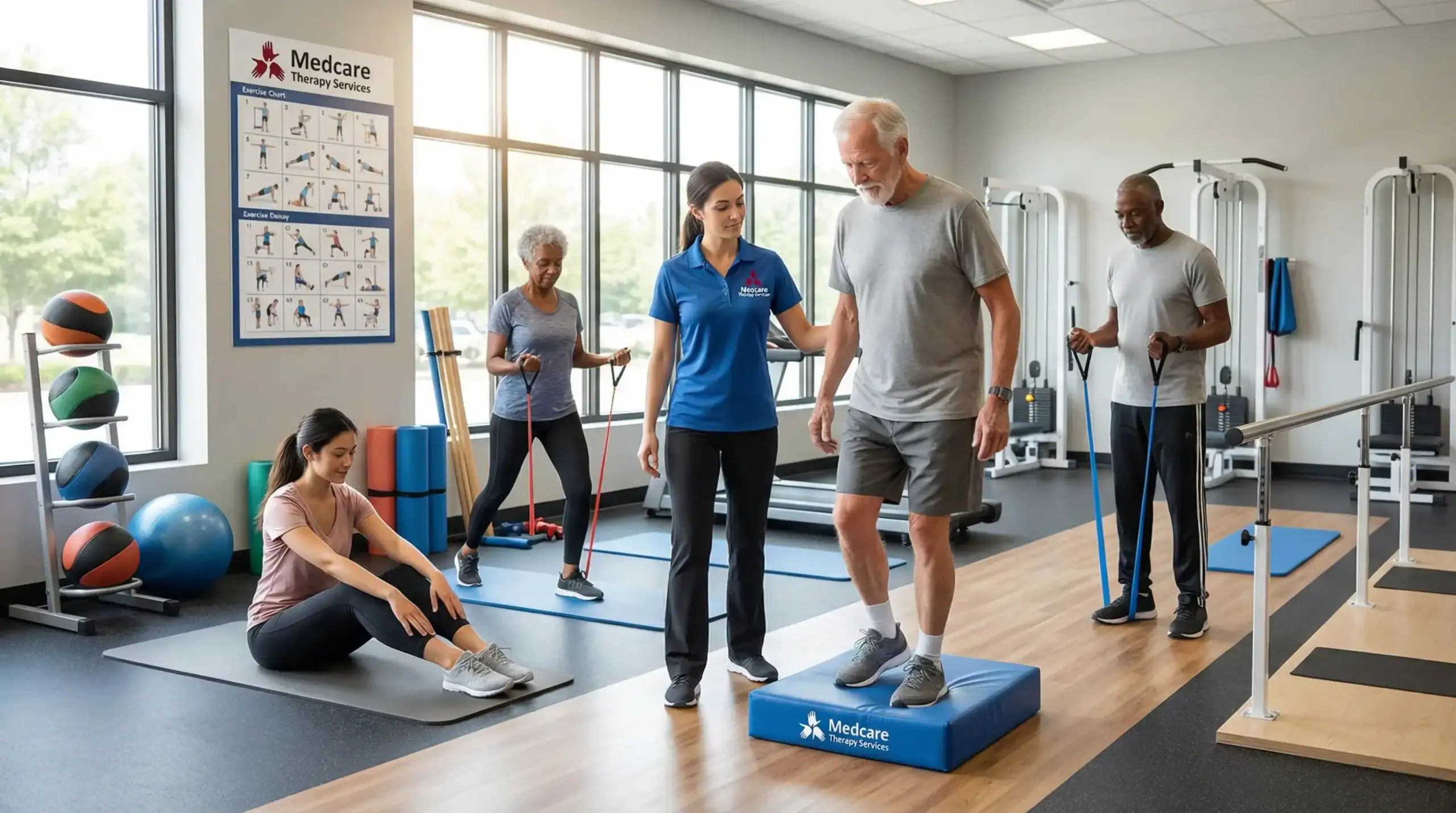
One of the biggest advantages of gait training is that it can be done at home. In-home physical therapy removes the barrier of transportation, which is often a major challenge for people with mobility issues. You don’t have to worry about getting to a clinic or navigating unfamiliar spaces. We come to you.
Home-based gait training is just as effective as clinic-based therapy, and in many ways, it’s more practical. We can assess your home environment and identify potential fall hazards like loose rugs, poor lighting, or cluttered walkways. We can also tailor exercises to the spaces you use most, like your hallway or living room, making the therapy more relevant to your daily life.
Medicare Part B covers in-home physical therapy for qualifying patients, which means you can receive professional care without unexpected costs. We’ll work with you to create a personalized plan that fits your goals, whether that’s walking independently again, reducing your reliance on a walker, or simply feeling more confident moving around your home.
In-home therapy also allows for more flexibility. Sessions can be scheduled around your day, and you can practice exercises in between visits without needing special equipment. Many gait training exercises use simple tools like a sturdy chair, a wall for support, or small household items like pillows or cones.
Another benefit is the comfort and familiarity of your own space. You’re more relaxed at home, which can make therapy more effective. You’re also more likely to stick with your exercises when they’re integrated into your daily routine rather than requiring a trip to a clinic.
We’ll guide you through each exercise, making sure you’re using proper form and progressing at the right pace. We’ll also educate you and your family members on safe techniques and ongoing support strategies, so you have the tools you need to continue improving even after therapy ends.
For seniors in Suffolk County and Nassau County, gait training offers life-changing benefits. Aging naturally affects your muscles, joints, and balance, but that doesn’t mean you have to accept a decline in mobility or independence. Physical therapy can slow or even reverse many of these changes.
One of the most significant benefits is fall prevention. Falls are the leading cause of fatal and nonfatal injuries among older adults, and the financial and emotional toll is enormous. Healthcare spending for nonfatal falls among older adults reached $80 billion in 2020. Beyond the cost, falls often lead to a loss of confidence, social isolation, and a fear of moving that creates a downward spiral of declining health.
Gait training addresses the root causes of falls. It strengthens the muscles that keep you upright, improves your balance so you can recover from a stumble, and teaches you how to move more safely in different environments. Even if you’ve never fallen, gait training can reduce your risk and give you the confidence to stay active.
Another benefit is improved cardiovascular health. Walking is one of the best forms of exercise for seniors, but only if you can do it safely and comfortably. Gait training helps you walk longer distances with less effort, which means you can stay active and enjoy the health benefits that come with regular movement.
Gait training also helps manage chronic conditions. If you have arthritis, diabetes, or heart disease, staying mobile is essential for managing your symptoms and preventing complications. Physical therapy helps you maintain your mobility despite these conditions, so you can continue to live independently and enjoy the activities that matter to you.
For seniors recovering from surgery, gait training is often a critical part of rehabilitation. Whether you’ve had a hip replacement, knee replacement, or another procedure, relearning how to walk properly can make the difference between a full recovery and ongoing pain or disability. We guide you through the recovery process, helping you regain strength, range of motion, and confidence in your movements.
Finally, gait training supports mental and emotional well-being. When you can walk confidently and independently, you’re more likely to stay socially engaged, maintain your hobbies, and feel good about yourself. Mobility is directly tied to quality of life, and gait training helps you maintain that quality as you age.
Walking should never feel uncertain or unsafe. Whether you’re recovering from surgery, managing a chronic condition, or simply noticing that your balance isn’t what it used to be, gait training can help you move better and feel more confident.
The benefits are clear: stronger muscles, better balance, reduced fall risk, and greater independence. And when therapy comes to you, in the comfort of your own home, there’s no reason to wait.
If you’re in Suffolk County or Nassau County and you’re ready to improve your walking and regain your confidence, reach out to us at Medcare Therapy Services. Our licensed therapists specialize in personalized, in-home gait training that’s covered by Medicare Part B. You’ll get the expert care you need, without the hassle of traveling to a clinic.
Summary:
Article details:
Share: