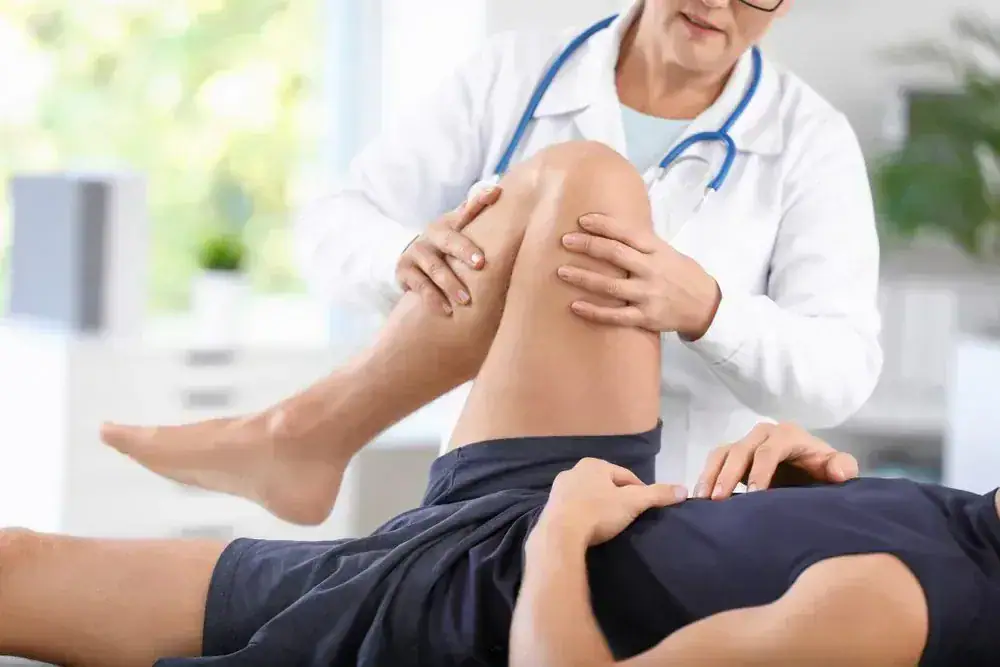
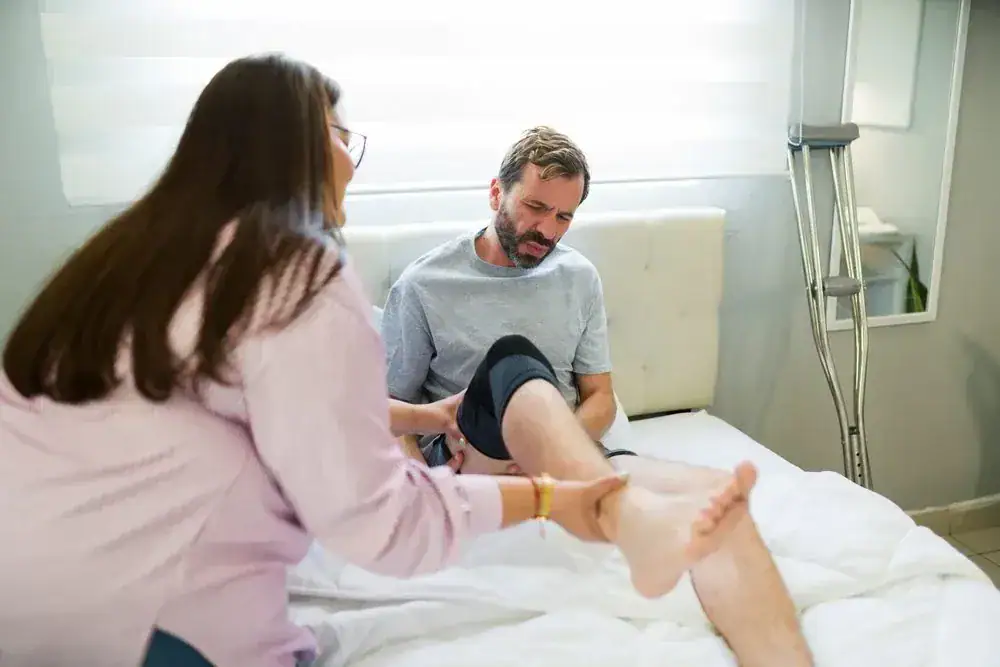
Cupping therapy has moved from Olympic training facilities to Long Island living rooms. Find out why athletes and seniors across Suffolk and Nassau County are choosing in-home cupping for faster recovery and lasting pain relief.
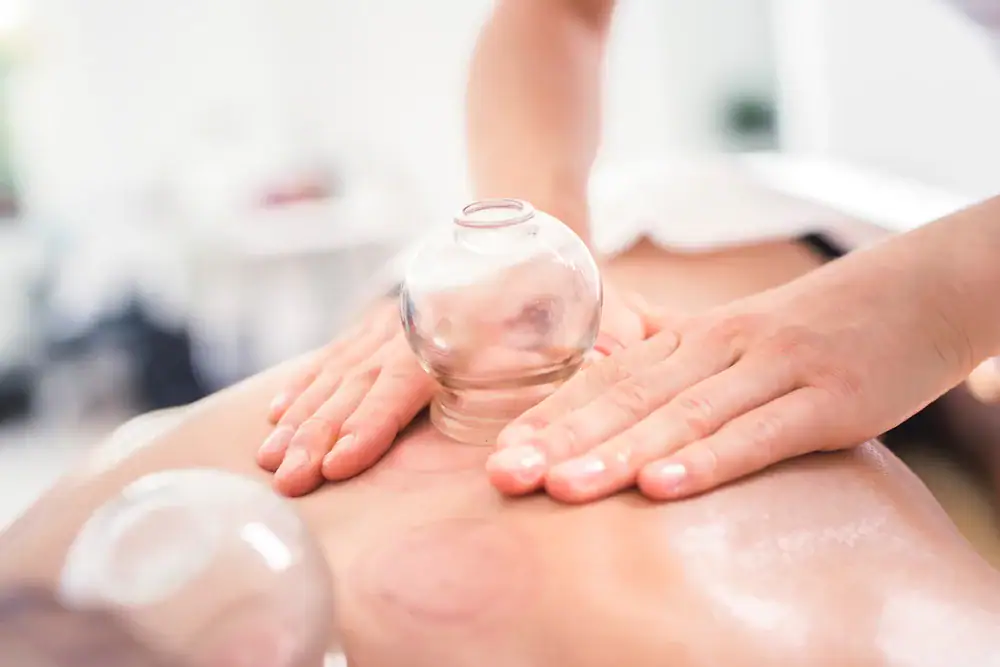
You’ve probably seen those circular marks on athletes’ backs and wondered what they’re about. Cupping therapy has been making headlines since Michael Phelps showed up to the 2016 Olympics sporting the telltale circles, but what most people don’t realize is that this recovery method isn’t reserved for professional athletes anymore. In fact, it’s becoming one of the most requested treatments for people dealing with chronic pain, post-surgical recovery, and mobility challenges right here in Suffolk and Nassau County.
The real story isn’t just about what cupping does. It’s about where it’s happening. More people are discovering they don’t need to drive to a clinic, wait in a lobby, or exhaust themselves before treatment even begins. We bring cupping therapy directly to homes across Long Island as licensed physical therapists, and the results are changing how people think about recovery.
Cupping therapy involves placing specialized cups on your skin to create suction. This isn’t some new-age trend. The technique dates back thousands of years, used by ancient Egyptians, Chinese practitioners, and Middle Eastern healers long before modern medicine existed.
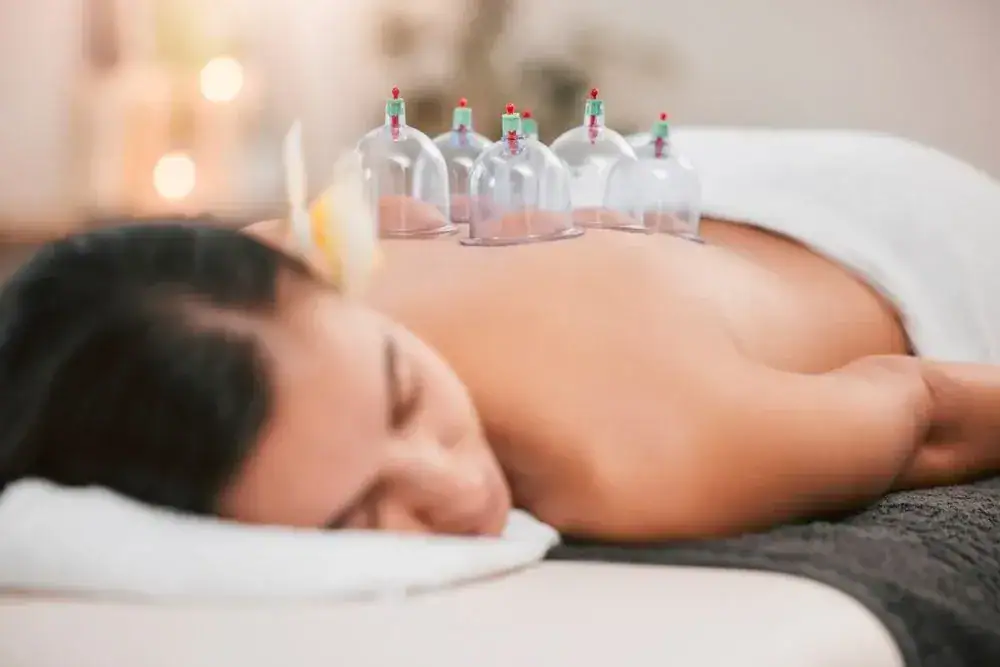
Here’s what happens during a session. A physical therapist places cups on specific areas of your body, usually your back, shoulders, neck, or legs. The suction pulls your skin and underlying tissue upward into the cup, which increases blood flow to that exact spot. This process helps reduce muscle tension, breaks down scar tissue, and speeds up your body’s natural healing response.
The marks you see afterward aren’t bruises in the traditional sense. They’re caused by increased blood flow to the surface, and they typically fade within a week. What matters more than how it looks is how it feels. Most people report significant relief from muscle soreness, stiffness, and chronic pain after just a few sessions.
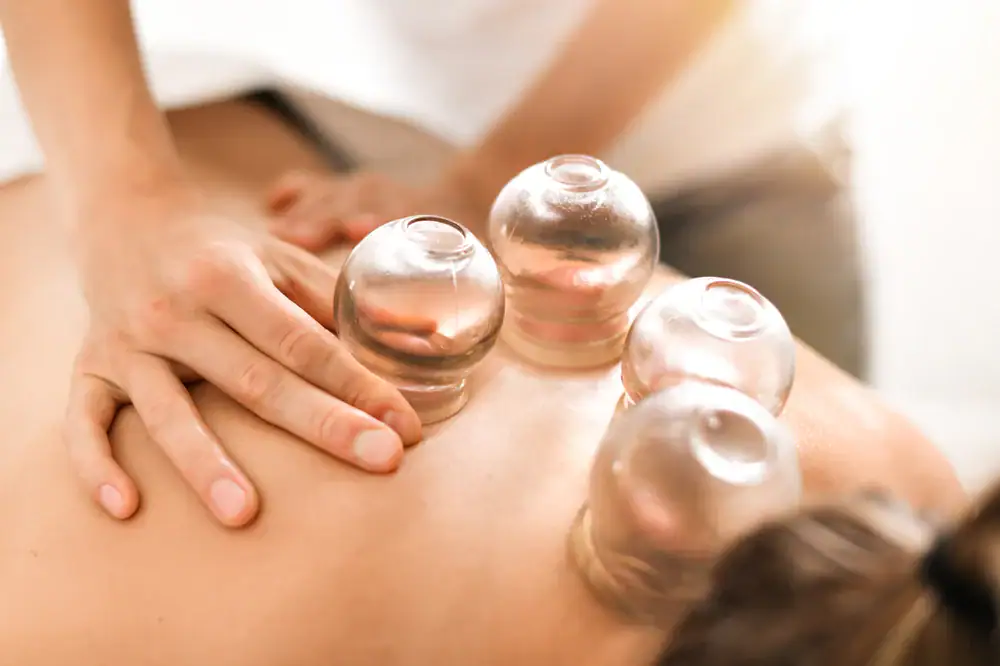
When cups create suction on your skin, they’re doing something your body can’t do on its own quite as effectively. They’re forcing fresh, oxygenated blood into areas that might have restricted circulation due to injury, inflammation, or chronic tension. This matters because blood carries the nutrients and oxygen your muscles need to repair themselves.
Think about what happens when you have a knot in your shoulder or persistent lower back pain. Those areas often feel tight because the muscle fibers are contracted and not getting adequate blood flow. Cupping dilates the blood vessels in the treated area, which allows more blood to reach those tight, painful spots. The increased circulation helps flush out metabolic waste products like lactic acid that contribute to soreness and stiffness.
Research shows that cupping can be particularly effective for conditions like neck pain, lower back pain, and osteoarthritis. Studies have found that cupping therapy reduces pain intensity more effectively than no treatment at all, and it works through multiple mechanisms. The suction doesn’t just increase blood flow. It also stimulates your nervous system in ways that can interrupt pain signals and promote relaxation.
For athletes and active individuals, this translates to faster recovery after intense training. Randomized trials have shown that when cupping is applied within 20 minutes after exercise, it decreases muscle soreness and reduces markers of muscle damage. That’s why you’ll see runners, weightlifters, and weekend warriors incorporating cupping into their recovery routines. It’s not about looking tough with those circular marks. It’s about getting back to training faster and with less discomfort.
What makes this especially relevant for people in Suffolk and Nassau County is accessibility. You don’t need to be an Olympic athlete to benefit from cupping therapy. You just need a licensed physical therapist who knows how to apply the technique properly and a willingness to try something that’s been working for thousands of years.
If you’ve ever had a deep tissue massage, you know the therapist applies pressure downward into your muscles to release tension. Cupping works in the opposite direction. Instead of compressing tissue, it lifts and decompresses it. This fundamental difference is why cupping can reach areas and provide relief that traditional massage sometimes misses.
When a massage therapist works on a tight muscle, they’re pushing down to break up knots and adhesions. That can be effective, but it also has limitations. Some areas of your body don’t respond well to compression, especially if you’re dealing with inflammation or if the tissue is already tender. Cupping creates space between muscle layers by pulling upward, which can instantly reduce restrictions without the discomfort that sometimes comes with deep pressure.
This lifting action is particularly useful for releasing fascia, the connective tissue that surrounds your muscles. When fascia gets stuck or adhered to underlying structures, it restricts movement and contributes to pain. Cupping helps free up that fascia by creating negative pressure that separates tissue layers. The result is often improved range of motion and a reduction in that “locked up” feeling you might experience in your neck, shoulders, or back.
Another advantage of cupping is that it can be combined with other physical therapy techniques during the same session. We might use cupping to release tension in your upper back, then follow up with targeted exercises to strengthen the area and prevent the tension from returning. This integrated approach is what makes in-home physical therapy so effective. You’re not just getting one modality. You’re getting a comprehensive treatment plan tailored to your specific needs.
For people recovering from surgery or injury, cupping can also help with scar tissue. Surgical scars and old injuries often leave behind adhesions that limit mobility and cause discomfort. The suction from cupping helps break down these adhesions by improving blood flow and gently stretching the affected tissue. Over time, this can lead to better movement and less pain in areas that have been problematic for months or even years.
The key is working with someone who understands when and how to use cupping as part of a broader treatment strategy. That’s where licensed physical therapists make all the difference. We know which techniques will benefit your specific condition and how to combine cupping with exercises, manual therapy, and other interventions to get you the best possible outcome.
Want live answers?
Connect with a Medcare Therapy Services expert for fast, friendly support.
Getting to a physical therapy clinic when you’re already in pain or recovering from surgery isn’t just inconvenient. For many people in Suffolk and Nassau County, it’s a legitimate barrier to getting care. Transportation challenges, mobility limitations, and the physical exhaustion that comes from traveling when you’re not feeling well can all prevent you from accessing the treatment you need.
In-home cupping therapy eliminates those obstacles entirely. We come to your house with all the necessary equipment, perform the treatment in your most comfortable environment, and provide the same level of professional care you’d receive in a clinic setting. The difference is that you don’t have to expend energy getting there, and you can rest immediately after treatment instead of facing a commute home.
This model is particularly beneficial for seniors and individuals with chronic conditions who struggle with transportation. Research shows that lack of reliable transportation is one of the most significant barriers to consistent physical therapy attendance. When therapy comes to you, that barrier disappears. You’re more likely to complete your full treatment plan, which means better outcomes and faster progress toward your goals.
One of the most common questions people have about in-home physical therapy is whether their insurance will cover it. The answer for Medicare beneficiaries is yes, when the therapy is medically necessary and provided by licensed professionals. Medicare Part B typically covers in-home physical therapy services, including techniques like cupping when they’re part of a comprehensive treatment plan prescribed by your physician.
Here’s how it works. Your doctor determines that you need physical therapy for a specific condition, whether that’s chronic back pain, post-surgical rehabilitation, balance issues, or another qualifying diagnosis. Once you have that referral, we can deliver that care in your home as a Medicare-certified provider. The therapy must be skilled care that requires the expertise of a licensed physical therapist, and it must be reasonable and necessary for your condition.
Medicare covers the cost of the therapy sessions themselves, which includes any modalities used during treatment such as cupping, manual therapy, therapeutic exercises, and other evidence-based interventions. There are no surprise costs or hidden fees when you work with us. We handle all insurance documentation and verification upfront. You’ll know what your out-of-pocket costs are before treatment begins, which gives you peace of mind and allows you to focus on recovery rather than billing concerns.
The convenience factor can’t be overstated. You’re not paying for transportation, you’re not losing time sitting in waiting rooms, and you’re not risking exposure to illness in a clinical setting. Everything happens in your home, on your schedule. We offer flexible appointment times, including morning, afternoon, and evening slots, so therapy fits into your life rather than disrupting it.
For people who have been putting off physical therapy because of cost concerns or logistical challenges, understanding that Medicare covers in-home services often changes the equation entirely. The care you need is more accessible than you might have realized, and it’s designed to work around your limitations rather than adding to them.
If you’ve never had cupping therapy before, it’s natural to have questions about what actually happens during a session. Your first appointment will typically start with an evaluation that takes about 60 to 90 minutes. We’ll ask about your medical history, current symptoms, and goals for treatment. We’ll assess your strength, balance, mobility, and any specific areas of pain or dysfunction.
Once the evaluation is complete, we’ll explain how cupping can help with your particular condition and what to expect during treatment. We’ll show you the cups, explain how the suction works, and answer any questions you have. This is also when we’ll discuss how cupping fits into your overall treatment plan, which might include exercises, manual therapy, and other techniques designed to address your specific needs.
During the cupping portion of your session, we’ll apply the cups to targeted areas of your body. You’ll feel a pulling sensation as the suction takes effect, but it shouldn’t be painful. Most people describe it as a tight, slightly uncomfortable feeling that quickly becomes tolerable. The cups might stay in place for several minutes, or we might move them around to massage the area and release tension in multiple spots.
After the cups are removed, you’ll likely see circular marks on your skin. These marks are normal and expected. They’re caused by increased blood flow to the surface and typically fade within a week or so. We’ll explain what you should and shouldn’t do after treatment, such as staying hydrated, avoiding strenuous activity for a few hours, and applying heat or ice if needed.
The most important thing to understand about your first session is that it’s the beginning of a process, not a one-time fix. Cupping therapy works best when it’s part of a consistent treatment plan. We’ll work with you to determine how many sessions you need, how often you should have them, and what exercises or activities you should do between visits to support your progress. Most people start seeing improvements in their symptoms within the first few sessions, with measurable results typically occurring within four to six weeks of consistent therapy.
What sets in-home therapy apart from clinic-based care is the personalized attention and the ability to assess your actual living environment. We can identify fall risks in your home, recommend modifications to make daily activities easier, and teach family members how to support your recovery. This holistic approach addresses not just your immediate pain or mobility issue but also the factors that contribute to your overall safety and independence.
Cupping therapy has moved from ancient healing practice to mainstream recovery tool, and it’s now accessible right in your own home across Long Island. Whether you’re an athlete looking to recover faster, a senior managing chronic pain, or someone rebuilding strength after surgery, in-home cupping combined with professional physical therapy offers a practical path forward.
The key is working with licensed therapists who understand how to integrate cupping into a comprehensive treatment plan that addresses your specific goals. You get the convenience of care delivered to your home, the expertise of professionals trained in evidence-based techniques, and the peace of mind that comes with Medicare-covered services handled transparently from start to finish.
If transportation has been holding you back from getting the physical therapy you need, or if you’re simply looking for more effective ways to manage pain and improve mobility, in-home cupping therapy might be exactly what you’ve been missing. We’ve been serving Suffolk and Nassau County since 2010, bringing professional rehabilitation directly to homes across Long Island and helping people regain independence without the barriers that often come with clinic-based care.
Summary:
Article details:
Share: