Choosing between in-home and clinic physical therapy isn't about better or worse—it's about what fits your situation, your mobility, and your recovery goals.

You know you need physical therapy. Your doctor mentioned it after surgery, or maybe you’re dealing with pain that won’t quit. But getting to a clinic feels like another mountain to climb when you’re already struggling to move comfortably.
In-home physical therapy brings licensed therapists to you—but does it actually work? Is it covered by Medicare? And how do you know if it’s better than going to a clinic?
These are real questions, and they deserve real answers. Let’s walk through what in-home physical therapy looks like, who it helps most, and how to figure out if it fits your recovery.
In-home physical therapy is exactly what it sounds like: a licensed physical therapist comes to your house and provides the same evidence-based treatment you’d get in a clinic. The difference is location.
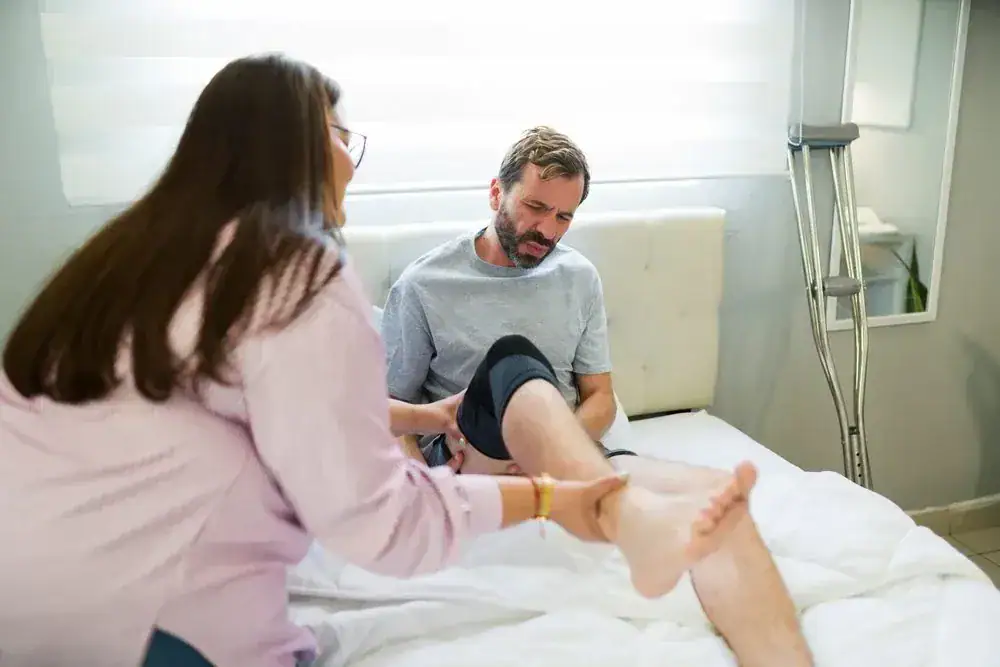
Your physical therapist brings portable equipment, evaluates your movement in your actual living space, and designs a treatment plan around the environment where you spend your time. That means practicing the stairs you climb every day, not generic steps in a facility.
Sessions typically run 45 to 60 minutes. Your therapist assesses your condition, works through exercises and complementary treatments such as laser therapy when clinically appropriate, and gives you strategies to use between visits. Most plans involve 12 to 18 sessions over four to six weeks, depending on your condition and progress.
In-home physical therapy works best for people who face real barriers to getting out of the house. If you’re recovering from hip or knee replacement surgery and every car ride feels impossible, home-based care makes sense. If you’re an older adult with balance issues and the thought of navigating a parking lot makes you anxious, staying home is safer.
This type of care is designed for patients who are homebound or have severe mobility limitations. It’s also ideal if you’ve just been discharged from the hospital and need immediate support to prevent readmission. Research shows that patients are at highest risk for complications within 30 days after leaving the hospital, and in-home physical therapy helps bridge that gap.
But you don’t have to be completely immobile to qualify. Medicare Part B covers in-home therapy even if you’re not officially homebound, as long as it’s medically necessary and prescribed by your doctor. That opens the door for people who simply can’t drive, don’t have reliable transportation, or find that traveling to appointments drains energy they need for healing.
In Suffolk County and Nassau County, NY, where seniors rank among the highest in New York State for fall-related incidents, in-home therapy also serves as a preventive measure. Your physical therapist assesses your home for hazards, teaches you how to move safely in your space, and reduces fall risk before another injury happens.
The key is this: if getting to a clinic is harder than the physical therapy itself, you’re a good candidate for in-home care. If the commute exhausts you, if you need help getting in and out of a car, or if you’re managing multiple medical appointments and can’t add another trip to your schedule, home-based therapy removes that obstacle entirely.
Your first session is mostly about understanding where you are and where you need to go. The physical therapist will spend 60 to 90 minutes getting to know you, your medical history, and your current limitations. They’ll ask about your pain, your mobility, and what you’re hoping to accomplish.
Then comes the physical evaluation. Your therapist will test your range of motion, strength, balance, and how you move through everyday tasks. They might watch you walk, sit down, stand up, or navigate stairs. This isn’t about judgment—it’s about seeing what’s hard for you so they can build a plan that actually helps.
One of the biggest advantages of in-home physical therapy is that your therapist sees your real environment. They notice the loose rug in your hallway, the awkward step into your bathroom, or the chair that’s too low to get out of easily. These are the things that cause falls and setbacks, and your therapist can address them immediately.
After the evaluation, you’ll work together to set goals. Maybe it’s being able to walk to the mailbox without pain. Maybe it’s getting strong enough to play with your grandkids again. Whatever matters to you becomes the focus of your treatment plan.
You’ll likely start some exercises during that first visit, and your physical therapist will show you what to do on your own between sessions. Consistency matters. Physical therapy isn’t just what happens during the appointment—it’s what you do the other six days of the week that determines how fast you improve.
Most patients notice improvements in confidence within two to three sessions. Measurable changes in balance and strength usually show up within four to six weeks if you’re consistent with your exercises. That said, everyone progresses at their own pace. Your therapist will track your progress with standardized tests so you can see objective proof that the work is paying off.
Want live answers?
Connect with a Medcare Therapy Services expert for fast, friendly support.
Yes, Medicare Part B covers in-home physical therapy when it’s medically necessary and prescribed by your doctor. You’ll pay 20% of the Medicare-approved amount after you meet your Part B deductible, which is around $240 for 2026.
There’s no limit on the number of sessions Medicare will cover, as long as your physical therapist can document that you’re making progress or that continued therapy is preventing decline. Once your therapy costs exceed $2,480 for the year, your therapist adds a KX modifier to the billing code to confirm the treatment is still medically necessary. This isn’t a cap—it’s just a checkpoint to make sure the care is justified.
Most commercial insurance plans also cover in-home physical therapy, though coverage varies by plan. It’s worth calling your insurance company before your first session to confirm your benefits and understand any out-of-pocket costs.

Neither option is universally better. The right choice depends on your situation, your mobility, and what you need to recover.
In-home physical therapy makes sense if you have severe mobility limitations, if transportation is a problem, or if you’re recovering from surgery and every trip out of the house feels overwhelming. It’s also the better choice if you’re at high risk for falls and need your physical therapist to assess your actual living space. The convenience factor is real—you don’t waste energy getting to an appointment, and you can rest immediately after your session instead of sitting in a car.
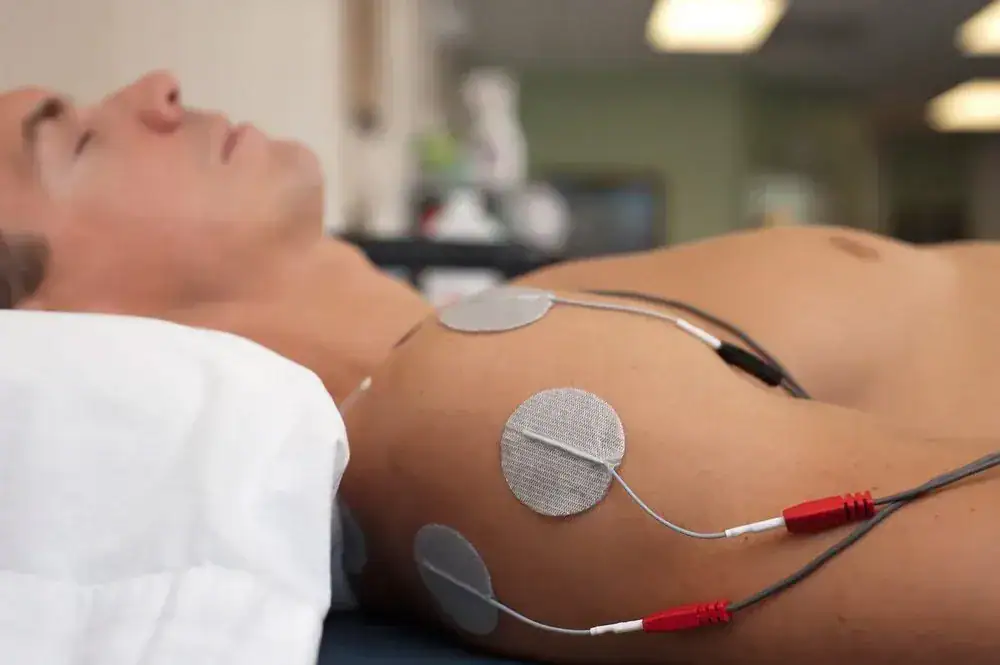
Clinic-based therapy has its own advantages. Clinics have specialized equipment that’s hard to replicate at home—machines for resistance training, balance platforms, aquatic therapy pools. Some clinics also offer treatments like cupping therapy, dry needling, or electrical stimulation that require specialized tools. If you’re already fairly mobile and benefit from routine, a clinic might be the better fit.
Many patients start with in-home physical therapy right after surgery or a hospital stay, then transition to a clinic once they’re strong enough to travel safely. This hybrid approach gives you the best of both worlds: intensive support when you need it most, followed by access to advanced equipment as you progress.
The real question isn’t which is better—it’s which removes more barriers to your recovery. If getting to a clinic is harder than the therapy itself, start at home. If you’re mobile enough to travel and you’d benefit from specialized equipment, consider the clinic. And if you’re not sure, talk to your doctor or a physical therapist about what makes sense for your specific condition.
In Suffolk County and Nassau County, NY, where traffic and winter weather can make travel challenging, in-home therapy offers a practical solution that keeps your recovery on track regardless of external conditions.
Will it hurt? Physical therapy shouldn’t be painful, but it can be uncomfortable. You’re asking your body to move in ways it hasn’t moved in a while, and that can feel challenging. Your physical therapist will push you, but they’ll also listen when something feels wrong. Some soreness after a session is normal—sharp pain is not.
How long will it take? Most patients see noticeable improvements within four to six weeks if they’re consistent with their exercises. That said, recovery timelines vary based on your condition, your age, and how well you stick to the plan. Your therapist will give you a realistic estimate during your first visit.
Do I need a doctor’s referral? In New York, you can access physical therapy without a referral for up to 10 visits within 30 days. After that, you’ll need a prescription from your doctor. Medicare and some other insurance plans require a referral from the start, so check your coverage before scheduling.
What if I’m not making progress? If you’re not seeing improvement after several weeks, your physical therapist will reassess your plan and make adjustments. Sometimes that means changing the exercises, sometimes it means referring you to another specialist. A good therapist won’t keep doing the same thing if it’s not working.
Can my family be involved? Yes, and in many cases, it helps. In-home physical therapy gives your family members a chance to learn safe techniques for assisting you. Whether it’s helping you stand up, supporting you during exercises, or just understanding what you’re working on, having your loved ones involved can speed up your recovery and reduce their stress.
What equipment do I need at home? Most in-home physical therapists bring what they need—resistance bands, small weights, balance tools. You don’t need a home gym. Your therapist will work with what you have and show you how to use everyday items like chairs, countertops, and stairs as part of your therapy.
In-home physical therapy works when it removes the barriers that stand between you and getting better. If transportation is hard, if you’re recovering from surgery, if you’re at risk for falls, or if you simply feel more comfortable healing in your own space, it’s worth considering.
The most important thing is that you start. Whether that’s at home or in a clinic matters less than actually showing up and doing the work. Physical therapy only works if you’re consistent, if you trust your physical therapist, and if you’re willing to push through the uncomfortable moments that come with rebuilding strength.
If you’re in Suffolk County or Nassau County, NY and you’re trying to figure out what makes sense for your situation, we can help you sort through your options and create a plan that fits your life.
Summary:


Article details:
Share: