Athletes and seniors in Suffolk County are finding real relief through cupping therapy—a proven treatment that reduces pain, speeds recovery, and improves mobility without medications.

You’ve tried ice. You’ve tried heat. You’ve rested, stretched, and maybe even adjusted your routine. But that nagging pain in your back, that tightness in your shoulders, or that knee that won’t quite cooperate—it’s still there.
For athletes training hard and seniors trying to stay active, persistent pain isn’t just uncomfortable. It’s limiting. It keeps you from performing at your best or doing the things you used to do without thinking twice.
Cupping therapy offers a different approach. Instead of masking symptoms, it targets the underlying tension and restricted blood flow that keep you stuck in a cycle of discomfort. Here’s what you need to know about how it works and who it helps most.
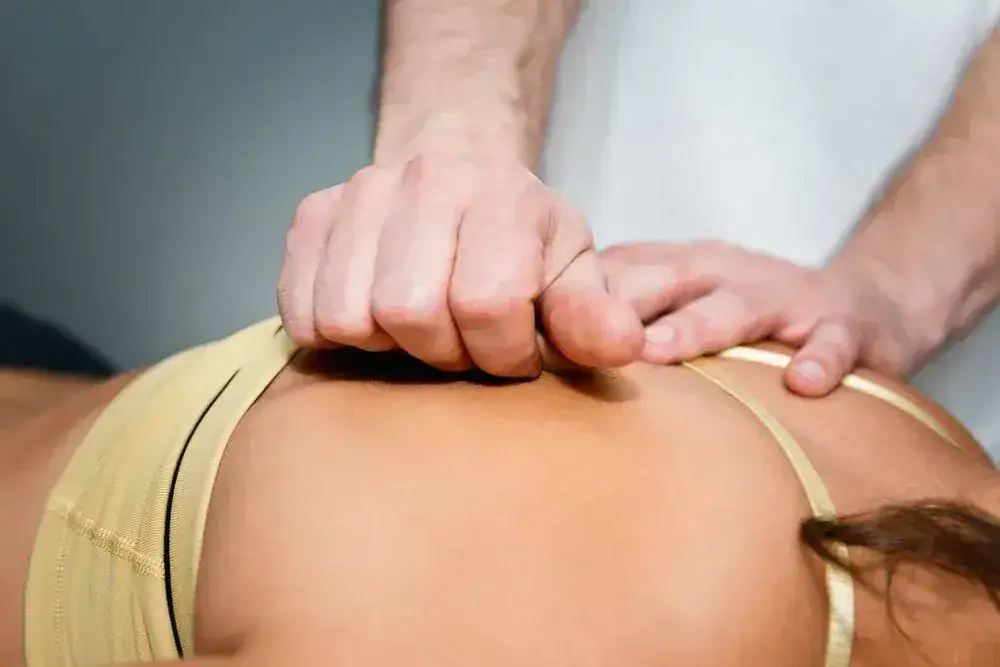
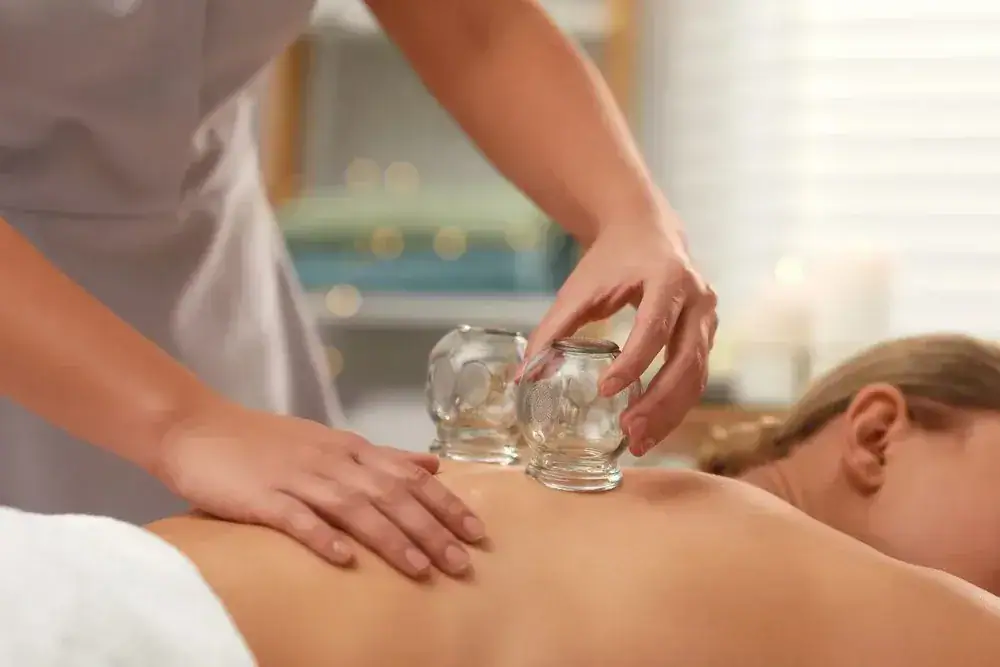
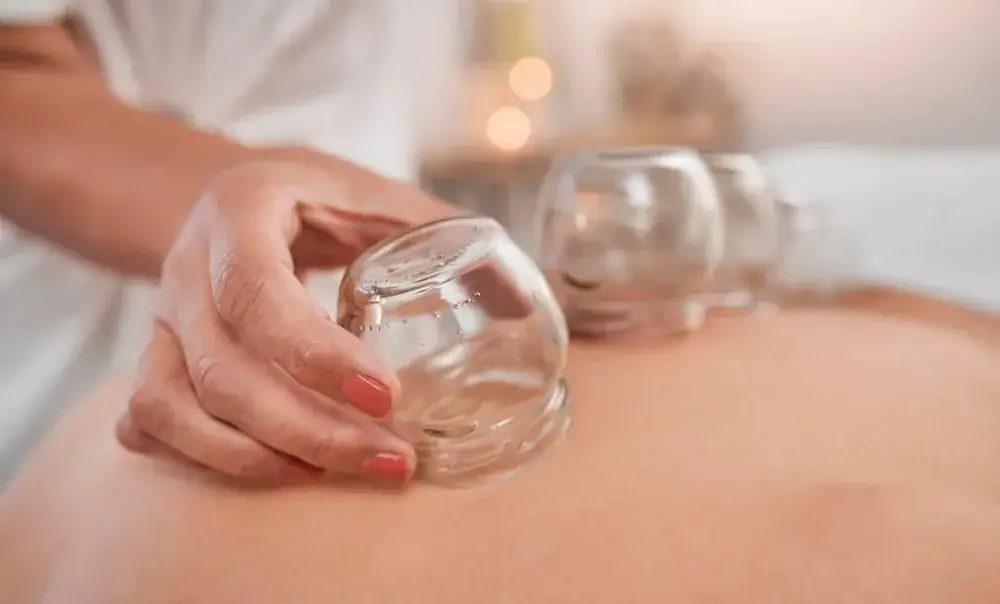
Cupping therapy uses suction to pull blood toward specific areas of your body where you’re experiencing pain or tightness. Our physical therapists place specialized cups on your skin—usually on your back, shoulders, neck, or legs—and create a vacuum that lifts the tissue beneath.
That lifting action does something important. It increases circulation to muscles that aren’t getting enough blood flow, breaks up adhesions in the fascia (the connective tissue surrounding your muscles), and triggers your body’s natural healing response. Think of it as the opposite of a deep tissue massage—instead of pushing down, cupping pulls up, creating space for fresh blood and oxygen to reach areas that have been chronically tight or inflamed.
The result is reduced muscle tension, less pain, and better mobility. You’re not just treating the symptom. You’re giving your body the resources it needs to actually repair itself.
Pain doesn’t exist in a vacuum. It’s usually the result of inflammation, poor circulation, or muscles that have been holding tension for too long. Cupping addresses all three.
When the cups create suction on your skin, they expand the small blood vessels underneath. This draws fresh, oxygen-rich blood to the area while flushing out metabolic waste products that contribute to soreness and stiffness. The increased circulation helps reduce inflammation naturally, without relying on medications that come with side effects or long-term risks.
There’s also a neurological component. The pressure and sensation from cupping stimulate nerve fibers in a way that can block pain signals from reaching your brain. It’s similar to how rubbing a sore spot can temporarily ease discomfort, but more sustained and targeted.
For athletes, this means faster recovery after intense training sessions. For seniors dealing with chronic conditions like arthritis or long-standing back pain, it means genuine relief that doesn’t require adding another prescription to an already full medicine cabinet. The treatment works with your body’s existing systems rather than overriding them.
Most people feel a difference after the first session—not a miracle cure, but noticeable relief. The kind that makes you think, “Okay, I can actually move better today.” With consistent treatment, that relief builds. Muscles stay looser. Pain decreases. Range of motion improves. And you start getting back to activities that felt out of reach just weeks earlier.
Athletes put their bodies through a lot. Intense training, repetitive movements, and pushing past normal limits all create micro-tears in muscle tissue and build up lactic acid. That’s what causes the deep soreness and stiffness that can sideline you for days after a hard workout or competition.
Cupping helps speed up the recovery process by targeting the exact areas where muscles are tight, overworked, or not healing as quickly as they should. When blood flow increases to these spots, it delivers the nutrients and oxygen needed for tissue repair while removing the waste products that cause prolonged soreness.
You’ve probably seen those circular marks on professional athletes—swimmers, runners, gymnasts. They’re not just for show. Those marks indicate where blood has been drawn to the surface, a sign that the therapy is working to break up stagnation and promote healing. For high-level competitors, even small improvements in recovery time can mean the difference between peak performance and falling short.
But you don’t have to be an Olympian to benefit. Weekend warriors, high school athletes, and anyone who trains regularly can use cupping to reduce delayed-onset muscle soreness, prevent overuse injuries, and maintain flexibility. It’s particularly effective for conditions like hamstring strains, tight hip flexors, shoulder tension from throwing or swimming, and lower back pain from running or lifting.
The key is consistency. One session might give you temporary relief, but regular cupping as part of your training routine helps keep muscles loose, improves tissue quality, and allows you to train harder without breaking down. We often combine cupping with targeted exercises and stretching to address not just the symptoms but the movement patterns that led to the problem in the first place.
Many athletes also use cupping preventatively. Before a big event or during heavy training blocks, sessions can help prepare muscles for the stress ahead and reduce the risk of acute injuries. After competition or intense periods, it supports faster bounce-back so you’re not losing valuable training days to recovery.
Want live answers?
Connect with a Medcare Therapy Services expert for fast, friendly support.
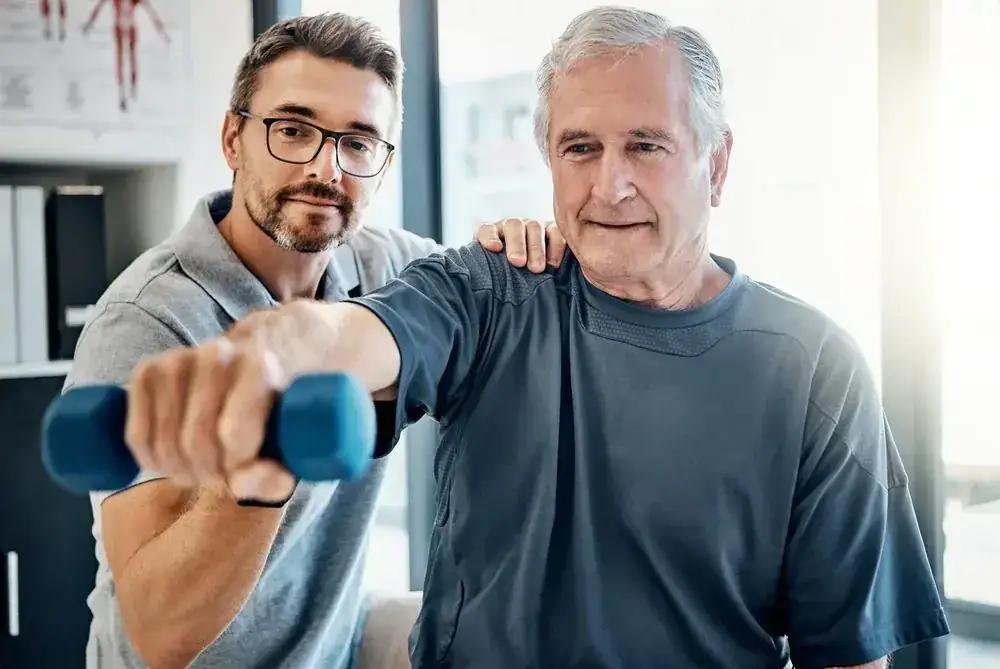
Chronic pain in older adults isn’t just about discomfort. It’s about what that pain prevents you from doing. Getting out of bed without wincing. Walking to the mailbox without your back seizing up. Bending down to pick something up off the floor. Playing with grandchildren. Living independently.
Cupping offers seniors a way to address persistent pain without adding more medications to a regimen that might already include several prescriptions. It works by improving blood flow to areas that have become stiff and tight over years of reduced activity, poor posture, or underlying conditions like arthritis.
For many older adults, the biggest benefit is improved mobility. When muscles aren’t constantly tense and joints can move more freely, everyday tasks become manageable again. That improvement in function directly impacts quality of life and, importantly, reduces fall risk.
Falls are the leading cause of injury among older adults in New York. In 2023 alone, falls resulted in over 1,800 deaths and more than 78,000 hospitalizations among New York State residents aged 60 and older. In New York City, approximately 30,500 emergency department visits each year are due to falls in this age group.
The connection between cupping therapy and fall prevention might not be immediately obvious, but it’s significant. Falls often happen because of muscle weakness, poor balance, reduced flexibility, or chronic pain that affects how someone moves. When you’re constantly compensating for a sore knee or tight hip, your gait changes. Your balance suffers. Your confidence drops. And that’s when accidents happen.
Cupping helps by addressing the muscle tension and restricted movement that contribute to instability. When your lower back isn’t locked up, when your hips have better range of motion, when your legs feel stronger because they’re not fighting against tight fascia—you move better. You react faster. You’re more stable on your feet.
We use cupping as part of comprehensive fall prevention programs that also include balance training, strength exercises, and gait analysis. The therapy helps prepare muscles to respond to these exercises more effectively. Tight muscles don’t strengthen well. They need to be released first, and that’s where cupping comes in.
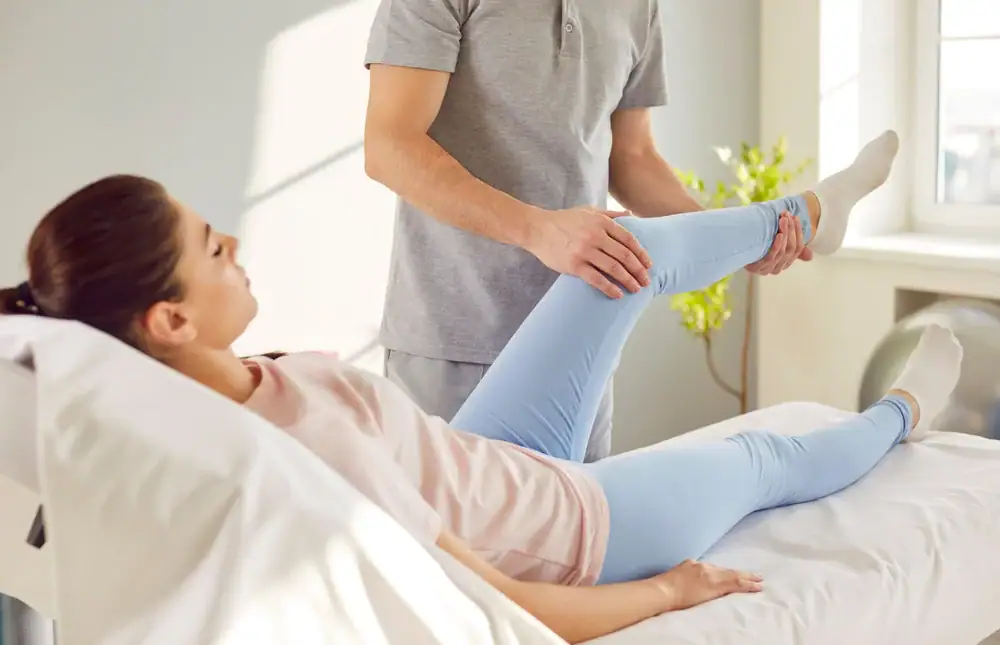
For seniors in Suffolk and Nassau County, our in-home physical therapy that includes cupping offers a practical solution. You don’t have to worry about getting to a clinic when you’re already dealing with mobility concerns. Our licensed therapists come to your home, assess your environment for fall risks, and provide treatment in the space where you actually live and move. That context matters. It allows for more relevant, personalized care.
Many older adults also experience chronic pain conditions that make them hesitant to move, which creates a vicious cycle. Less movement leads to weaker muscles and stiffer joints, which increases fall risk even more. Cupping can break that cycle by reducing pain enough that you’re willing and able to participate in the strengthening and balance work that truly protects against falls.
Cupping is generally safe for seniors, but there are important considerations that our qualified physical therapists take into account before and during treatment.
Aging skin is thinner and more delicate than younger skin, and the small blood vessels beneath the surface are more fragile. This means bruising is more likely and the marks left by cupping may be more pronounced or last longer—typically 3 to 10 days. That’s normal and not harmful, but it’s something to expect. Our skilled therapists adjust the suction pressure and duration to accommodate for skin sensitivity.
If you take blood thinners like warfarin or other anticoagulants, your therapist needs to know. These medications increase bleeding risk, so treatment may need to be modified or, in some cases, avoided altogether depending on your specific situation. The same goes for anyone with a bleeding disorder or very fragile skin conditions.
Cupping should not be performed over open wounds, active infections, areas of severe skin irritation, or directly over bones without adequate soft tissue. We assess these factors during your initial evaluation and adjust the treatment plan accordingly.
Most seniors tolerate cupping well when it’s done by a licensed professional who understands how to modify techniques for older adults. Dry cupping—where only suction is used without any cutting or bloodletting—is the standard approach we use and carries the lowest risk. It’s non-invasive, doesn’t involve needles, and produces minimal discomfort during the session itself.
After treatment, you might feel some mild soreness similar to what you’d experience after a deep massage. This typically resolves within a day or two. Staying hydrated, moving gently, and following any home exercise recommendations from your therapist can help maximize the benefits and minimize any temporary discomfort.
The real measure of safety isn’t just the absence of side effects—it’s whether the treatment helps you function better without creating new problems. For most seniors dealing with chronic pain, limited mobility, or fall risk, cupping as part of a comprehensive physical therapy program offers a favorable risk-benefit ratio. It’s a tool that can improve quality of life when used appropriately and in the right context.
Regardless of if you’re an athlete looking to recover faster or a senior working to maintain independence and reduce pain, cupping therapy offers a proven, natural approach that addresses the root causes of discomfort rather than just masking symptoms.
The key is working with licensed physical therapists who understand how to integrate cupping into a comprehensive treatment plan tailored to your specific needs, goals, and medical history. It’s not a standalone solution, but when combined with targeted exercises, manual therapy, and functional training, it can significantly improve how you move and how you feel.
For residents of Suffolk County and Nassau County, our in-home physical therapy makes this type of care accessible and convenient. You don’t need to arrange transportation or sit in a waiting room. Treatment comes to you, allowing for more personalized attention and assessment of your actual living environment.
If you’re tired of living with chronic pain, slow recovery, or limited mobility, it might be time to try something different. We bring experienced, licensed physical therapists directly to your home throughout Long Island, offering cupping therapy as part of evidence-based treatment plans that get results. Most services are covered by Medicare and major insurance plans, with no surprise fees or hidden costs.
Summary:
Article details:
Share: