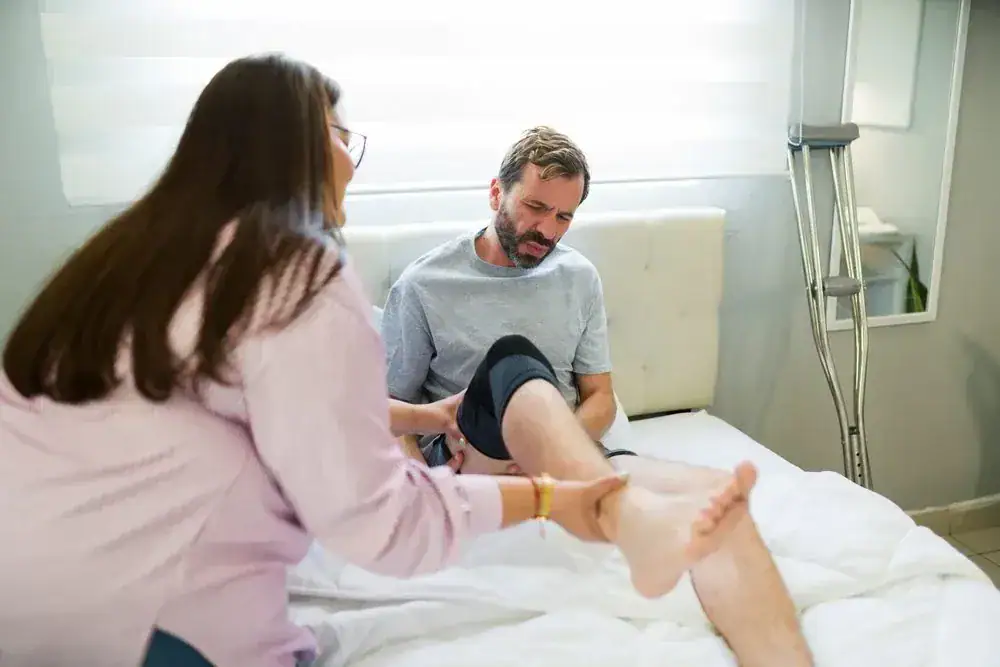
Therapeutic exercise isn't just movement—it's targeted, intentional activity designed to restore function, reduce pain, and help you move better. Here's why customization matters.
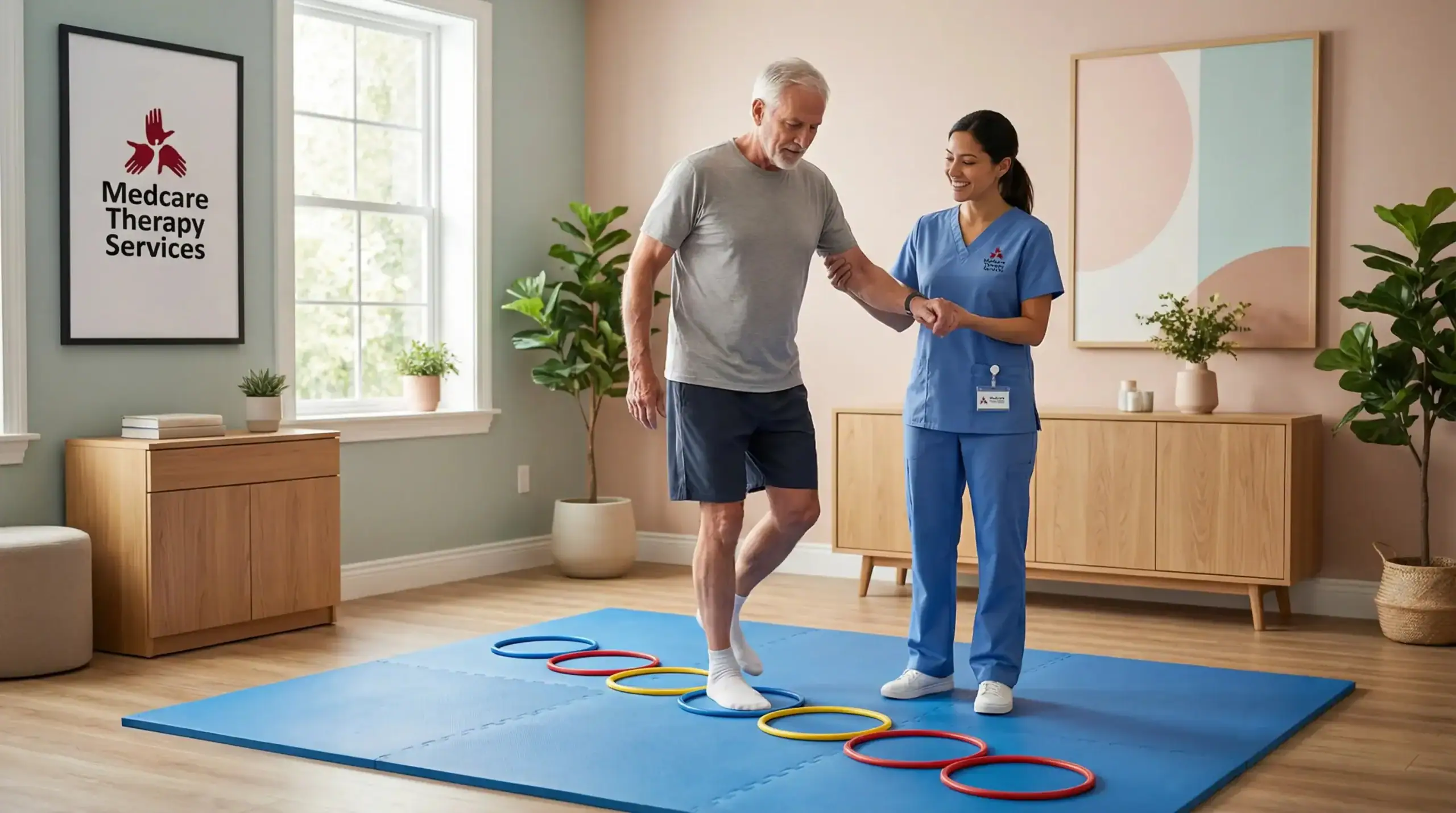
Therapeutic exercise is movement prescribed by a licensed physical therapist to correct impairments, restore function, and maintain or improve your physical well-being. It’s not about breaking a sweat or hitting a personal record. It’s about targeting the specific muscles, joints, and movement patterns that need attention so your body can heal, strengthen, and move the way it’s supposed to.
These exercises fall into several categories: strength training to rebuild muscle power, flexibility work to improve range of motion, endurance activities to support cardiovascular health and stamina, and balance exercises to reduce fall risk and improve coordination. Each type serves a purpose. And when combined into a personalized plan, therapeutic exercise addresses your unique needs in a way that general fitness never could.

Regular exercise is great for maintaining general health. But therapeutic exercise is medical treatment. The difference matters.
When you work with a physical therapist, they’re not guessing. They assess your movement patterns, test your strength and flexibility, identify compensations or imbalances, and design a program that targets the root cause of your limitations. Every movement has a purpose. Every progression is intentional. You’re not just moving—you’re retraining your body to function correctly.
That’s why therapeutic exercise works for people recovering from surgery, managing chronic pain, dealing with arthritis, or trying to prevent falls. It’s precise. It’s progressive. And it’s built around what your body can do right now, not what a generic program assumes you should be able to do.
This approach also means your program evolves as you improve. Your therapist monitors your progress, adjusts exercises when they become too easy, and introduces new challenges that keep you moving forward without risking re-injury. You’re not stuck doing the same routine for months. You’re following a roadmap that adapts to your recovery.
And here’s the part most people don’t realize: therapeutic exercise isn’t just about the exercises themselves. It’s about education. Your therapist teaches you why certain movements help, how to perform them correctly, and what to avoid. That knowledge gives you control over your recovery and helps you maintain improvements long after therapy ends.
Therapeutic exercise programs typically incorporate four main types of movement, each targeting different aspects of physical function.
Strength exercises rebuild muscle power and support joint stability. These might include resistance band work, bodyweight movements like sit-to-stand exercises, or progressive resistance training with light weights. Strength work is especially important after surgery, injury, or periods of inactivity that lead to muscle loss. Even small improvements in strength can make daily activities—like climbing stairs, carrying groceries, or getting up from a chair—significantly easier.
Flexibility exercises focus on improving your range of motion through controlled stretching and joint mobilization. Tight muscles and stiff joints don’t just limit movement—they alter how you move, often creating compensations that lead to pain elsewhere. Flexibility work addresses these restrictions gradually and safely, helping you move more freely without forcing your body into positions it’s not ready for.
Endurance exercises engage large muscle groups over longer periods to improve cardiovascular health and stamina. Walking, stationary cycling, or pool-based activities are common examples. Endurance training isn’t just about your heart and lungs—it helps you maintain activity throughout the day without becoming exhausted. For seniors, this type of exercise supports independence by making it easier to complete daily tasks without needing frequent rest.
Balance and coordination exercises help you maintain stability and react appropriately to changes in your environment. These exercises train your body to adjust quickly when you step on uneven ground, reach for something, or turn your head. For older adults, balance training is one of the most effective ways to reduce fall risk—and the fear that comes with it.
Most therapeutic exercise programs combine all four types in proportions that match your specific needs. Someone recovering from a knee replacement might focus heavily on strength and flexibility early on, then gradually add more endurance and balance work. Someone dealing with chronic back pain might emphasize core stability and flexibility. The mix is always individualized.
Want live answers?
Connect with a Medcare Therapy Services expert for fast, friendly support.
Generic exercise programs assume everyone starts from the same place and responds the same way. But your body, your condition, and your goals are unique. That’s why personalized therapeutic exercise consistently delivers better outcomes than one-size-fits-all approaches.
When a physical therapist designs your program, they consider your current strength and flexibility, your pain levels and movement limitations, any medical conditions or surgical history, your daily activities and functional goals, and your home environment. All of these factors shape what exercises you’ll do, how you’ll progress, and what success looks like for you specifically.
This level of customization means you’re not wasting time on movements that don’t address your needs. Every exercise serves a clear purpose in your recovery. And because the program is built around your starting point, you can perform exercises safely and effectively from day one.

Personalization starts with assessment. Your physical therapist evaluates how you move, where you’re experiencing pain or weakness, and what limitations are affecting your daily life. They’re looking for patterns—compensations you’ve developed, muscle imbalances, restricted joints, or movement habits that contribute to your problem.
From there, they design exercises that directly address what they’ve found. If you’re favoring one leg because of knee pain, you’ll get exercises that strengthen the affected leg and restore normal movement patterns. If shoulder stiffness is limiting your ability to reach overhead, you’ll work on specific stretches and strengthening movements that improve that motion. The exercises aren’t random—they’re prescribed based on clinical reasoning and evidence.
This targeted approach also means your program changes as you improve. What works in week one might not challenge you enough by week four. Your therapist adjusts the difficulty, adds new exercises, or modifies existing ones to keep you progressing. You’re always working at the edge of your current ability, which is where real improvement happens.
Another advantage: your therapist can modify exercises if something isn’t working. Maybe a particular movement causes pain, or you’re having trouble performing it correctly. Instead of pushing through or giving up, your therapist can adjust the exercise—changing the position, reducing the range of motion, or trying a different approach that achieves the same goal. This flexibility keeps you moving forward even when obstacles come up.
And because your program is designed around your daily activities, the improvements you make in therapy translate directly to real life. You’re not just getting stronger in abstract ways—you’re regaining the ability to do the things that matter to you. Walking without pain. Getting dressed without help. Playing with grandchildren. Returning to hobbies you’ve had to give up.
Your therapy sessions are important, but what you do between appointments matters just as much. That’s where home exercise programs come in.
A home exercise program is a set of movements your therapist prescribes for you to perform on your own. These exercises reinforce what you’re working on during sessions, maintain the improvements you’re making, and keep you progressing even when you’re not with your therapist. They’re not extra credit—they’re a core part of your treatment.
Research consistently shows that people who follow their home exercise programs see better outcomes than those who only participate during appointments. Consistency is key. Your body needs regular, repeated movement to rebuild strength, restore flexibility, and retrain movement patterns. A few sessions per week with your therapist can start that process, but daily practice at home is what makes the changes stick.
The challenge is that many people struggle with home programs. Life gets busy. Exercises feel repetitive. It’s hard to stay motivated when you’re working alone. That’s why good home programs are simple, clear, and manageable. Your therapist should give you exercises you can perform safely on your own, with clear instructions on how many repetitions, how often, and what to watch for. The program should fit into your daily routine, not require an hour-long commitment you’ll never maintain.
Many therapists now provide digital access to home programs with videos demonstrating each exercise. This makes it easier to remember proper form and reduces confusion about what you’re supposed to be doing. You can pull up your program on your phone or tablet whenever you need it.
Compliance with home exercise programs directly impacts your recovery timeline. People who consistently perform their prescribed exercises progress faster, maintain their gains longer, and are less likely to experience setbacks. It’s not about being perfect—it’s about showing up regularly and putting in the work, even when progress feels slow.
Your home program should evolve along with your in-person therapy. As you get stronger and more capable, your therapist will update your home exercises to match your current level. This keeps the program challenging enough to drive continued improvement without becoming overwhelming.
If you’re dealing with pain, limited mobility, or recovering from surgery, therapeutic exercise can help you regain function and get back to living on your terms. But the program needs to be built for you—your body, your condition, your goals.
Look for licensed physical therapists who take time to assess your specific needs, design individualized programs that address your limitations, provide clear instruction and education, adjust your plan as you progress, and offer support between sessions through home exercise programs. The right approach makes all the difference in how quickly you improve and how well those improvements last.
We bring personalized physical therapy directly to your home throughout Suffolk County, NY and Nassau County, NY, eliminating transportation barriers and allowing therapy to happen in your most comfortable environment. When you’re ready to move better and feel stronger, reach out and take the first step toward recovery that’s actually designed for you.
Summary:


Article details:
Share: