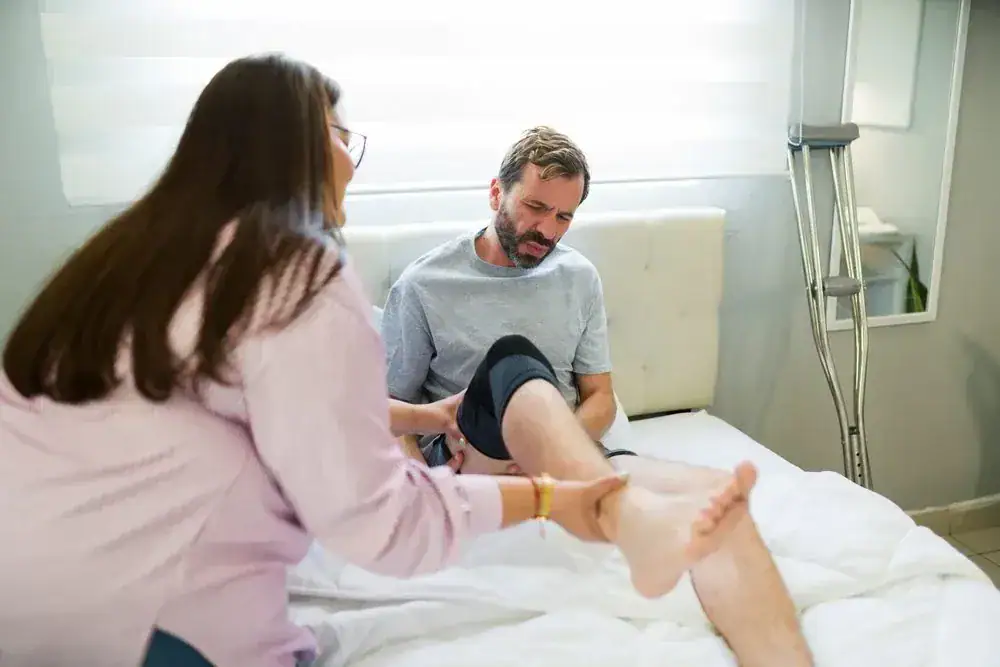
Falls aren't inevitable. Learn how physical therapy, balance exercises, and home safety strategies can reduce your fall risk and help you stay independent at home.
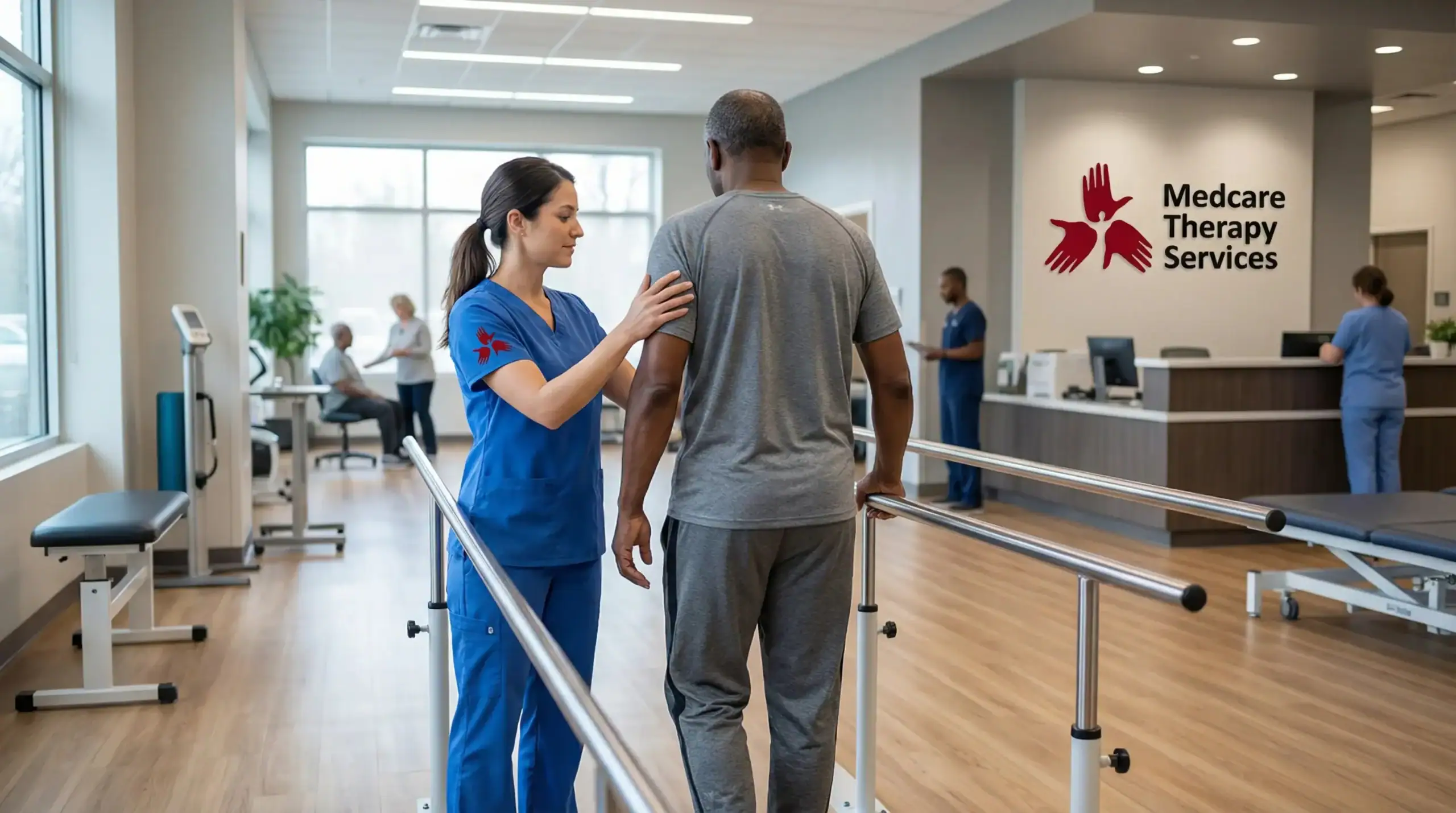
More than one in four older adults falls each year. On Long Island, the numbers are even higher. Nassau County ranks fourth in New York State for fall prevalence among older adults, and 88 percent of injury hospitalizations for adults over 65 in this county are due to falls. Suffolk County’s hospitalization rate due to falls exceeded the state average by 29 percent.
These aren’t just statistics. They’re your neighbors in Smithtown, Islandia, Hauppauge, and East Hampton. And the consequences go beyond bruises—falls lead to hip fractures, head injuries, hospital stays, and loss of independence. Balance and proprioceptive training can help improve stability, coordination, and confidence to reduce the risk of future falls.
Falling once doubles your chances of falling again. Among those aged 65 and over who have fallen, more than half will fall again within a year. That’s why early intervention matters. Physical therapy for fall prevention isn’t about waiting until after an injury. It’s about preventing the fall in the first place.
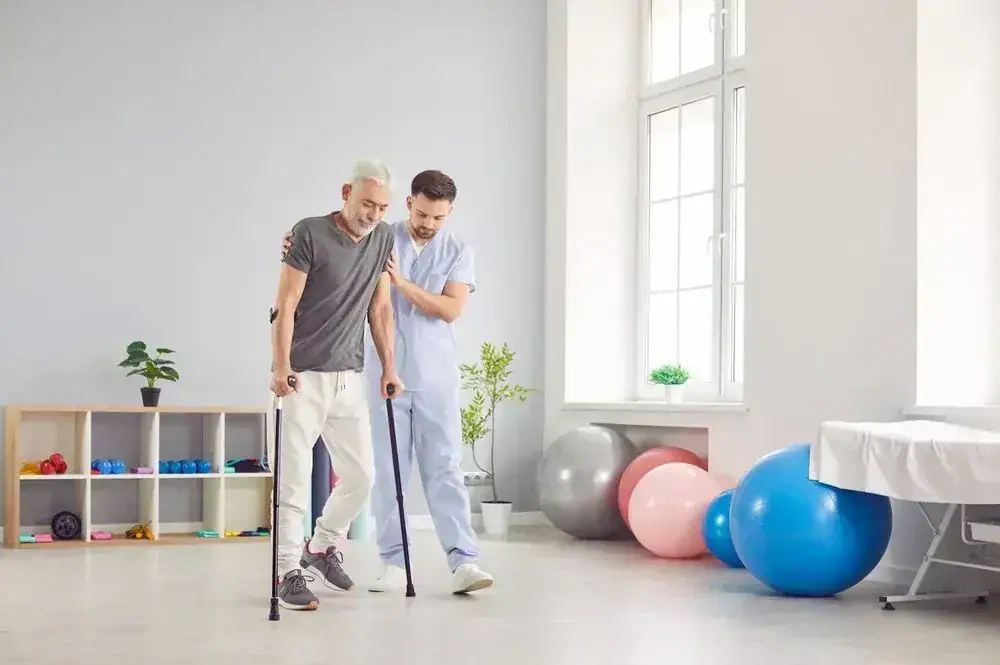
Falls don’t happen because you’re “getting old.” They happen because of specific risk factors, many of which can be identified and addressed. Understanding what increases your fall risk is the first step toward reducing it.
Muscle weakness is one of the biggest contributors. When your legs and core aren’t strong enough to support you through everyday movements—standing up, climbing stairs, reaching for something—you become unstable. Balance problems develop when the systems that help you stay upright (your vision, inner ear, muscles, and joints) aren’t working together effectively. Poor balance reactions mean your body can’t catch itself quickly when you stumble.
Gait abnormalities also increase fall risk. If you shuffle your feet, take uneven steps, or favor one leg over the other, you’re more likely to trip or lose your footing. Medications can cause dizziness, drowsiness, or drops in blood pressure that make you lightheaded when you stand. Vision problems make it harder to see obstacles, judge distances, or navigate stairs safely.
Then there’s your home environment. Loose rugs, poor lighting, clutter on the floor, uneven steps, lack of grab bars in the bathroom, slippery surfaces—these hazards are present in most homes, and they’re easy to overlook until someone falls. For Long Island residents, winter months bring additional risks. Ice, snow, and shorter daylight hours increase fall rates significantly.
The key is that most of these risk factors are modifiable. You can build strength. You can improve your balance. You can modify your home. And when you address multiple risk factors at once, your fall risk drops substantially.
Physical therapy for fall prevention targets the specific physical deficits that lead to falls. It’s not generic exercise. It’s a structured, evidence-based program designed to improve balance, strength, coordination, and walking patterns in ways that directly reduce your fall risk.
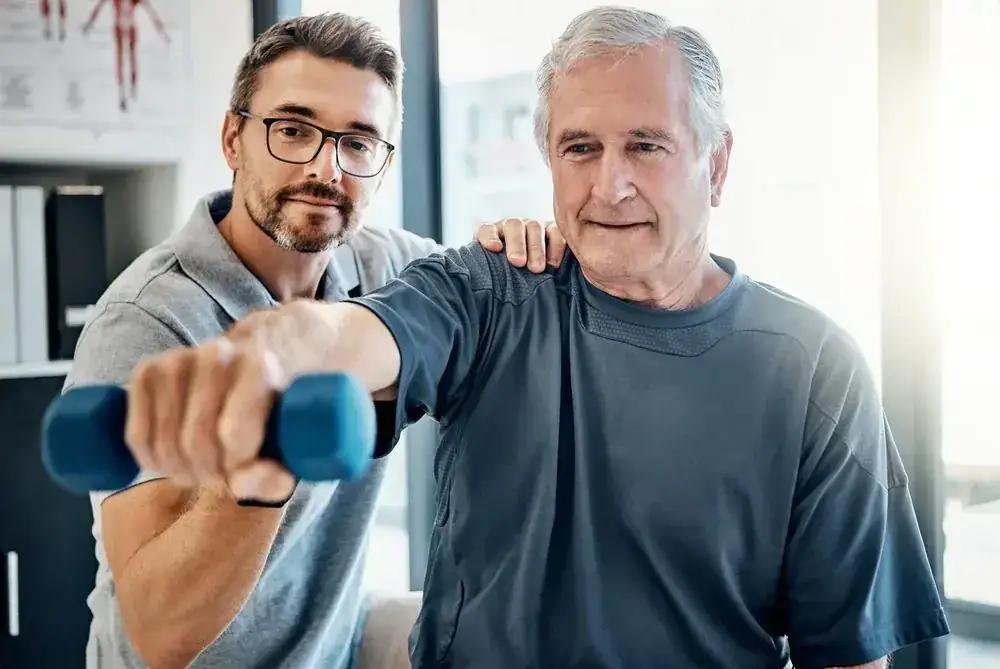
Balance training is at the core of fall prevention therapy. We work with you on both static balance (standing still without swaying) and dynamic balance (staying stable while moving). Exercises progress from simple to challenging—standing with feet together, standing on one foot, weight shifts, reaching in different directions, turning your head while standing. These exercises retrain your body’s automatic responses so you can catch yourself if you start to lose your balance.
Strength training focuses on the muscles that matter most for stability: your legs, hips, and core. Stronger muscles give you better control over your movements and make it easier to recover if you stumble. Gait training improves how you walk. We analyze your walking pattern and work with you to correct issues like shuffling, uneven steps, or poor posture. You’ll practice heel-to-toe walking, stepping over obstacles, walking on different surfaces, and turning safely.
Reaction time training helps your body respond faster when you lose your footing. This might involve practicing how to step quickly to catch your balance or how to get up from the floor safely if you do fall. Home safety assessments identify hazards in your environment. We walk through your home with you, pointing out loose rugs, poor lighting, furniture placement, bathroom risks, and other issues that could cause a fall.
Research shows that targeted balance exercises for seniors can reduce fall risk by 30 to 50 percent. Programs built around the Otago protocol have been shown to reduce falls by up to 37 percent and cut the risk of fractures by more than 60 percent. Evidence-based fall prevention programs that combine balance training, strength exercises, and home safety assessments can reduce fall risk by up to 35 percent.
The difference between physical therapy and doing exercises on your own is expertise. A licensed therapist knows which exercises are safe for your current ability level, how to progress them as you improve, and how to address your specific risk factors. We track your progress with standardized balance tests so you can see objective improvements over time.
Want live answers?
Connect with a Medcare Therapy Services expert for fast, friendly support.
Balance exercises for the elderly aren’t one-size-fits-all. They’re based on where you’re starting, what’s causing your instability, and what you need to feel secure again. The most effective programs use progressive exercises that start simple and gradually increase in difficulty as your balance improves.
We assess your current balance level and design exercises that challenge you without putting you at risk. Some exercises focus on maintaining your center of gravity while standing still. Others involve shifting your weight, reaching, or moving your head while staying balanced. As you get stronger, you’ll progress to more challenging variations.
The key is consistency. Most clients notice improvements in their confidence within the first 2-3 sessions, while measurable balance improvements typically occur within 4-6 weeks of consistent therapy. But balance training isn’t something you do once and forget. The improvements stick when you keep practicing.
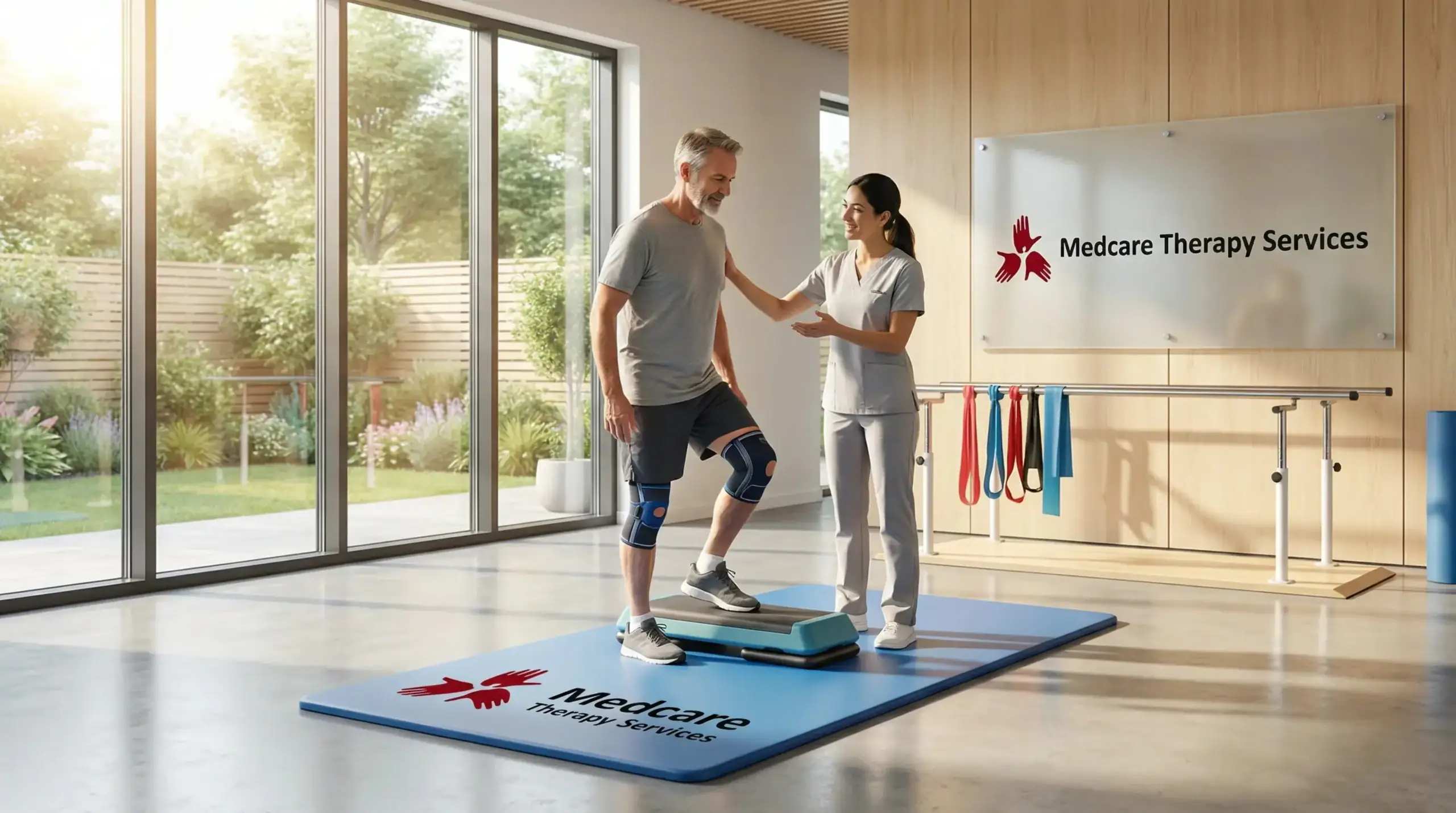
Balance training starts with an evaluation. We assess your strength, flexibility, walking pattern, and current balance using standardized tests. We ask about your medical history, medications, previous falls, and any situations where you feel unsteady. We also evaluate your home environment to identify fall hazards.
From there, we design a personalized program. Early sessions might focus on simple exercises like standing with feet together, weight shifts from side to side, or standing on one foot while holding onto a sturdy surface for support. As your balance improves, exercises become more challenging. You might practice standing on one foot without support, reaching in different directions while standing, walking heel-to-toe in a straight line, or turning your head while maintaining your balance.
We also work on functional movements—the actual activities you do every day. Getting up from a chair without using your hands. Walking to the bathroom in the dark. Reaching for something on a high shelf. Navigating stairs. Stepping over obstacles. These real-world scenarios are where falls actually happen, so practicing them in a controlled environment makes a huge difference.
Each session builds on the previous one, progressively challenging your balance and strength in a safe, controlled way. You’ll also get exercises to do between visits. Consistency is what drives results. The CDC and other research groups recommend balance exercises at least three days per week for 45 minutes or more. If you’re doing less than that, progress will be slower. If you stop entirely, you’ll lose what you’ve gained.
The goal isn’t to make you an athlete. It’s to help you move through your day without constantly calculating risk. When your legs are stronger and your balance is sharper, you move with less fear and more control. You stop second-guessing every step. Walking to the mailbox, getting up at night, reaching for something on a shelf—these everyday movements stop feeling risky.
That shift in confidence matters just as much as the physical improvements. When you’re not afraid of falling, you move more. You stay active. You keep doing the things that make life worth living. Research shows that balance and coordination exercises improve not just physical function but also mental health, memory, and overall quality of life in older adults.
Most falls happen at home. That’s why home safety assessments are a critical part of fall prevention. We identify specific hazards in your environment and give you practical recommendations for reducing risk.
Start with lighting. Make sure every room, hallway, and stairway is well-lit. Use nightlights to create a clear path from your bedroom to the bathroom. Install light switches at both the top and bottom of stairs, or consider motion-sensor lights that turn on automatically. Poor lighting is one of the most common contributors to falls, especially at night.
Remove tripping hazards. Get rid of throw rugs or use non-slip backing to secure them. Clear clutter from floors and hallways. Make sure electrical cords are tucked away along walls, not stretched across walkways. Fix loose floorboards, uneven steps, or torn carpeting immediately.
In the bathroom, install grab bars near the toilet and in the shower or tub. Use non-slip mats in the tub and on the bathroom floor. Consider a shower chair if standing for long periods is difficult. Make sure your toilet is at a comfortable height—you can add a raised seat if needed.
On stairs, make sure handrails are secure on both sides. Use contrasting tape on the edge of each step to make them more visible. Never leave objects on the stairs, even temporarily. If you have outdoor steps, keep them clear of ice and snow during winter months.
In the kitchen, store frequently used items at waist level so you don’t have to reach high or bend low. Use a sturdy step stool with a handrail if you need to reach upper cabinets—never stand on chairs or boxes. Clean up spills immediately.
Arrange furniture to create clear pathways at least 36 inches wide. Make sure chairs and sofas are at a height that makes it easy to stand up. Remove low coffee tables or ottomans that are easy to trip over. Secure loose wires from lamps, phones, and other devices.
Wear supportive, non-slip footwear at all times, even indoors. Avoid walking in socks or slippers without grip. Make sure your shoes fit properly and provide good support.
Keep a phone within reach, especially in the bedroom and bathroom. If you live alone, consider a medical alert system that can call for help if you fall and can’t get up. Review your medications with your doctor regularly. Some medications cause dizziness, drowsiness, or drops in blood pressure that increase fall risk.
These modifications don’t have to be expensive or complicated. Many are simple changes that make a big difference. And when you combine home safety improvements with balance and strength training, your fall risk drops substantially.
Falls are preventable. That’s the most important thing to understand. You don’t have to accept fear and restriction as part of getting older. With the right combination of balance training, strength work, gait training, and home safety modifications, you can reduce your fall risk and stay independent at home longer.
Physical therapy gives you the tools, expertise, and support you need to make real progress. Whether you’ve already fallen or you’re just noticing changes in your balance, starting now means you’re taking control before a serious injury happens. In-home therapy brings that expertise directly to you, eliminating transportation barriers and allowing us to assess the environment where you actually live.
If you’re ready to reduce your fall risk and regain confidence in your movements, we provide in-home physical therapy across Suffolk County and Nassau County. Our licensed therapists specialize in fall prevention for seniors and work with you to create a personalized plan that fits your needs and goals.
Summary:

Article details:
Share: