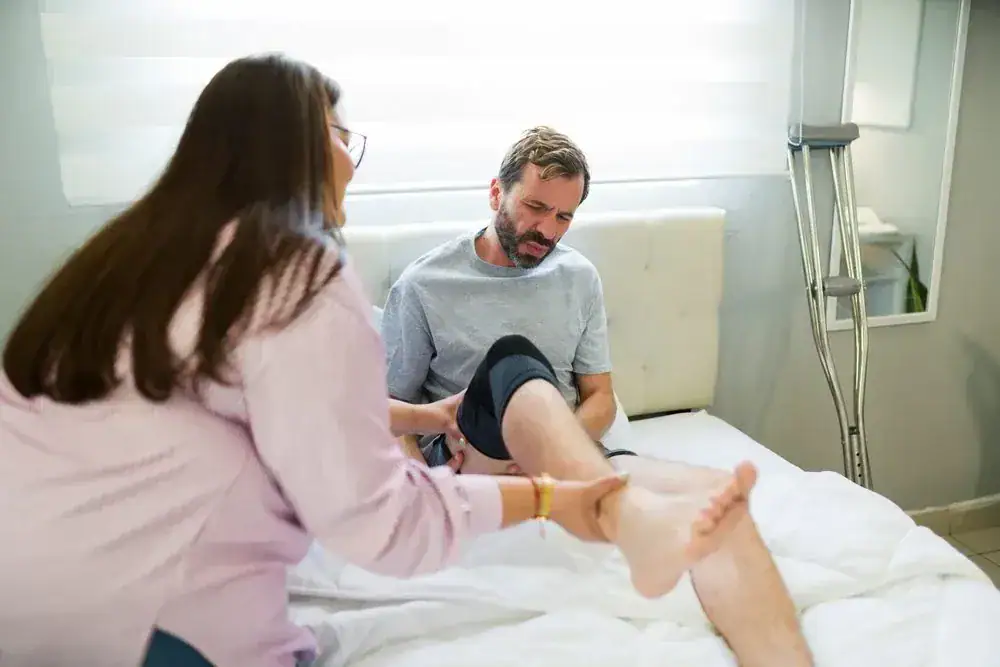
A physical therapist's perspective on home safety goes beyond generic checklists—it identifies your specific fall risks and creates an actionable plan to keep you steady, confident, and independent.
You’ve noticed it. That split second of hesitation before you stand up. The way you reach for the wall in the hallway. Maybe you’ve had a close call, or maybe you’re just not as steady as you used to be.
Here’s what most people don’t realize: your home—the place where you feel safest—is also where most falls happen. Over half of all falls occur at home, not because you’re careless, but because small hazards you’ve stopped noticing become serious risks when your balance or strength changes.
Physical therapists who specialize in fall prevention don’t just hand you a generic checklist. We assess how you move, identify why you’re at risk, and create a fall prevention program that actually works for your body and your home. Let’s walk through what that looks like.
Most home safety checklists tell you to remove throw rugs and add grab bars. That’s not wrong, but it’s incomplete.
A physical therapist looks at fall prevention from two angles: your body and your environment. Because the truth is, even a perfectly safe home won’t prevent falls if your legs are weak, your balance is off, or your gait has changed. And even if you’re relatively strong, certain environmental hazards can catch anyone off guard.
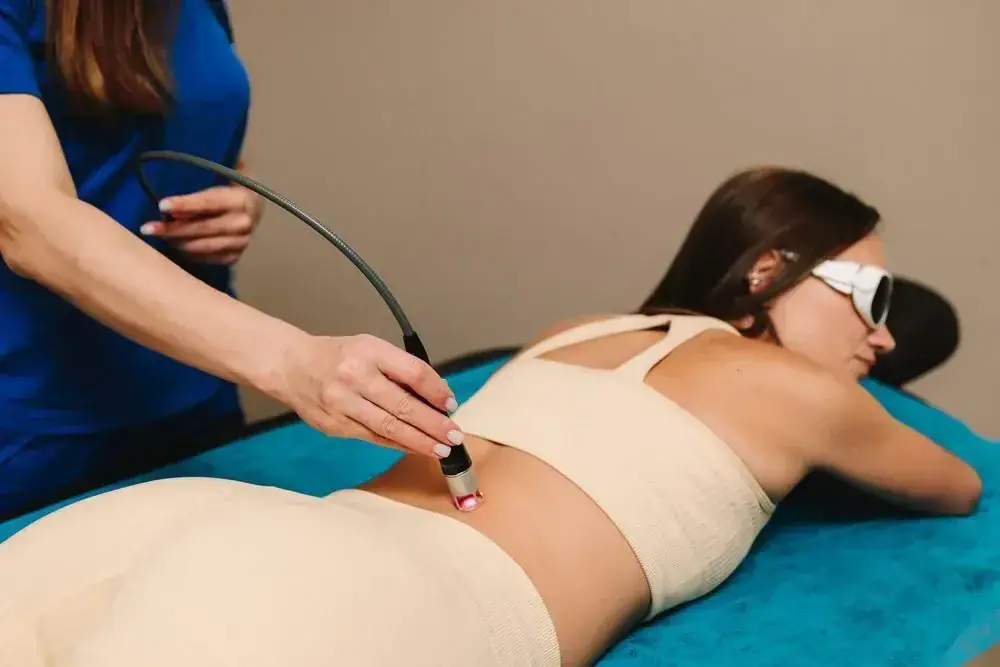
When you work with a physical therapist for fall prevention in Suffolk County, NY or Nassau County, NY, the process starts with understanding your specific fall risk factors. That means evaluating your strength, balance, coordination, medications, and medical history. Then it moves to your home—the actual space where you live and move every day. This personalized approach to fall risk assessment identifies what’s actually putting you in danger, not what a generic list says might be a problem. If pain or inflammation is limiting your mobility, your therapist may also recommend laser therapy to support healing and help you move with greater confidence.
A fall risk assessment isn’t a quick walk-through. It’s a comprehensive evaluation that gives you a clear picture of where you stand—literally.
Your physical therapist will test your balance using specific movements that reveal how your body responds to shifts in weight and position. We’ll assess your leg strength, because weak muscles make it harder to catch yourself when you stumble. We’ll watch your gait, looking for patterns that increase fall risk, like shuffling, uneven steps, or difficulty turning.
We’ll also review your medications. Some prescriptions cause dizziness, drowsiness, or blood pressure changes that make falls more likely. Your therapist won’t change anything—that’s your doctor’s role—but we’ll make sure you’re aware of potential side effects and can have that conversation.
Then comes the home safety assessment. This is where you walk through each room together, identifying hazards you might not have noticed. Loose rugs. Poor lighting. Stairs without handrails. Bathroom surfaces that get slippery when wet. Furniture arranged in ways that block your path or force you to navigate tight spaces.
The goal isn’t to make your home feel like a hospital. It’s to make smart, targeted home modifications that reduce your fall risk without sacrificing comfort or independence. Small adjustments—better lighting, removing tripping hazards, adding a grab bar where you actually need support—can dramatically lower your chances of falling.
What sets this apart from a DIY checklist is the personalization. Your physical therapist isn’t guessing. We’re observing how you move through your space, where you compensate, and what specific factors put you at risk. That means the recommendations you get are tailored to your body, your home, and your daily routine. For seniors in Nassau County, NY and Suffolk County, NY, this individualized approach addresses the unique challenges of Long Island housing—split-level homes, narrow bathrooms, basement stairs, and older housing stock that wasn’t designed with aging in place in mind.
Every room in your home has different risks, and a physical therapist trained in fall prevention knows exactly what to look for.
In the bathroom, it’s not just about grab bars—though those matter. It’s about wet surfaces, the height of your toilet, how you get in and out of the shower, and whether you have a bath mat that actually stays in place. Bathrooms are where a lot of serious falls happen because hard surfaces and slippery conditions create the perfect storm. Your therapist will check for adequate lighting, recommend non-slip mats for the shower floor, and identify where grab bars should go based on how you actually use the space.
Your bedroom might seem safe, but physical therapists pay attention to lighting, especially the path from your bed to the bathroom at night. We look at the height of your bed—too high or too low makes it harder to get up safely. We check for clutter on the floor, loose rugs, and whether your nightstand is within easy reach so you’re not stretching or leaning in ways that throw off your balance. Nightlights along your path can prevent falls during those middle-of-the-night bathroom trips when you’re still half asleep.
Stairs are an obvious risk, but the details matter. Are there handrails on both sides? Do they extend the full length of the stairs? Is the lighting adequate at the top and bottom? Are the steps even, or are some worn down or damaged? Physical therapists also watch how you navigate stairs, because your technique matters as much as the structure itself. If you’re hesitant, gripping the rail too tightly, or looking down at your feet the whole time, those are signs that your balance or strength needs work.
The kitchen brings its own challenges. Spills on tile or hardwood floors. Items stored too high, forcing you to reach or use unstable step stools. Rugs near the sink that can slide when wet. If you’re cooking while fatigued or distracted, those risks multiply. Your therapist will recommend keeping frequently used items at waist height, using a sturdy step stool with a handle if you must reach high shelves, and wiping up spills immediately.
Living areas often have furniture arrangements that looked fine when you were more mobile but now create obstacles. Coffee tables you have to navigate around. Electrical cords running across walkways. Low seating that’s difficult to get out of. Dim lighting that makes it hard to see changes in floor level or objects in your path. Throw rugs that slide or bunch up underfoot.
What makes a physical therapist’s home safety evaluation valuable is that we’re not just listing hazards—we’re connecting those hazards to your specific movement patterns and limitations. If you have trouble lifting your feet when you walk, even a small threshold or rug edge becomes a tripping hazard. If your balance is compromised, a chair without armrests makes standing up riskier. The recommendations you receive are based on how your body actually functions, not generic advice that may or may not apply to your situation.
Want live answers?
Connect with a Medcare Therapy Services expert for fast, friendly support.
Fixing your environment is half the equation. The other half is addressing what’s happening with your body.
Balance training is the most effective intervention for preventing falls, and it’s something physical therapists specialize in. You’ll do balance exercises that challenge your stability in controlled, progressive ways—standing on one leg, shifting your weight, walking heel-to-toe, practicing how to catch yourself if you start to lose balance. These aren’t complicated moves. They’re functional exercises designed to retrain the systems that keep you upright.
Strength training focuses on the muscles that keep you steady: your legs, hips, and core. Weak muscles make it harder to recover when you stumble. Building strength in those areas gives you the physical capacity to stay stable and react quickly when your balance is challenged. Your physical therapist will design strength exercises appropriate for your current ability level, whether that’s chair squats, leg lifts, or resistance band work.
Gait training improves how you walk. If you shuffle, favor one leg, or have an uneven stride, those patterns increase fall risk. Your therapist will work with you to retrain your walking mechanics, making your movements more efficient and stable. You’ll practice in your actual environment—your hallway, your stairs, your driveway—so the improvements translate directly to your daily life.

Fall prevention therapy typically runs 8 to 12 weeks, depending on your baseline stability and specific risk factors. You’ll meet with your physical therapist two to three times per week initially, with sessions focused on building strength, improving balance, and practicing functional movements.
Early on, the exercises might feel too easy or too hard. That’s normal. Your therapist is calibrating to your current ability and will progressively increase difficulty as your body adapts. The goal isn’t to make you an athlete—it’s to make everyday movements feel natural and safe again. Getting up from a chair. Walking to the mailbox. Navigating your stairs. Reaching for items on a shelf.
You’ll also get a home exercise program to do between sessions. Consistency matters. The improvements you see come from regular, repeated practice, not just what happens during your appointments. Your therapist will teach you the exercises, make sure you’re doing them correctly, and adjust the program as you get stronger. These fall prevention exercises for the elderly are designed to be simple enough to do on your own but effective enough to create real change.
Most people start noticing improvements within three to four weeks. You’ll feel steadier on your feet. Walking won’t require as much concentration. Getting up from a chair or navigating stairs will feel less risky. That doesn’t mean you’re done—it means the work is paying off and you should keep going.
Research shows that fall prevention programs combining balance training, strength exercises, and home safety modifications can reduce fall risk by 30 to 50 percent. That’s not a small number when you consider the consequences of falling. A broken hip. A head injury. Loss of independence. Hospitalization. The fear that follows you even after you’ve healed.
Physical therapy gives you the tools to prevent those outcomes. It’s not about living in fear or restricting your activities. It’s about building the physical capacity and environmental safety that let you move confidently through your home and your life. For older adults in Suffolk County, NY and Nassau County, NY, evidence-based programs like Otago fall prevention have documented effectiveness in reducing both the number of falls and the severity of injuries when falls do occur.
If you’re on Medicare, fall prevention therapy is typically covered when it’s medically necessary. That includes situations where you’ve had a recent fall, you’re experiencing balance problems, or your doctor determines you’re at high risk for falling.
Medicare Part B covers physical therapy when it’s prescribed and delivered by a licensed professional. You’ll pay 20 percent of the Medicare-approved amount after you’ve met your deductible. If you have a Medicare Supplement plan, it may cover that 20 percent, reducing your out-of-pocket costs even further. Most patients pay little to nothing for their sessions after meeting their deductible.
For residents of Suffolk County, NY and Nassau County, NY, access to in-home physical therapy makes fall prevention more practical. You don’t have to worry about transportation when you’re already unsteady. Your therapist comes to you, evaluates your movement in your actual living space, and builds a treatment plan around your environment and routine.
In-home therapy also means your fall prevention work happens where it matters most. You’re not practicing balance exercises in a clinic and then trying to apply them at home. You’re training in the hallway you walk every day, on the stairs you actually use, in the bathroom where you shower. That real-world application makes the improvements more effective and longer-lasting. Your therapist can spot hazards in your specific living environment and recommend targeted home modifications that address your actual risks.
We provide Medicare-covered fall prevention therapy throughout Suffolk and Nassau Counties. Our team includes licensed physical therapists with specialized training in geriatric care and evidence-based fall prevention protocols. We handle all the insurance paperwork, verify your coverage before starting treatment, and work directly with your doctor to coordinate care.
You’re not a number. You get the same therapist each visit, someone who knows your progress and adjusts your plan as you improve. The focus stays on your goals—whether that’s walking without fear, staying in your home, or getting back to activities you’ve been avoiding. Since 2010, we’ve been helping Long Island seniors maintain independence through personalized, professional care delivered right where they need it most.
Falls don’t have to be inevitable. The hesitation you feel, the close calls, the fear that’s starting to limit what you do—those are signals that it’s time to take action.
A physical therapist’s approach to fall prevention addresses both sides of the equation: strengthening your body through balance training and targeted exercises, and making your home safer through professional assessment and practical modifications. You get a personalized fall risk assessment, a treatment plan built around your specific risks, and professional guidance that actually reduces your chances of falling.
If you’re in Suffolk County, NY or Nassau County, NY and you’re concerned about balance, stability, or fall risk, we can help. Our licensed therapists provide in-home fall prevention therapy that’s covered by Medicare, convenient, and focused on keeping you safe and independent in your own home.
Summary:


Article details:
Share: