Cupping therapy creates a pulling sensation, not sharp pain. Most people find it relaxing, with mild soreness afterward similar to a deep massage.
You’ve probably seen those circular marks on athletes and wondered what they’re from—and whether getting them hurts. Cupping therapy has become a go-to recovery tool for everyone from Olympic swimmers to people dealing with chronic back pain. But if you’re considering it, you’re likely asking the same question most people do: does cupping actually hurt?
The short answer is no, not in the way you might think. What you feel during cupping is different from pain. It’s a pulling sensation, a deep pressure that can feel intense but rarely crosses into discomfort. For most people, it’s surprisingly relaxing. Here’s what actually happens during a cupping session and what you can realistically expect.
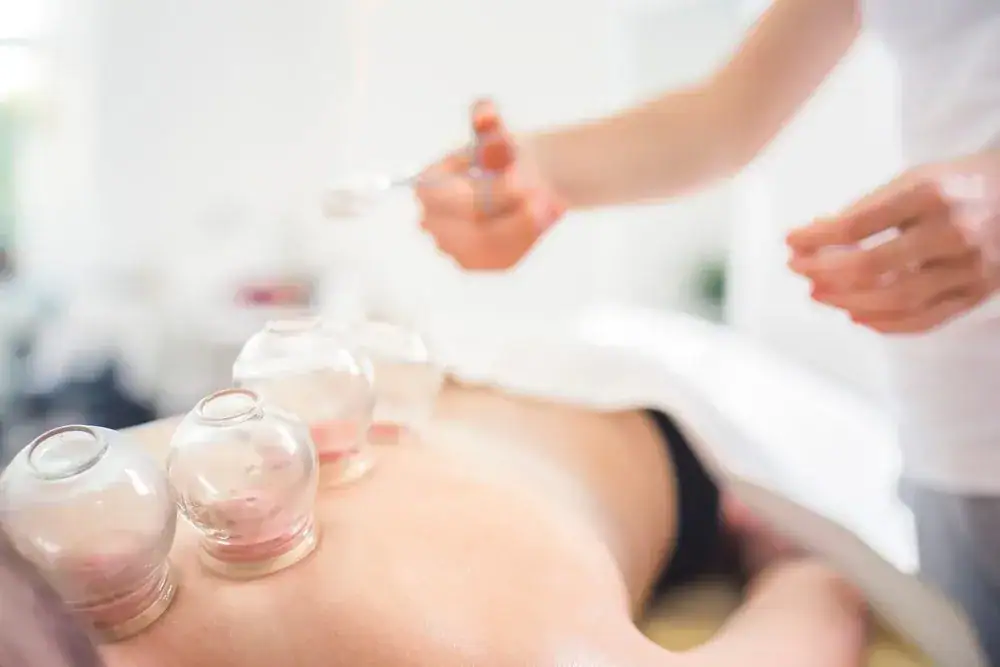
Cupping therapy is a technique where a physical therapist or trained practitioner places specialized cups on your skin to create suction. The cups can be made of glass, silicone, or plastic, and the suction is created either through heat or a manual pump. This negative pressure pulls your skin and underlying tissue upward into the cup.
Unlike massage, which presses down into muscles, cupping lifts tissue away from the body. This decompression effect—sometimes called myofascial decompression—increases blood flow to the area, helps release tight fascia, and can reduce muscle tension. Physical therapists often use dry cupping, a non-invasive method that doesn’t involve any cuts or bloodletting, as part of a broader treatment plan for pain relief, injury recovery, and improved mobility.
The practice has roots in ancient Chinese and Middle Eastern medicine, but it’s been adapted for modern rehabilitation settings across Suffolk and Nassau County, NY. Today, licensed physical therapists use cupping alongside therapeutic exercise, manual therapy, and other evidence-based treatments to help patients recover faster and move better.
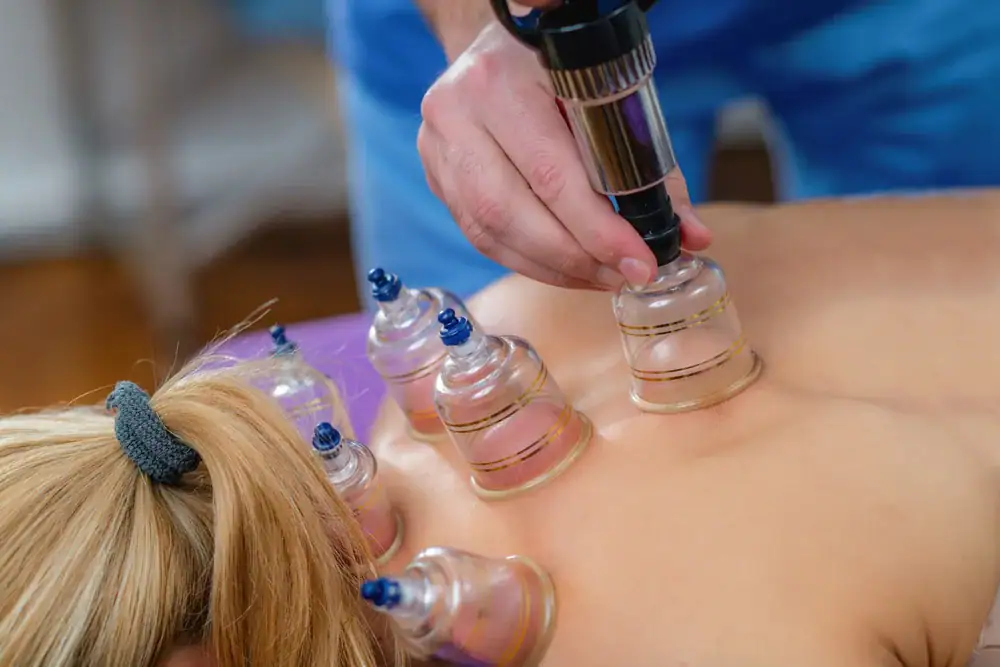
When the cups are first applied, you’ll feel a tight pulling sensation as your skin is drawn upward. It’s not a pinch or a sting—it’s more like someone gently tugging on your skin and holding it there. Some people describe it as similar to a deep tissue massage, where there’s pressure but it doesn’t cross into sharp pain.
The intensity depends on how much suction is used. Your physical therapist will adjust the pressure based on your comfort level and the area being treated. If your muscles are especially tight or sore—common in areas like the neck, shoulders, or lower back—you might feel more sensitivity in those spots. That’s normal. The pulling sensation tells you the therapy is working to release restrictions in the tissue.
Most people find cupping relaxing once they get used to the feeling. The cups typically stay in place for five to fifteen minutes, though some therapists use a technique called “moving cupping” or “massage cupping” where they glide the cups across your skin with oil or lotion. This creates a massage-like effect and can feel even more soothing.
During the session, you might notice warmth in the area as blood flow increases. Some people feel a tingling sensation or slight throbbing. These are all normal responses. If anything feels sharp, burning, or unbearable, tell your therapist immediately so they can adjust the suction or reposition the cups.
The key difference between cupping and pain is this: cupping shouldn’t make you tense up or want to stop. It’s a unique sensation, yes. But for most people, it’s tolerable and even pleasant. Think of it like stretching a tight muscle—there’s a feeling of release that can be intense but ultimately relieving. Athletes recovering from intense training and older adults managing chronic pain both report that the sensation is manageable and worth the relief that follows.
One of the most recognizable aspects of cupping therapy is the circular marks it leaves behind. These marks can range from light pink to dark purple, and they’re often mistaken for bruises. But they’re not the same thing.
A bruise happens when tissue is damaged and blood leaks into the surrounding area. Cupping marks, on the other hand, are caused by increased blood flow to the surface of the skin. The suction pulls blood vessels closer to the skin, and in some cases, tiny capillaries break under the pressure. This creates the distinctive circular pattern where the cup was placed.
The color and intensity of the marks can vary depending on several factors. If you have a lot of tension or restriction in a particular area—say, your upper back from sitting at a desk all day—the marks there might be darker. Areas with better circulation and less stagnation tend to show lighter marks. The amount of suction used and how long the cups stay in place also affect the appearance.
These marks are not painful to the touch for most people. You might feel slight tenderness in the area, similar to how your muscles feel after a good workout. The marks typically fade within three to ten days, though this can vary based on your skin type and how your body responds to the treatment.
It’s worth noting that the marks are a normal part of the process and indicate that blood flow has been stimulated in the area. They’re not a sign that something went wrong. However, if you’re concerned about visible marks—especially if you have an event coming up or work in a professional setting where they might raise questions—let your physical therapist know beforehand. They can adjust the intensity or place cups in areas that are easier to cover with clothing.
Some people worry about what others will think when they see the marks. If you’re asked about them, a simple explanation that they’re from a physical therapy treatment usually clears up any confusion. The marks fade on their own without any special care, though staying hydrated and avoiding intense exercise for a day or two after treatment can help your body recover more comfortably.
Want live answers?
Connect with a Medcare Therapy Services expert for fast, friendly support.
After a cupping session, your body continues to respond to the treatment. Most side effects are mild and temporary, fading within a few hours to a couple of days. Understanding what’s normal helps you know when to rest and when to reach out to your physical therapist.
The most common post-treatment feeling is mild soreness in the areas where cups were placed. This is similar to the muscle soreness you might feel after a deep massage or a new workout. Your tissue has been stimulated, blood flow has increased, and your body is working to repair and rebalance itself.
Some people feel tired or a bit lethargic after cupping. This is your body’s way of telling you it needs rest to process the treatment. Listen to that signal. Avoid strenuous activity for the rest of the day, drink plenty of water, and give yourself permission to take it easy.
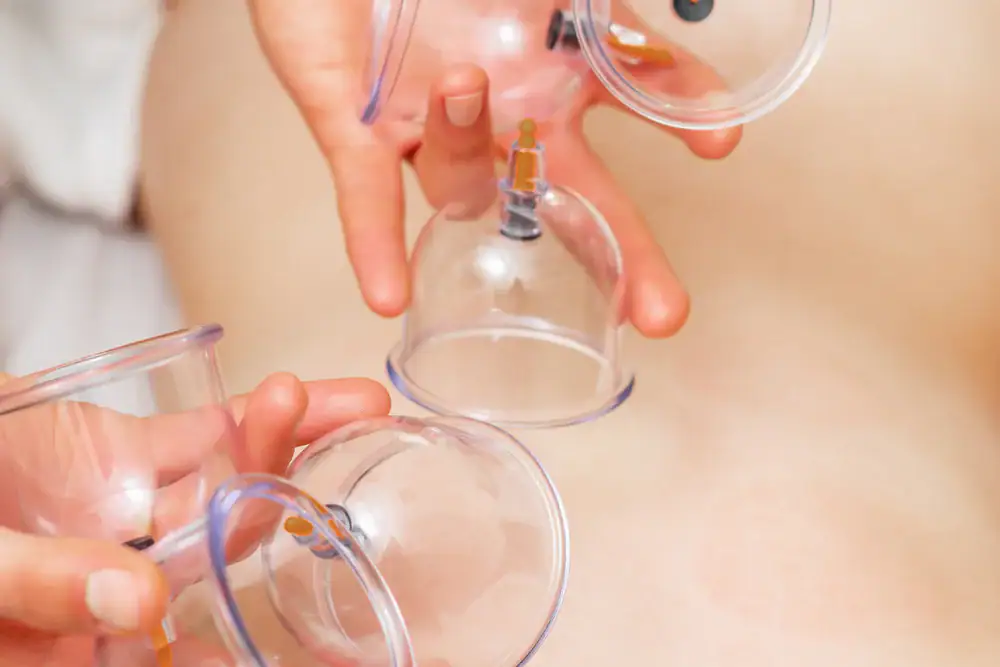
Beyond soreness and fatigue, there are a few other side effects that can occur after cupping therapy. These are generally short-lived and not cause for concern.
Mild headaches can happen, usually within an hour or two of treatment. This is often related to the release of metabolic waste as circulation improves. The headache typically resolves on its own without medication. Drinking water and resting can help your body process these changes more smoothly.
Some people experience slight dizziness or lightheadedness after a session. This is more common if you’re new to cupping or if you had a longer session with multiple cups. If you feel lightheaded, sit down and wait until it passes before driving or doing anything that requires full alertness. This is especially important for older adults or those who already experience balance issues—if you’re working with a physical therapist on fall prevention, mention any dizziness so they can adjust future sessions.
Nausea is less common but can occur as your body adjusts to the increased circulation and fluid movement. This feeling usually fades quickly. If it persists or becomes severe, contact your physical therapist.
You might also notice a tingling or itching sensation in the treated areas. This is a sign that blood flow has increased and the tissue is responding to the therapy. It’s not harmful and should subside within a day or two.
Skin irritation can occur in rare cases, especially if you have sensitive skin or an allergy to materials used during the session. If you notice redness, swelling, or blistering beyond the normal circular marks, let your therapist know. Proper technique and clean equipment minimize this risk significantly. Licensed physical therapists follow strict hygiene protocols to prevent infection and ensure safe treatment.
What matters most is that these side effects should be mild and manageable. If you experience severe pain, signs of infection such as warmth, pus, or spreading redness, or symptoms that worsen instead of improve, seek medical attention. These are not typical responses to cupping and may indicate a complication that needs to be addressed.
While cupping is generally safe for most people, there are certain conditions and situations where it’s not recommended. Your physical therapist will screen you before treatment to make sure cupping is appropriate for your situation.
If you’re pregnant, cupping should be avoided on your abdomen and lower back. The effects on pregnancy haven’t been thoroughly studied, so it’s better to err on the side of caution. Other areas may be safe to treat, but always discuss this with both your therapist and your doctor.
People with bleeding disorders like hemophilia or those taking blood thinners should avoid cupping. The suction can cause small blood vessels to break, which could lead to excessive bleeding or bruising in people whose blood doesn’t clot normally. If you’re on medications like warfarin, aspirin, or newer anticoagulants, let your therapist know before starting treatment.
Active skin infections, open wounds, or conditions like eczema and psoriasis in the treatment area are contraindications for cupping. The suction and pressure can worsen these issues or spread infection. Wait until the skin has healed before trying cupping in those areas.
Certain cardiovascular conditions, including heart disease or a history of blood clots, may make cupping unsafe. If you have a pacemaker or have had a stroke, discuss these with your physical therapist before proceeding. They’ll assess whether the benefits outweigh the risks in your specific case.
People with very fragile skin—such as older adults with thin, delicate skin—may need extra caution. The suction can cause more pronounced marks or even small tears in fragile tissue. Your therapist can adjust the intensity or choose alternative treatments if needed. This is one reason why working with experienced providers matters, especially for seniors receiving in-home physical therapy.
If you have any chronic health conditions or are unsure whether cupping is safe for you, have an open conversation with your physical therapist. They can review your medical history, explain the risks, and help you decide whether cupping fits into your overall treatment plan. Being honest about your health ensures you get care that’s both effective and safe.
Cupping therapy doesn’t hurt the way most people fear it will. The sensation is unusual—a pulling, pressure-like feeling that can be intense but rarely painful. For most people, it’s tolerable and even relaxing. The circular marks it leaves fade on their own within a week or so, and side effects like soreness or fatigue are mild and temporary.
What makes cupping effective is how it works with your body’s natural healing processes. By increasing blood flow, releasing fascial restrictions, and reducing muscle tension, it can help decrease pain, improve mobility, and speed recovery when used as part of a comprehensive physical therapy plan. It’s not a standalone solution, but it’s a valuable tool for many people dealing with muscle tension, chronic pain, sports injuries, or recovery after surgery.
If you’re curious whether cupping could help with your specific situation, reach out to us at Medcare Therapy Services. We work with patients across Suffolk County, NY and Nassau County, NY, providing personalized care that combines proven techniques with the convenience of in-home treatment. You’ll get honest answers, professional guidance from licensed physical therapists, and a treatment plan built around your goals—not someone else’s.
Summary:
Article details:
Share: