In-home physical therapy brings expert care directly to seniors across Long Island, eliminating transportation barriers while improving mobility, balance, and independence in the comfort of home.
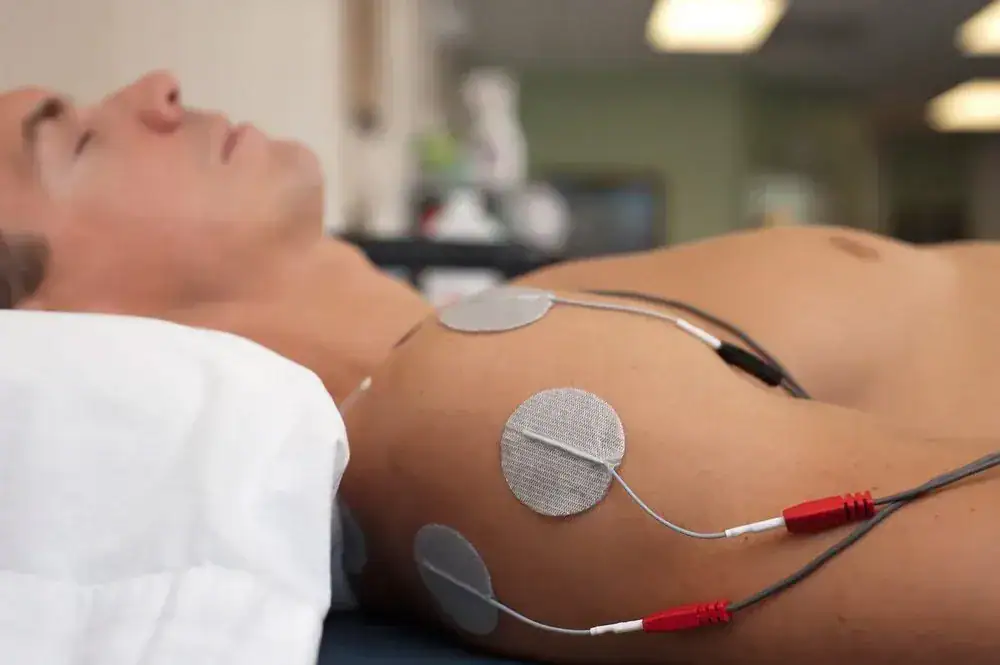
Getting older doesn’t mean giving up your independence. But when mobility becomes harder, pain shows up more often, or balance feels less certain, the question isn’t whether you need help—it’s how to get it without disrupting your life.
Traditional physical therapy clinics require transportation, waiting rooms, and appointments that eat up your day. For many seniors across Suffolk and Nassau County, NY, that’s not just inconvenient. It’s a barrier.
In-home physical therapy changes that equation. Your physical therapist comes to you, works with you one-on-one in your actual environment, and builds a plan around your goals. Let’s talk about what that looks like and why it’s becoming the preferred choice for Long Island seniors who want to stay active, safe, and home.
In-home physical therapy isn’t just convenient—it’s strategic. When your physical therapist evaluates your movement in the rooms where you actually live, they see what a clinic can’t. The hallway you walk every morning. The stairs you need to climb. The bathroom where balance matters most.
Treatment happens where it counts. Fall prevention isn’t practiced on generic equipment. It’s built around your furniture, your floors, your real risks. Gait training uses your actual stairs, not someone else’s. Every exercise, every adjustment, every recommendation gets tailored to the space you navigate daily.
You also get undivided attention. No rotating between three other patients. No waiting for equipment. Just you and a licensed physical therapist focused entirely on your progress for the full session.
Falls are the leading cause of injury among older adults in Nassau County, with 88 percent of injury hospitalizations for adults over 65 resulting from falls. That’s not a statistic to ignore. But here’s what matters more: structured balance and strength training can reduce your fall risk by 30 to 50 percent.
In-home physical therapy uses evidence-based programs specifically designed for fall prevention. The Otago Exercise Program, for example, combines targeted balance work, strength training for legs and core, and proprioceptive exercises that retrain how your body senses position and movement. Your physical therapist adapts every element to your current ability and progressively increases difficulty as you improve.
You’ll do exercises that challenge stability in controlled ways—standing on one leg, shifting weight side to side, walking heel-to-toe, practicing how to catch yourself if your balance wavers. These aren’t complicated. They’re functional movements that mirror real life. Chair squats build the leg strength you need to stand up safely. Resistance band work strengthens stabilizing muscles. Stepping over objects trains your body to navigate obstacles without hesitation.
The real advantage of working at home is that your therapist can assess actual hazards in your environment. Loose rugs, poor lighting, furniture placement that blocks pathways—all of these get addressed as part of your treatment plan. You’re not just getting stronger. You’re making your home safer while building the physical capability to move through it confidently.
Most patients notice improvements in balance and confidence within three to four weeks of consistent treatment. Fall prevention therapy typically runs eight to twelve weeks, depending on your baseline stability and specific risk factors. The 30 to 50 percent risk reduction you see in research comes from programs that combine multiple elements over time, not from a few isolated sessions.
Medicare Part B covers outpatient physical therapy when it’s medically necessary, and in-home services qualify when you meet the homebound criteria. Homebound doesn’t mean bedridden. It means leaving your home requires considerable effort due to illness, injury, or disability. If you need assistance getting to a car, use a walker or wheelchair, have severe pain with movement, or face high fall risk, you likely qualify.
Your doctor certifies that you meet this requirement, and your physical therapist coordinates with Medicare on your behalf. You’ll pay 20 percent of the Medicare-approved amount after meeting your deductible. If you have a Medicare Supplement plan, it may cover that 20 percent. Most commercial insurance plans also cover home-based therapy, though copays and visit limits depend on your specific plan.
Before your first visit, coverage gets verified so you know exactly what to expect. No surprise bills. No confusion about what’s included. The goal is removing barriers to care, not creating new ones. Medicare does have guidelines about what qualifies as medically necessary, and there are annual caps on therapy services, though exceptions can be made if your condition requires continued treatment.
If you’re recovering from surgery, dealing with severe arthritis, managing neurological issues affecting mobility, or experiencing balance problems that increase fall risk, you likely qualify for coverage. The key is that your therapy must be prescribed by a physician and delivered by licensed professionals—both of which are standard parts of the process.
What gets covered? Physical therapy sessions include evaluation, hands-on treatment, therapeutic exercise, balance training, gait training, pain management techniques, and patient education. Your treatment plan addresses your specific condition, whether that’s post-surgical rehabilitation, stroke recovery, joint pain management, or fall prevention. Equipment needed for therapy is brought by your therapist, and any recommended assistive devices or home modifications are discussed as part of your care plan.
Want live answers?
Connect with a Medcare Therapy Services expert for fast, friendly support.
Physical therapy for seniors goes beyond basic exercise. It’s about restoring function, reducing pain, and rebuilding confidence in your body’s ability to move safely. The techniques used depend on your specific needs, but several approaches have proven especially effective for older adults dealing with mobility challenges, chronic conditions, or recovery from injury.
Manual therapy, therapeutic exercise, neuromuscular re-education, and specialized techniques like cupping all play roles in comprehensive treatment. Your physical therapist selects and adapts methods based on what your body needs, what your goals are, and how you respond to treatment. Let’s look at how these techniques work and what they accomplish.
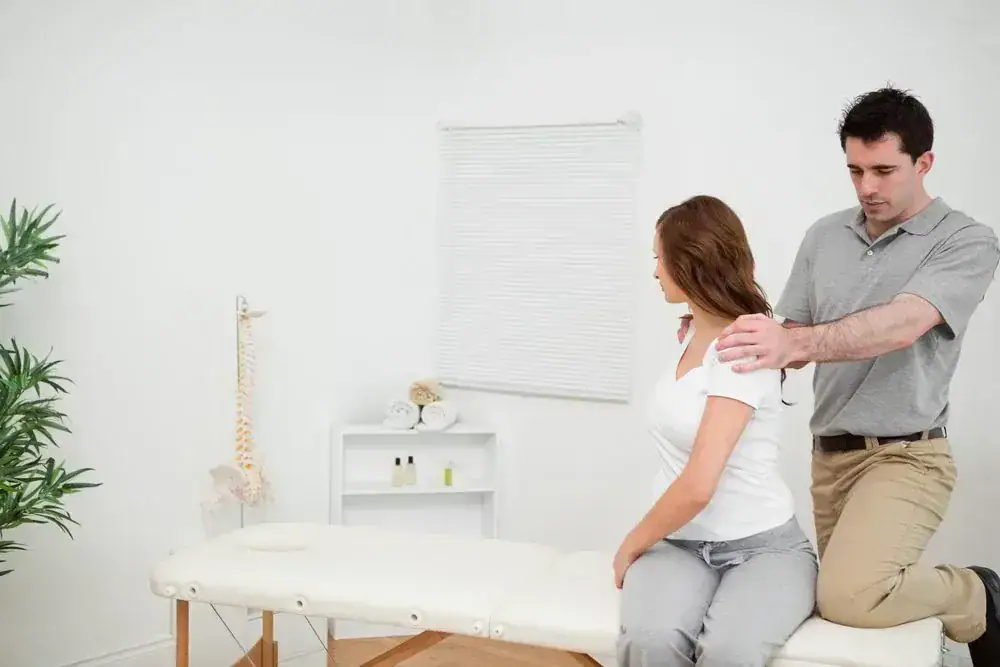
Cupping therapy has gained attention in recent years, but it’s been used for thousands of years to address pain and promote healing. Physical therapists trained in cupping use it as one tool among many to help patients manage discomfort and improve tissue health. The technique involves placing cups on the skin to create suction, which draws blood to the affected area and encourages improved circulation.
For seniors dealing with chronic pain, muscle tightness, or restricted movement, cupping can provide relief that complements other physical therapy interventions. The suction created by the cups helps reduce pain and inflammation, decrease muscle tightness, improve blood flow, and increase range of motion. It’s particularly useful for addressing back pain, neck pain, shoulder tension, and joint discomfort—all common issues for older adults.
During a cupping session, your physical therapist places cups on specific areas based on where you’re experiencing pain or restriction. The cups stay in place for several minutes, creating a vacuum effect that pulls tissue upward. This increases blood flow to the area, which promotes healing and helps release tension in tight muscles. Some therapists use a technique called massage cupping, where cups are moved across the skin with lotion to create a massage-like effect.
Cupping is generally safe when performed by a trained physical therapist, though it does leave temporary circular marks on the skin that fade within a few days to a week. These marks aren’t painful—they’re simply evidence of increased blood flow to the treated area. Cupping should be avoided or closely monitored for seniors with fragile skin, those taking blood thinners, or individuals with certain medical conditions, which is why working with a licensed professional matters.
The benefit of cupping as part of a comprehensive physical therapy plan is that it addresses pain and circulation issues while other techniques focus on strength, balance, and functional movement. It’s not a standalone solution, but rather one effective tool that helps you feel better and move more comfortably as you work toward larger rehabilitation goals.
How you walk matters more than you might think. Gait abnormalities—whether caused by injury, stroke, neurological conditions, or simply years of compensation for pain—increase fall risk and limit mobility. Gait training retrains your body to walk with proper mechanics, improving safety, efficiency, and confidence.
For seniors recovering from stroke or managing conditions like Parkinson’s disease, neurological rehabilitation focuses on retraining the nervous system and rebuilding functional movement. Your physical therapist uses specialized techniques to improve movement control, posture, balance, and coordination. The goal is restoring as much functional walking ability and community mobility as possible.
In-home gait training has a distinct advantage: you practice walking in the environment where you actually need to function. Your therapist watches how you navigate your hallway, how you handle transitions between rooms, how you manage stairs or thresholds. They identify compensations, weaknesses, or patterns that put you at risk. Then they build exercises and corrections specific to those issues.
Stroke rehabilitation often includes advanced gait training techniques that break down walking into component parts—weight shifting, step initiation, stride length, foot clearance—and address each systematically. For patients with Parkinson’s, therapy focuses on cueing strategies, posture correction, and exercises that counteract the shuffling gait and balance issues common with the condition. For general mobility decline, gait training strengthens the muscles needed for walking, improves coordination, and builds endurance so you can walk farther without fatigue.
Neurological rehabilitation also incorporates neuromuscular re-education, which retrains muscles and nerves to improve movement control and functional coordination. If stroke or neurological damage has affected one side of your body, therapy helps you regain symmetry and reduce compensations that lead to pain or further injury. Balance exercises, proprioceptive training, and functional movement practice all contribute to better outcomes.
About 10 percent of stroke patients recover almost completely when treatment starts early, and even those with more significant impairments see meaningful gains with consistent therapy. The key is starting as soon as medically appropriate and maintaining regular sessions. For Parkinson’s and other progressive conditions, ongoing physical therapy helps maintain function and slow decline, keeping you mobile and independent longer.
Staying home, staying mobile, and staying independent—these aren’t luxuries. They’re quality of life. Physical therapy delivered in your home removes the obstacles that keep too many seniors from getting the care they need. No transportation stress. No waiting rooms. No feeling like just another appointment in a busy clinic.
What you get instead is personalized attention from a licensed physical therapist who understands your goals, works in your actual environment, and builds a treatment plan that fits your life. Regardless of if you’re managing chronic pain, recovering from surgery, working to prevent falls, or want to move with more confidence, in-home therapy offers a practical path forward.
Medicare and most commercial insurance plans cover these services when they’re medically necessary, and the benefits—reduced fall risk, improved mobility, better pain management, greater independence—speak for themselves. If you’re in Suffolk or Nassau County, and you’re ready to take control of your physical health without leaving home, we’ve been helping Long Island seniors do exactly that since 2010.
Summary:
Article details:
Share: