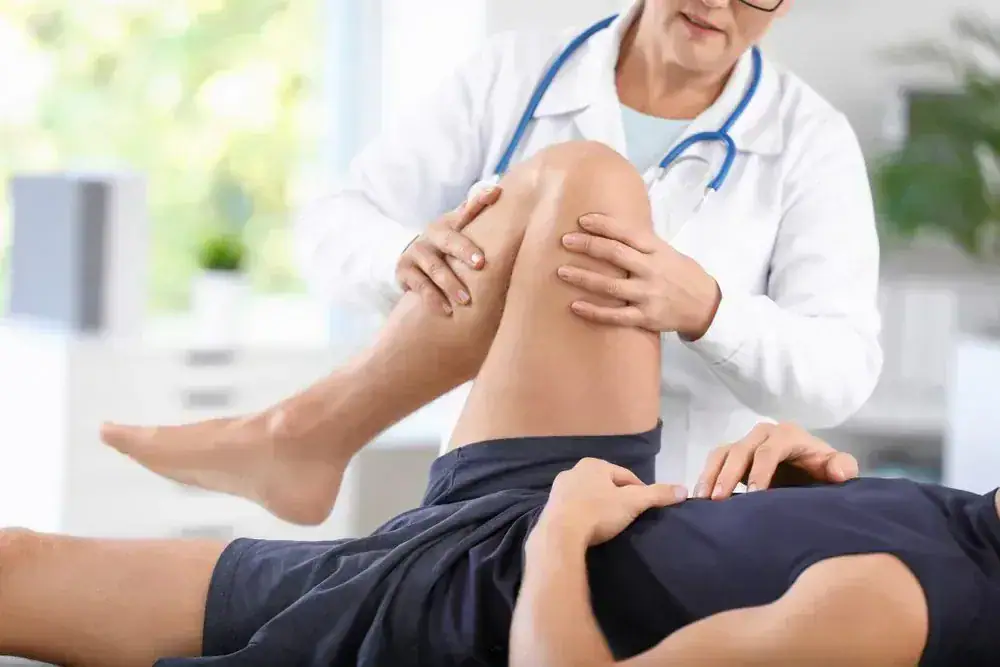
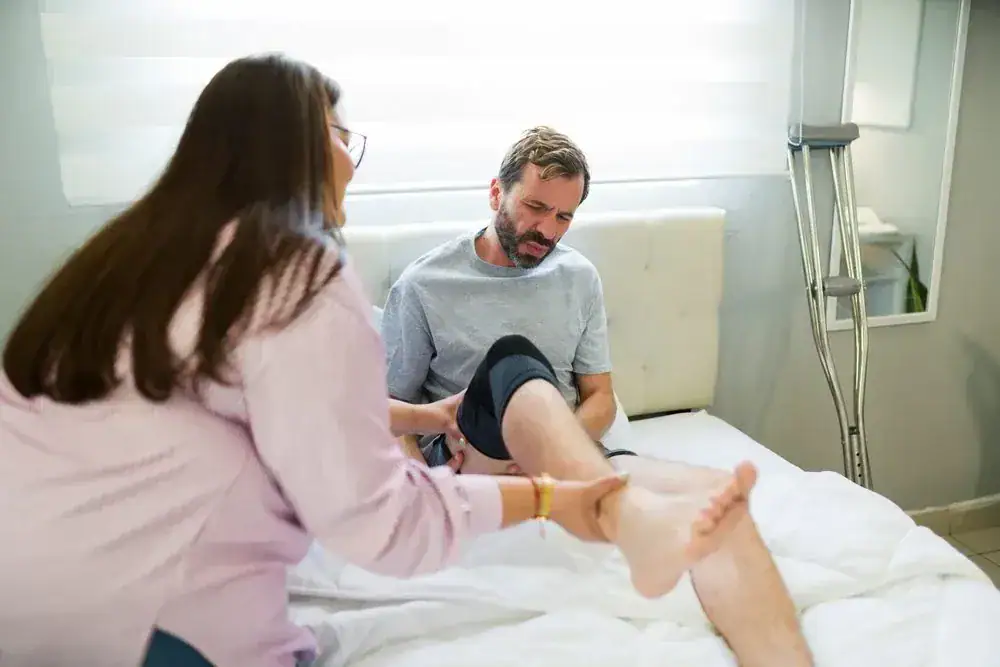
Physical therapy offers real pain relief without surgery or heavy medication. Learn how natural therapies like cupping, manual techniques, and targeted modalities help reduce chronic pain and restore function.
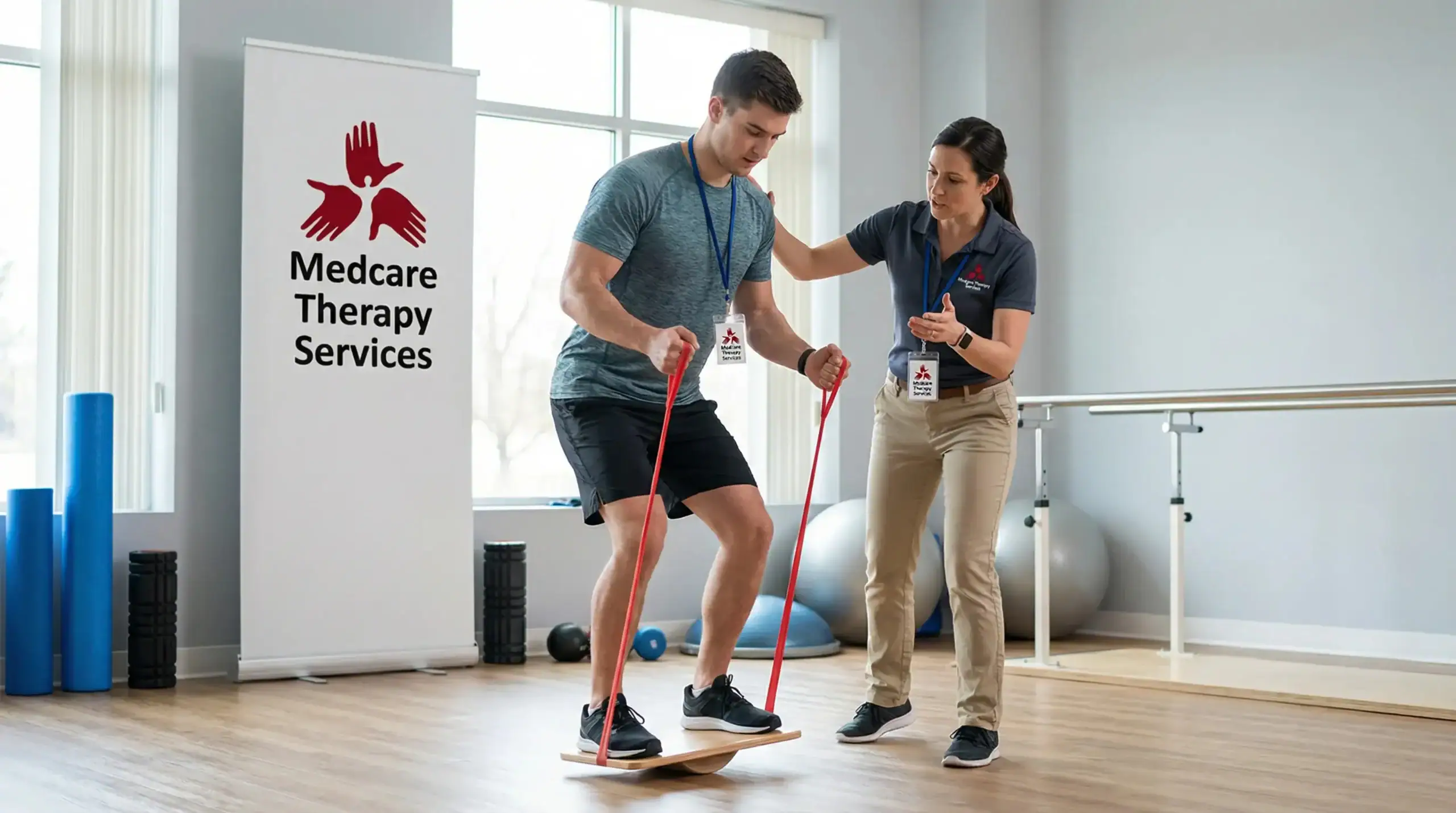
Physical therapy for pain relief goes beyond exercises. It combines movement-based rehabilitation with therapeutic modalities—tools and techniques designed to reduce inflammation, relax tight tissues, and interrupt pain signals your body is sending.
We start with an assessment. Where does it hurt? When did it start? What makes it worse, and what provides relief? From there, we build a treatment plan that might include manual therapy (hands-on work to improve joint movement and soft tissue function), therapeutic exercises to rebuild strength and flexibility, and modalities like heat, cold, electrical stimulation, or ultrasound to manage pain and promote healing.
The goal isn’t to mask symptoms. It’s to identify what’s causing the pain—whether that’s muscle imbalance, joint stiffness, inflammation, or restricted movement—and address it directly so your body can function better with less discomfort through personalized manual therapy treatments.
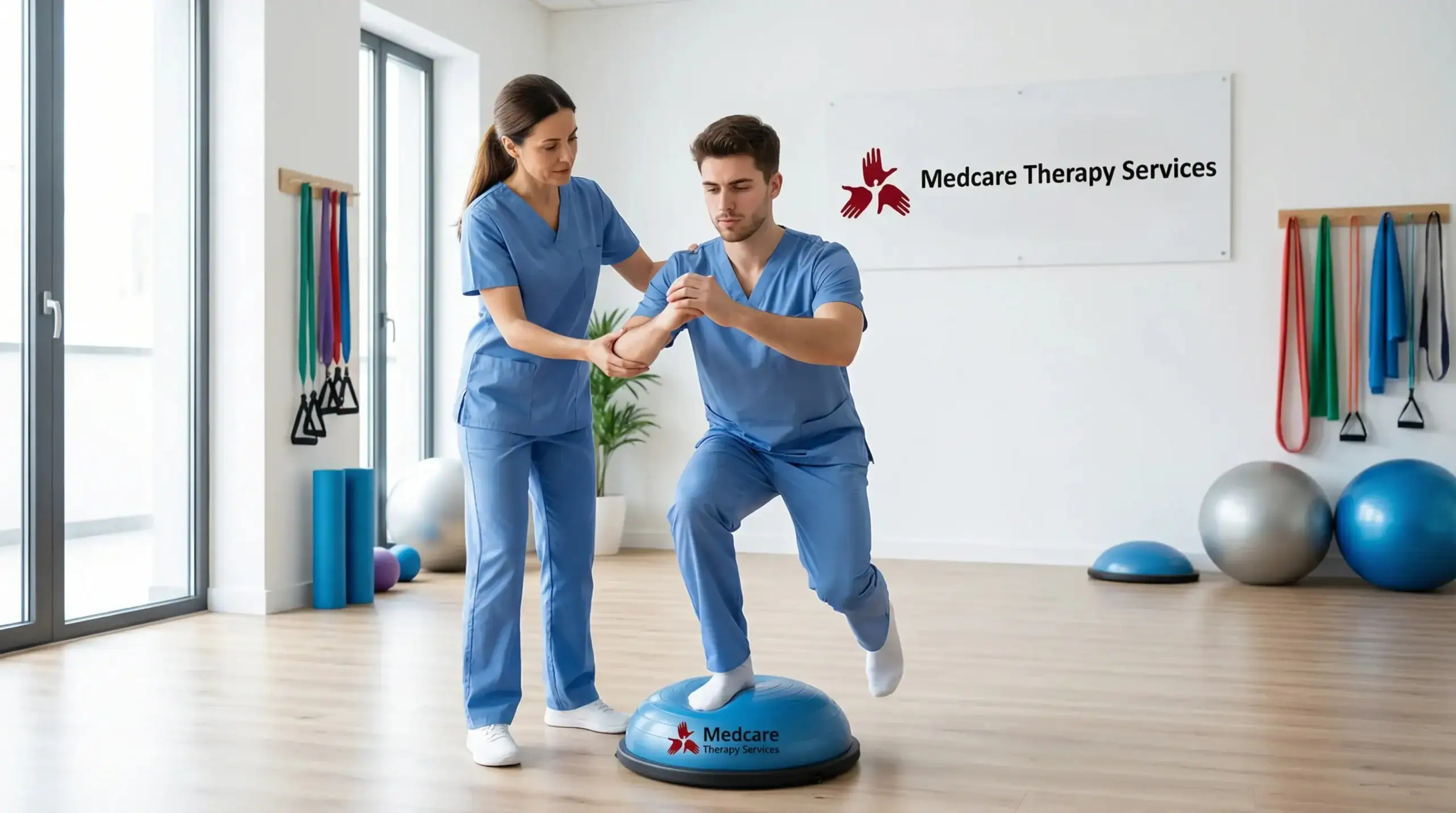
Manual therapy is one of the most effective tools we use for pain relief. It involves skilled, hands-on techniques to manipulate muscles, joints, and connective tissue. Think of it as targeted work that your body can’t do on its own.
When joints aren’t moving properly—whether from arthritis, injury, or prolonged inactivity—they become stiff and painful. Manual therapy helps restore that movement. We might use joint mobilization, where gentle, controlled movements coax a stiff joint through its range of motion. For soft tissue restrictions, we might apply myofascial release, working through layers of muscle and fascia to reduce tightness and improve blood flow.
Trigger points are another common source of pain. These are tight, irritable spots in muscles that can refer pain to other areas. A knot in your shoulder might cause headaches. Tightness in your hip could trigger lower back pain. Manual therapy addresses these points directly, releasing tension and reducing the pain they cause.
The benefit of manual therapy is that it’s precise. We can feel where restrictions are, how tissues respond, and adjust our approach based on what your body needs. It’s not a one-size-fits-all technique. Some people need more aggressive work; others respond better to gentler methods. The key is that it’s done by someone trained to understand how your body moves and what’s preventing it from moving well.
For conditions like chronic neck pain, lower back pain, or shoulder stiffness, manual therapy often provides relief that exercises alone can’t achieve. It prepares your tissues for movement, making it easier to participate in the strengthening and mobility work that leads to long-term improvement. And because it directly addresses restrictions, many people notice a difference even after the first few sessions.
Cupping therapy has been used for thousands of years, but it’s gained attention recently as more people look for natural pain relief therapies that don’t involve medication. If you’ve seen athletes with circular marks on their backs, that’s from cupping. It’s not just a trend—it’s a technique we use because it works for certain types of pain.
Here’s how it functions. Small cups are placed on your skin, and suction is created either through heat or a manual pump. The suction pulls your skin and underlying tissue upward into the cup. This creates negative pressure, which is the opposite of what happens when you press down on sore muscles.
That negative pressure does a few things. It increases blood flow to the area, which brings oxygen and nutrients that help with healing. It also helps break up adhesions—areas where tissue has become stuck together, limiting movement and causing pain. For people dealing with chronic muscle tightness, fascial restrictions, or areas that just won’t loosen up no matter how much they stretch, cupping can provide relief that other methods don’t.
The marks it leaves behind aren’t bruises, though they look similar. They’re caused by blood being drawn to the surface, and they typically fade within a week. Most people don’t find the treatment painful—it feels like a strong pull or suction, but not sharp or uncomfortable.
Cupping works particularly well for back pain, neck tension, and shoulder stiffness. It’s often combined with other treatments. We might use cupping to loosen tight areas before doing manual therapy or exercises. Or we might apply it after a session to reduce inflammation and promote recovery.
One of the reasons cupping has become more common in physical therapy is that it addresses pain from a different angle. Where massage presses tissue down, cupping lifts it up. Where stretching lengthens muscles, cupping decompresses them. For stubborn pain that hasn’t responded to other approaches, that difference can matter.
It’s not right for everyone. People with certain skin conditions, blood clotting disorders, or who are on blood thinners shouldn’t use cupping. But for many dealing with chronic muscle pain or stiffness, it’s a safe, non-invasive option that can complement the rest of their treatment plan.
Want live answers?
Connect with a Medcare Therapy Services expert for fast, friendly support.
Beyond hands-on work, we use therapeutic modalities—tools that apply energy to your tissues to reduce pain, decrease inflammation, and speed up healing. These aren’t standalone treatments. They’re used alongside manual therapy and exercises to enhance your overall results.
Electrical stimulation, ultrasound, heat, and cold all play specific roles in pain management. Some work by interrupting pain signals. Others improve circulation or relax tight muscles. The modality we choose depends on your condition, how long you’ve had pain, and what your tissues need at that stage of healing.
Let’s break down how the most common modalities work and when they’re most effective.

Electrical stimulation—often called e-stim—uses controlled electrical currents delivered through electrodes placed on your skin. It sounds more intimidating than it is. Most people describe the sensation as a mild tingling or gentle tapping, not painful.
There are different types of electrical stimulation, and each serves a different purpose. TENS (transcutaneous electrical nerve stimulation) is primarily used for pain relief. It works by sending signals that interfere with pain messages traveling to your brain. Essentially, it floods your nervous system with non-painful input, which can reduce how much pain you actually feel. It’s particularly useful for chronic pain conditions like arthritis, nerve pain, or ongoing muscle soreness.
Another type, neuromuscular electrical stimulation (NMES), targets muscles directly. It causes muscles to contract, which helps in a few ways. If you’ve been unable to use a muscle due to pain or injury, it can start to weaken and atrophy. NMES keeps that muscle active even when you can’t fully control it yourself. It’s commonly used after surgery, for stroke recovery, or when someone has significant weakness from prolonged inactivity.
E-stim also helps reduce swelling and improve circulation. After an injury, inflammation is part of the healing process, but too much swelling can slow recovery and increase pain. Electrical stimulation can help move fluid out of the affected area, reducing pressure and discomfort.
The treatment usually lasts 10 to 15 minutes and is often combined with other therapies. We might apply e-stim while you’re also receiving heat or cold therapy, or we might use it before manual work to relax muscles and make treatment more effective.
For people dealing with chronic pain who want to reduce their reliance on medication, electrical stimulation offers a drug-free option that can be used regularly without side effects. It doesn’t cure the underlying problem, but it can significantly reduce pain levels, making it easier to participate in the exercises and activities that lead to long-term improvement.
Therapeutic ultrasound is different from the imaging ultrasound used during pregnancy or to look at internal organs. In physical therapy, ultrasound uses sound waves to deliver deep heat to soft tissues—muscles, tendons, ligaments, and fascia. That heat has therapeutic effects that can reduce pain and speed up healing.
Here’s how it works. A small device called a transducer is moved slowly over the affected area. The transducer sends high-frequency sound waves into your tissues. These waves cause vibration at a cellular level, which generates heat. This deep heating increases blood flow, bringing oxygen and nutrients to the area. It also makes tissues more pliable, which can reduce stiffness and improve flexibility.
Ultrasound is particularly effective for conditions involving deep tissue inflammation. If you have tendonitis, bursitis, or chronic muscle tightness that hasn’t responded to surface-level treatments, ultrasound can reach areas that heat packs or massage can’t. It’s also used for scar tissue. When injuries heal, scar tissue forms, and that tissue is often less flexible than the original. Ultrasound helps break down adhesions and improve the mobility of scarred areas.
There’s also a pulsed version of ultrasound that doesn’t generate heat. Pulsed ultrasound is used earlier in the healing process when heat might not be appropriate—right after an acute injury, for example. It still provides the mechanical effects of the sound waves, which can reduce swelling and promote tissue repair without adding thermal stress.
The treatment itself is painless. You’ll feel the transducer moving over your skin with a gel that helps conduct the sound waves. Some people feel a mild warming sensation; others don’t feel much at all. Sessions typically last 5 to 10 minutes per area.
Ultrasound is often used in combination with other treatments. We might apply it before stretching to make tight tissues more responsive. Or we might use it after manual therapy to enhance the effects and reduce post-treatment soreness. For chronic conditions like arthritis or ongoing muscle pain, regular ultrasound treatments can help manage inflammation and keep tissues functioning better.
It’s not a miracle cure, and it won’t fix structural problems like torn ligaments or severe joint damage. But for pain caused by inflammation, stiffness, or soft tissue restrictions, ultrasound is a proven tool that supports your body’s natural healing process and helps you move with less discomfort.
Pain relief through physical therapy isn’t about one technique or modality. It’s about combining the right approaches for your specific condition, stage of healing, and goals. Manual therapy, cupping, electrical stimulation, and ultrasound all serve different purposes, and we know when to use each one.
The most important thing is that treatment addresses the cause of your pain, not just the symptoms. If tight fascia is restricting movement, cupping and manual therapy can help. If inflammation is the issue, ultrasound and e-stim may be more effective. If muscle weakness is contributing to joint pain, strengthening exercises become the priority.
If you’re in Suffolk County, NY or Nassau County, NY and dealing with chronic pain, arthritis, or muscle stiffness that’s limiting your daily life, we provide comprehensive physical therapy with personalized treatment plans designed around what your body actually needs. Real relief starts with understanding what’s causing your pain—and having access to the tools and expertise to address it.
Summary:

Article details:
Share: