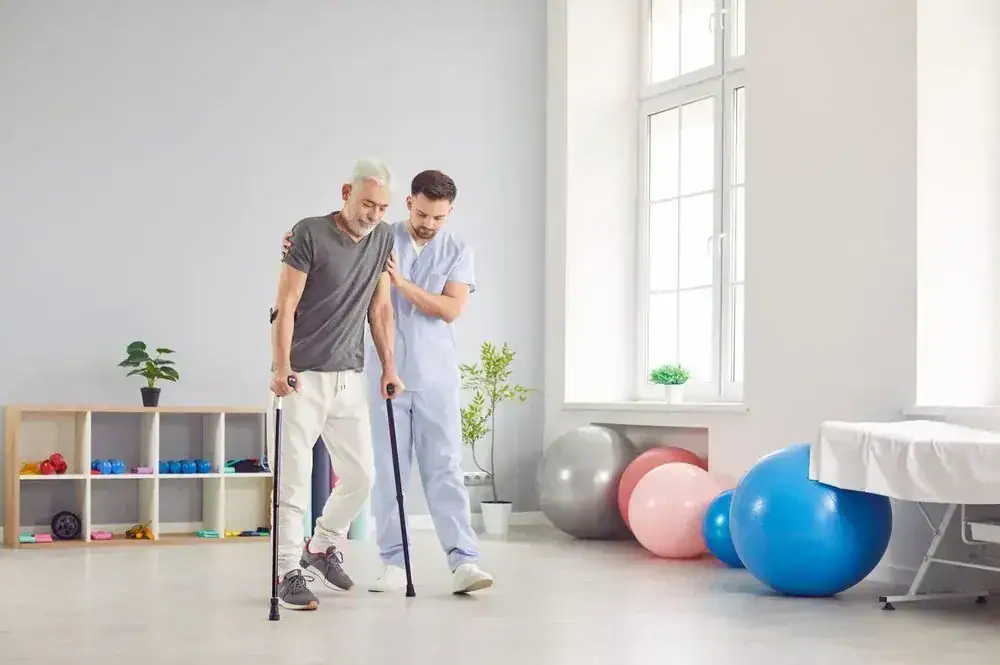
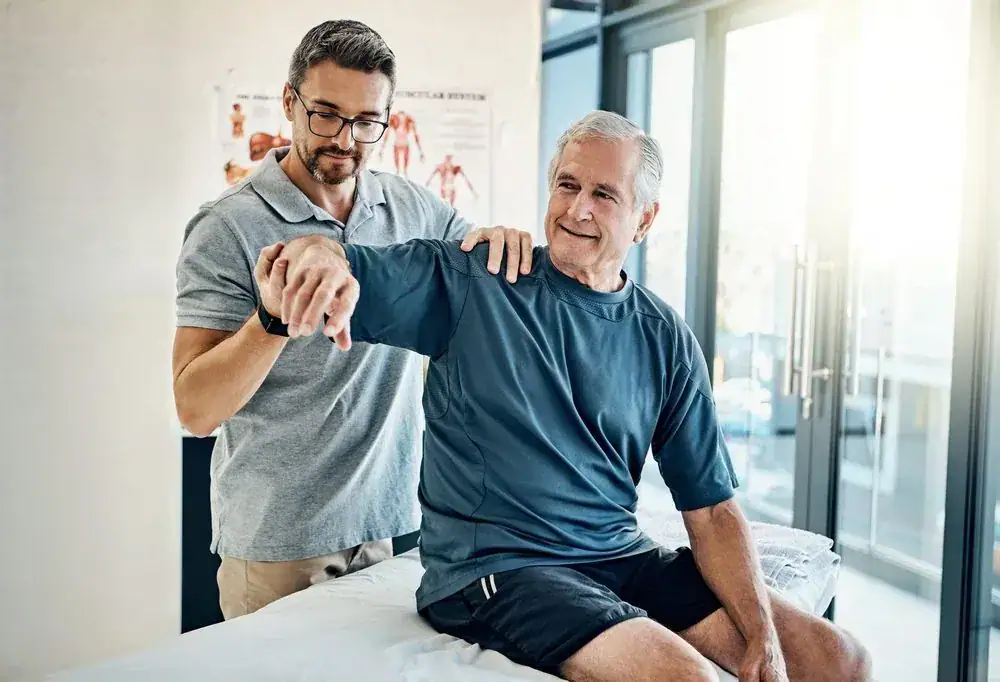
Pain slowing you down on Long Island? Here's what physical therapy in Smithtown looks like, and why the right clinic makes all the difference.

Pain has a way of making everything harder. Getting out of the car. Climbing stairs. Sleeping through the night. If you’re somewhere in that cycle right now, if it started with an injury, a surgery, or just years of wear, you already know that waiting it out isn’t working. Physical therapy is one of the most effective tools available for getting back to normal life, but the experience varies wildly depending on where you go. This post is for Suffolk County and Nassau County residents who want to understand what quality PT looks like, what questions to ask, and what to expect when you walk through the door.
A lot of people picture physical therapy as a room full of resistance bands and someone counting reps. That’s part of it, but it’s a narrow picture. Physical therapy is a clinical process that starts with a real assessment of how your body is moving, where it’s compensating, and what’s driving your pain or limitation. From there, a licensed physical therapist builds a plan around your specific condition, your goals, and your daily life.
The best PT doesn’t just treat where it hurts. It looks at the whole pattern: why your knee is overloaded, why your shoulder keeps flaring up, or why your back tightens every time you sit for an hour on the LIRR commute home. That’s the difference between managing symptoms and fixing the underlying problem.
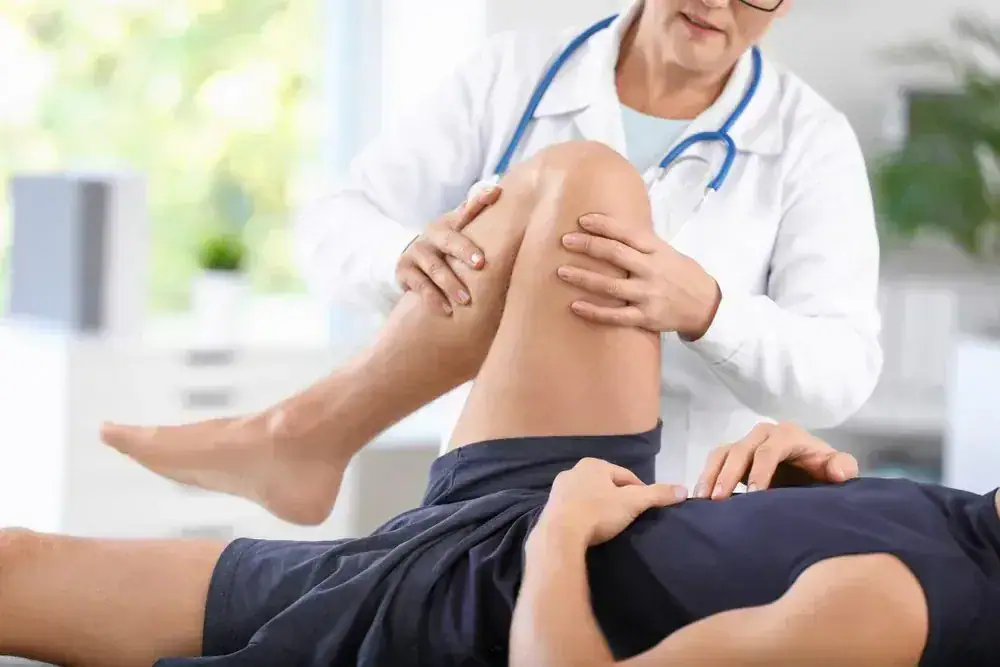
Your first visit typically starts with a full evaluation. Your therapist will ask about your history, watch how you move, test your range of motion and strength, and identify the root cause of what’s going on. This isn’t a quick scan; a thorough intake can take the better part of an hour, and it sets the foundation for everything that follows.
From there, sessions are built around a combination of hands-on manual therapy, targeted therapeutic exercise, and education about how to move better in your daily life. Manual therapy might include soft tissue work, joint mobilization, or other hands-on techniques your therapist uses to reduce pain, restore mobility, and retrain movement patterns. Therapeutic exercise builds the strength and stability that keeps the problem from coming back.
What separates a good session from a forgettable one is attention. When your therapist is focused entirely on you, not bouncing between three patients and not delegating to an aide, they can adjust in real time. They notice when something isn’t working. They can push you a little harder when you’re ready, or pull back when your body signals otherwise. That responsiveness is what drives real progress.
At our Smithtown clinic at 100 Maple Avenue, every session is one-on-one with a licensed therapist. No sharing. No rushing. That’s been the standard since we opened our doors in 2000, and it’s the standard our patients keep coming back to describe when they leave reviews. Phrases like “never a rush visit” and “individualized attention to each patient” show up again and again because that is genuinely what the experience is.
In New York State, you don’t necessarily need a doctor’s referral to start physical therapy. Direct access laws allow patients to begin treatment without waiting for a referral, which means you don’t have to sit in pain while you wait for an appointment that leads to another appointment. If you’re ready to start, you can often start sooner than you think.
You’ve probably seen the circular marks on athletes and wondered what that’s about. Cupping therapy is a technique that uses suction, typically through silicone or glass cups placed on the skin, to create negative pressure in the tissue beneath. The goal is to increase blood flow to the area, release myofascial tension, and reduce localized pain and stiffness.
In a physical therapy context, cupping is used as a manual therapy tool, not a standalone treatment. It’s most commonly applied to areas with dense muscle tissue: the back, shoulders, hips, and thighs, where chronic tightness or restricted fascia is contributing to pain or movement limitations. The technique is often combined with active movement, meaning the therapist may have you move through a range of motion while the cups are in place to get a deeper release through the tissue.
Clinically, cupping is well-established as a useful adjunct for conditions like chronic low back pain, neck stiffness, IT band syndrome, and post-surgical scar tissue management. It’s not right for every patient, but for the right condition and the right person, it can accelerate progress in ways that traditional soft tissue work alone doesn’t always achieve.
If you’re curious if cupping therapy would be appropriate for your situation, ask during your evaluation. A good therapist will tell you honestly if it’s likely to help, explain what to expect, and give you a clear picture of how it fits into your overall plan. That kind of transparency, knowing why each technique is being used and what it’s meant to accomplish, is something patients consistently describe as one of the things they value most about their experience at our Smithtown location.
Want live answers?
Connect with a Medcare Therapy Services expert for fast, friendly support.
Not everyone can make it to a clinic three times a week. For some patients, especially those recovering from surgery, managing a neurological condition, or navigating the mobility challenges that come with aging, getting to an outpatient clinic is genuinely difficult. That’s where in-home physical therapy becomes more than a convenience. It becomes the thing that makes recovery possible at all.
We offer dedicated in-home physical and occupational therapy across Suffolk County and Nassau County, with a specific focus on patients who need licensed, skilled care but can’t easily travel to receive it. The therapist comes to you: your home, your environment, your schedule.
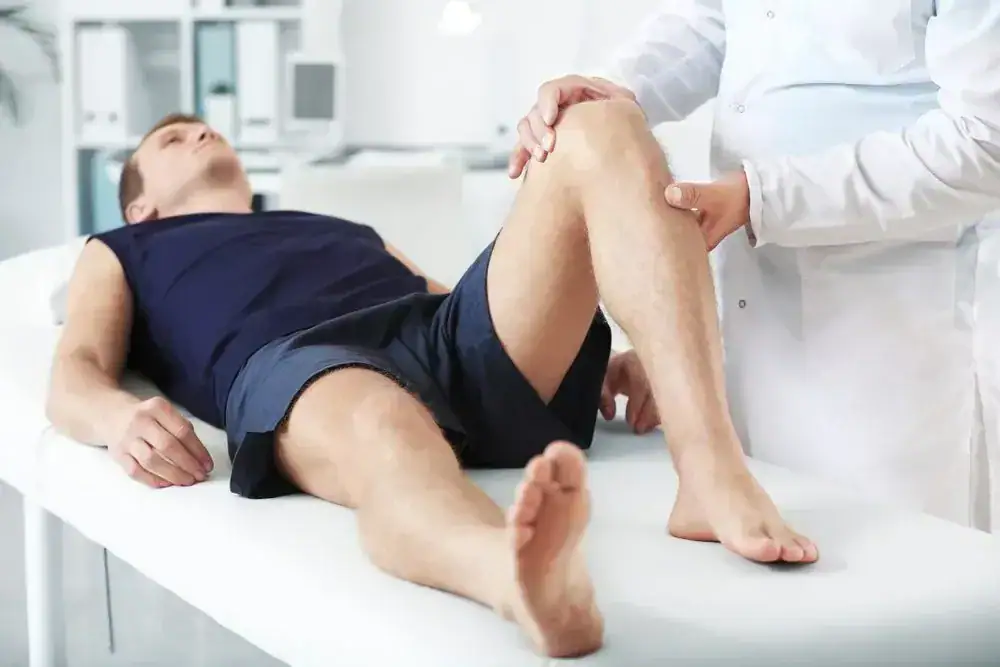
This is one of the most common questions we hear, and the answer matters enormously for a lot of Long Island families. Yes, Medicare covers in-home physical therapy for qualifying patients. Under Medicare Part B and Medicare’s home health benefit, in-home PT provided by a licensed therapist is a covered service when it’s deemed medically necessary and the patient meets the criteria for homebound status.
For Suffolk County and Nassau County residents, this is significant. Nearly one in five Nassau County residents is aged 65 or older, and Suffolk County mirrors that demographic trend. That’s a large population of people who may be eligible for covered in-home care and simply don’t know it. Many seniors assume they’ll have to pay out of pocket for a therapist to come to them, or that the option doesn’t exist outside of a hospital discharge situation. Neither is true.
In-home PT through Medicare can cover a wide range of services: fall prevention and balance training, therapeutic exercise, neurological rehabilitation, post-surgical recovery, and more. The key is working with a provider who understands the documentation and coverage requirements, and who can help you navigate the process without leaving you guessing about what’s covered.
Our in-home therapy team works specifically with seniors and Medicare-covered patients across Long Island. If you’re not sure if you qualify, the most straightforward thing to do is call and ask. We can walk you through what the process looks like before you commit to anything.
Falls are the leading cause of injury-related hospitalization among adults 65 and older, and on Long Island, where icy driveways and uneven sidewalks are a seasonal reality from December through March, the risk is real and recurring. A fall that might seem minor can result in a fracture, a hospital stay, and a months-long detour from independent living. For many older adults, a serious fall is the event that changes everything.
Fall prevention physical therapy is designed to interrupt that pattern before it starts. It begins with a thorough balance assessment. At our Smithtown clinic, we use a digital balance assessment machine that gives us objective data on how you’re standing, shifting weight, and responding to perturbation. That information shapes a treatment plan built around your specific deficits, such as hip weakness, ankle instability, reduced proprioception, or something else entirely.
The exercises involved aren’t complicated, but they have to be the right ones for your body and your risk profile. Generic balance exercises from a video don’t account for the fact that your left side is weaker than your right, or that you’re compensating with your neck because your hip flexors are tight. A personalized fall prevention program does.
Beyond the clinical side, there’s something worth saying about what staying on your feet means for quality of life. It means continuing to live in your own home. It means walking to the mailbox without someone watching. It means not having to reorganize your entire life around the fear of falling. That’s the kind of outcome that makes fall prevention one of the most impactful services we offer at our Smithtown location.
We also run a group wellness program for seniors at our Smithtown clinic, a community-based initiative that combines balance training with social connection, because isolation is its own health risk and recovery goes better when you’re not doing it alone.
The difference between a PT experience that transforms your daily life and one that just fills a few weeks on your calendar comes down to a handful of things: if your therapist is fully present with you, if the plan is built around your body and your goals, and if the practice has the depth of experience to handle what you’re dealing with.
We’ve been treating patients in Smithtown since 2000. That’s 25 years of knowing this community: the sports injuries from Long Island lacrosse seasons, the chronic back pain from long commutes, and the balance concerns that come with aging in a place where winters are real. That kind of local, long-term experience isn’t something a newer clinic or a large chain can replicate.
Contact Medcare Therapy Services today to verify your insurance benefits and schedule your one-on-one physical therapy evaluation in our Smithtown clinic or directly in your home.
Summary:
Article details:
Share: