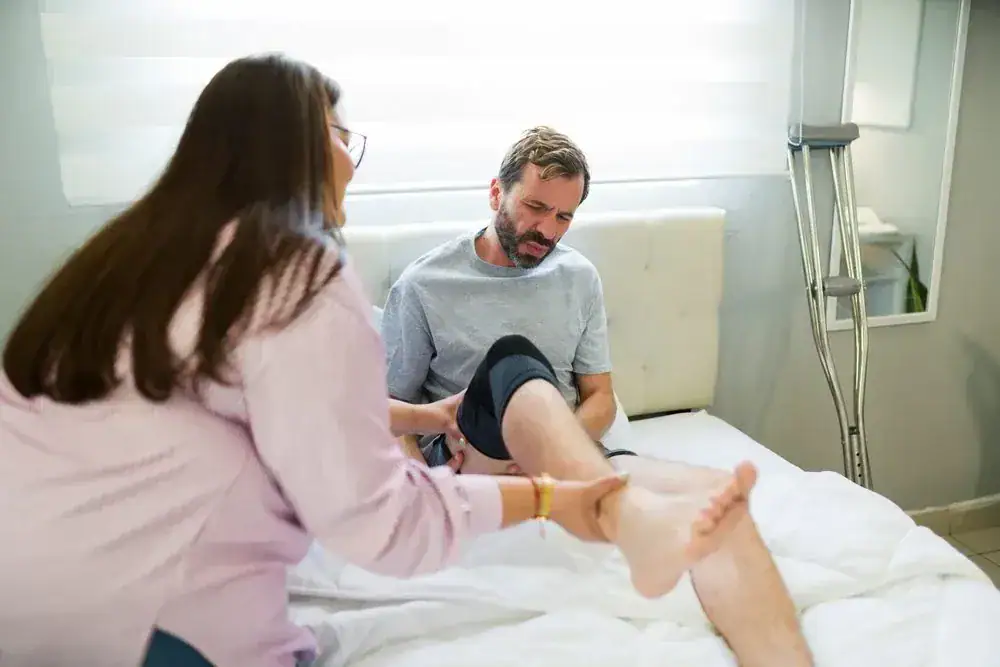
Starting physical therapy can feel overwhelming for caregivers. This guide walks you through what actually happens during sessions and how to support your loved one's recovery.

Your mom’s doctor just recommended physical therapy after her fall. Or maybe your dad is coming home from surgery and needs rehabilitation. You want to help, but you’re not sure what physical therapy actually involves or what you’re supposed to do.
That’s completely normal. Most caregivers feel the same mix of concern and uncertainty when their loved one starts physical therapy. You’re juggling your own schedule, worried about costs, and trying to figure out how you’ll get them to appointments twice a week.
Here’s what you actually need to know about the process, what happens during sessions, and how in-home physical therapy can make your life—and your loved one’s recovery—significantly easier.
Physical therapy isn’t mysterious, but if you’ve never been through it, the process can feel unclear. Understanding what your loved one will experience helps you prepare them mentally and know what questions to ask.
A physical therapist works to restore or improve movement after injury, surgery, or illness. They’re not just running your loved one through generic exercises. They’re assessing specific limitations, identifying why movement is difficult or painful, and creating a plan to address those exact issues using techniques such as manual therapy when appropriate.
Sessions typically last 45 to 60 minutes. The therapist will guide your loved one through exercises, provide hands-on treatment, and adjust the plan based on how they’re responding. It’s collaborative, not punishing, and good therapists constantly check in about pain levels and comfort.

The first appointment is longer than regular sessions—usually 60 to 90 minutes. This is when the physical therapist gathers all the information they need to create an effective treatment plan.
They’ll start by asking detailed questions about your loved one’s medical history, current symptoms, and daily activities. When did the pain start? What makes it better or worse? Can they climb stairs? Get out of a chair without using their arms? These details matter because they reveal the real-world challenges your loved one faces.
Then comes the physical assessment. The therapist will measure range of motion, test muscle strength, observe how your loved one walks, and check balance and coordination. They might ask your loved one to perform specific movements—standing up from a seated position, reaching overhead, or walking across the room. This isn’t about judgment. It’s about establishing a baseline so progress can be measured.
You should attend this first session if possible. You’ll learn what the therapist observes, understand the treatment goals, and hear the recommended frequency of sessions. Most importantly, you can ask questions. How long will recovery take? What can you do at home to help? What warning signs should you watch for?
The therapist will also explain what to expect in future sessions and may even start some gentle treatment during this first visit. By the end, you’ll have a clear plan that includes specific goals, the number of weekly sessions recommended, and exercises your loved one should practice at home.
Bring a list of current medications, any recent test results or imaging reports, and comfortable clothing that allows easy movement. Athletic wear works well—nothing tight or restrictive. If your loved one uses a walker or cane, bring that too so the therapist can observe how they use it.
After that initial evaluation, regular sessions follow a more predictable pattern. Your loved one will typically attend two to three times per week, though the frequency depends on their specific condition and recovery goals.
Each session starts with a brief check-in. The therapist asks how your loved one felt since the last visit, whether they experienced any new pain, and if they were able to complete their home exercises. This conversation helps the therapist adjust the day’s plan based on current status rather than following a rigid script.
Then comes the treatment portion, which usually combines several approaches. Manual therapy involves hands-on techniques where the therapist uses their hands to mobilize joints, release tight muscles, or improve tissue flexibility. Some physical therapists incorporate techniques like cupping therapy to reduce muscle tension and improve blood flow, though this is complementary to the core treatment, not a replacement for it.
Therapeutic exercises form the heart of most sessions. These aren’t random movements—they’re specific exercises designed to address your loved one’s particular limitations. Maybe they need to strengthen their quadriceps to make standing easier. Or improve hip flexibility to reduce back pain. Or practice weight-shifting exercises to improve balance and prevent falls.
The therapist demonstrates each exercise, watches your loved one perform it, and corrects form as needed. Proper form matters more than the number of repetitions. Doing an exercise incorrectly can reinforce bad movement patterns or even cause injury.
Many sessions also include functional training—practicing real-world activities your loved one needs to do at home. Getting in and out of bed safely. Navigating stairs with confidence. Reaching into overhead cabinets. This practical approach helps your loved one apply their improved strength and mobility to daily life, not just perform well in the therapy setting.
At the end of each session, the therapist will review what to practice at home and answer any questions. They track progress too, noting improvements in strength, range of motion, or functional abilities. This documentation isn’t just paperwork—it shows whether the treatment plan is working or needs adjustment.
Want live answers?
Connect with a Medcare Therapy Services expert for fast, friendly support.
Your role as a caregiver extends beyond just getting your loved one to appointments. The work that happens between sessions often determines how quickly and completely they recover.
Physical therapists typically assign home exercises that your loved one should perform on non-therapy days. Your job isn’t to become a therapist yourself, but you can help ensure these exercises actually get done. Set reminders, create a consistent time for practice, and offer encouragement when motivation lags.
You’ll also learn techniques to assist your loved one safely. Therapists can teach you proper body mechanics for helping someone stand up, transfer from bed to chair, or navigate stairs. These techniques protect both of you from injury. Many caregivers develop back problems because they’re lifting or supporting their loved one incorrectly.

If you’re already exhausted thinking about driving to appointments twice a week, there’s a better option. In-home physical therapy brings the same professional care directly to your loved one’s home, and the benefits go far beyond convenience.
Transportation is one of the biggest barriers to consistent therapy. Getting an elderly person with limited mobility into a car, driving to a clinic, navigating a parking lot, and sitting in a waiting room is physically demanding and often painful for them. It’s also exhausting for you. In-home therapy eliminates all of that. The therapist comes to you, which means your loved one can use their energy for actual therapy instead of depleting it just getting to the appointment.
The home environment also provides unique advantages for treatment. The therapist can assess the actual spaces where your loved one lives—identifying fall hazards, evaluating how they navigate their own stairs, and practicing movements in the environment where they’ll actually need to perform them. They can recommend specific modifications, like adding grab bars in the bathroom or rearranging furniture to create safer pathways.
Medicare typically covers in-home physical therapy when it’s medically necessary and your loved one is homebound or has difficulty leaving home. After meeting the Part B deductible, you’ll pay 20% of the Medicare-approved amount. There’s no annual limit on the number of covered sessions as long as the therapy remains medically necessary. Most families find that in-home therapy is fully covered or costs far less than they expected.
For you as a caregiver, in-home therapy provides something equally valuable: education and support. You can observe sessions, learn proper techniques, and ask questions in real-time. The therapist becomes a resource not just for your loved one, but for you. They can teach you how to help with transfers, demonstrate exercises you can assist with, and provide reassurance when you’re unsure if something is normal.
In-home therapy also reduces your stress. You don’t need to rearrange your work schedule, find someone to watch other family members, or spend hours in a clinic waiting room. The therapist arrives at a scheduled time, works with your loved one in a familiar environment, and leaves you with clear instructions. That predictability and convenience can significantly reduce caregiver burnout.
Across Suffolk County, NY and Nassau County, NY, many families choose in-home physical therapy specifically because it makes caregiving more manageable. When therapy fits into your life instead of disrupting it, everyone benefits.
You’re not the first caregiver to wonder about these things, and you won’t be the last. Here are the questions that come up most often.
How long will physical therapy take? Most programs run six to eight weeks with two to three sessions per week, but this varies significantly based on your loved one’s condition. Someone recovering from a hip replacement might need therapy for several months. Someone working on balance improvement might see results in four to six weeks. The therapist will give you a more specific timeline after the initial evaluation, but expect the timeline to adjust as they track progress.
Will it hurt? Some discomfort during exercises is normal—you’re asking muscles and joints to work in ways they haven’t been working. But sharp pain isn’t normal and should be reported immediately. Good physical therapists constantly monitor pain levels and adjust exercises accordingly. They’re not trying to push your loved one through pain. They’re trying to gradually improve function without causing injury.
What if my loved one doesn’t do the home exercises? This is one of the most honest questions caregivers ask, and it’s valid. Motivation can be a real challenge, especially when exercises are difficult or your loved one doesn’t see immediate results. The therapist can help by explaining why each exercise matters and what it’s specifically improving. You can help by creating a routine, offering encouragement, and celebrating small improvements. Even partial compliance is better than none.
How do we know if it’s working? Physical therapists track measurable progress—improvements in range of motion, increased strength, better balance scores, or enhanced ability to perform daily activities. Most people notice improvements in confidence within the first two to three sessions, even before physical changes are obvious. Measurable improvements in balance and strength typically show up within four to six weeks of consistent therapy.
Can therapy prevent future falls? Yes, when it includes balance training, strength exercises, and home safety assessments. Evidence-based fall prevention programs can reduce fall risk by up to 35%. The key is consistency—continuing to practice exercises even after formal therapy ends and maintaining the strength and balance gains achieved during treatment.
What happens after physical therapy ends? The goal is to get your loved one to a point where they can maintain their improvements independently. The therapist will provide a home exercise program to continue on their own. Some people return for occasional “tune-up” sessions if they notice their function declining. Others transition to community exercise programs or continue with a reduced therapy schedule for ongoing maintenance.
Starting physical therapy is a positive step toward helping your loved one regain independence and reduce pain. Now you know what to expect during that first evaluation, what happens in regular sessions, and how you can support recovery without overwhelming yourself.
The process isn’t always fast, and some days will feel harder than others. But physical therapy works when it’s done consistently and with proper support. Your role as a caregiver matters—not because you need to become a therapist, but because your encouragement, assistance with home exercises, and commitment to attending sessions make a real difference in outcomes.
If transportation, scheduling, or caregiver stress are concerns, in-home physical therapy offers a practical solution that benefits both you and your loved one. The therapy is just as effective, Medicare typically covers it, and it eliminates many of the logistical challenges that make clinic-based care difficult for families. You deserve support that actually fits your life.
We’ve been providing in-home physical and occupational therapy across Suffolk County, NY and Nassau County, NY since 2010, helping families navigate exactly what you’re facing now. When you’re ready to start, you’ll work with experienced professionals who understand both the clinical needs and the family dynamics involved in home-based care.
Summary:


Article details:
Share: