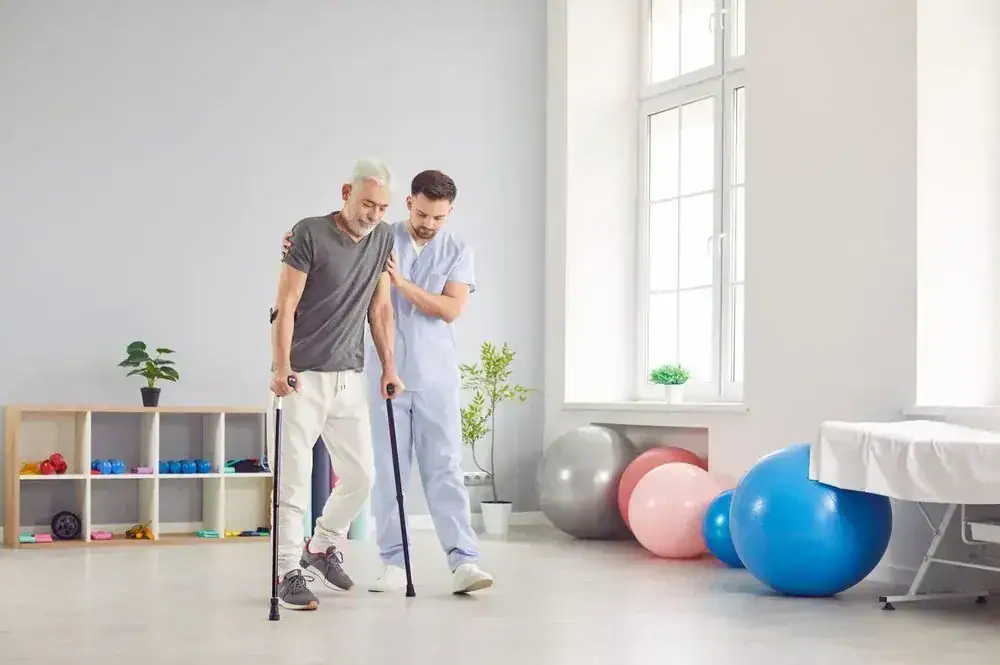
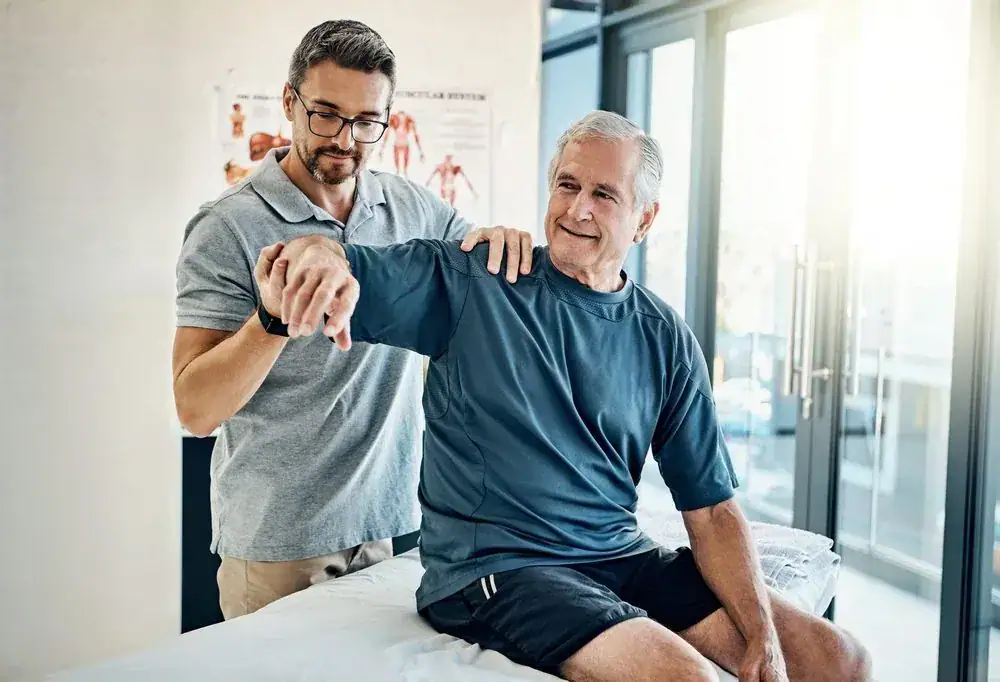
Living on the East End shouldn't mean sacrificing access to quality physical therapy. Here's what in-home PT can do for Speonk residents.
If you’ve been told you need physical therapy and your first thought was “how am I going to get there?” you’re not alone. For people in Speonk, Hampton Bays, Westhampton Beach, and across the East End, the logistics of getting to a clinic are just as much of a problem as the injury itself. Be it the distance, a lack of transportation, or simply the reality of recovering from surgery, the drive to a PT office can feel like its own obstacle course.
In-home physical therapy exists to solve exactly that. And it does a lot more than just save you a commute.
In-home physical therapy is exactly what it sounds like: a licensed physical therapist comes to your home, assesses your condition, and builds a treatment plan around your specific needs right in your personal space. There’s no waiting room, no parking lot to navigate, and no sharing your therapist’s attention with other patients.
The first visit typically involves a thorough evaluation of your mobility, strength, balance, and personal goals. From there, your therapist designs a plan and begins treatment during that same session. Plans aren’t set in stone, either. We adjust your program week by week based on how you’re progressing, rather than following a generic template.
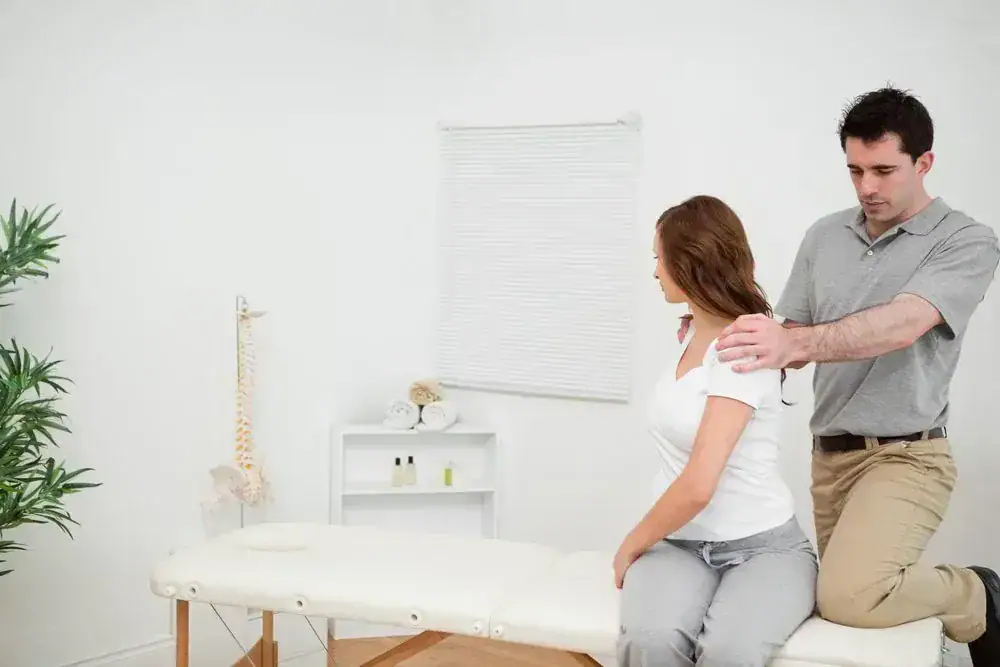
This is one of the most common questions people ask, and it’s a fair one. The assumption is often that a clinic has better equipment, more resources, and therefore better results. The research doesn’t back that up.
Multiple systematic reviews and randomized controlled trials, including studies on patients recovering from total knee replacement, have found no clinically significant difference in mobility, pain, or functional outcomes between home-based and clinic-based physical therapy. Patients who received in-home PT achieved the same results as those who traveled to an outpatient facility.
There is a strong argument that in-home PT produces better real-world outcomes in certain cases. When your therapist works with you in your own home, they see your everyday environment: the stairs you climb daily, the hallway you navigate with a walker, and the kitchen counter you grip for balance. We can design exercises around what your daily routine looks like, not an artificial clinical gym. That specificity matters, especially for fall prevention and post-surgical recovery.
A study published in a peer-reviewed journal found that home health physical therapy for Medicare beneficiaries increased the probability of improvement in composite Activities of Daily Living scores by 15.2%. Among patients who received six to thirteen visits, the probability of improvement increased by an additional 11.6% compared to those who received fewer visits.
For Speonk residents specifically, this matters. The nearest major medical center is a significant drive west. If you’re recovering from a hip replacement or managing a neurological condition, making that trip three times a week isn’t just inconvenient; for many patients, it’s not realistic. In-home PT removes that barrier entirely, and the outcomes hold up.
The range is broader than most people expect. In-home PT isn’t reserved for patients who are bedridden or severely disabled. It serves a wide spectrum of patients, from seniors managing balance issues to active adults recovering from orthopedic surgery to individuals rebuilding strength after a stroke.
Some of the most common conditions we treat through in-home physical therapy include post-surgical rehabilitation (hip replacement, knee replacement, shoulder repair), fall prevention and balance training, neurological rehabilitation for stroke and Parkinson’s disease, chronic back pain and neck pain, and general mobility limitations that come with aging. Occupational therapy, which focuses on your ability to perform daily tasks independently, can also be delivered at home and often complements physical therapy well.
Fall prevention deserves a specific mention here. Falls are the leading cause of injury-related hospital visits for adults over 65 in Nassau County, and the statistics across Suffolk County tell a similar story. For seniors living in Speonk, Hampton Bays, Westhampton Beach, or any of the East End hamlets, a fall isn’t just a medical event; it’s often a turning point that affects independence, confidence, and quality of life for months or years afterward. Evidence-based fall prevention programs, including proprioceptive training and gait analysis, can be delivered entirely in the home. Because we work in your living space, we can identify and address environmental hazards like loose rugs, uneven thresholds, or inadequate lighting that a clinic visit would never surface.
In-home PT isn’t only for people who cannot travel. Many patients simply prefer the privacy, convenience, and one-on-one attention that home-based care provides.
Want live answers?
Connect with a Medcare Therapy Services expert for fast, friendly support.
Most people associate cupping therapy with spas or specialized wellness clinics, not with a licensed physical therapist visiting their home in Speonk. But when performed by a licensed PT as part of a broader treatment plan, cupping is a clinically integrated manual therapy technique with documented benefits for pain, muscle tension, and circulation.
We offer cupping therapy as part of our in-home PT visits, bringing a specialized service directly to patients’ homes that is rare in the East End area. If you’ve been curious about it or a provider has mentioned it, here’s what you should know.
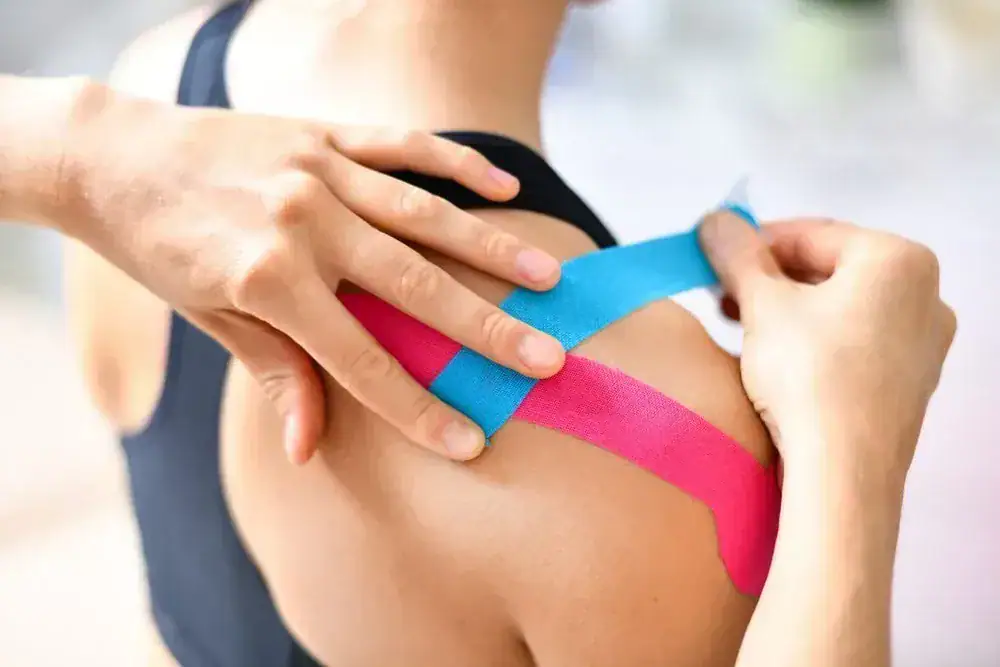
Cupping therapy uses suction, typically through silicone or plastic cups placed on the skin, to create negative pressure in the underlying tissue. That suction increases local blood circulation, relieves muscle tension, and promotes soft tissue healing. It has roots in traditional medicine going back centuries, and modern physical therapy has incorporated it as a manual therapy modality with a growing body of clinical research behind it.
The conditions it’s most commonly used for include lower back pain, neck pain, headaches, knee pain, and muscle stiffness. There’s also documented benefit for nocturnal leg cramps, a surprisingly common complaint among older adults that often goes undertreated. Patients commonly report reduced pain and inflammation, decreased muscle tightness, improved blood flow, and increased range of motion following cupping therapy sessions.
The sensation is typically described as a pulling or tight pressure, not sharp pain. The circular marks it can leave on the skin are a result of increased blood flow to the surface tissue and typically fade within a few days.
When cupping is integrated into an in-home PT session, it’s not a standalone treatment; it’s one tool among several. Your therapist might use it alongside therapeutic exercise, manual joint mobilization, or gait training, depending on what your condition calls for. The fact that this can happen in your own home, without a separate appointment at a specialty clinic, is genuinely useful for patients managing multiple symptoms or recovering from complex conditions.
For Suffolk County residents dealing with chronic back pain, post-surgical stiffness, or persistent muscle tension, having access to this level of care without leaving the house makes a meaningful difference.
This is the question that determines if most patients move forward, and it’s one where many people have been given incomplete or confusing information. So let’s be straightforward about it.
Medicare Part B covers qualifying in-home physical therapy. To be eligible, your doctor needs to certify that you are “homebound”, meaning that leaving home requires considerable effort, the help of another person, or a supportive device, or that leaving is medically inadvisable. A physician order is required to initiate home health PT under Medicare.
What that means practically: if you’ve recently been discharged from a hospital, are recovering from surgery, have a condition that makes traveling difficult, or your doctor has determined that the effort of leaving home is medically significant, you very likely qualify. Your physician initiates the process with an order, and from there, a Medicare-certified physical therapist can begin in-home visits.
For patients in Speonk, Hampton Bays, Quogue, East Quogue, Remsenburg, or anywhere along the South Fork, this coverage matters enormously. The East End is car-dependent, and public transit options are limited. For a senior without reliable transportation or a post-surgical patient who shouldn’t be driving, the homebound criteria describe the reality these patients are already living.
We verify your insurance benefits before treatment begins and communicate exactly what your costs will be, ensuring no surprises or unexpected bills. We also accept most commercial insurance plans in addition to Medicare. If you’re unsure if you qualify or what your coverage looks like, call and ask; that conversation costs nothing, and it gives you a clear picture before you commit to anything.
Medicare expanded coverage options for in-home physical therapy in 2026, which means more patients than before may now qualify. If you looked into this a year or two ago and thought you didn’t qualify, it may be worth revisiting.
Living on the South Fork means you’ve already made peace with certain trade-offs like longer drives, fewer options, and more self-reliance. Your physical therapy shouldn’t be one of those trade-offs. In-home PT delivers the same clinical outcomes as a clinic visit, in your own space, on a schedule that works for your life.
What sets us apart isn’t just the credentials; it’s consistency, transparency, and reliable care that shows up when promised. Our therapists are licensed in New York State, Medicare-certified, and members of the American Physical Therapy Association. Our affiliated centers, Physical Therapy Associates of Smithtown, established in 2000, and Speonk Physical Therapy, established in 2004, have been serving Long Island communities for over two decades.
If you’re in Speonk or anywhere across Suffolk County and want to understand your options, reach out to Medcare Therapy Services. The first step is a straightforward conversation about what you need and what your coverage looks like, and we’ll make sure you have the full picture before anything else happens.
Contact Medcare Therapy Services today to verify your coverage and schedule your personalized in-home physical therapy consultation.
Summary:
Article details:
Share: