Medicare Part B doesn't reimburse cupping therapy directly, but coverage exists through Medicare Advantage plans. Discover your options for accessing this specialized physical therapy treatment in Long Island.
Your back pain hasn’t responded to standard treatments, and your physical therapist mentioned cupping therapy as an option. Or maybe you’ve seen the circular marks on athletes and wondered if this ancient technique could help your chronic neck pain. Either way, you’re facing the same question: will Medicare pay for it? The short answer—Original Medicare Part B doesn’t cover cupping therapy directly. But that’s not the end of the story. Medicare Advantage plans sometimes include coverage, and physical therapists can incorporate cupping into broader treatment sessions that are covered. This guide explains exactly where Medicare draws the line, what your actual options are, and how to access specialized physical therapy treatments in Suffolk County, NY and Nassau County, NY without surprise bills.
Medicare Part B does not reimburse cupping therapy when billed as a standalone treatment. This puts cupping in the same category as massage therapy and many other complementary treatments that Medicare considers outside its coverage scope. The program covers medically necessary physical therapy services, but cupping hasn’t met the clinical evidence threshold required for inclusion.
Your coverage options depend entirely on which type of Medicare plan you have. Original Medicare with or without a Medigap supplement won’t cover cupping in most cases. Medicare Advantage plans—the private insurance alternatives to Original Medicare—have more flexibility to include supplemental benefits like cupping therapy, gym memberships, or acupuncture services.
The distinction matters because roughly 50% of Medicare beneficiaries now choose Medicare Advantage plans. If you’re in that group, you might already have coverage for cupping therapy without realizing it. If you have Original Medicare, you’ll need to explore how physical therapists bundle cupping into covered services or plan to pay out-of-pocket.
Medicare Part B covers physical therapy when it’s medically necessary, prescribed by a physician, and provided by licensed therapists. Covered services include therapeutic exercise, manual therapy techniques, gait training, balance activities, and specific modalities like ultrasound or electrical stimulation. These are established interventions backed by substantial clinical research.
The program sets an annual threshold—$2,480 for physical therapy and speech-language pathology combined in 2026. Once your therapy costs exceed this amount, Medicare may conduct additional review to verify medical necessity. This doesn’t mean coverage stops, but your therapist needs to document why continued treatment is essential for your recovery or function.
Here’s where cupping gets complicated. When a licensed physical therapist uses cupping as one technique during a broader treatment session that includes covered services, the billing approach changes. Some therapists incorporate cupping into manual therapy or soft tissue mobilization sessions that Medicare does cover. You’re not being billed separately for cupping—it’s part of the overall physical therapy treatment your therapist documents and bills.
Other therapists bill cupping using unlisted procedure codes. Whether Medicare reimburses these codes depends on your regional Medicare Administrative Contractor, how the service is documented, and whether the reviewer considers it medically reasonable. This variability creates uncertainty, which is why upfront conversations about billing are essential before you receive treatment.
We have experience navigating these Medicare billing nuances in Suffolk County, NY and Nassau County, NY. We can explain exactly how we handle cupping therapy billing and what your financial responsibility will be before treatment starts. This transparency prevents surprise bills and helps you make informed decisions about your care.
Medicare Advantage plans operate differently. These plans receive funding from Medicare but function as private insurance with their own coverage rules. Many include benefits that Original Medicare doesn’t cover—dental, vision, hearing aids, and sometimes complementary therapies. Some Medicare Advantage plans explicitly cover cupping therapy when performed by licensed professionals within their provider network, often with a standard copay similar to other therapy services.
Don’t assume anything about coverage. Before scheduling cupping therapy, take these specific steps to understand your financial responsibility. Start by confirming which type of Medicare coverage you have—Original Medicare, Medicare Advantage, or Original Medicare with a Medigap supplement. Your insurance card will indicate this, or you can check your Medicare.gov account.
If you have Original Medicare, contact the physical therapy provider you’re considering. Ask these exact questions: “Do you offer cupping therapy?” “How do you bill for cupping—is it included in covered physical therapy services or billed separately?” “If it’s billed separately, what’s the cost?” “Do you offer it as a cash-pay service?” These questions give you the information you need to budget appropriately.
If you have Medicare Advantage, call the customer service number on your insurance card. Ask: “Does my plan cover cupping therapy?” “What type of provider needs to perform it—physical therapist, acupuncturist, chiropractor?” “Do I need a referral from my primary care physician?” “Is prior authorization required?” “What’s my copay for this service?” “Which providers in Suffolk County, NY or Nassau County, NY are in-network for cupping therapy?”
Get answers in writing when possible. If your insurance representative says cupping is covered, ask them to send you documentation via email or through your online member portal. If a billing dispute arises later, you’ll have this documentation to support your case. Similarly, get written cost estimates from your provider before treatment begins.
Talk to your physical therapist about alternatives if coverage is an issue. Many conditions that respond to cupping also improve with other covered interventions like manual therapy, instrument-assisted soft tissue mobilization, or therapeutic exercise. Your therapist can design a treatment plan that addresses your pain and mobility limitations using techniques Medicare definitely covers, then discuss adding cupping as an optional enhancement if you’re willing to pay out-of-pocket.
Some providers offer package pricing for cash-pay cupping sessions. Since the treatment doesn’t require expensive equipment and sessions are relatively brief, out-of-pocket costs are often reasonable—typically $30 to $100 per session depending on your location and the provider’s fee structure. Knowing this cost upfront helps you decide whether it fits your budget and whether the potential benefits justify the expense.
Want live answers?
Connect with a Medcare Therapy Services expert for fast, friendly support.
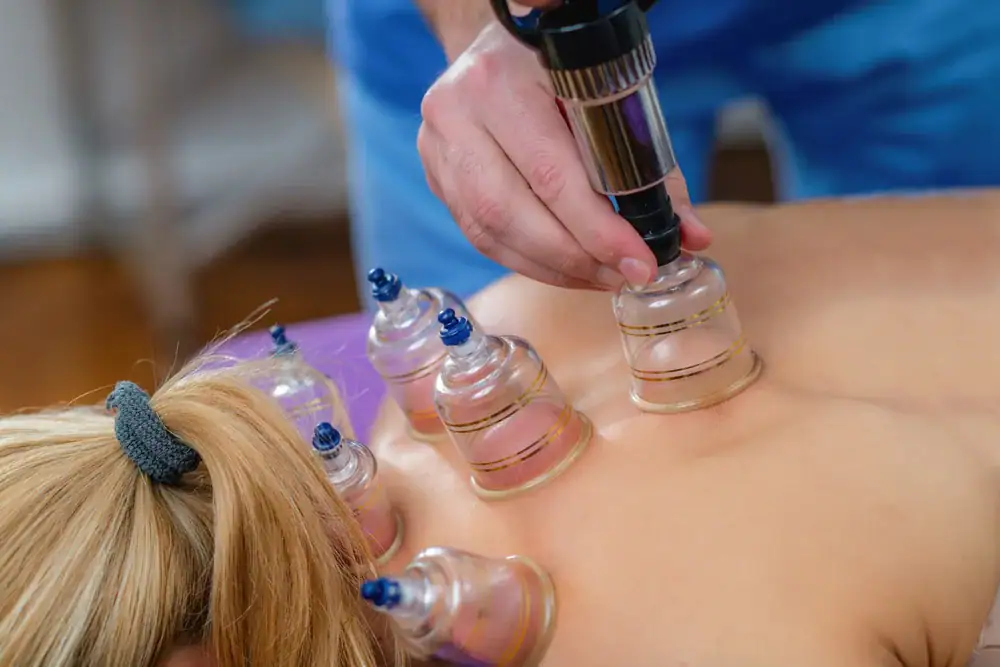
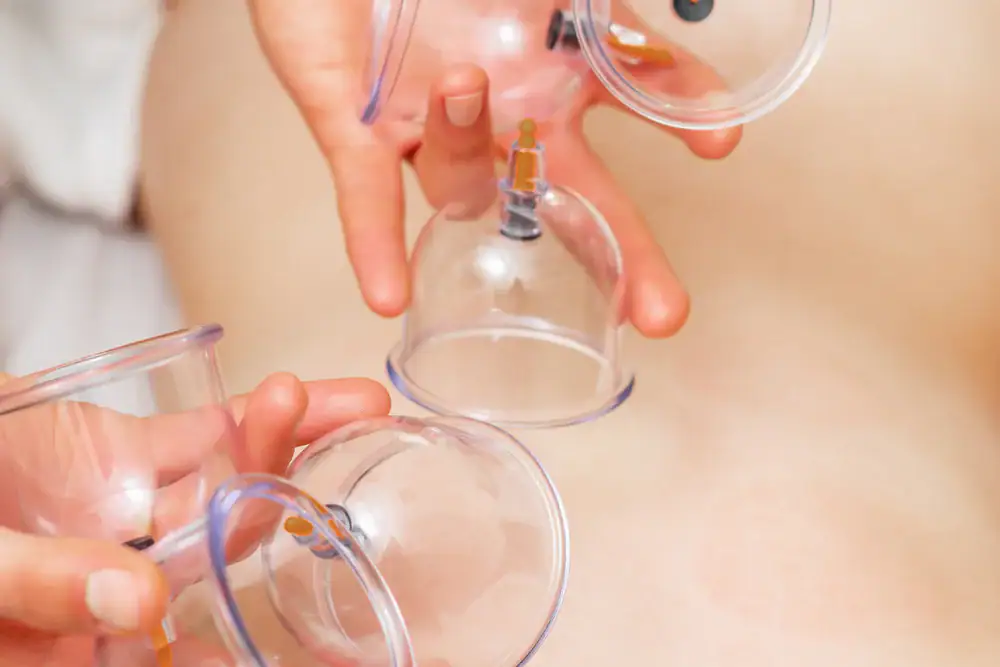
Physical therapists incorporate cupping therapy as one component of comprehensive treatment plans for musculoskeletal pain and movement restrictions. The technique creates suction on the skin using cups made of silicone, glass, or plastic. This suction lifts tissue upward—the opposite of massage, which presses down. The decompression effect increases blood flow, reduces muscle tension, and releases fascial restrictions that limit movement.
Therapists use cupping to address chronic neck pain, low back pain, shoulder tightness, muscle soreness following injury, and restricted mobility from scar tissue or fascial adhesions. The increased circulation brings oxygen and nutrients to areas with poor blood flow, which can accelerate healing and reduce inflammation. The technique also affects pain perception by stimulating sensory nerves that may block pain signals traveling to your brain.
You won’t receive cupping in isolation. During an in-home physical therapy session, your therapist combines cupping with other evidence-based interventions. They might apply cups to tight muscles before stretching exercises, use them after manual therapy to enhance tissue response, or incorporate them into a broader treatment addressing your specific functional limitations and goals.
When your physical therapist recommends cupping, they’ll explain the process and check for any conditions that would make it inappropriate for you. People taking blood thinners, those with certain skin conditions, and individuals with specific medical concerns may need to avoid cupping or receive modified treatment. Your therapist screens for these contraindications during your initial evaluation.
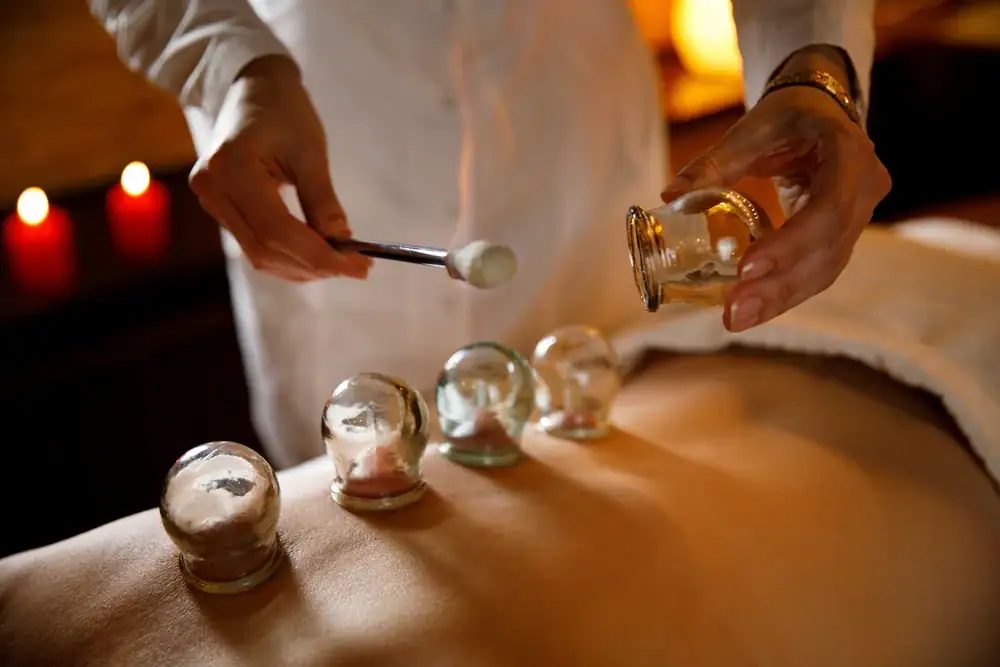
During treatment, the therapist places cups on your skin over the affected area. They create suction by squeezing silicone cups, using a hand pump, or briefly heating the inside of glass cups before placing them on your skin. You’ll feel a pulling sensation as the cup draws your skin and underlying tissue upward. The sensation is unusual but shouldn’t be painful. Your therapist adjusts the suction intensity based on your comfort level and treatment goals.
Cups typically stay in place for five to ten minutes, allowing the suction to affect the underlying tissues. Alternatively, your therapist might use massage cupping, where they apply oil to your skin and glide the cups across the treatment area. This combines the decompression benefits of cupping with the muscle-relaxing effects of massage, often feeling more like a deep tissue massage than traditional stationary cupping.
After removing the cups, you’ll notice circular marks on your skin. These marks result from the suction bringing blood to the surface and breaking small capillaries. They’re not painful and typically fade within three to ten days. The intensity of the marks varies—some people show dramatic dark circles while others have minimal discoloration. Mark intensity doesn’t necessarily indicate treatment effectiveness or how much benefit you’ll experience.
Most people find cupping relaxing despite the unusual sensation. You might feel some tenderness in the treated area immediately after, similar to post-exercise soreness. This usually resolves within 24 hours. Your therapist will explain what to expect and recommend follow-up session timing based on your condition and how you respond to treatment.
Cupping works best as part of ongoing physical therapy rather than a one-time intervention. Your therapist designs a comprehensive program that addresses the underlying causes of your pain or movement limitations. This might include therapeutic exercises to strengthen weak muscles, balance training to prevent falls, manual therapy techniques to improve joint mobility, and home exercise programs you perform between sessions. Cupping enhances this broader treatment plan rather than replacing other interventions.
Clinical research on cupping therapy shows promising but mixed results. Studies indicate cupping may effectively reduce pain intensity for chronic neck and low back pain, with some research suggesting benefits comparable to manual therapy or standard care. The evidence is strongest for pain reduction and improved blood flow, though researchers acknowledge that more high-quality studies are needed to fully establish effectiveness across different conditions.
Physical therapists value cupping because it offers a non-pharmacological pain management option. When you’re dealing with chronic pain that affects your daily function, having alternatives to medication matters. Cupping provides another tool for addressing discomfort without drugs, injections, or invasive procedures—particularly important given ongoing concerns about opioid use and medication side effects in older adults.
The therapy appears to work through multiple mechanisms. The suction stimulates large sensory nerve fibers, which may block smaller pain fibers from transmitting pain signals to your brain—a concept called the gate control theory of pain. Cupping increases local blood circulation, delivering oxygen and nutrients while removing metabolic waste products like lactic acid. The technique also affects fascia, the connective tissue network surrounding muscles, helping release restrictions that limit movement and contribute to pain.
Athletes have brought cupping into mainstream awareness, with Olympic competitors and professional athletes using it for recovery and injury management. While evidence for athletic performance enhancement remains limited, research does support cupping’s use for reducing delayed-onset muscle soreness and improving recovery time after intense training. For older adults managing chronic conditions, these same benefits can translate to better function, reduced pain during daily activities, and improved ability to participate in therapeutic exercise.
Physical therapists emphasize that cupping is complementary rather than a replacement for conventional treatments. It enhances other interventions rather than standing alone as a complete treatment. Your therapist recommends cupping only when they believe it will improve your overall outcomes based on your specific condition, goals, and response to other treatments. This integrated approach gives you the best chance of meaningful, lasting improvement.
The safety profile for cupping is strong when performed by trained professionals. Serious side effects are rare. The main considerations are the temporary skin marks, ensuring treatment appropriateness for your medical history, and understanding that cupping addresses symptoms rather than curing underlying conditions. Your physical therapist discusses these factors during your evaluation and monitors your response throughout treatment.
Understanding Medicare coverage for specialized treatments like cupping therapy helps you make informed decisions without financial surprises. Original Medicare doesn’t cover cupping as a standalone service, but options exist through Medicare Advantage plans or by incorporating it into comprehensive physical therapy sessions. The key is asking specific questions about billing and coverage before treatment begins.
What matters most is finding effective solutions for your pain, mobility limitations, or recovery needs. Whether that includes cupping therapy or focuses on other evidence-based interventions, working with experienced physical therapists ensures you receive care designed around your specific situation. In-home physical therapy brings specialized treatments directly to you, eliminating transportation challenges and allowing treatment in your actual living environment where you need to function.
For Suffolk County, NY and Nassau County, NY residents who need physical therapy services that address their unique needs, we provide comprehensive in-home rehabilitation at Medcare Therapy Services. Our licensed physical therapists deliver personalized care with flexible scheduling, transparent Medicare billing, and specialized treatments designed to improve mobility, reduce pain, and help you maintain independence at home.
Summary:
Article details:
Share: