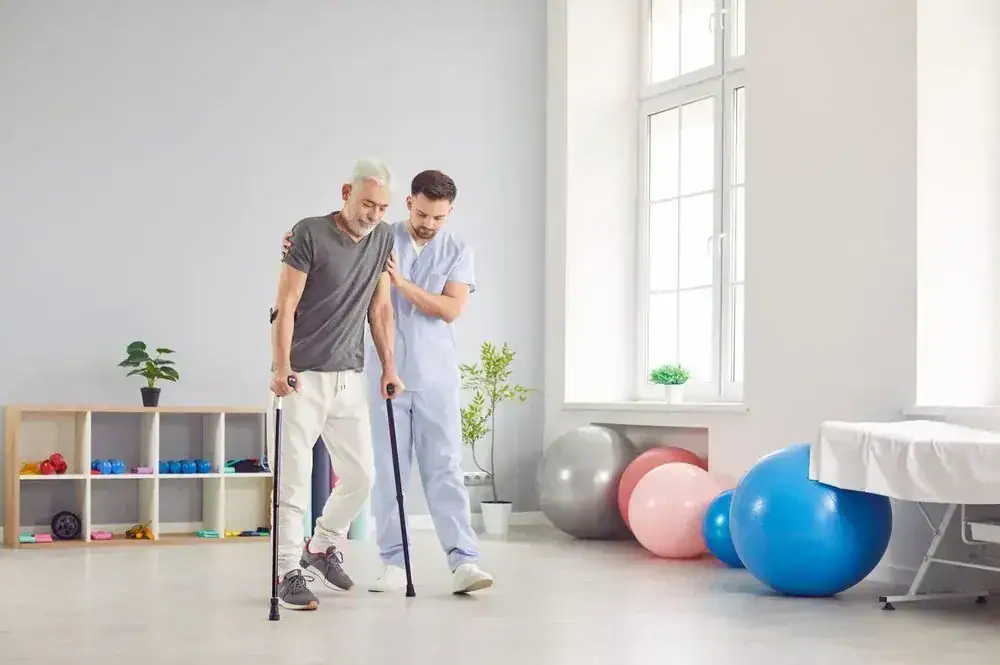
A preview of what we will be discussing at our upcoming event, and why it matters if you or someone you love is thinking about fall prevention on Long Island.
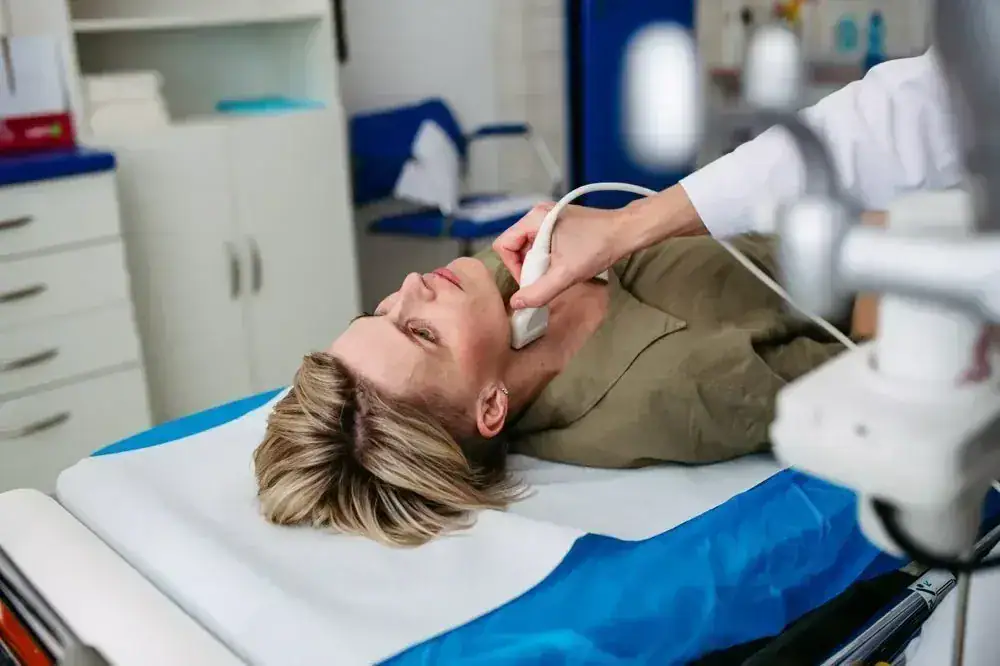
Most people do not start thinking about fall prevention until after something goes wrong. A close call on the stairs. A stumble in the driveway. Or worse, a phone call from the emergency room. By then, the conversation has shifted from prevention to recovery, and that is a harder place to start from.
Our upcoming “Smart Choices, Informed Decisions” event at the Hauppauge Library is built around a different idea: that the best time to make a smart choice about your fall risk is before you are making it from a hospital bed. Join us on Wednesday, November 18, 2026, from 10:00 AM to 11:00 AM in Classroom D (1373 Veterans Memorial Hwy ste 1). Here is a look at what we will be covering and why it matters to you right now.
Healthcare does not stand still, and fall prevention is no exception. Over the past few years, meaningful shifts have happened in how fall risk is assessed, how therapy is delivered, and what Medicare now supports. These changes directly affect seniors and families across Suffolk County and Nassau County.
Some of these changes make it easier to access care. Others change what good care actually looks like. The problem is that most people never hear about these changes until they are already navigating a crisis. That is exactly what our November 18 event is designed to fix. We want you to walk in informed, ask real questions of our expert speakers, and leave with a clearer picture of your options.

In April 2025, the American Physical Therapy Association’s Academy of Geriatrics published a new clinical practice guideline specifically focused on physical therapy management of fall risk in community-dwelling older adults. That is a formal, evidence-based document that shapes how licensed physical therapists are expected to assess and treat fall risk going forward. It is not abstract, as it has real implications for the kind of care you should expect to receive.
What the guideline reinforces is something we have built our programs around for years: fall risk management is a multifactorial issue. It is not just about doing some exercises. A proper fall risk assessment should look at strength, balance, gait, medication interactions, vision, and the actual environment where you live. If a provider is handing you a generic exercise sheet and calling it a fall prevention program, that is not what the current standard of care looks like.
We also want to talk about how these updated guidelines affect what Medicare covers, because a lot of people assume that fall prevention therapy is some kind of optional add-on that insurance will not touch. Kiersten Palma, RN will be speaking at the event specifically to explain Medicare options and Cost Assistance Programs. Medicare Part B covers physical therapy services, including fall prevention PT, when medically necessary.
One of the bigger shifts in how therapy is delivered is the growing recognition that in-home physical therapy is not a lesser version of clinic-based care. It is often a better one. For a large portion of seniors in Suffolk County and Nassau County, it is the only realistic option. Long Island is car-dependent, and if you live in Smithtown, Hauppauge, or Speonk, getting to a clinic multiple times a week requires either a car or someone willing to drive you.
In-home therapy removes that barrier entirely. A licensed therapist comes to your home, works with you in the actual environment where falls happen, and can assess things a clinic visit simply cannot replicate. The loose rug at the top of the stairs, the bathroom layout, and the lighting in the hallway at night are critical factors. Home safety is a documented component of fall risk, and addressing it in the abstract at a clinic is fundamentally different from addressing it where you actually live.
At the event, Stephen M. Joseph, PT will discuss physical therapy, fall prevention, and demonstrate the OTAGO Exercise Program. He will explain how in-home therapy fits into the broader landscape of fall prevention options, how it compares to community programs, and how to figure out which approach makes the most sense for your specific situation.
Want live answers?
Connect with a Medcare Therapy Services expert for fast, friendly support.
It is easy to treat fall statistics as something that applies to other people until it applies to you. Across New York State in 2023, falls caused more than 1,800 deaths, more than 78,000 hospitalizations, and more than 182,000 emergency department visits.
In Nassau County specifically, 88% of injury hospitalizations among older adults are attributed to falls. That is not a national average, that is your county. Statewide, fall prevention has been named a public health priority in New York’s 2025 to 2030 Prevention Agenda. That means local health departments, hospitals, and community organizations across Long Island are actively working on this issue. The awareness is growing, but the question is whether the right information is reaching the people who need it most.

Here is something that does not get talked about enough: most people who fall do not tell their doctor. Sometimes it is because they are embarrassed, or they minimize it by claiming they just tripped. Sometimes they genuinely do not think there is anything a doctor can do about it. Whatever the reason, the consequence is the same: they miss the window to prevent the next one.
Falling once doubles your risk of falling again. That is a documented clinical reality. The first fall often signals an underlying issue with strength, balance, or gait that will not resolve on its own. Without a proper assessment, that issue goes unaddressed, and the cycle continues. About 28% of Americans 65 and older report falling at least once per year.
Balance exercises alone can reduce fall risk by 23 to 24 percent. Combined with targeted strength training, that reduction rises to 30 to 35 percent. Those are real, measurable outcomes. But they require a program that is actually designed around your specific deficits, not a generic set of movements handed to everyone who walks through the door. At the event, we will walk through what a real fall risk assessment looks like and what the warning signs are that often get ignored.
This is one of the most common questions we hear, and it is a genuinely important one. There are a number of free fall prevention programs available on Long Island, including community workshops, group exercise classes, and evidence-based programs offered through hospitals and community organizations. These programs have real value, as they raise awareness, build social connection, and introduce participants to basic balance and strength concepts.
However, they are not the same as clinical physical therapy, and understanding the difference helps you make a smarter decision about what you actually need. Community programs are typically group-based, facilitated by trained volunteers or fitness instructors, and designed around general fall prevention principles. They are not individualized to your specific strength deficits, your gait pattern, your medication list, or the layout of your home.
Clinical physical therapy is different. It starts with a comprehensive assessment using standardized tools that give your therapist an objective picture of where your fall risk actually comes from. A treatment plan is built specifically around your findings, adjusted as you progress, and measured against real outcomes. The honest answer is that some people need clinical PT, some people are well-served by a community program, and some people need both.
You do not have to have fallen to take fall prevention seriously. You do not have to be in crisis to ask questions. And you do not have to figure this out alone. Making decisions about advanced life planning can feel overwhelming, which is exactly why Danielle Moloney-Hassett will also be present to discuss funeral preplanning in an educational, low-stress environment.
Our upcoming “Smart Choices, Informed Decisions” event at the Hauppauge Library is a low-pressure, community-first gathering designed to give you real information. You will learn about current healthcare trends, what the research says actually works, and what your options look like in Suffolk County and Nassau County right now.
Join us on Wednesday, November 18, 2026, from 10:00 AM to 11:00 AM in Classroom D. Come with questions and leave with answers. If you cannot make it to the event but want to talk through your situation directly, Medcare Therapy Services is here. We will tell you what we think you need, and if it is not us, we will tell you that too.
Summary:

Article details:
Share: