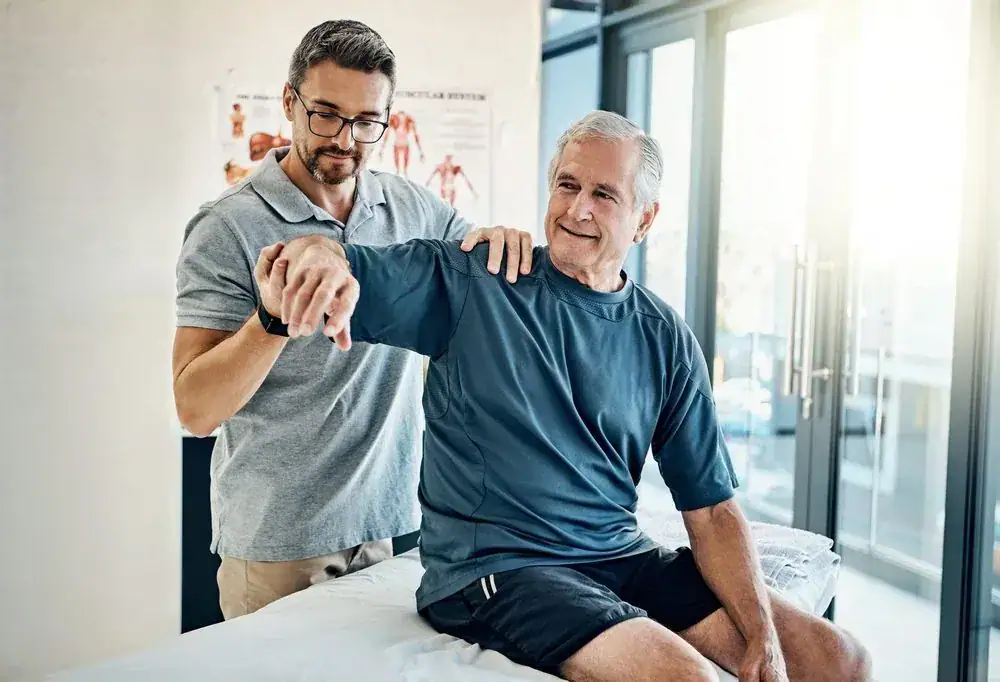
Not all physical therapy clinics are the same. Here are five questions that help you find the right physical therapist in Smithtown before you commit.
Most people in Suffolk County and Nassau County don’t spend a lot of time vetting their physical therapist. They get a referral, they call the number, and they show up. Sometimes that works out fine. But sometimes they spend weeks, and a lot of energy, going through the motions at a clinic that was never really the right fit for their situation. These five questions won’t take long to ask, but the answers will tell you almost everything you need to know. Use them before you book your first appointment anywhere, including with us.
The physical therapy market on Long Island is crowded. Nassau County alone has nearly 2,900 licensed physical therapists, and Suffolk County has over 2,100 more. That’s not a bad thing; it means you have options. But it also means the quality varies more than most people realize, and the difference between a good experience and a frustrating one often comes down to a few specific details that don’t show up on a clinic’s homepage.
These questions aren’t meant to be confrontational. They’re just the kind of things a well-informed patient asks, and any clinic worth your time will answer them without hesitation.
This is the one most people forget to ask, and the answer matters more than almost anything else.
Some clinics book 45-minute appointments where you spend maybe 15 or 20 minutes with the licensed physical therapist. The rest of the time you’re doing exercises on your own, sitting under a heat pad, or working with an aide while the PT moves between patients in other rooms. It’s not illegal, and it’s not uncommon. But it’s also not what most people picture when they schedule physical therapy.
When you call a clinic, ask directly: “How much of my session will I spend working with the licensed physical therapist versus working on my own or with a therapy aide?” A good clinic will give you a straight answer. If the response is vague or overly reassuring without any specifics, that’s worth noting.
We built our Smithtown clinic around true one-on-one care. When you come in for your appointment, you’re working with your physical therapist, not waiting for them. It’s one of the things our patients mention most often when they refer their neighbors to us, and it has been a core part of how we’ve operated since opening here over 25 years ago. That kind of continuity, seeing the same therapist every session who knows where you started and where you’re headed, makes a real clinical difference over time.
This question matters because physical therapy isn’t one-size-fits-all. A clinic that primarily handles sports injuries may not be the best fit for someone recovering from a stroke. A practice focused on post-surgical rehab may not have deep experience with balance and fall prevention. Asking about your specific condition upfront saves everyone time.
In Suffolk County and Nassau County, a significant portion of physical therapy patients are older adults managing fall risk, post-surgical recovery, or neurological conditions like Parkinson’s disease, multiple sclerosis, or the effects of a stroke. This isn’t a coincidence: the Nassau-Suffolk metro area has a median age of 42, noticeably higher than the national average, and Nassau County alone has more than 310,000 residents over the age of 60.
The demand for PT that understands the older adult’s body, goals, and limitations is real and growing. Nassau County ranks fourth in New York State for fall prevalence among older adults. Suffolk County ranks fifth. In Nassau County specifically, 88% of all injury hospitalizations for adults over 65 are caused by falls. Those numbers explain why fall prevention and balance training have to be more than an afterthought at any clinic serving this community.
When you ask a clinic about their experience with your condition, you’re not being difficult. You’re being a smart patient. A physical therapist who treats the whole picture, including your medical history, your home environment, and your personal goals, will get you better results than one who treats only the body part that hurts.
Want live answers?
Connect with a Medcare Therapy Services expert for fast, friendly support.
The clinical questions matter, but so does the practical stuff. Physical therapy only works if you show up consistently, and there are real-world barriers that get in the way: transportation, insurance confusion, and scheduling friction. Asking about these things upfront isn’t being demanding; it’s being realistic about what a successful course of treatment requires.

A lot of people in Suffolk County delay starting physical therapy because they assume they need to see their doctor first, get a prescription, wait for an appointment, and then call a PT clinic. That assumption is understandable, as it’s how most medical care works. But it’s not how physical therapy works in New York.
Under New York’s direct access law, you can begin physical therapy without a physician referral for up to 10 visits or 30 days, whichever comes first, as long as your physical therapist has at least three years of clinical experience. After that initial window, your PT will refer you to a physician for further evaluation if treatment needs to continue. But for most people, those first visits are when you need to get moving, and waiting weeks for a referral appointment can slow down your recovery meaningfully.
There is one thing to keep in mind: your insurance plan may require a referral for coverage purposes, even if state law doesn’t require one for treatment. Your physical therapist is required to inform you of this in writing at the start of treatment if you’re coming in without a referral. So ask the clinic directly: “Will my insurance cover this without a referral, and what do I need to do to make sure it does?” That conversation takes five minutes and can prevent a billing surprise later.
If you’re a Medicare beneficiary, there’s another option worth knowing about. Medicare covers medically necessary in-home physical therapy when it’s provided by a certified provider. For patients in Smithtown and across Suffolk and Nassau Counties who have difficulty getting to a clinic, due to a recent surgery, a mobility limitation, or simply the challenge of getting around after a fall, in-home therapy removes the transportation barrier entirely. Our licensed therapists travel to patients throughout the area, and the care you receive at home is the same quality as what you would receive in our Smithtown clinic.
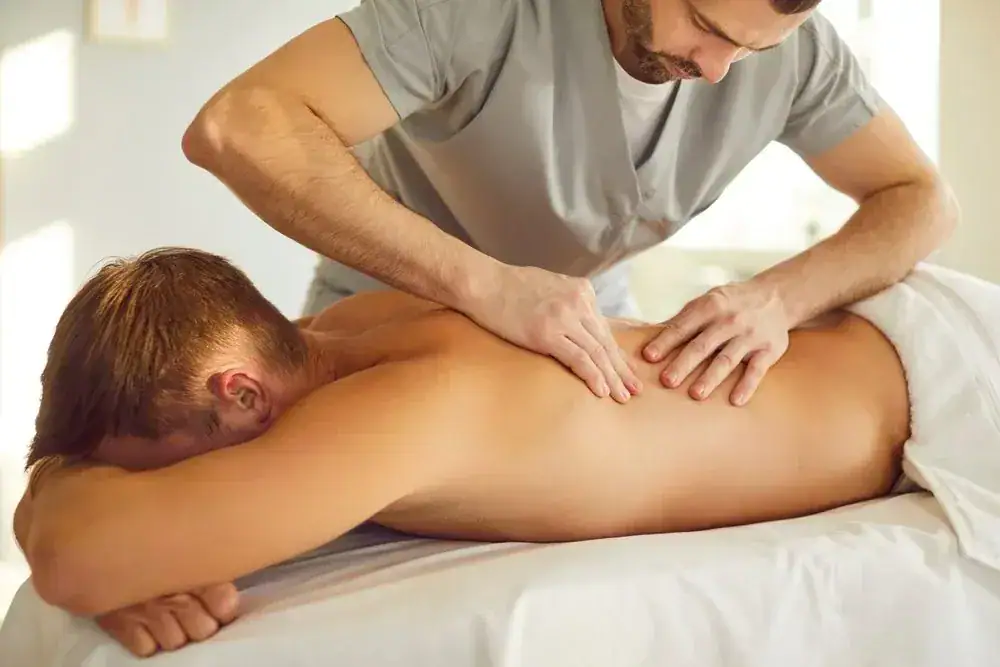
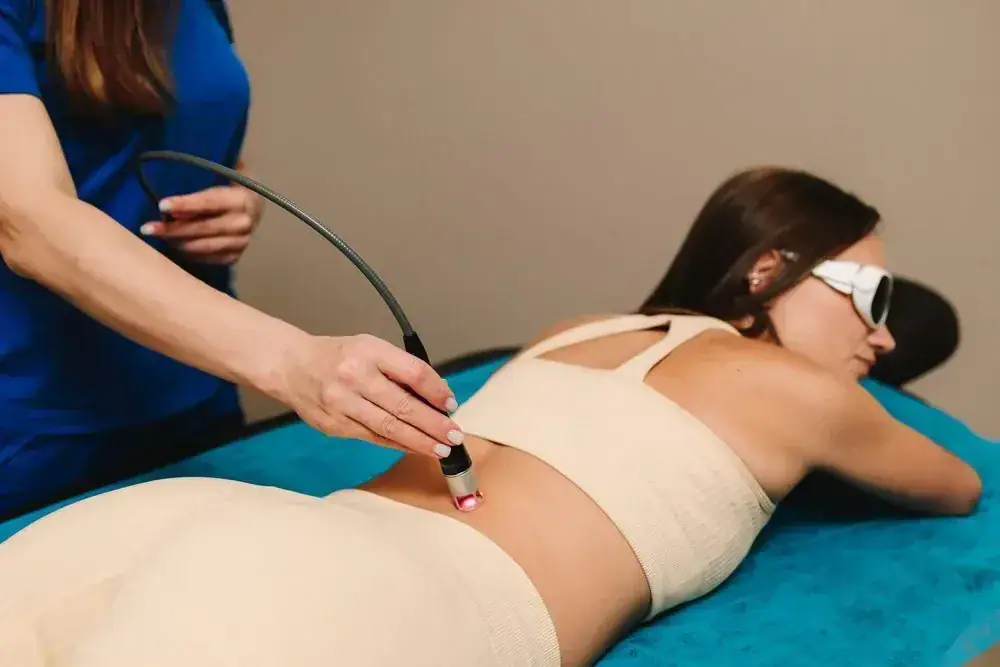
Most people know physical therapy involves exercises and stretching. Fewer people know that a good PT practice also uses hands-on manual therapy techniques that go well beyond a set of resistance band exercises. Asking about the full range of treatments a clinic offers, before you start, helps you understand what is available to you.
Cupping therapy is one technique that tends to surprise people when they first hear it mentioned in a PT context. It’s not a spa treatment or a wellness trend. When it’s applied by a licensed physical therapist as part of a comprehensive treatment plan, dry cupping is a clinically grounded manual therapy technique used to address soft tissue restrictions, reduce pain, and improve circulation in targeted areas. Our therapists at Medcare Therapy Services are licensed PT professionals who use cupping as one tool within a broader, individualized plan, not as a standalone service.
The reason this question matters is that it reveals how a clinic approaches patient care. A practice that only offers exercises and electrical stimulation has a narrower toolkit than one that integrates manual therapy, neuromuscular re-education, strength training, and techniques like cupping into a personalized plan. For patients dealing with chronic pain, post-surgical stiffness, or conditions that haven’t responded well to standard approaches, that broader toolkit can make a real difference.
The fifth question worth asking any clinic is simply: “Will my treatment plan be built around my specific goals, or is it a standard protocol?” The answer tells you if you’re walking into a clinic that treats patients or one that treats conditions. There’s a meaningful difference, and after 25 years of serving the Smithtown community, we know which one leads to better outcomes.
Summary:
Article details:
Share: