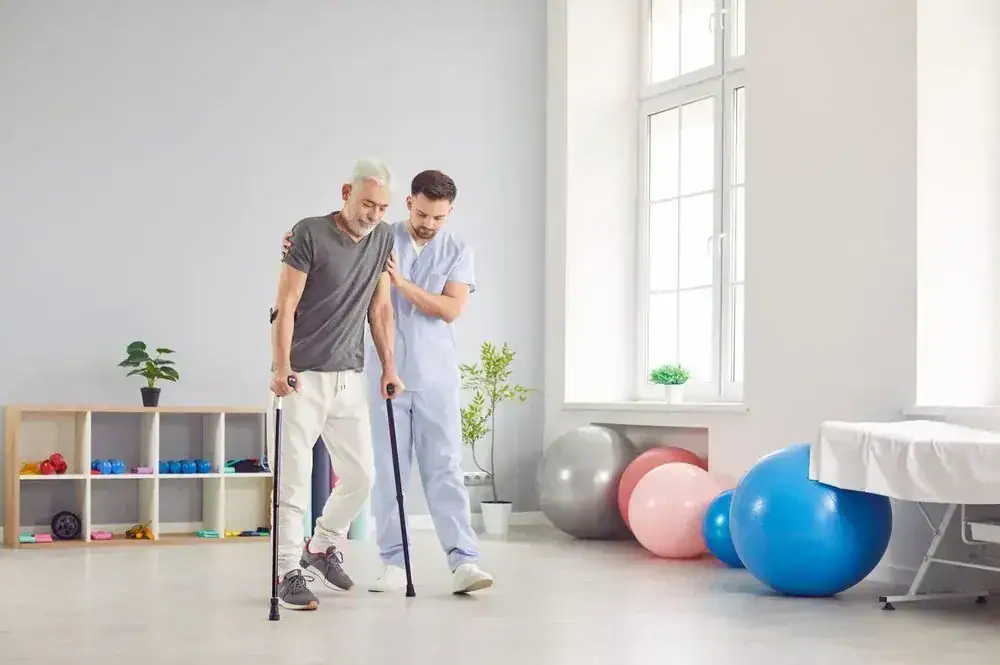
Community health seminars focused on fall prevention are gaining real traction on Long Island. Here's what's driving that growth, and why it matters for you.
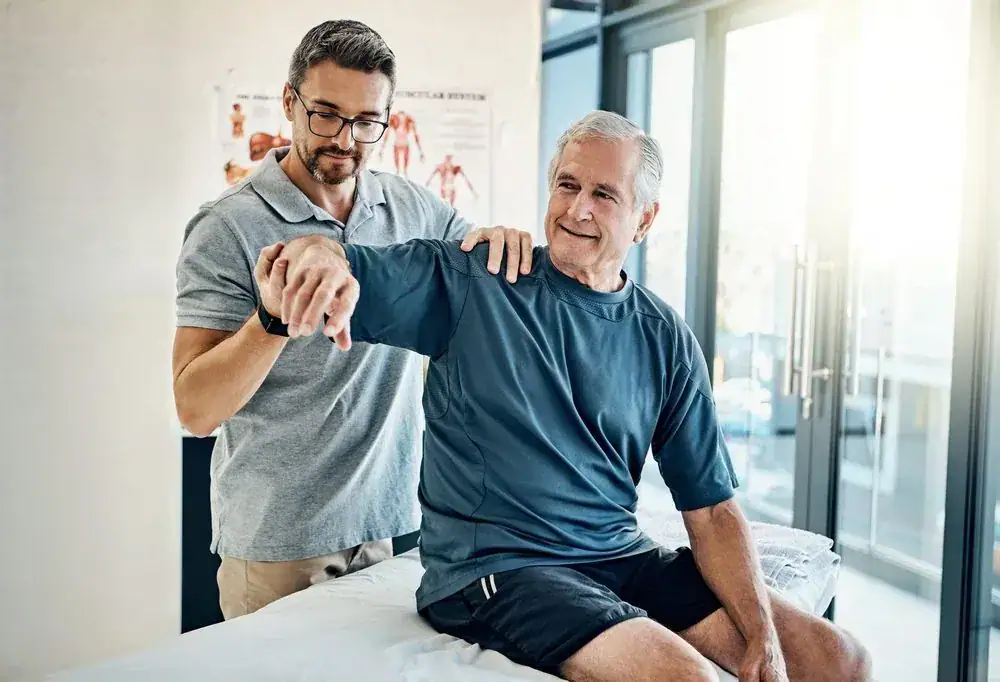
Something has shifted on Long Island over the last few years. Community health seminars, particularly those focused on fall prevention and balance, are filling up faster, drawing bigger crowds, and showing up in more towns across Suffolk and Nassau Counties. That’s not a coincidence, and it’s not just a wellness trend.
There’s a real reason programs like the upcoming “Smart Choices, Informed Decisions” event on Wednesday, November 18, 2026, from 10:00 AM to 11:00 AM at the Hauppauge Library are growing. If you or someone in your family has started paying attention to fall risk, it’s worth understanding what’s actually driving the demand, and what to do with the information once you have it.
The numbers behind this trend are hard to ignore. In 2023, fall injuries caused more than 1,800 deaths, more than 78,000 hospitalizations, and more than 182,000 emergency department visits among New York State residents aged 60 and older. From 2018 to 2023, fall-related deaths among New Yorkers in that age group increased by 25 percent.
That’s not a stable situation, it’s a worsening one. In Nassau County specifically, 88 percent of injury hospitalizations for adults over 65 stem from falls. That figure alone explains why organizations across Long Island, from hospital systems to community nonprofits to private therapy practices like ours, have started investing heavily in community education. The demand is real because the problem is real.
Part of what makes Long Island’s situation distinct is the geography. This is a suburban, car-dependent region where most seniors live in single-family homes with stairs, narrow hallways, and bathrooms that were never designed with aging in mind. Getting to a health program in a distant city isn’t realistic for a lot of people, making locally hosted seminars in towns across Suffolk and Nassau Counties incredibly valuable.
When a program runs in a familiar space like the Hauppauge Library in Classroom D (1373 Veterans Memorial Hwy ste 1), attendance becomes possible for people who wouldn’t otherwise show up. A community seminar is a low-stakes entry point. It doesn’t require a referral, a diagnosis, or an admission that something is wrong; you can walk in curious, sit in the back, and leave having learned something useful.
For seniors who are noticing some unsteadiness but don’t want to make a big deal of it, that format matters. Community seminars that speak honestly about risk, without being alarmist, are doing something genuinely useful: they’re helping people understand what they’re dealing with before a crisis forces the conversation. These aren’t casual wellness events; they’re structured programs built around research, led by professionals like Stephen M. Joseph, PT, and designed to change behavior in ways that reduce risk.
Not every community health event is the same, and that distinction matters. There’s a meaningful difference between a seminar built around evidence-based protocols and a general wellness fair where someone hands you a brochure and a free pen. The clearest signal is whether the program follows a recognized framework.
For instance, at our November 18 event, Stephen M. Joseph, PT will be demonstrating the OTAGO Exercise Program, an evidence-based physical therapy protocol with documented outcomes for fall reduction. The second thing to look at is who’s presenting. Fall risk involves muscle strength, gait, balance, medication side effects, vision changes, and home environment, so the person leading the conversation should have the credentials to address them properly. Our seminar also tackles other senior planning topics, featuring Danielle Moloney-Hassett discussing funeral preplanning and Kiersten Palma, RN breaking down Medicare options.
Third, look for whether the program includes any individualized component or clear next steps. Does the program connect you to clinical resources, or does it leave you with a handout and a vague suggestion to “talk to your doctor”? A well-designed seminar closes that gap by helping you understand not just that fall risk is real, but what to do about it.
Want live answers?
Connect with a Medcare Therapy Services expert for fast, friendly support.
Attending a community health seminar is a smart first step. It’s genuinely valuable to understand the risk factors, hear from clinical professionals, and start thinking about your home environment. But a seminar is education, not treatment. It raises awareness. It doesn’t build strength, improve balance, or assess your specific gait pattern. That’s where the work happens.
The most informed thing you can do after a seminar is take what you’ve learned and apply it with someone who can build a plan around your body, your home, and your actual risk profile. That’s what physical therapy does. For many Long Island seniors, the path from seminar attendee to therapy patient is the most direct route to lasting change.
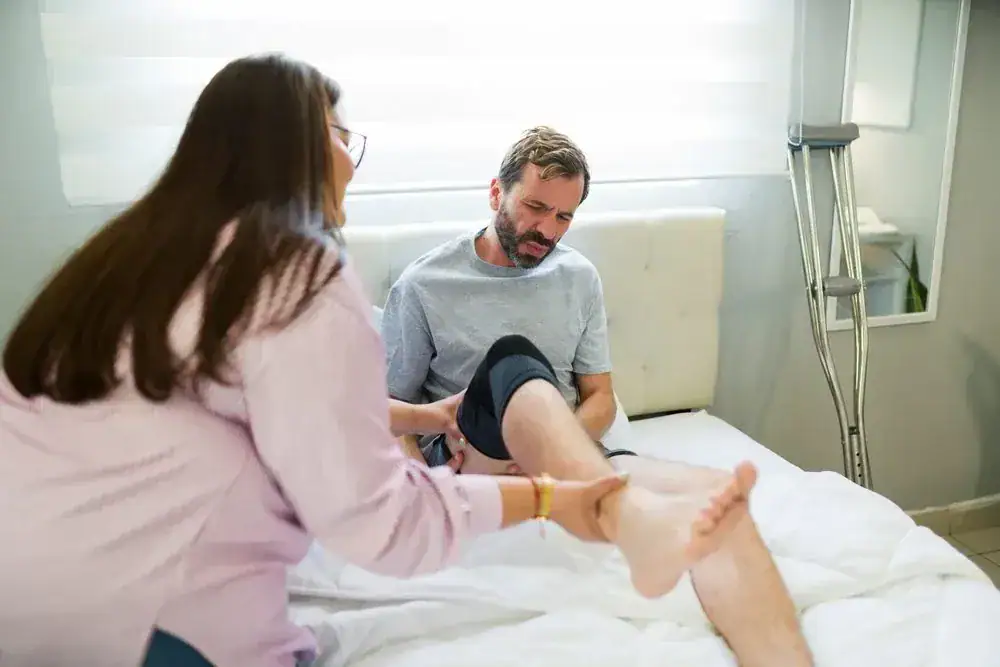
This is one of the most common questions we hear, and Kiersten Palma, RN will be covering Medicare Cost Assistance Programs and options in detail. The short answer is yes: Medicare covers medically necessary physical therapy, including fall prevention programs, when there is a documented fall risk. If you’ve had a fall, reported unsteadiness to your doctor, or been identified as at-risk during a screening, that documentation supports coverage.
You don’t have to have had a serious injury to qualify. We’re Medicare-certified, and we accept most commercial insurance as well. We bring that up because we’ve seen how many people across Suffolk and Nassau Counties simply don’t know they’re covered, and that uncertainty keeps them from getting care they’re entitled to.
The financial piece also connects to a broader point about timing. Physical therapy within three months of a fall risk diagnosis can cut the chances of falling again by more than half. Waiting, whether because of cost concerns, scheduling friction, or uncertainty about whether the problem is “serious enough,” increases risk. The sooner a licensed therapist can assess your balance, strength, and home environment, the more options you have.
There’s a version of fall prevention care that happens in a clinic, which works fine for many. But for a significant portion of Long Island’s senior population, particularly those who’ve reduced their driving or whose unsteadiness makes the whole production feel like too much, the clinic model creates the very barrier it’s supposed to help overcome.
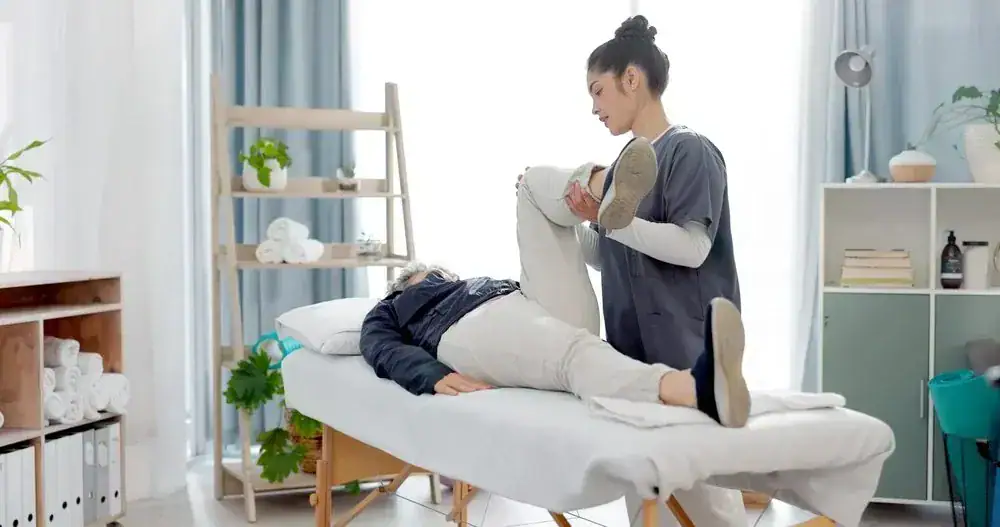
In-home physical therapy solves that differently because we come to you. When a therapist works with you in your actual home, they can identify the specific places where your fall risk is highest, not in the abstract, but in the real environment where a fall would happen. That’s something no clinic can replicate.
We’ve been delivering in-home physical therapy across Suffolk and Nassau Counties since 2010, and our affiliated clinic, Physical Therapy Associates of Smithtown, has been part of the Smithtown community since 2000. Every patient we see gets one-on-one care with the same therapist at every visit, ensuring we track your progress and adjust your plan as you improve.
Community health seminars like “Smart Choices, Informed Decisions” are growing on Long Island because the need is real and the population is paying attention. Attending the Wednesday, November 18 seminar at the Hauppauge Library is a genuinely good idea, it builds awareness, surfaces questions you didn’t know to ask, and connects you to experts who can help.
But awareness is the beginning of the process, not the end of it. The most informed decision you can make after a seminar is to follow through with care that’s built around you specifically: your strength, your balance, your home, your history.
If you or someone in your family is ready to take that next step, we’re here. We’ve been doing this work on Long Island for a long time, and we’d be glad to help you figure out where to go from here. Reach out to Medcare Therapy Services to schedule your evaluation.
Summary:
Article details:
Share: