Finding a physical therapist on the East End isn't just about who's closest. Here's what to look for before you commit to care.

If you’ve been putting off physical therapy, you’re not alone. Maybe you’ve had a bad experience before: showed up, waited, and spent most of the session with an aide while the licensed therapist briefly checked in between three other patients. Or maybe you’re just not sure where to start, what to ask, or if your insurance even covers it.
Here on the East End of Long Island, the options are more limited than in the western suburbs, which makes the decision feel even more loaded. This guide is meant to cut through that noise. By the end, you’ll know what to look for, and what to walk away from.
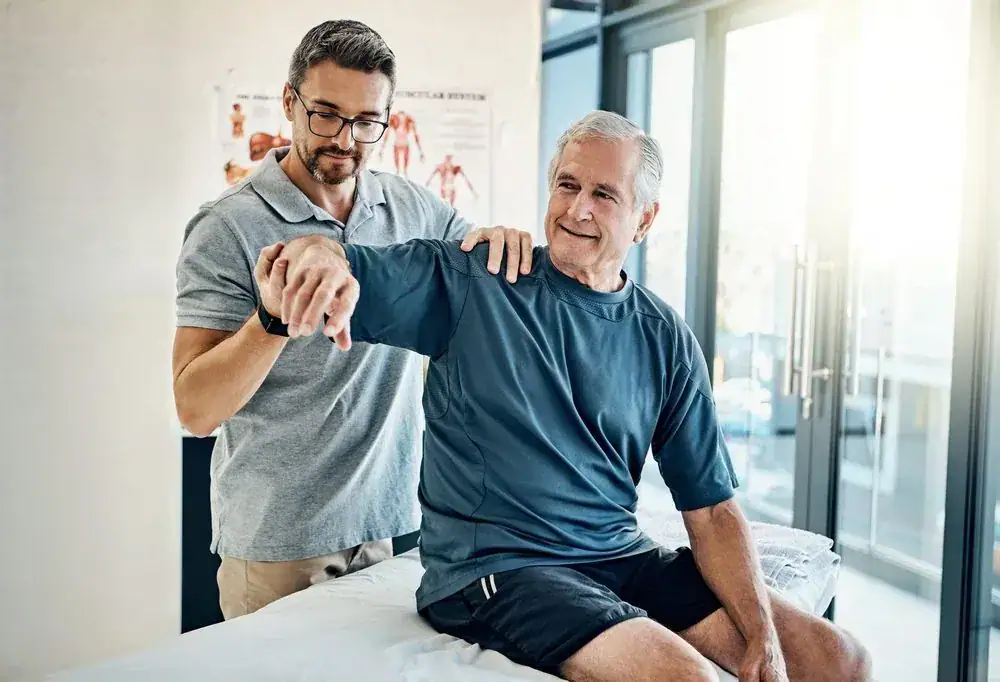
The most important question you can ask before booking is simple: will I be working directly with a licensed physical therapist, or will most of my session be handled by an aide?
It sounds like a basic question, but a lot of practices in Suffolk County operate on a model where one therapist manages multiple patients at once, cycling between rooms, delegating hands-on work to support staff, and checking in for a few minutes per patient per session. That model might keep a clinic’s schedule full, but it’s not how you get better.
Real physical therapy requires consistent, direct attention from someone who knows your case, adjusts your plan as you progress, and stays present for the full session. That standard isn’t a luxury; it’s what the profession is supposed to look like.
This is one of the most common things people get wrong, and it’s worth clearing up right away. New York State law allows you to begin physical therapy for up to ten visits without a physician’s prescription. That’s called direct access, and it means you don’t have to wait weeks for a doctor’s appointment just to get a referral before you can start treatment.
If you’re dealing with back pain, a stiff shoulder, post-surgical soreness, or a balance issue that’s been bothering you, you can call a physical therapist directly and get started. The therapist will evaluate you, develop a plan, and begin treatment, all without a referral in hand.
This matters more than most people think. Conditions that are caught and treated early tend to respond faster. When people delay care waiting for paperwork, they often come in with a problem that’s had weeks or months to worsen, compensate, and become more complicated.
For patients in Speonk, Remsenburg, Eastport, East Quogue, and the surrounding hamlets in Suffolk County, this is especially relevant. The East End has fewer healthcare providers per capita than the rest of Long Island, which means specialist appointments, including the kind that generate PT referrals, can take longer to get. Direct access removes that bottleneck entirely.
After ten visits, your therapist may ask you to get a prescription to continue care under certain insurance plans. But for most people, getting started is the hardest part, and the direct access law removes the main obstacle standing in the way.
The term “PT mill” gets used a lot, but what does it mean in practice? It refers to a physical therapy clinic that prioritizes volume over individualized care: booking more patients than therapists can realistically manage, leaning heavily on aides for hands-on work, and cycling patients through a standard protocol regardless of their specific condition or progress.
The signs are usually visible from the first visit. If your intake is rushed, if you’re handed a printed sheet of exercises without much explanation, if you see a different face every session, or if your therapist seems distracted or is frequently stepping out to check on someone else, those are signals worth paying attention to.
Quality physical therapy looks different. Your therapist is present for the full session. They know your history without having to look it up. The exercises and manual work they’re doing with you are specific to your diagnosis, your goals, and where you are in your recovery, not just a standard set pulled from a template. When something isn’t working, they adjust. When you’re progressing, they push you further.
Consistency matters enormously here. Seeing the same therapist at every appointment isn’t just a comfort thing; it’s clinically important. A therapist who has worked with you week after week understands your movement patterns, your limitations, and the small improvements that don’t always show up in formal measurements. That relationship is part of what drives outcomes.
On the East End of Long Island, where the year-round population skews older and many patients are managing post-surgical recovery, chronic pain, or neurological conditions, this level of continuity isn’t optional. It’s what makes the difference between completing a course of treatment and dropping out halfway through because you’re not seeing results.
Want live answers?
Connect with a Medcare Therapy Services expert for fast, friendly support.
For a lot of patients in Suffolk County and Nassau County, the choice between in-home and in-office physical therapy isn’t just about preference; it’s about what’s feasible. If you’ve just had surgery, if your balance is compromised, or if you live alone without reliable transportation, getting to a clinic three times a week isn’t always realistic.
In-home physical therapy delivered by a licensed physical therapist is clinically equivalent to in-office care. The difference is logistics: the therapist comes to you, works in the space where you live, and builds your program around your real environment, not a clinic’s equipment.
The patients who benefit most from in-home physical therapy tend to fall into a few clear categories. Post-surgical patients, especially those recovering from joint replacements, spinal procedures, or cardiac surgeries, often can’t drive in the early weeks of recovery and need PT to begin promptly to prevent complications and maintain progress. For these patients, waiting until they can get themselves to a clinic isn’t just inconvenient; it’s a real clinical risk.
Older adults managing balance disorders, fall risk, or neurological conditions like stroke are another group for whom in-home PT is often the better fit. The year-round population in Speonk and Remsenburg skews significantly older, with Southampton Town’s demographic data showing more than 20 percent of residents are 65 or older, with a median age of 45.4. For many of these residents, the barrier to starting PT isn’t desire or insurance; it’s simply getting there.
In-home PT also allows the therapist to see your everyday environment: the stairs you navigate every day, the bathroom layout, and the floor surfaces you walk on. That context shapes the treatment in ways that a clinic visit can’t replicate. A therapist working in your home can identify fall hazards, suggest modifications, and build exercises that directly address the specific challenges of your living situation.
Medicare covers in-home physical therapy when the patient meets qualifying criteria, which is important for the significant portion of East End residents who are Medicare-eligible. If you’re unsure if you qualify, a simple call to our practice can clarify that quickly, with no need to wade through insurance documentation on your own.
Cupping therapy has gotten a lot of attention over the past several years, and with it, a fair amount of skepticism. It’s worth separating what the evidence shows from the noise.
Dry cupping, the form used in physical therapy settings, involves placing cups on the skin to create suction, which increases blood flow to the area, reduces muscle tension, and can help decrease localized pain. There are no incisions, no needles, and no medication involved. Multiple systematic reviews, including research published through the National Institutes of Health and indexed on PubMed, have found statistically significant benefits for conditions including chronic low back pain, neck pain, and knee osteoarthritis. The adverse event profile is very low, which is one reason it’s increasingly integrated into evidence-based rehabilitation programs.
Where cupping becomes useful in a PT context is as a complement to manual therapy and therapeutic exercise, not as a standalone treatment. If you’re working through a course of physical therapy for back pain or a stiff neck, cupping can help address the soft tissue component that hands-on work and exercise alone sometimes can’t fully reach. It’s a tool in the plan, not a replacement for the plan.
For patients in Suffolk County and Nassau County dealing with chronic pain, post-injury tightness, or conditions that haven’t responded fully to conventional treatment, it’s worth asking your physical therapist if cupping makes sense for your specific situation. Not every patient needs it, and a good therapist won’t push it on you; it is a legitimate option backed by solid research, and knowing it’s available is part of making an informed choice about your care.
The key question isn’t deciding if cupping is trendy or traditional. The question is how well it fits your diagnosis and your goals, which makes for a conversation worth having with someone who knows your case.
Choosing a physical therapist on the East End of Long Island isn’t complicated once you know what matters. You want someone who works with you directly, not through an aide. You want someone who builds a plan around your specific situation, not a standard protocol. You also want someone who accepts your insurance, communicates clearly, and continues seeing patients in your community years from now because they’ve earned that trust.
Those aren’t high standards; they’re the baseline. The problem is that not every practice meets them, and it’s easy to find that out the hard way after a few disappointing sessions.
At Medcare Therapy Services, we’ve been treating patients at our Speonk location since 2004. We offer both in-office and in-home physical therapy, we accept Medicare, and every session is one-on-one with a licensed physical therapist. Contact Medcare Therapy Services today to verify your insurance benefits and schedule your one-on-one consultation with a licensed physical therapist.
Summary:
Article details:
Share: