Wondering what happens at your first physical therapy appointment? This guide walks you through the evaluation process, goal setting, and what to expect from your initial session.

Your first appointment is longer than follow-up sessions because it’s part conversation, part assessment, and part planning. Most initial evaluations take 60 to 90 minutes, depending on your condition and the setting. If you’re receiving in-home manual therapy in Suffolk County, NY or Nassau County, NY, we come to you, which means we can also assess your actual living environment—the stairs you use, the layout of your home, and any hazards that might be contributing to your challenges.
The session starts with questions. We’ll ask about your medical history, current symptoms, medications, and what brought you to therapy. We want to know what activities are difficult, what makes your pain worse or better, and what you’re hoping to accomplish. This isn’t small talk. Every detail helps us understand the full picture of what’s going on and what treatment approach will work best for you.

Once we have a sense of your history and goals, we move into the physical assessment. This is where we gather objective information about how your body is currently functioning. You won’t be asked to do anything that feels unsafe, and we’ll explain each step before we do it.
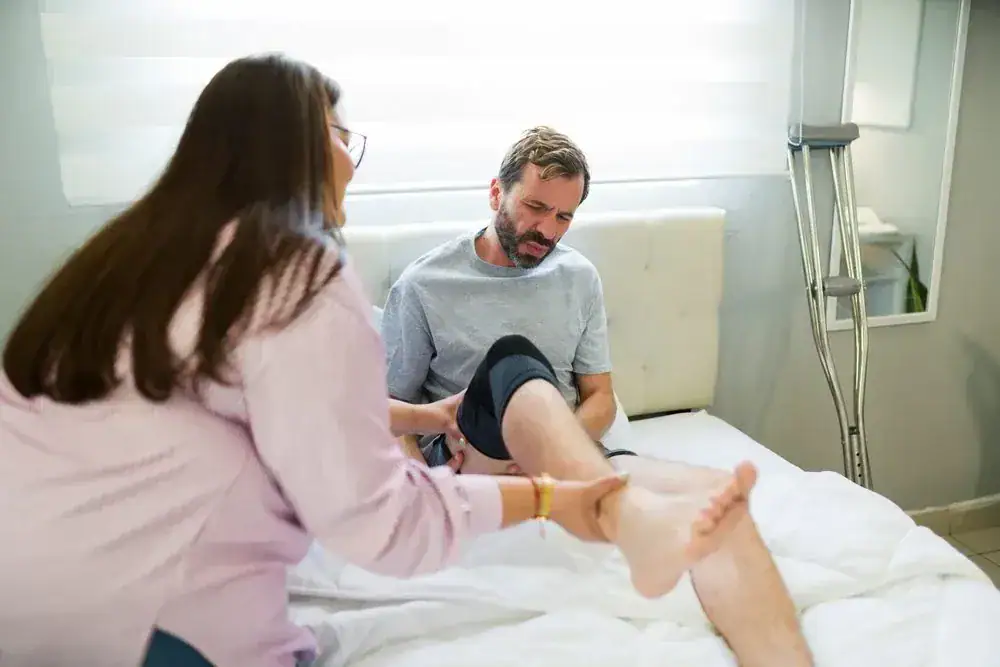
The evaluation typically includes range of motion testing, where we move your joints through their available movement or ask you to move them yourself. We’re checking for stiffness, pain, or limitations that might be affecting your daily activities. Strength testing comes next. This might involve pushing against our hand, lifting your leg, or squeezing our fingers. It’s not about how strong you are compared to someone else—it’s about establishing a baseline so progress can be measured later.
Balance and coordination are also assessed, especially if you’re at risk for falls or have had a recent fall. We might ask you to stand on one leg, walk a short distance, or perform movements that test your stability. If you’re recovering from a stroke, surgery, or neurological condition, we may also evaluate your posture, gait, and how well you can perform functional tasks like getting out of a chair or reaching overhead.
For those receiving in-home therapy, this evaluation happens in your actual environment. We can see the real challenges you face—narrow hallways, uneven flooring, stairs without railings, or furniture placement that creates obstacles. This context is invaluable because it allows us to tailor your treatment to the space where you actually live and move.
Throughout the evaluation, we’re also observing. We’re noticing how you move, where you hesitate, what causes discomfort, and how your body compensates for limitations. All of this information feeds into the treatment plan we’ll develop with you.
Goal setting isn’t something we do to you—it’s something we do with you. After the evaluation, we’ll sit down and talk through what we found, what we believe is causing your symptoms, and what can realistically be improved. This is where your input matters most.
We’ll ask what you want to be able to do. Maybe it’s walking to the mailbox without fear of falling. Maybe it’s being able to lift your grandchild again. Maybe it’s reducing pain enough to sleep through the night. These personal goals shape the entire treatment plan. Physical therapy goals are typically broken into short-term and long-term categories. Short-term goals are achievable within a few weeks and might include things like improving your ability to stand from a chair without using your hands or increasing shoulder range of motion by 20 degrees. Long-term goals take longer—often several weeks to a few months—and focus on bigger outcomes like returning to walking independently or resuming activities you’ve had to stop.
We’ll also explain what’s realistic based on your condition, age, and overall health. If you’ve been sedentary for months or are recovering from major surgery, progress takes time. We’ll set goals that challenge you without overwhelming you, and we’ll adjust those goals as you improve or if setbacks occur.
One thing that often surprises people is how specific these goals are. Instead of “get stronger,” your goal might be “increase quad strength to allow independent stair climbing within six weeks.” This specificity helps both you and us know exactly what you’re working toward and when you’ve achieved it. It also keeps you motivated because you can see measurable progress along the way.
For patients in Nassau County, NY and Suffolk County, NY receiving in-home physical therapy, goals often include home-specific tasks—like safely navigating your bathroom, getting in and out of your shower, or moving around your kitchen without assistance. Because we’re working with you in your actual space, we can set goals that directly impact your daily life and independence at home.
Want live answers?
Connect with a Medcare Therapy Services expert for fast, friendly support.
Physical therapy assessments go beyond just checking if you can move a joint or lift a weight. We’re evaluating how well your body functions as a system and where breakdowns are occurring. These assessments give us the data we need to create an effective treatment plan.
Strength testing measures how much force your muscles can generate. Weak muscles often contribute to pain, poor posture, instability, and difficulty with daily tasks. We’ll test specific muscle groups related to your condition—like hip and leg strength if you’re working on balance and fall prevention, or shoulder and arm strength if you’re recovering from an upper body injury.
Mobility and flexibility assessments look at how freely your joints move and whether tight muscles or stiff joints are limiting your function. Reduced mobility can lead to compensatory movement patterns that create new problems over time, so identifying these restrictions early is critical.

Balance testing is especially important for older adults and anyone at risk for falls. We may use standardized tests like the Berg Balance Scale or Timed Up and Go test to measure your stability and fall risk. These tests involve tasks like standing with your feet together, standing on one leg, turning in a circle, or getting up from a chair and walking a short distance.
The results give us objective data about your current balance abilities and help us track improvements over time. If you’re receiving in-home therapy, we can also assess how you navigate your actual living space—how you move through doorways, handle stairs, or reach for items in cabinets. This real-world testing is far more valuable than what can be done in a clinic because it reflects the challenges you face every single day.
Functional movement testing evaluates how well you perform activities that matter to you. Can you get dressed without assistance? Can you carry groceries? Can you get down on the floor and back up again? We’ll ask you to demonstrate these movements or similar tasks so we can see where you’re struggling and what needs to be addressed.
Gait analysis—watching how you walk—is another key assessment. We observe your walking pattern, stride length, speed, posture, and balance while moving. Abnormal gait patterns often indicate underlying strength, mobility, or neurological issues that need treatment. If you use a walker, cane, or other assistive device, we’ll also assess whether you’re using it correctly and whether it’s the right fit for your needs.
For patients dealing with chronic pain, we may also assess your pain levels at rest and during movement, using scales that help quantify what you’re experiencing. This baseline measurement allows us to track whether treatment is reducing your pain over time. We may also evaluate your posture, body mechanics, and how you perform daily tasks to identify movement patterns that might be contributing to ongoing discomfort.
By the end of your first visit, you’ll walk away with more than just a list of exercises. You’ll have a clear understanding of what’s causing your symptoms, what the treatment plan involves, and what you need to do between sessions to support your progress. We’ll often start some form of treatment during that first appointment, even if it’s just a few gentle exercises or manual therapy techniques to address immediate concerns.
You’ll also receive a home exercise program. These aren’t optional—they’re a critical part of your recovery. We’ll demonstrate each exercise, watch you perform it to make sure you’re doing it correctly, and provide written instructions or visual aids you can reference at home. The exercises are tailored to your current abilities and designed to address the specific impairments identified during your evaluation.
In the visits that follow, we’ll build on what was started in that first session. We’ll progress your exercises as you get stronger, introduce new techniques to address different aspects of your condition, and continuously reassess your progress. Most patients attend therapy two to three times per week initially, with sessions gradually spacing out as they improve and become more independent with their home program.
You’ll also learn strategies for managing symptoms between visits—like when to use ice versus heat, how to modify activities to avoid aggravating your condition, and warning signs that you should contact us. Education is a huge part of physical therapy. The more you understand about your body, your condition, and how to take care of yourself, the better your outcomes will be.
For those receiving in-home physical therapy in Suffolk County, NY or Nassau County, NY, we’ll also provide recommendations for making your home safer. This might include removing tripping hazards, improving lighting, installing grab bars, or rearranging furniture to create clearer pathways. These modifications, combined with your therapy exercises, significantly reduce your risk of falls and help you maintain independence longer.
Progress doesn’t happen overnight, and we’ll be honest about timelines. Some people notice improvements within the first few sessions—less pain, better movement, more confidence. Others take longer, especially if they’re recovering from surgery or dealing with complex conditions. What matters is that you’re moving in the right direction, and we’ll track that progress using the same tests and measurements from your initial evaluation.
Your first physical therapy visit is the beginning of a process, not a one-time fix. It’s where you and your therapist establish a partnership focused on getting you back to the activities and independence you value. You’ll leave that first session with a clearer understanding of what’s going on with your body, a realistic plan for improvement, and the tools you need to start making progress.
The evaluation, the goal setting, the assessments—they all serve one purpose: creating a treatment plan that’s specific to you and your situation. Whether you’re working to recover from surgery, reduce chronic pain, improve balance, or regain strength and mobility, that first visit sets the foundation for everything that follows.
If you’re in Suffolk County, NY or Nassau County, NY and need in-home physical therapy, we bring this entire process to you. Our licensed therapists conduct thorough evaluations, set meaningful goals, and deliver personalized care in the comfort and safety of your own home.
Summary:


Article details:
Share: