

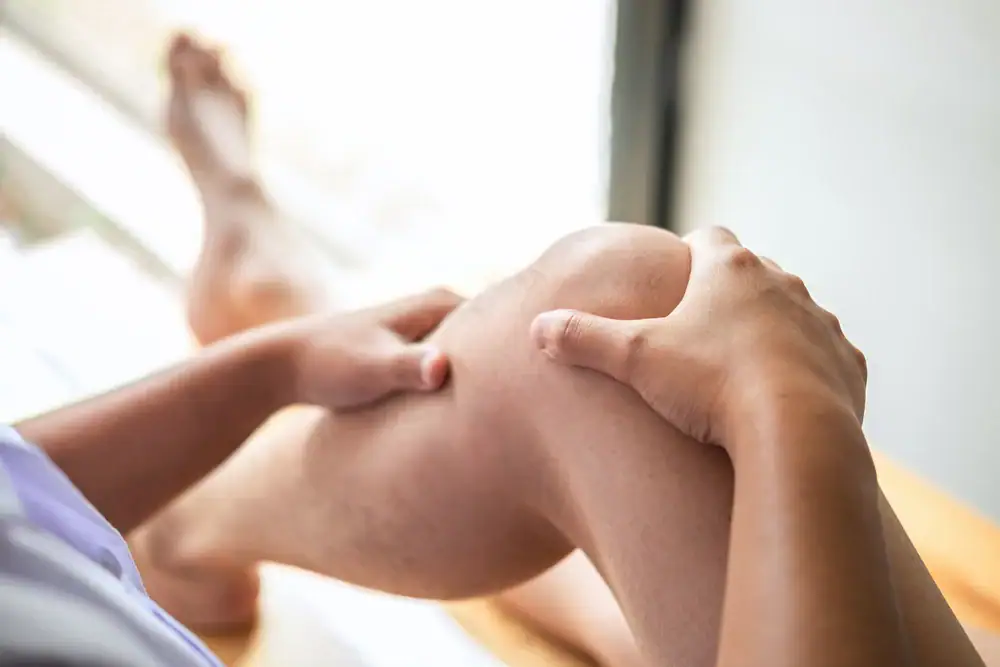
You’re not looking for temporary relief. You want to walk without worrying about falling. You want to get through your day without that nagging joint pain slowing you down. You want to return to the activities that matter to you.
That’s what effective physical therapy does. It reduces your pain, improves your balance, and rebuilds the strength you’ve lost. Research shows that 79% of patients report significant pain reduction after treatment, and fall risk drops by up to 37% with the right balance and gait training program.
The difference isn’t just physical. When you can move confidently again, when you’re not constantly managing discomfort, your entire quality of life improves. You sleep better. You stress less. You do more of what you actually want to do.
Our approach focuses on measurable progress. You’ll know if it’s working because you’ll feel it in your daily life, not just during appointments. Whether you’re recovering from surgery, managing a neurological condition, or dealing with a sports injury, the goal is the same: get you back to normal, or better than normal.
Medcare Therapy Services has been serving Long Island communities for years through our affiliated centers, including Physical Therapy Associates in Smithtown and Speonk. We’ve treated thousands of patients dealing with everything from post-surgical recovery to chronic pain to neurological conditions.
What makes us different isn’t complicated. We focus on one-on-one care instead of rotating you through a high-volume clinic. Your treatment plan is built around your specific needs, not a template. And we’re transparent about what’s working and what needs adjustment.
Westhampton Beach has a significant population of active adults and seniors who need reliable, evidence-based therapy. You’re not looking for someone to just run you through exercises. You need a physical therapist who understands the local community, accepts your insurance, and actually listens when you explain what’s not working.

Your first visit is an evaluation. We assess your current mobility, strength, balance, and pain levels. We ask about your goals, your daily routine, and what’s been limiting you. This isn’t a quick screening. It’s a thorough look at what’s actually going on.
From there, we build your treatment plan. This might include therapeutic exercise, manual therapy, neuromuscular re-education, or specialized training like proprioceptive work for balance. If you’re recovering from a stroke, we focus on gait training and functional movement. If you’re dealing with joint pain, we target strength and mobility in that specific area.
Most patients start seeing improvements within four to six weeks of consistent treatment. That timeline varies based on your condition and how your body responds. Some people progress faster. Others need more time. We track your results and adjust as needed.
Sessions are typically scheduled two to three times per week initially, then we taper as you improve. The goal isn’t to keep you in therapy forever. It’s to get you functional, teach you how to maintain your progress, and send you back to your life with the tools you need to stay healthy.

Ready to get started?
You get personalized treatment based on what you actually need. For fall prevention, that means balance training, proprioceptive exercises, and gait analysis. We work on the specific movements that make you unsteady. Given that one in four adults over 65 in the area falls each year, this isn’t optional care. It’s essential.
For stroke rehabilitation and neurological conditions, we focus on neuromuscular re-education and functional movement patterns. Recovery from a stroke takes time, but the right therapy can dramatically improve your independence. We work on everything from basic mobility to complex tasks you need for daily living.
Pre and post surgery rehabilitation follows a structured progression. Before surgery, we prepare your body for the stress of the procedure. After, we help you regain strength and range of motion safely. Whether it’s a knee replacement, shoulder repair, or spinal surgery, the protocol is specific to your procedure and your surgeon’s guidelines.
Injury rehabilitation and sports therapy focus on getting you back to your activity level. That might mean returning to tennis, golf, or just being able to garden without pain. We don’t just treat the injury. We address the movement patterns or weaknesses that contributed to it in the first place.
For joint pain treatment, we combine manual therapy with resistance and strength training. Chronic pain often comes from compensation patterns or muscle imbalances. Fixing those requires targeted work, not generic stretches.
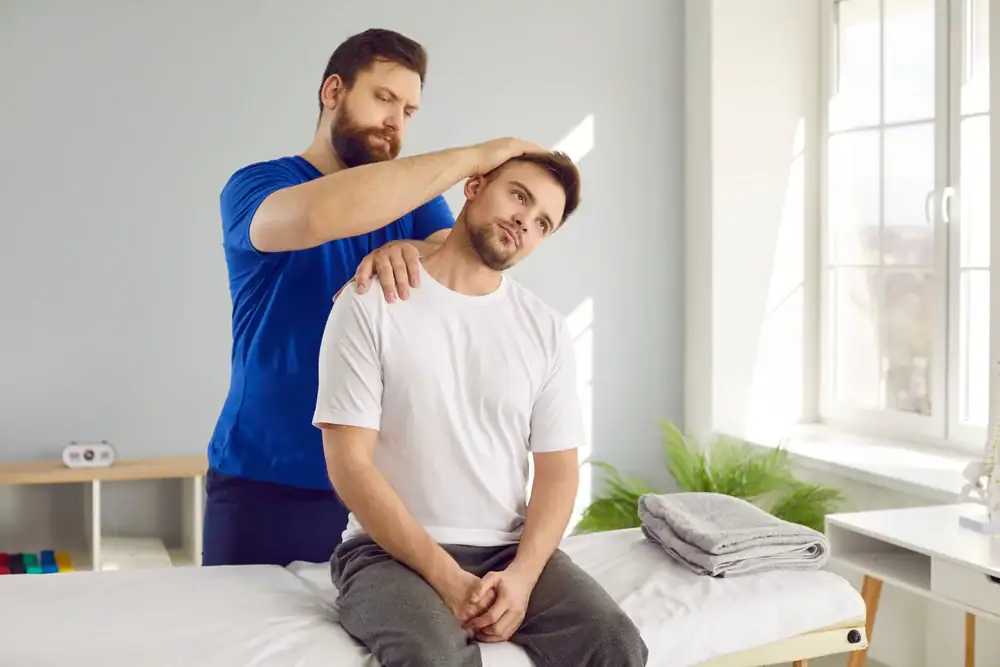
Most people start noticing real improvements within four to six weeks of consistent treatment. That’s not just feeling slightly better during the session. That’s measurable reduction in daily pain and improved function.
The timeline depends on several factors. How long you’ve had the pain matters. Chronic conditions that have been present for months or years typically take longer to resolve than acute injuries. Your consistency with home exercises makes a significant difference too. Patients who do their prescribed exercises between sessions progress faster.
Maximum benefits usually show up around the eight to twelve week mark. By then, you’ve rebuilt strength, corrected movement patterns, and given your body time to adapt. Some conditions resolve faster. Others require ongoing maintenance. But if you’re not seeing any progress by six weeks, something needs to change in your treatment approach.
In many cases, yes. Physical therapy can reduce or eliminate the need for surgery, especially for conditions like chronic back pain, knee osteoarthritis, and rotator cuff issues. Studies show that patients who try physical therapy first often avoid surgery entirely.
That said, some conditions require surgical intervention. A completely torn ligament or severe structural damage usually needs repair. But even when surgery is necessary, pre-surgical physical therapy improves your outcomes. You go into the procedure stronger and recover faster afterward.
The key is getting an accurate diagnosis first. If your doctor recommends surgery, it’s worth asking whether physical therapy is a viable alternative. For many musculoskeletal conditions, conservative treatment works just as well as surgery without the risks, recovery time, or cost. And if therapy doesn’t resolve the issue after a reasonable trial period, you still have the surgical option.
Yes, we work with Medicare and most major insurance plans. Coverage varies by plan, so we verify your benefits before you start treatment. Most insurance covers physical therapy when it’s medically necessary, which includes post-surgical rehab, injury recovery, and conditions affecting your mobility or function.
Medicare typically covers physical therapy with a copay, though there are annual caps in some cases. We help you understand what your plan covers and what your out-of-pocket costs will be. No surprises.
If you don’t have insurance or your plan has limited coverage, we can discuss payment options. The goal is to make treatment accessible. Physical therapy is significantly less expensive than surgery or long-term pain medication, and it often prevents more costly interventions down the road. We’re transparent about costs upfront so you can make an informed decision about your care.
Your first visit is an evaluation, not a full treatment session. Plan for about 45 to 60 minutes. We’ll review your medical history, discuss your symptoms, and ask about your goals. What are you trying to get back to doing? What’s limiting you right now?
Then we do a physical assessment. This includes testing your range of motion, strength, balance, and functional movement. We watch how you walk, how you get up from a chair, and how you perform activities related to your condition. We’re looking for compensations, weaknesses, and movement patterns that might be contributing to your problem.
At the end of the evaluation, we explain what we found and outline a treatment plan. You’ll know how often we recommend coming in, what types of therapy we’ll use, and what kind of timeline to expect. We’ll also give you initial exercises or modifications to start helping immediately. Bring comfortable clothing you can move in and any relevant medical records or imaging results if you have them.
Yes, we offer in-home physical therapy for patients who have difficulty traveling or prefer treatment in their own environment. This works particularly well for seniors, people recovering from surgery, or anyone with mobility limitations that make getting to a clinic challenging.
In-home therapy provides the same quality care as clinic-based treatment. We bring the necessary equipment and conduct your evaluation and treatment sessions in your home. There’s also an advantage to working in your actual living space. We can address the specific challenges you face in your environment, like navigating stairs, getting in and out of your shower, or moving around your kitchen safely.
The main consideration is whether your condition requires specialized equipment that’s only available in a clinic setting. For most patients dealing with balance issues, post-surgical recovery, or general mobility problems, home-based therapy works extremely well. We’ll discuss whether in-home treatment makes sense for your specific situation during your initial consultation.
Physical therapy is targeted treatment based on a clinical assessment of your specific problem. It’s not general fitness. When you’re dealing with an injury, chronic pain, or recovering from surgery, random exercise can actually make things worse if you’re reinforcing poor movement patterns or overloading damaged tissues.
We identify the root cause of your issue. Maybe your knee pain is actually coming from hip weakness. Maybe your balance problems are related to proprioceptive deficits, not just general weakness. We design exercises that address those specific problems in the right progression. Too much too soon and you get hurt. Too little and you don’t improve.
We also use techniques you can’t do on your own, like manual therapy, joint mobilization, and neuromuscular re-education. These hands-on treatments combined with the right exercises produce better results than exercise alone. Plus, we monitor your form and adjust your program as you progress. Most people who try to rehab on their own either push too hard and re-injure themselves or don’t push hard enough and plateau. Proper guidance makes a measurable difference in outcomes.
Other Services we provide in Westhampton Beach