
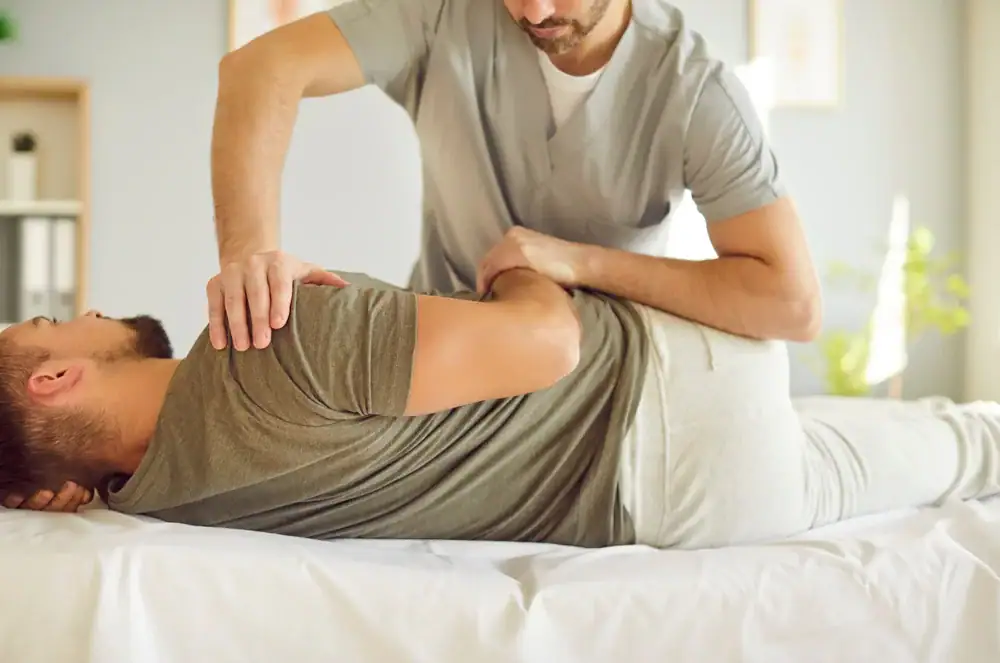
You’re dealing with pain, limited mobility, or recovering from surgery. Getting to appointments feels like another obstacle when you’re already struggling to move around your own home.
In-home physical therapy brings hospital-grade rehabilitation directly to your living room. You work with a licensed physical therapist in the environment that matters most—where you actually live, where the real challenges happen. That means practicing balance on your own stairs, not generic clinic steps. Building strength in your actual kitchen, not a sterile gym.
Nassau County ranks fourth in New York State for fall-related incidents among seniors. If you’ve fallen once, the fear of falling again can be just as limiting as the physical injury. That’s where targeted fall prevention and gait training make the difference. You learn to move confidently in your space, with your furniture, on your floors.
The outcome isn’t just less pain. It’s getting dressed without help. Making breakfast without thinking twice. Walking to your mailbox without anxiety.
We’ve been providing physical therapy and occupational therapy across Nassau and Suffolk County for over a decade. We’re not a franchise or a corporate chain—we’re local therapists who understand what it’s like to live on Long Island.
University Gardens is a quiet, established community where most residents have lived in their homes for years. You know your neighbors. You’ve built a life here. When mobility becomes an issue, leaving that comfort and security for therapy appointments adds stress you don’t need.
We come to you with the same equipment, expertise, and treatment protocols you’d get at any outpatient clinic. We accept Medicare and nearly all commercial insurance plans, so access to quality care doesn’t depend on your ability to drive or arrange transportation.

First visit starts with a comprehensive evaluation. Your physical therapist assesses your current mobility, strength, balance, and any specific limitations you’re experiencing. They observe how you move through your actual living space—not a clinic that doesn’t look anything like your home.
Based on that evaluation, they create a personalized treatment plan. This might include therapeutic exercise to rebuild strength, balance and proprioceptive training to prevent falls, gait training to improve how you walk, or neuromuscular re-education after a stroke or neurological condition. If you’re recovering from surgery, the plan focuses on post-surgery rehabilitation milestones your doctor outlined.
Each session builds on the last. Your therapist guides you through exercises, manual therapy, and functional movements. They also prescribe home exercises you can do between visits. Progress gets tracked, adjustments get made, and you stay in regular contact with your medical team.
The goal is always the same: restore as much function as possible so you can live independently and comfortably in your own home.
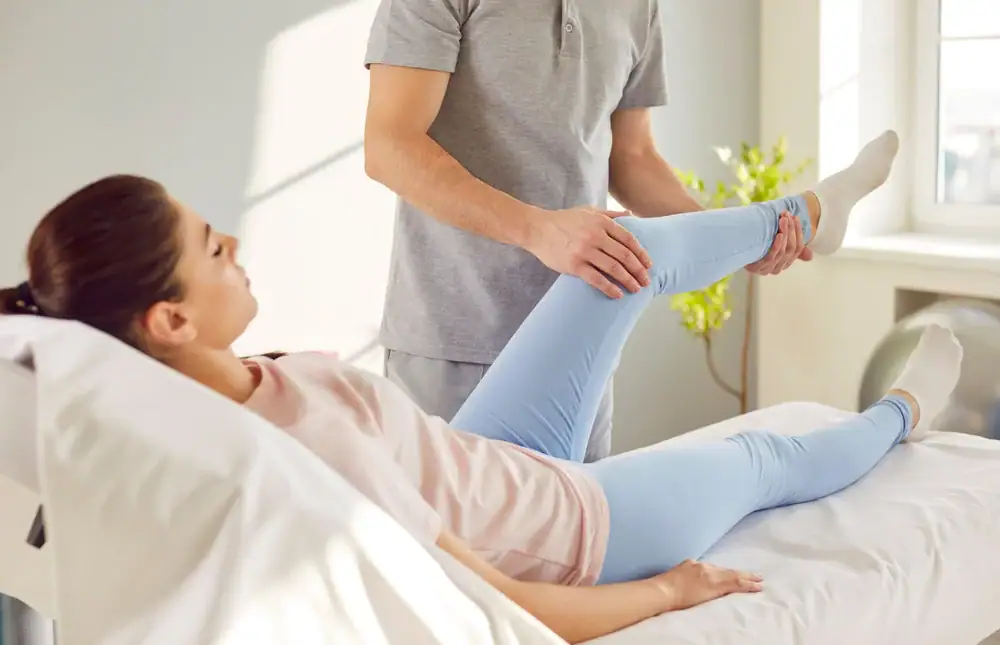
Ready to get started?
Every treatment plan is different because every patient is different. But here’s what’s available depending on what you need.
Fall prevention programs are critical for University Gardens residents. With mature homes featuring stairs, varying floor levels, and vintage layouts, your environment presents real challenges. Your therapist works with you on balance exercises, environmental modifications, and confidence-building techniques specific to your home.
Joint pain treatment addresses knees, hips, shoulders, and back pain through targeted therapeutic exercise and manual therapy. Resistance and strength training rebuilds muscle that’s been lost due to inactivity or aging. Stroke rehabilitation and neurological rehabilitation focus on regaining movement and function after serious medical events.
If you’re preparing for an upcoming procedure or recovering from one, pre and post surgery rehabilitation ensures you heal properly and regain full function. Injury rehabilitation gets you back to normal after accidents, falls, or overuse injuries.
Occupational therapy is also available when you need help with daily activities like dressing, bathing, cooking, or managing household tasks. The combination of physical therapy and occupational therapy gives you complete support for independent living.
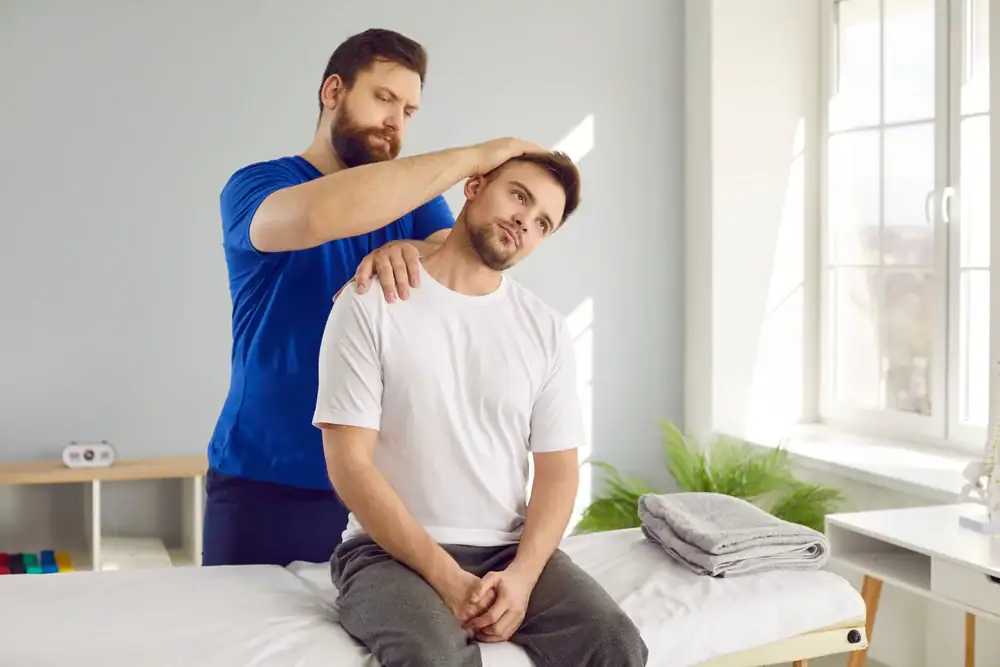
Yes. Medicare Part B covers outpatient physical therapy when it’s medically necessary and prescribed by your doctor. That includes in-home physical therapy if you’re homebound or have difficulty leaving your residence due to injury, surgery, or chronic conditions.
You’ll need a referral or prescription from your physician stating that physical therapy is needed. We accept Medicare and work directly with your doctor to ensure all documentation is in order before starting treatment.
Most commercial insurance plans also cover in-home therapy services. Copays and deductibles vary depending on your specific plan, but we verify your coverage before your first visit so there are no surprises. If you have a Medicare Advantage plan or supplemental insurance, those often provide additional coverage that reduces your out-of-pocket costs even further.
The treatment techniques are the same. The difference is context and convenience.
In a clinic, you’re working in a generic space that doesn’t reflect your real life. You practice walking on flat, even surfaces. You do exercises on equipment that won’t be available at home. Then you leave and have to figure out how to apply what you learned to your actual environment.
In-home physical therapy happens where you live. Your therapist sees the stairs you struggle with, the bathroom layout that makes transfers difficult, the furniture arrangement that creates obstacles. They design your treatment around your real challenges, not theoretical ones. You practice the exact movements you need to do every day—getting in and out of your own bed, navigating your own hallway, reaching into your own cabinets.
For people with limited mobility, chronic pain, or transportation challenges, in-home therapy eliminates a major barrier to getting care. You don’t have to arrange rides, sit in a waiting room, or exhaust yourself just getting to the appointment.
Physical therapists treat a wide range of conditions, injuries, and post-surgical recoveries. Common reasons University Gardens residents seek in-home therapy include recovery from hip or knee replacement surgery, stroke rehabilitation, balance problems and fall risk, chronic back or joint pain, and general weakness or mobility decline.
Neurological conditions like Parkinson’s disease, multiple sclerosis, or neuropathy benefit from ongoing physical therapy to maintain function and slow progression. Injury rehabilitation covers everything from fractures and sprains to post-hospitalization deconditioning.
If you’ve been hospitalized or had surgery and your doctor recommends physical therapy as part of recovery, in-home treatment is often the most practical option. You’re already dealing with pain and limited mobility—adding the stress of transportation and clinic visits doesn’t help you heal faster.
Your physical therapist evaluates your specific situation during the first visit and designs a treatment plan based on your diagnosis, your goals, and what your doctor has recommended. If at any point your condition requires equipment or resources only available in a clinical setting, your therapist will let you know and help coordinate that transition.
It depends entirely on your condition, your goals, and how your body responds to treatment. Some patients need a few weeks of intensive therapy after surgery. Others benefit from several months of ongoing sessions to manage chronic conditions or neurological issues.
A typical post-surgical recovery might involve two to three sessions per week for six to eight weeks. Someone working on fall prevention and balance might do one to two sessions per week for a longer period. Stroke rehabilitation often requires more frequent, extended treatment to regain lost function.
Your physical therapist reassesses your progress regularly and adjusts the treatment plan as you improve. When you’ve met your functional goals—whether that’s walking independently, managing pain, or performing daily activities without assistance—therapy concludes. Some patients transition to a maintenance program with less frequent visits to preserve gains and prevent decline.
Medicare and insurance companies require ongoing documentation showing that you’re making progress and that continued therapy is medically necessary. Your therapist handles all of that communication with your doctor and insurance provider. If you stop improving or reach a plateau, they’ll have an honest conversation with you about whether continuing makes sense.
Yes, and it’s one of the most important services we provide to University Gardens residents. Nassau County has one of the highest rates of fall-related incidents in New York State, and many of those falls happen at home.
Fall prevention starts with a comprehensive assessment. Your physical therapist evaluates your balance, gait, strength, and proprioception—your body’s ability to sense where it is in space. They also look at your home environment for hazards like loose rugs, poor lighting, uneven thresholds, or furniture placement that creates obstacles.
Treatment includes balance and proprioceptive training to improve stability, gait training to correct walking patterns that increase fall risk, and strength training to rebuild the leg and core muscles that keep you upright. Your therapist also teaches you how to move safely through your home, how to recover if you start to lose balance, and how to get up if you do fall.
Environmental modifications make a big difference too. Simple changes like removing tripping hazards, adding grab bars in the bathroom, improving lighting, and rearranging furniture can dramatically reduce fall risk. Your therapist provides specific recommendations based on what they observe in your home during treatment sessions.
In New York, you can access physical therapy through direct access without a physician referral for the first 10 visits or 30 days, whichever comes first. After that, you need a referral to continue treatment.
However, if you’re using Medicare or most insurance plans, they require a physician’s order or prescription before covering physical therapy services. That means even though state law allows direct access, your insurance won’t pay without a referral.
The easiest path is to talk to your doctor first. Explain that you’re having mobility issues, pain, balance problems, or difficulty with daily activities, and ask if they think physical therapy would help. If they agree, they’ll write a prescription or referral that outlines your diagnosis and the type of therapy recommended.
Once we have that referral, we verify your insurance coverage and schedule your first evaluation. If there’s any issue with authorization or coverage, we handle that communication with your doctor’s office and your insurance company so you’re not stuck in the middle. The goal is to get you started on treatment as quickly as possible without administrative headaches getting in the way.
Other Services we provide in University Gardens