

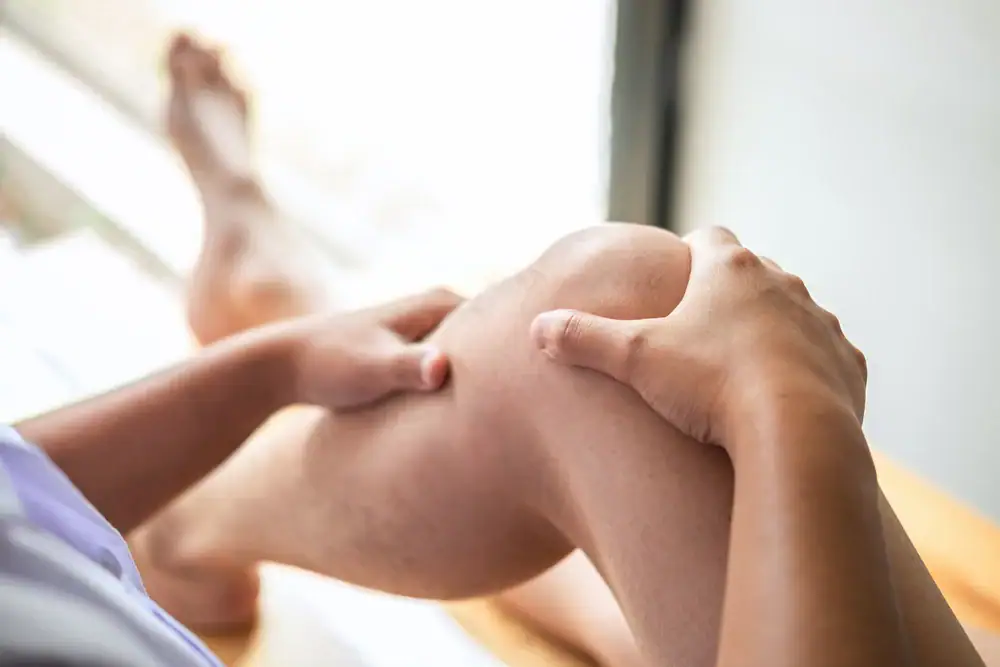
You’re not looking for temporary relief. You want to bend down without wincing, walk without worrying about falling, and sleep through the night without waking up stiff.
That’s what happens when treatment goes deeper than masking symptoms. When a physical therapist identifies why your knee keeps giving out or why your back locks up every morning, you stop managing pain and start eliminating it.
Most people in Springs dealing with chronic joint pain, balance issues, or post-surgery recovery don’t need more medication. They need someone who understands how your body compensates for weakness, why certain movements trigger pain, and how to retrain your muscles and joints to function the way they should. You’ll notice the difference in how you move, how you feel, and how much less you think about the pain that used to run your day.
We operate multiple locations across Long Island, including our physical therapy services available to Springs, NY residents. We work with the aging population here who need fall prevention and balance training, the active adults dealing with joint pain, and anyone recovering from surgery or injury who wants to get back to normal.
We accept Medicare and most major insurance plans, which matters in a community where cost and coverage create real barriers to care. Our approach is straightforward: assess what’s wrong, explain why it’s happening, and build a treatment plan that fits your schedule and goals. No runaround, no upselling services you don’t need.

Your first session starts with a full evaluation. We look at your range of motion, strength, balance, and how you move through basic activities. You’ll tell us what hurts, when it started, and what you’ve already tried. We’re listening for patterns—what makes it worse, what makes it better, and what you’re hoping to get back to doing.
From there, we create a treatment plan specific to your situation. That might include hands-on manual therapy to release tight muscles and improve joint mobility, therapeutic exercise to rebuild strength, gait training if you’re unsteady on your feet, or neuromuscular re-education if your body’s compensating in ways that cause more problems. Each session builds on the last one.
You’ll also get exercises to do at home. Recovery doesn’t happen in one-hour appointments twice a week—it happens when you’re consistent with the work between visits. We’ll show you exactly what to do, how often, and why it matters. Most people start feeling improvement within a few weeks, but full recovery depends on what we’re treating and how your body responds.

Ready to get started?
Physical therapy in Springs covers a wide range of conditions. If you’re dealing with chronic back pain, knee issues, shoulder injuries, or hip problems, treatment focuses on joint pain relief and restoring normal movement. For older adults worried about falling—and with over 25% of people over 65 falling each year, that’s a legitimate concern—we offer fall prevention programs that include balance training, proprioceptive exercises, and gait training to help you move confidently again.
If you’ve had a stroke or live with Parkinson’s, MS, or another neurological condition, our neurological rehabilitation and stroke rehabilitation programs focus on rebuilding coordination, strength, and independence. Post-surgery rehabilitation helps you recover faster and more completely after joint replacements, spinal procedures, or orthopedic surgeries. And for people who have trouble getting to a clinic, we provide in-home physical therapy so you can receive care where you’re most comfortable.
Resistance and strength training rebuilds the muscle support your joints need. Therapeutic exercise retrains movement patterns that have become dysfunctional. Every session is built around your specific goals, whether that’s returning to work, playing with your grandkids, or just getting through the day without constant discomfort.
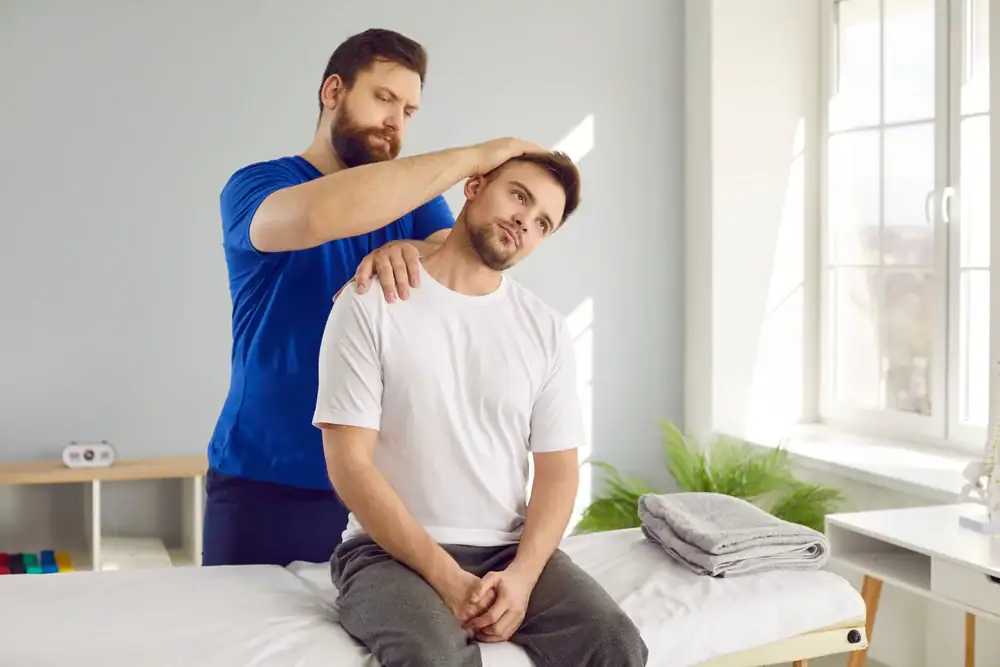
If your pain is related to how you move, how your joints function, or how your muscles support your body, physical therapy can help. That includes most back pain, joint pain, arthritis discomfort, post-surgical recovery, and balance issues.
The clearest sign that you’re a good candidate is if your pain gets better or worse depending on your activity level or position. If sitting makes it worse, if walking aggravates it, if you feel stiff in the morning but loosen up as the day goes on—those are all mechanical issues that respond well to physical therapy.
During your evaluation, your physical therapist will test your range of motion, strength, and movement patterns to determine what’s causing your symptoms. You’ll know pretty quickly whether this is something we can address. Most people notice some improvement within the first few weeks of consistent treatment.
We accept Medicare and most major insurance plans. Coverage varies depending on your specific plan, but most policies cover physical therapy when it’s medically necessary—meaning a doctor has referred you or you’re recovering from an injury, surgery, or dealing with a chronic condition that limits your function.
Medicare Part B typically covers physical therapy with a copay after you’ve met your deductible. Private insurance plans usually require a referral and may limit the number of sessions per year, though many will approve additional visits if you’re making progress.
Before your first appointment, we’ll verify your coverage and let you know what your out-of-pocket cost will be. If you have questions about a specific procedure or treatment, we can contact your insurance company directly to confirm what’s covered. The goal is no surprises when it comes to billing.
The difference is in the assessment and progression. You might find stretches or exercises online that seem relevant to your pain, but without understanding why you’re hurting in the first place, you could be strengthening the wrong muscles or reinforcing a movement pattern that’s part of the problem.
A physical therapist evaluates how your body is compensating for weakness, tightness, or instability. We identify which muscles aren’t firing correctly, which joints have limited mobility, and which movement patterns are contributing to your pain. Then we design a program that addresses those specific issues in the right sequence.
We also use hands-on techniques—manual therapy, joint mobilization, soft tissue work—that you can’t replicate on your own. And we adjust your program as you improve, making sure you’re progressing toward full recovery instead of just managing symptoms. Home exercises are part of the plan, but they work because they’re targeting the right problem at the right time.
Most people notice some improvement within two to three weeks if they’re consistent with their sessions and home exercises. That doesn’t mean you’re fully recovered—it means the pain is less intense, movement is easier, or you’re starting to regain strength and mobility.
Full recovery depends on what we’re treating. A mild strain or recent injury might resolve in four to six weeks. Chronic pain that’s been building for months or years takes longer because we’re retraining movement patterns and rebuilding strength that’s deteriorated over time. Post-surgical rehabilitation timelines depend on the procedure, but most people see significant progress within eight to twelve weeks.
The key factor is consistency. If you’re coming to sessions but not doing the home exercises, or if you’re skipping appointments, recovery takes longer. Your body adapts to the work you put in between visits, and that’s where the real progress happens.
In many cases, yes. Research shows that physical therapy can be as effective as surgery for certain conditions, including meniscus tears, rotator cuff issues, and spinal stenosis. Even when surgery is eventually necessary, going through physical therapy first often leads to better surgical outcomes because you’re stronger and more mobile going into the procedure.
The goal of physical therapy is to restore function and reduce pain by addressing the mechanical issues causing your symptoms. If your joint pain is due to muscle weakness, poor movement patterns, or limited mobility, we can often resolve it without surgery. If there’s structural damage that truly requires surgical intervention, physical therapy can still help you avoid or delay that procedure while keeping you functional in the meantime.
Your orthopedic doctor will ultimately determine if surgery is necessary, but most surgeons recommend trying conservative treatment first. Physical therapy is that conservative treatment, and it works for a significant percentage of people who thought surgery was their only option.
Yes. In-home physical therapy is available for Springs residents who have difficulty getting to a clinic due to mobility limitations, transportation challenges, or recovery needs that make travel impractical. This is especially common for people recovering from surgery, dealing with severe balance issues, or managing neurological conditions that affect their ability to leave home safely.
During in-home sessions, your physical therapist brings the necessary equipment and provides the same quality of care you’d receive in a clinic setting. We assess your home environment for fall risks, work with the space and furniture you have, and design exercises that fit your living situation.
In-home therapy is often covered by Medicare and private insurance when it’s medically necessary, meaning your condition limits your ability to leave home without considerable effort. We’ll verify your coverage and coordinate with your doctor to make sure everything is properly documented for insurance approval.
Other Services we provide in Springs