


You’re not looking for temporary relief. You want to move without thinking about it, sleep without waking up stiff, and get through your day without planning around pain.
That’s what physical therapy should do. Not just reduce symptoms, but rebuild strength, restore balance, and give you confidence in your body again. Whether you’re recovering from surgery, managing chronic joint pain, or trying to prevent another fall, the goal is the same: get you functioning at the level you need.
Most people in Sound Beach dealing with back pain, post-surgical rehabilitation, or neurological conditions don’t need more appointments. They need a clear plan, consistent progress, and someone who actually listens when something isn’t working. That’s where treatment becomes effective instead of just routine.
We’ve been treating patients across Long Island for years, with locations in Smithtown, Speonk, and now Sound Beach. We’re not new to this community or the conditions that bring people through the door.
What sets us apart isn’t flashy marketing. It’s the way we manage care from start to finish. Every Google Business Profile is verified and secure. Every staff member has controlled access. Every patient gets a personalized treatment plan that adapts as they progress.
Sound Beach has a population that values quality and expects transparency. With a median household income over $140,000 and nearly 98% health coverage, people here aren’t looking for shortcuts. They’re looking for a physical therapist who takes their recovery seriously and communicates clearly throughout the process.

First, you’ll sit down with one of our licensed physical therapists who evaluates your condition, asks about your goals, and explains what’s realistic. No guessing. No generic protocols. Just an honest assessment of where you are and what it’ll take to get you where you want to be.
From there, we build a treatment plan. That might include therapeutic exercise, gait training, balance and proprioceptive training, or neuromuscular re-education depending on your needs. If you’re recovering from a stroke or dealing with neurological rehabilitation, the approach is different than someone rehabbing a knee replacement. Your plan reflects that.
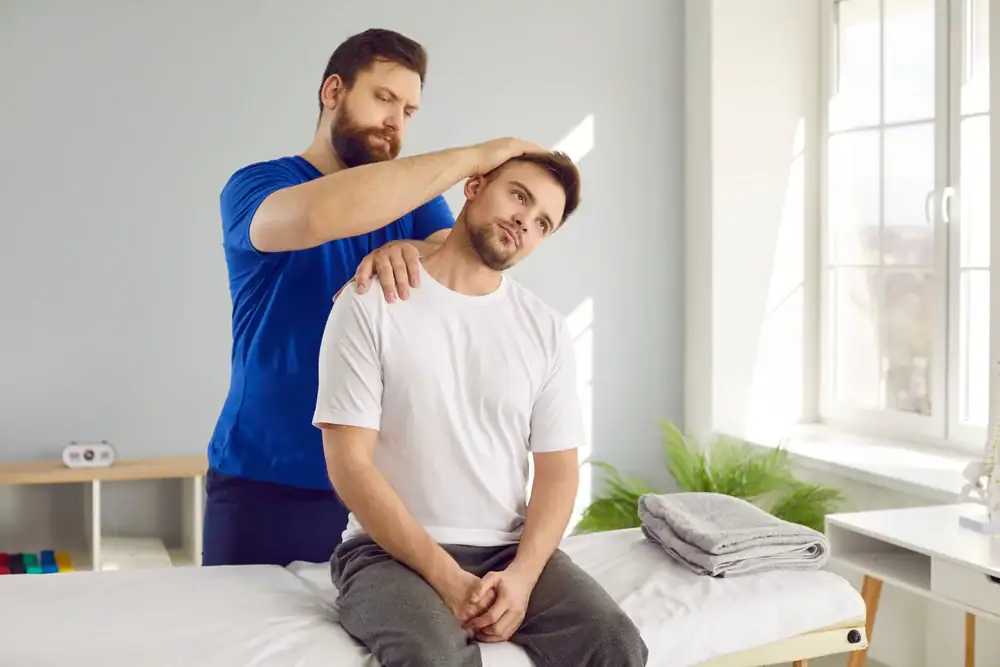
Sessions are hands-on. You’re not left alone with a sheet of exercises while your therapist works with three other people. You get focused attention, real-time adjustments, and clear explanations of why each movement matters. As you improve, the plan evolves. When you’re ready to manage independently, we make sure you know exactly how to maintain progress at home.

Ready to get started?
Your treatment plan might include fall prevention programs if balance is an issue. That’s especially relevant in Sound Beach, where over 10% of residents are 65 or older and falls are a leading cause of injury. We focus on strength training, coordination drills, and environmental strategies that reduce risk at home.
For joint pain treatment, we use resistance and strength training combined with manual therapy techniques to improve mobility and reduce inflammation. If you’re dealing with post-surgery rehabilitation, the focus shifts to restoring range of motion, rebuilding strength, and managing scar tissue before it limits function.
Stroke rehabilitation and neurological rehabilitation require a different skill set. We work on motor control, coordination, and functional movement patterns that help you regain independence. Some patients benefit from occupational therapy or in-home physical therapy if getting to the clinic isn’t realistic during early recovery. We coordinate that based on what makes sense for your situation, not what’s easiest for us.
No. New York has direct access laws, which means you can see a physical therapist without a doctor’s referral. You can schedule an evaluation and start treatment immediately.
There are a few exceptions. If you’ve been treated for more than 10 visits or 30 days, your therapist may need to communicate with a physician to continue care. But for most people dealing with pain, injury, or post-surgical recovery, you can start right away without waiting for an appointment with your doctor first.
This matters because early intervention often leads to better outcomes. Waiting weeks for a referral can mean more pain, more compensation patterns, and a longer recovery timeline. If you’re unsure whether your insurance requires a prescription, call them directly or ask during your first visit.
It depends on what’s causing the pain and how long you’ve had it. Most people notice some improvement within two to four weeks if they’re consistent with treatment and home exercises. Full recovery or significant pain reduction usually takes six to twelve weeks.
Chronic pain is different than acute injury. If you’ve been dealing with back pain or joint pain for months or years, your body has adapted around it. Those compensation patterns take time to unlearn. Physical therapy works by addressing the root cause, not just masking symptoms, which means progress is gradual but sustainable.
Some conditions require ongoing maintenance. If you have arthritis or a degenerative condition, physical therapy can reduce pain and improve function, but it’s not a permanent cure. The goal is to give you tools to manage symptoms long-term and avoid flare-ups that disrupt your life.
Your first visit is mostly evaluation. Your physical therapist will ask about your medical history, current symptoms, and what you’re hoping to achieve. Then they’ll assess your movement, strength, balance, and any areas of pain or limitation.
This usually takes 45 to 60 minutes. You might do some light exercises or movements so your therapist can see how your body compensates. They’ll explain what they’re seeing, what’s contributing to your condition, and what the treatment plan will look like moving forward.
You’ll leave with a clear understanding of how many sessions you’ll likely need, what each session will involve, and what you should be doing at home between visits. If something doesn’t make sense or you’re concerned about cost or time commitment, this is the time to ask. Good physical therapy starts with clear communication, not assumptions.
Most insurance plans cover physical therapy, but coverage varies. Some plans require a copay for each visit. Others cover a set number of sessions per year. A few require prior authorization before treatment starts.
The best way to know what you’ll pay is to call your insurance company before your first appointment. Ask how many physical therapy visits are covered, whether you need a referral, and what your out-of-pocket cost will be per session. You can also ask our office to verify benefits for you.
If you don’t have insurance or your plan doesn’t cover therapy, ask about self-pay rates. Some people find that paying out of pocket for a few focused sessions is more affordable than they expected, especially if it means avoiding surgery or long-term medication use. We’re upfront about costs because surprises don’t help anyone.
Yes. Balance and proprioceptive training is one of the most effective ways to reduce fall risk, especially for older adults or anyone recovering from a neurological condition like a stroke.
Falls aren’t just about weak legs. They’re usually caused by a combination of factors: reduced coordination, slower reaction time, vision changes, medication side effects, and environmental hazards at home. Physical therapy addresses the physical components through gait training, strength exercises, and balance drills that challenge your stability in controlled ways.
In Sound Beach, where a significant portion of the population is over 65, fall prevention is critical. A fall can mean loss of independence, hospitalization, or long-term complications. The goal of therapy is to rebuild confidence in your movement so you’re not constantly worried about falling. That means you can stay active, maintain your routine, and avoid the downward spiral that happens when fear of falling keeps you from moving.
Physical therapy focuses on movement, strength, and mobility. If you’re recovering from surgery, dealing with pain, or trying to walk without a limp, you’ll likely work with a physical therapist. The goal is to restore function in your muscles, joints, and overall movement patterns.
Occupational therapy focuses on daily activities and fine motor skills. If you’re struggling to dress yourself, cook, or manage tasks at home after a stroke or injury, an occupational therapist helps you relearn those skills or adapt your environment to make them easier.
There’s overlap. Some conditions benefit from both. If you’ve had a stroke, you might need physical therapy for gait training and balance, plus occupational therapy for hand coordination and self-care tasks. We coordinate with occupational therapists when it makes sense for your recovery. The priority is always what gets you functioning at the level you need, not what fits neatly into one category.
Other Services we provide in Sound Beach