
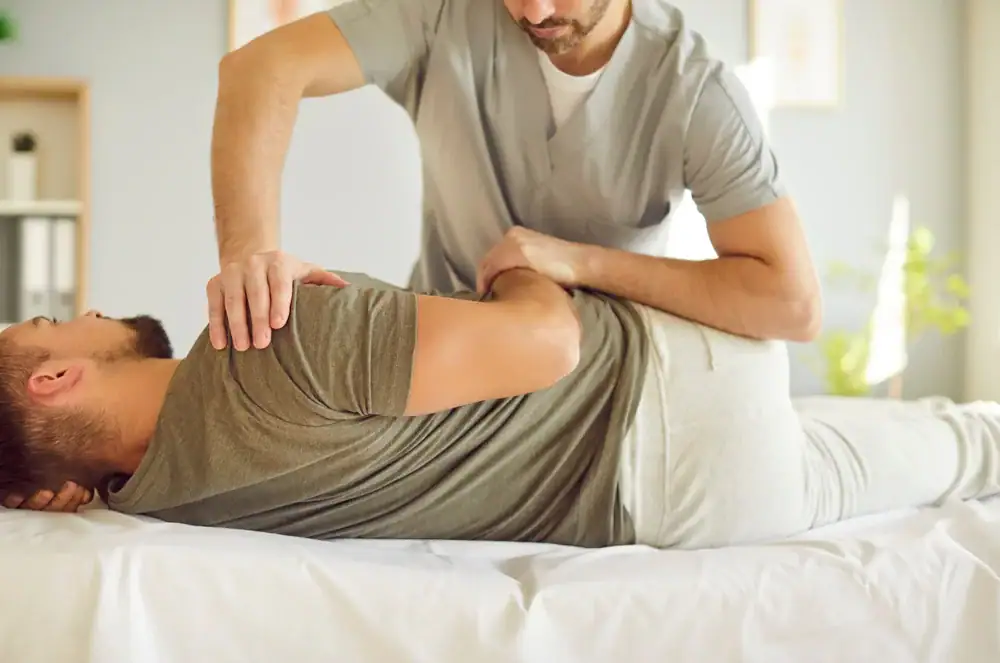
Getting to a therapy office when you’re already dealing with pain, limited mobility, or recovery from surgery adds another layer of difficulty you don’t need. You’re managing enough already.
In-home physical therapy removes that barrier entirely. We bring the equipment, the expertise, and the treatment plan directly to your door in Ronkonkoma. You get the full hour of focused attention without splitting time between multiple patients or rushing through exercises because the next appointment is waiting.
Four out of five adults deal with lower back pain at some point. If you’re in that majority right now, or recovering from a stroke, managing joint pain, or working through post-surgery rehabilitation, the last thing you need is to figure out transportation. You need someone who understands gait training, fall prevention, balance training, and therapeutic exercise to show up where you are and help you get stronger in the environment where you actually live.
We’ve been providing in-home physical therapy and occupational therapy across Suffolk County and parts of Nassau County for over a decade. We’re affiliated with Physical Therapy Associates of Smithtown and Speonk, and our therapists are licensed professionals who understand the specific needs of Long Island residents.
Ronkonkoma sits in the heart of Long Island, where the population skews older and mobility challenges are common. We built our practice around that reality. You’re not getting a one-size-fits-all approach or a therapist who’s distracted by three other patients in the same room. You’re getting someone who shows up to your home, assesses your specific situation, and builds a treatment plan that fits your space, your schedule, and your goals.

You call or reach out through our website. We verify your insurance coverage, typically Medicare, and schedule your first evaluation at a time that works for you.
Your physical therapist arrives at your home in Ronkonkoma with everything needed for your session. During that first visit, we assess your current mobility, strength, pain levels, and any specific limitations you’re dealing with. We also look at your home environment to identify fall risks or areas where you might need support. From there, we build a personalized treatment plan that addresses your specific condition, whether that’s injury rehabilitation, neurological rehabilitation after a stroke, pre or post surgery rehabilitation, or chronic joint pain treatment.
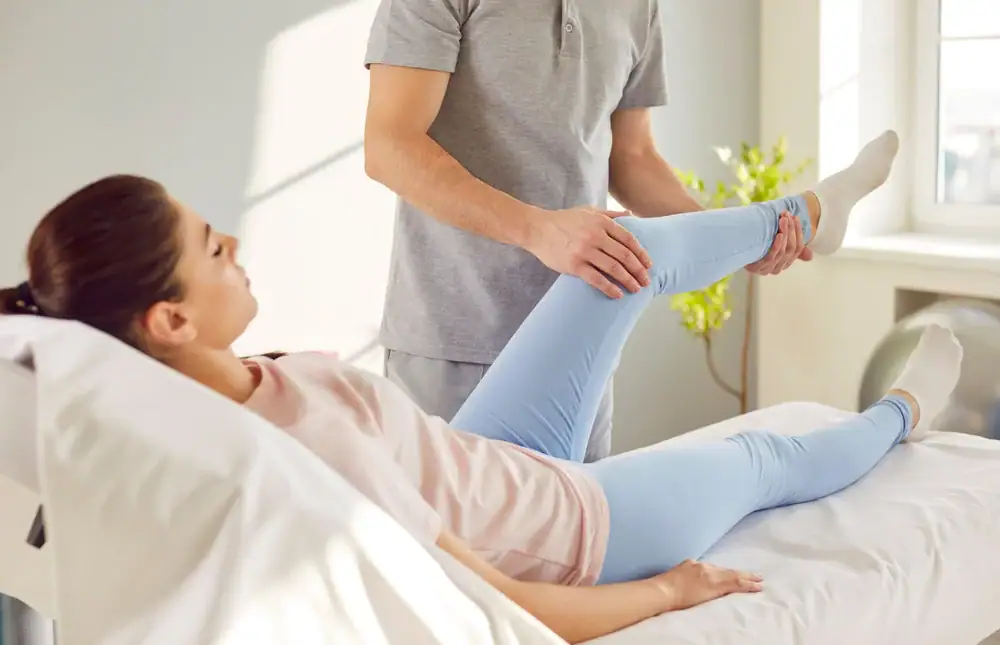
Each session after that is a full hour of one-on-one care. Your therapist guides you through therapeutic exercises, resistance and strength training, neuromuscular re-education, and any other techniques your plan requires. We adjust the program as you progress, making sure you’re building strength and confidence without pushing too hard too fast. You’re not on a timer. You’re not competing for attention. It’s just you and a licensed professional focused entirely on your recovery.
Ready to get started?
Every session covers what you actually need, not what fits into a standard clinic schedule. That includes fall prevention strategies, which matter in Ronkonkoma where many homes have stairs, uneven surfaces, or layouts that become hazards when mobility is compromised. We evaluate your space and teach you how to move safely through it.
Balance and proprioceptive training help you regain stability, especially if you’ve had a stroke or deal with neurological conditions. Gait training corrects walking patterns that cause pain or increase fall risk. Therapeutic exercise and resistance training rebuild strength in the muscles that support your joints and spine. If you’re recovering from surgery or an injury, we work through the rehabilitation process step by step, monitoring your progress and adjusting intensity as your body heals.
Long Island has one of the oldest populations in New York, and Ronkonkoma reflects that trend. The demand for physical therapy services continues to grow as more people look for alternatives to surgery or long-term pain management. In-home care meets that need without requiring you to navigate crowded waiting rooms or deal with the physical strain of travel when you’re already in pain.
Yes. Medicare Part B covers outpatient physical therapy when it’s medically necessary and provided by a licensed therapist. That includes in-home therapy if your doctor orders it and you meet the criteria for homebound status or if traveling to a clinic creates a significant hardship due to your condition.
We accept Medicare and handle the verification process upfront. We confirm your coverage before your first session so there are no surprises. Most patients pay a copay or coinsurance depending on their specific plan, but the bulk of the cost is covered. If you have a Medicare Advantage plan, coverage works similarly, though the network and copay structure might differ slightly.
The key is that your therapy has to be prescribed by a physician and deemed medically necessary. Conditions like stroke rehabilitation, post-surgery recovery, chronic joint pain, neurological issues, and injury rehabilitation typically qualify without issue. If you’re unsure whether your situation is covered, we walk you through that during the initial call.
Each session is a full 60 minutes of one-on-one treatment. That’s significantly more individual attention than you’d get in most outpatient clinics, where therapists often split time between multiple patients and your actual hands-on care might only be 20 to 30 minutes.
The full hour allows your therapist to thoroughly work through your exercises, make real-time adjustments based on how your body responds, and address any questions or concerns without rushing. You’re not watching the clock. Your therapist isn’t distracted by other patients. It’s focused, uninterrupted care from start to finish.
Session frequency depends on your condition and treatment plan. Some patients need therapy two or three times a week during the early stages of recovery. Others benefit from once-a-week sessions as they build strength and independence. We evaluate your progress regularly and adjust the schedule as needed. The goal is always to get you stronger and more mobile, not to keep you in therapy longer than necessary.
We treat a wide range of conditions that limit mobility, cause pain, or require rehabilitation. Stroke rehabilitation is a major focus, especially for patients dealing with weakness, balance issues, or difficulty walking after a stroke. Neurological rehabilitation also covers conditions like Parkinson’s disease, multiple sclerosis, and neuropathy.
Pre and post surgery rehabilitation helps you prepare for procedures like joint replacements or recover afterward without the strain of traveling to a clinic. Injury rehabilitation addresses everything from fractures and sprains to soft tissue damage and chronic overuse injuries. Joint pain treatment focuses on knees, hips, shoulders, and backs—the areas that cause the most daily limitations for Long Island residents.
We also work extensively on fall prevention, which combines balance training, gait training, strength building, and home safety assessments. Falls are the leading cause of injury for older adults, and many of those injuries are preventable with the right intervention. If you’ve already had a fall or feel unsteady on your feet, that’s exactly the kind of situation where in-home therapy makes the most sense. We see your actual environment and teach you how to navigate it safely.
That depends entirely on your doctor’s orders and the type of surgery or injury you’re recovering from. Some post-surgery protocols start physical therapy within a few days, especially after joint replacements where early movement prevents stiffness and complications. Other procedures require more rest before therapy begins.
Once your physician clears you for therapy and writes the prescription, we can typically schedule your first session within a few days. In-home care is often faster to access than outpatient clinics because you’re not waiting for an available appointment slot during business hours. We work around your schedule and your recovery timeline.
Early intervention usually leads to better outcomes. The longer you wait to address mobility issues, pain, or weakness, the harder it becomes to regain full function. If you’re dealing with an acute injury or fresh out of surgery, starting therapy as soon as it’s medically appropriate gives you the best chance of a strong recovery. If you’re managing a chronic condition that’s gotten worse over time, starting now still makes a significant difference in your quality of life and long-term mobility.
Physical therapy focuses on improving your movement, strength, balance, and pain levels. Your physical therapist works on exercises that help you walk better, stand longer, reduce joint pain, and rebuild the physical capacity you’ve lost due to injury, surgery, or a chronic condition. The goal is to restore mobility and function so you can move through your day with less pain and more confidence.
Occupational therapy focuses on helping you perform daily activities more easily and safely. Your occupational therapist teaches you techniques for getting dressed, bathing, cooking, and managing household tasks when those activities have become difficult. We also assess your home for modifications that make daily life easier, like grab bars, adaptive equipment, or layout changes that reduce strain.
Many patients benefit from both. If you’ve had a stroke, for example, physical therapy helps you regain strength and balance, while occupational therapy helps you relearn how to use your hands, get dressed, or prepare meals. We provide both in-home physical therapy and occupational therapy, so if your treatment plan calls for both disciplines, the same team coordinates your care without requiring separate appointments at different locations.
No. We bring whatever equipment is needed for your session. That might include resistance bands, therapy balls, balance tools, or other portable equipment that fits your treatment plan. You don’t need to buy anything or set up a home gym.
What you do need is enough space to move safely. Most exercises can be done in a living room, bedroom, or hallway. We adapt the session to your available space and use furniture like chairs, counters, or walls as part of the therapy when appropriate. If your home has stairs and stair navigation is part of your goals, we incorporate that into your treatment.
One of the advantages of in-home therapy is that we see your actual living environment and tailor exercises to match it. If you struggle getting in and out of your specific chair or bed, we work on that exact movement. If your bathroom layout makes bathing difficult, we address that challenge in real time. You’re not practicing generic exercises in a clinic and then trying to translate them to your home. You’re building strength and skills in the place where you actually need to use them.
Other Services we provide in Ronkonkoma