


You’re not looking for a gym membership. You need to walk without worrying about losing your balance. You want to get out of a chair without wincing. You’re trying to avoid another fall, or recover from the last one without ending up dependent on someone else.
That’s what physical therapy actually addresses. Not abstract goals—real, daily function. Whether it’s gait training to improve how you walk, balance exercises that reduce fall risk, or joint pain treatment that lets you move freely again, the work is practical. It’s built around what you need to do, not what looks good on paper.
Most people who start therapy see measurable improvements within a few weeks. That might mean less pain during everyday tasks, better stability when you’re moving around your home, or enough strength and confidence to return to activities you thought were behind you. The goal isn’t perfection. It’s getting back to a version of your life that feels like yours.
We operate multiple locations across Long Island, including our Physical Therapy Associates centers in Smithtown and Speonk. We’ve built a reputation by showing up consistently and doing the work right—not by overpromising or cutting corners.
Ocean Beach has a median age of 66, which means most of the people we treat are dealing with age-related mobility challenges, post-surgical recovery, or chronic conditions that limit independence. We get it. Our therapists specialize in geriatric care, neurological rehabilitation, and fall prevention—the stuff that actually matters when you’re trying to stay in your own home.
Every Google Business Profile we manage is verified. Every patient record is handled with care. We don’t hand off your information to random staff or outside vendors. You’re working with licensed professionals who’ve been trained to treat the conditions common in this community, and we take that responsibility seriously.

First, you’ll sit down with a licensed physical therapist for an evaluation. This isn’t a sales pitch. It’s a conversation about what’s not working—where you feel pain, what movements are hard, what you’re afraid might happen if things don’t improve. From there, we measure your current mobility, strength, and balance to establish a baseline.
Then we build a treatment plan. That might include therapeutic exercise to rebuild strength, balance and proprioceptive training to prevent falls, or neuromuscular re-education if you’re recovering from a stroke or neurological condition. If you’ve had surgery, we’ll focus on pre and post surgery rehabilitation to get you moving safely again. If getting to a clinic is difficult, we offer in-home physical therapy so you can receive care where you’re most comfortable.
Sessions are typically scheduled two to three times per week, depending on your condition and insurance coverage. Most people start seeing progress within the first few weeks—less pain, better movement, more confidence. We also coordinate with your doctor to make sure everyone’s on the same page. You’re not bouncing between providers who don’t talk to each other.

Ready to get started?
Every plan is different, but most include some combination of hands-on therapy, guided exercise, and education about how to move safely at home. If fall prevention is the priority, you’ll work on balance training and gait training—exercises designed to improve how you walk and react when you lose your footing. Research shows that combining balance and strength training is the most effective way to prevent falls in older adults.
For joint pain or arthritis, we use resistance and strength training along with manual therapy techniques to reduce inflammation and improve range of motion. If you’re recovering from a stroke or dealing with Parkinson’s, MS, or another neurological condition, our stroke rehabilitation and neurological rehabilitation programs focus on retraining your brain and body to work together again.
Ocean Beach is a tight-knit community, and many residents want to age in place rather than move to assisted living. That’s why we emphasize in-home physical therapy and occupational therapy services. You get the same quality care without the stress of transportation. We accept Medicare and most major insurance plans, and we’ll walk you through your coverage so there are no surprises. About 79% of patients report significant pain reduction after completing physical therapy, and 86% say it helped them avoid surgery or long-term medication use.
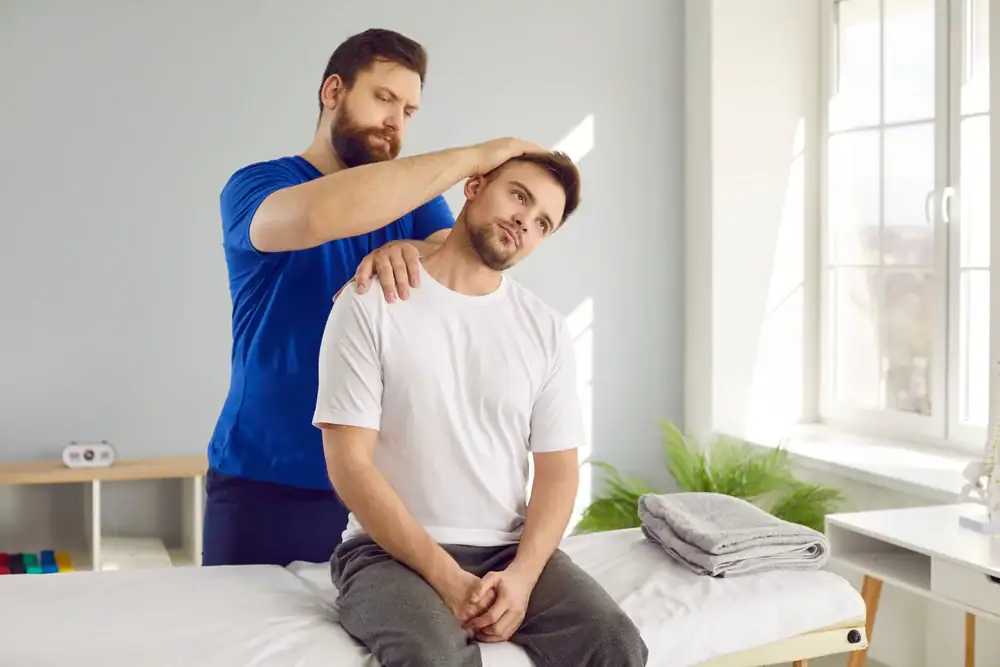
If you’re dealing with pain, limited mobility, balance issues, or recovering from surgery or a stroke, physical therapy has strong evidence behind it. About 86% of people who try it report that it helped, and 79% see significant pain reduction. That’s not a guarantee, but it’s a pretty solid track record.
The key is whether your condition is something that responds to movement, strength, and retraining. Things like chronic back pain, joint pain from arthritis, post-surgical recovery, fall risk, and neurological conditions like stroke or Parkinson’s—all of these improve with the right therapy plan. If you’ve been told “it’s just part of getting older” or “you’ll need surgery eventually,” physical therapy is worth trying first. Many people avoid more invasive treatments entirely by starting therapy early.
During your evaluation, we’ll be honest about what’s realistic. If we don’t think we can help, we’ll tell you. But if there’s a path forward, we’ll map it out and show you what progress looks like.
Yes, Medicare Part B covers physical therapy when it’s medically necessary, which includes most of what we treat—fall prevention, post-surgery rehab, stroke recovery, joint pain, and balance issues. You’ll typically pay 20% of the Medicare-approved amount after you’ve met your deductible. If you have a Medicare Supplement plan, that often covers the remaining 20%.
For 2024, there’s no longer a hard cap on therapy visits, but Medicare does review cases that go beyond certain dollar thresholds to make sure the treatment is still necessary. We handle all of that documentation, so you don’t have to worry about justifying your care. We also accept most private insurance plans, and about 65% of our patients use private insurance while 22% use Medicare.
Before you start, we’ll verify your coverage and give you a clear picture of what you’ll owe. No one likes surprise bills, and we don’t operate that way. If cost is a concern, talk to us. There are often ways to structure your treatment plan to stay within your budget while still making real progress.
The treatment itself is the same—you’re working with a licensed physical therapist either way. The difference is convenience and context. In-home therapy means we come to you, which is helpful if you don’t drive, have mobility limitations, or just find it exhausting to get to appointments. It also lets us see your actual environment and address the specific challenges you face at home, like navigating stairs or getting in and out of the shower safely.
Clinic-based therapy gives you access to more equipment—things like resistance machines, parallel bars, or aquatic therapy pools if needed. Some people also prefer the structure of leaving the house and having a dedicated space for their recovery. It’s not better or worse, just different.
If you’re recovering from surgery or a major health event, in-home therapy is often the best starting point. Once you’re stronger and more mobile, you might transition to clinic visits. We’ll recommend what makes sense based on your condition, but the choice is ultimately yours. Both options are covered by Medicare and most insurance plans.
Most people notice some improvement within two to four weeks, but that depends on what you’re treating and how consistent you are with your exercises. If you’re recovering from a fall or dealing with acute pain, you might feel better faster. If you’re managing a chronic condition like arthritis or recovering from a stroke, progress takes longer but it’s still measurable.
Physical therapy isn’t a quick fix. It’s a process of rebuilding strength, retraining movement patterns, and reducing pain through consistent effort. You’ll have exercises to do at home between sessions, and how well you stick to those makes a big difference. The people who see the best results are the ones who show up, do the work, and communicate when something isn’t working.
On average, a full course of therapy runs anywhere from six to twelve weeks, but some people need more time and others need less. We’ll reassess your progress every few weeks and adjust the plan as needed. The goal is to get you functional and independent again, not to keep you in therapy forever.
It’s not marketing—it’s one of the most researched areas in physical therapy. About 25% of older adults fall each year, and falls are the leading cause of injury-related death in people over 65. But falling isn’t inevitable. Balance training combined with strength exercises has been proven to reduce fall risk significantly, especially when the exercises challenge your balance and force your body to react.
That’s what fall prevention therapy focuses on. You’ll work on proprioceptive training, which improves your body’s ability to sense where it is in space. You’ll practice gait training to improve how you walk and recover when you stumble. And you’ll build strength in your legs and core, which are critical for catching yourself before you go down.
One study found that physical therapy for fall prevention saves over $2,000 per person by avoiding the medical costs of a fall-related injury. More importantly, it keeps you out of the hospital and out of a nursing home. If you’ve already fallen once, your risk of falling again is much higher. Starting therapy now is one of the smartest things you can do to stay independent.
Bring your insurance card, a photo ID, and any paperwork your doctor gave you—especially if you have a prescription or referral for therapy. If you’ve had recent imaging done (X-rays, MRIs, etc.), bring those results or have them sent over ahead of time. It helps us understand what we’re working with.
Wear comfortable clothes that let you move easily. If we’re evaluating your knee, we need to see your knee. If it’s your shoulder, don’t show up in a tight sweater. You don’t need athletic gear, just something practical. Also bring a list of your current medications, especially if you’re on pain meds, blood thinners, or anything that affects your balance or energy levels.
If you use a cane, walker, or brace, bring that too. We want to see how you move with the tools you actually use at home. And if you have questions written down, bring those. This is your chance to get clear answers about what’s going on and what we can do about it. Don’t wait until you’re walking out the door to ask what’s been on your mind.
Other Services we provide in Ocean Beach