


You’re not looking for temporary relief. You want to walk without worrying about falling. You want to get through your day without that constant ache in your knee or back. You want to feel confident moving again.
That’s what physical therapy does when it’s done right. It reduces pain without relying on medication. It rebuilds strength so everyday tasks stop feeling like challenges. It improves balance so you can move through your home, your neighborhood, and your routine without fear.
The goal isn’t just to feel better for a week. It’s to give you the tools, strength, and confidence to stay active and independent. Whether you’re recovering from surgery, managing a chronic condition, or trying to prevent falls, the right treatment plan makes all the difference. And in North Hills, you have access to therapists who’ve helped hundreds of people get their mobility and quality of life back.
We’ve been serving Long Island communities for years, with locations in Smithtown and Speonk. Our team brings that same level of care and expertise to North Hills residents who need reliable, results-focused physical therapy.
What sets us apart isn’t flashy marketing. It’s the way we handle your care from start to finish. Every Google Business Profile is verified. Every staff member’s access is controlled. Your patient data is protected, and your treatment plan is personalized based on what you actually need, not a one-size-fits-all approach.
North Hills has a higher-than-average population of adults over 55, which means fall prevention and mobility support aren’t just services we offer—they’re priorities we take seriously. You’re working with a team that understands the local landscape and the real concerns people in this area face every day.

Your first visit starts with an evaluation. We assess your mobility, strength, balance, and pain levels. We also talk about your goals—what you want to get back to doing and what’s been holding you back.
From there, we build a treatment plan specific to your condition. That might include therapeutic exercise to rebuild strength, gait training to improve how you walk, or balance training to reduce fall risk. If you’re recovering from surgery, we focus on neuromuscular re-education and joint mobility. If you’ve had a stroke, neurological rehabilitation becomes the priority.
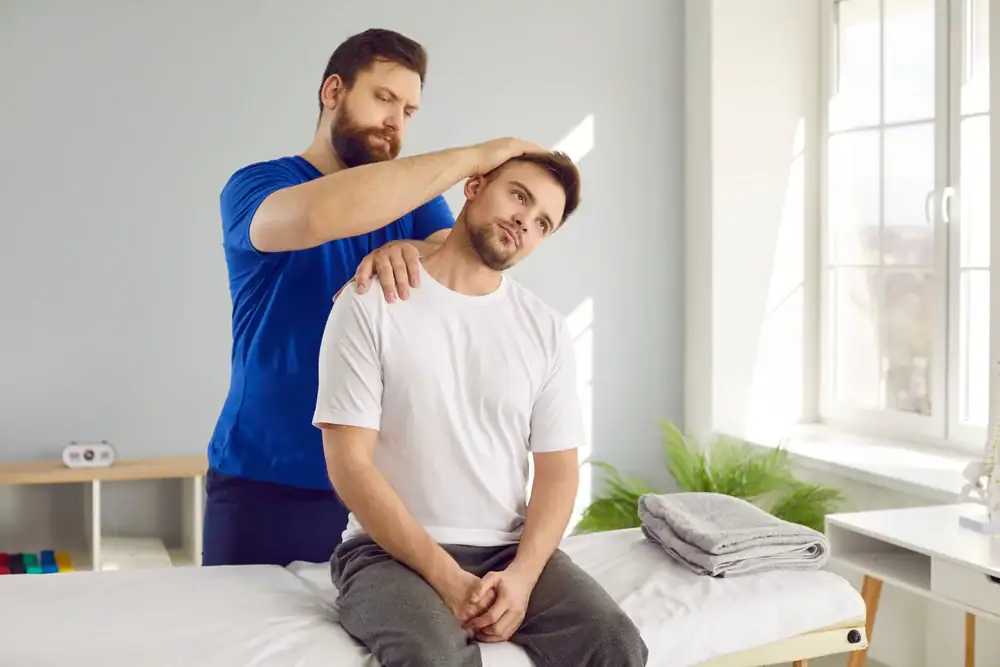
Sessions are hands-on. You’re not sitting in a waiting room for 40 minutes and getting 10 minutes of attention. You’re working one-on-one with a physical therapist who’s tracking your progress and adjusting your plan as you improve.
For patients who have difficulty traveling, we also offer in-home physical therapy. Same quality care, just delivered where you’re most comfortable. And throughout the process, you’ll know exactly what’s happening, why it matters, and what to expect next.

Ready to get started?
You’re not just getting “physical therapy.” You’re getting targeted treatment for the specific issue affecting your life. That includes fall prevention programs designed for older adults, which research shows can reduce fall risk by up to 35%. It includes pre and post surgery rehabilitation to ensure you heal correctly and regain full function.
If you’re dealing with joint pain from arthritis or overuse, treatment focuses on pain reduction and restoring range of motion through therapeutic exercise and resistance training. Stroke rehabilitation and neurological rehabilitation address coordination, balance, and muscle control after a neurological event. Injury rehabilitation gets athletes and active adults back to their routines safely.
We also provide occupational rehabilitation for patients who need to rebuild skills for daily living or work tasks. Every plan is built around measurable progress, so you’re not guessing whether it’s working—you can see and feel the difference.
North Hills is part of a region where demand for these services continues to grow, and for good reason. Physical therapy works. It keeps people out of surgery, off pain medication, and living the lives they want to live. That’s not marketing talk—that’s what the data shows, and it’s what our patients experience.
Most people notice some improvement within the first two to three weeks, but the timeline depends on your condition and how consistently you attend sessions. Acute injuries like sprains or post-surgical recovery often respond faster than chronic issues like arthritis or long-term back pain.
What matters more than speed is whether you’re making measurable progress. That means less pain, better range of motion, improved balance, or increased strength. Your physical therapist tracks these markers at every session, so you’ll know if the plan is working or if adjustments are needed.
Consistency plays a huge role. Patients who follow their home exercise program and attend scheduled sessions typically see results faster and maintain them longer. If you’re not seeing progress after a few weeks, that’s a conversation worth having—not a reason to give up.
Most insurance plans cover physical therapy when it’s medically necessary, which includes conditions like post-surgical recovery, injury rehabilitation, chronic pain, and fall risk. Medicare also covers physical therapy services, though there may be limits on the number of sessions per year depending on your plan.
Before your first visit, it’s worth calling your insurance provider to confirm your coverage, copay, and whether a referral from your doctor is required. Some plans need pre-authorization, especially for ongoing treatment beyond the initial evaluation.
If you don’t have insurance or your plan doesn’t cover the full cost, many therapy practices offer payment plans or reduced rates. The key is to ask upfront so there are no surprises. Physical therapy is an investment in your mobility and independence, and most people find that the long-term benefits far outweigh the cost—especially when compared to surgery or ongoing medication.
Yes, and the research backs it up. Balance and strength training programs can reduce fall risk by 25% to 35% in older adults. That’s significant when you consider that more than one in four people over 65 fall each year, and falling once doubles the chance of falling again.
Physical therapy addresses the root causes of falls: weak legs, poor balance, slow reaction time, and difficulty with coordination. Gait training improves how you walk. Balance training strengthens the muscles that keep you stable. Resistance and strength training rebuild the leg and core strength you need to catch yourself if you start to lose your footing.
Fall prevention isn’t just about avoiding injury. It’s about maintaining your independence and confidence. When you’re not constantly worried about falling, you’re more likely to stay active, leave the house, and keep doing the things that matter to you. That’s the real value of a good fall prevention program.
Physical therapy focuses on improving movement, strength, balance, and pain management. It’s what you need if you’re recovering from surgery, dealing with joint pain, or working to prevent falls. The goal is to help you move better and hurt less.
Occupational therapy focuses on helping you perform daily tasks and activities, especially after an injury, illness, or surgery. That includes things like getting dressed, cooking, bathing, or returning to work. It’s more about function in your everyday life than pure movement.
In many cases, people benefit from both. If you’ve had a stroke, for example, physical therapy helps you regain strength and balance, while occupational therapy helps you relearn how to use your hands or manage tasks around the house. We offer both services, and your therapist will recommend the right approach based on what you’re dealing with and what you’re trying to accomplish.
New York allows direct access to physical therapy, which means you can see a physical therapist without a doctor’s referral for up to 10 visits or 30 days, whichever comes first. After that, you’ll need a referral to continue treatment.
That said, some insurance plans still require a referral from your primary care doctor before they’ll cover physical therapy, even if state law doesn’t require it. It’s worth checking with your insurance provider before scheduling your first appointment to avoid any billing issues.
If you’re dealing with pain, limited mobility, or recovering from an injury, you don’t have to wait weeks for a doctor’s appointment before getting help. You can call a physical therapist, schedule an evaluation, and start treatment right away. That early intervention often leads to faster recovery and better outcomes.
Yes, when it’s done correctly. In-home physical therapy delivers the same quality care as clinic-based treatment—it just happens in your living room instead of a therapy center. For patients who have trouble traveling due to mobility issues, transportation challenges, or post-surgical restrictions, it’s often the better option.
Your therapist brings the necessary equipment and adapts exercises to your home environment. In fact, treating you at home has advantages: your therapist can assess your actual living space, identify fall hazards, and teach you how to move safely in the environment where you spend most of your time.
In-home therapy works especially well for stroke rehabilitation, post-surgical recovery, and fall prevention programs. It’s also a good fit for older adults who feel more comfortable and confident in their own space. The key is consistency and following through with your exercises between sessions, just like you would with clinic visits.
Other Services we provide in North Hills