


Falls aren’t just accidents. They’re warning signs your body’s been trying to send you. Weak legs, shaky balance, slower reactions—these things don’t fix themselves, and ignoring them only makes the next fall more likely.
Here’s what changes when you address it: you walk to the mailbox without second-guessing every step. You get up from a chair without bracing yourself. You move through your home like you used to, not like you’re walking on ice.
That’s what balance training and fall prevention therapy actually do. Not just exercises on paper—real strength work, gait training, and proprioceptive drills that retrain how your body responds when you shift weight or lose footing. It’s the difference between hoping you don’t fall and knowing your legs will catch you.
In North Great River, where Nassau and Suffolk counties rank among the highest in New York for fall-related incidents, this isn’t optional. It’s essential. And it works—studies show fall prevention programs reduce your risk by 30% to 35%. That’s not a small number when independence is on the line.
We’ve been serving North Great River and the surrounding Suffolk County communities for years. We’re not new to this. We know what works, what doesn’t, and what people actually need when they’re trying to recover.
Our team includes licensed physical therapists who specialize in fall prevention, stroke rehabilitation, neurological rehab, and post-surgery recovery. We also offer in-home physical therapy for patients who can’t—or shouldn’t—be driving to appointments. That’s not a luxury. It’s often the smarter move.
We manage our locations carefully. Every Google Business Profile is verified. Every therapist is credentialed. Every patient record is handled with the kind of attention you’d expect from people who take this seriously. Because when you’re trusting someone with your recovery, the details matter.

First, we evaluate where you’re actually at—not where you think you should be. That means testing your balance, your gait, your range of motion, and your strength. We’re looking for the real limitations, not just the obvious ones.
Then we build a plan based on what you need to get back to. If you’re recovering from a stroke, that’s neurological rehabilitation and neuromuscular re-education. If you’re post-surgery, it’s joint mobility and therapeutic exercise. If you’re here because you’ve fallen or you’re afraid you will, it’s resistance training, strength work, and balance drills that actually prepare your body to react.
Sessions happen either at one of our locations—Physical Therapy Associates of Smithtown or Speonk—or in your home if that makes more sense. Frequency depends on your condition, but most people start with two to three visits per week. You’ll know if it’s working because you’ll feel steadier, stronger, and less worried about what your body can’t do.
We also communicate directly with your doctor. If something’s not progressing right, we adjust. If you’re ahead of schedule, we push forward. This isn’t a one-size-fits-all process, and we don’t treat it like one.

Ready to get started?
You get a full evaluation up front. That includes balance testing, strength assessment, gait analysis, and a review of your medical history. We’re not guessing—we’re measuring.
From there, you get a treatment plan that addresses your specific issues. That might include therapeutic exercise to rebuild strength, gait training to improve how you walk, or proprioceptive training to help your body sense where it is in space. For stroke patients, we use neuromuscular re-education techniques that retrain how your brain communicates with your muscles.
If you’re dealing with joint pain, we use manual therapy and targeted exercises to restore mobility without making things worse. If you’re recovering from surgery, we follow evidence-based protocols that match your timeline and your surgeon’s recommendations. And if you’re at risk for falls—which, in Suffolk County, is more common than most people realize—we focus on the exact interventions that reduce that risk by 30% or more.
You also get in-home physical therapy if getting to an office isn’t realistic. That’s not just convenient—it’s often safer, especially for older adults or anyone with limited mobility. We bring the same equipment, the same expertise, and the same standards to your living room.
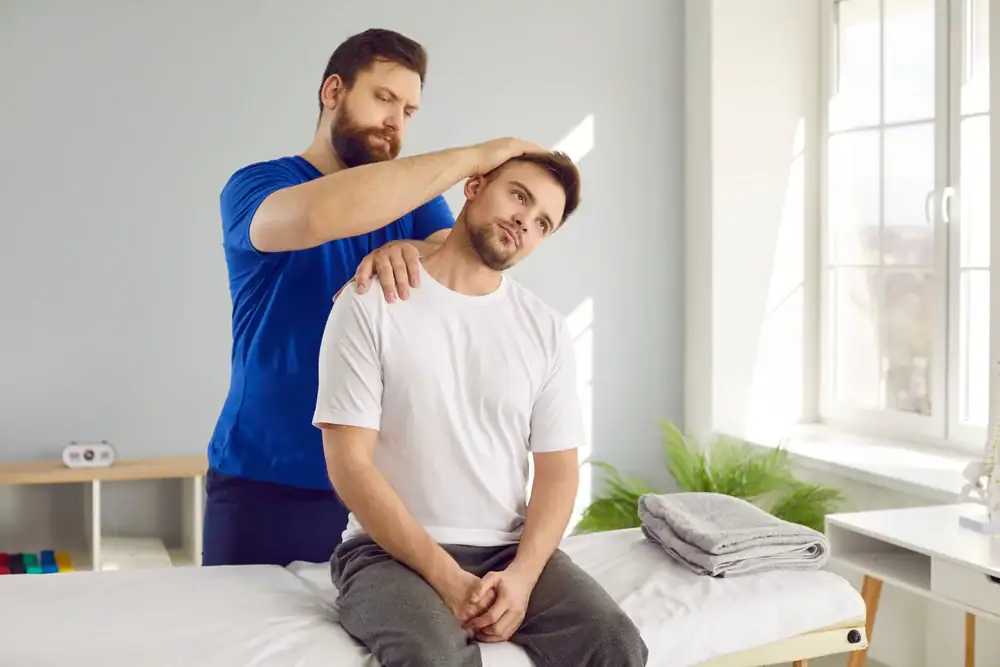
If you’re asking the question, you probably already know the answer. Most people don’t wonder if they need help unless something’s already off—maybe you’re moving slower, avoiding stairs, or catching yourself on furniture more than you used to.
Here’s a simple test: stand on one foot for 10 seconds without holding onto anything. If you can’t, or if you feel unsteady doing it, that’s a balance issue. Another one: get up from a chair without using your hands. If that’s hard, your leg strength isn’t where it should be.
Physical therapy isn’t just for people recovering from surgery or injury. It’s for anyone who wants to stay independent, reduce pain, or stop a small problem from becoming a serious one. The average age of a physical therapy patient is 52, but we see people in their 30s dealing with chronic pain and people in their 80s working to prevent falls. It’s not about age—it’s about function.
The treatment is the same. The location is different. That’s it.
In-home physical therapy makes sense if you have trouble driving, if you’re recovering from surgery and movement is limited, or if you’re at higher risk for falls and getting out of the house feels risky. It also eliminates the stress of transportation, especially in bad weather or if you don’t have someone available to drive you.
Clinic-based therapy makes sense if you benefit from the equipment we have on-site or if you prefer the structure of going somewhere for your appointments. Some people recover better in a clinical setting. Others do better at home. We offer both because different situations call for different approaches.
Either way, you’re working with the same licensed therapists, following the same evidence-based protocols, and getting the same level of care. The only thing that changes is where you do the work.
Most people start noticing changes within two to four weeks if they’re consistent with their sessions and doing what’s asked of them between visits. That doesn’t mean you’re fully recovered—it means you’re moving better, feeling steadier, or experiencing less pain than when you started.
Full recovery depends on what you’re recovering from. A sprained ankle might take six weeks. Post-surgical rehab might take three months. Stroke rehabilitation can take six months or longer. Chronic conditions like arthritis don’t “recover”—they get managed, and that’s ongoing.
What matters more than the timeline is whether you’re progressing. If your balance is improving, if your range of motion is increasing, if you’re able to do things you couldn’t do a month ago—that’s progress. If nothing’s changing after a few weeks, we adjust the plan. This isn’t a passive process. It requires effort, but it also requires the right approach, and that’s where experience matters.
Most insurance plans cover physical therapy, including Medicare and Medicaid. Coverage depends on your specific plan, but the majority of people have at least partial coverage, especially if therapy is prescribed by a doctor.
We accept most major insurance plans, and we handle the billing directly. That means you’re not stuck figuring out codes or filing claims yourself. We verify your benefits before you start so you know what to expect. If there’s a copay or deductible, we’ll tell you upfront.
If you don’t have insurance or if your plan doesn’t cover therapy, we can discuss payment options. The cost varies depending on the type of therapy and how many sessions you need, but we’re transparent about pricing. You won’t get surprise bills three months later. We’ve been doing this long enough to know that financial stress doesn’t help anyone recover, so we keep the process as straightforward as possible.
Your first visit is an evaluation. We’re not starting treatment yet—we’re figuring out what’s actually going on. That means asking about your medical history, any surgeries or injuries, what’s hurting or limiting you, and what you’re hoping to get back to doing.
Then we test your movement. Depending on why you’re here, that might include checking your balance, measuring your range of motion, testing your strength, or watching how you walk. We’re looking for patterns—where you’re compensating, where you’re weak, where you’re at risk.
After that, we talk through what we found and what the plan looks like. How many sessions per week, what kind of exercises, how long it’ll take, and what you’ll need to do on your own between visits. Most first appointments take about an hour. You’ll leave with a clear understanding of what’s next and what’s realistic to expect.
It’s not marketing—it’s data. Fall prevention programs that include balance training, strength exercises, and gait work reduce fall risk by 30% to 35%. That’s across multiple studies, not just one.
Here’s why it works: most falls happen because your body can’t react fast enough when you lose your balance. Your legs aren’t strong enough to catch you, your reflexes are slower than they used to be, or your proprioception—your body’s sense of where it is in space—is off. Physical therapy fixes those things.
We use exercises that challenge your balance in controlled ways so your body learns to respond. We strengthen the muscles that stabilize you when you shift weight. We improve your gait so you’re not shuffling or dragging your feet. And we work on reaction time so that if you do start to fall, your body kicks in before you hit the ground. In North Great River and across Suffolk County, where fall rates are higher than the state average, this kind of training isn’t optional if you want to stay independent. It’s necessary.
Other Services we provide in North Great River