


You’re not looking for someone to tell you what’s wrong. You already know your knee hurts, your balance isn’t what it was, or that getting up the stairs takes longer than it should. What you actually need is someone who can help you fix it without turning your week upside down.
That’s where in-home physical therapy makes sense. You don’t drive anywhere. You don’t sit in a waiting room. A licensed physical therapist comes to you, evaluates how you move in your actual environment, and builds a plan that works with your furniture, your routine, and your real life.
The outcome isn’t just less pain. It’s being able to pick up your grandkid without wincing. It’s walking to the mailbox without worrying about losing your balance. It’s sleeping through the night because your shoulder finally stopped waking you up every time you roll over. That’s what recovery actually looks like when it’s done right.
We’ve been treating patients across Long Island since the late 1980s. We’re not new to this. Our therapists have worked with post-surgical patients, stroke survivors, people recovering from falls, and plenty of folks who just want to stay strong enough to keep doing what they love.
We operate multiple locations, including our centers in Smithtown and Speonk, but a lot of our work happens in people’s homes. That’s especially true in Manorhaven, where transportation can be a hassle and where your living space plays a huge role in how you recover. We treat you where you actually live, not in some generic clinic setup.
You’re working with licensed professionals who know the difference between cookie-cutter exercises and a treatment plan that actually matches your goals. And because we’ve been around this long, we’ve built relationships with physicians, insurance providers, and the community. You’re not taking a chance on someone who just opened last month.

First, we schedule an initial evaluation at your home. A physical therapist shows up, asks about your pain or limitations, watches how you move, and gets a sense of your environment. Are your stairs too steep? Is your bathroom setup safe? Do you have the space to do exercises? All of that matters.
From there, we build a treatment plan. That might include therapeutic exercise to rebuild strength, balance training if you’ve had a fall or feel unsteady, gait training to improve how you walk, or neuromuscular re-education if you’re recovering from a stroke or neurological condition. If you’ve had surgery, we handle pre and post surgery rehabilitation. If it’s joint pain slowing you down, we work on joint mobility and pain management.
Sessions typically happen one to three times per week depending on your needs and what insurance covers. Each visit builds on the last. We’re tracking your progress, adjusting your exercises, and making sure you’re actually getting better—not just going through the motions. When you hit your goals, we don’t just disappear. We give you a maintenance plan so you stay strong and don’t end up back where you started.

Ready to get started?
Every plan is different, but most include some combination of strength training, flexibility work, and functional movement. If fall prevention is the priority—and it often is for older adults in Manorhaven—we focus heavily on balance and proprioceptive training. That means exercises that retrain your body’s sense of where it is in space, which directly reduces fall risk.
For people recovering from injury or surgery, we use resistance and strength training to rebuild what’s been lost. If you’ve had a stroke or deal with a neurological condition like Parkinson’s, stroke rehabilitation and neurological rehabilitation become the foundation. We’re working on coordination, movement patterns, and helping your brain reconnect with your body.
We also do occupational rehabilitation for people who need to get back to work or daily tasks, and injury rehabilitation for everything from sprains to post-fracture recovery. You’re not getting a one-size-fits-all program. You’re getting a plan based on where you’re starting and where you need to go. And because we’re in your home, we can address the specific challenges your space creates—like narrow hallways, stairs without railings, or rugs that slide.
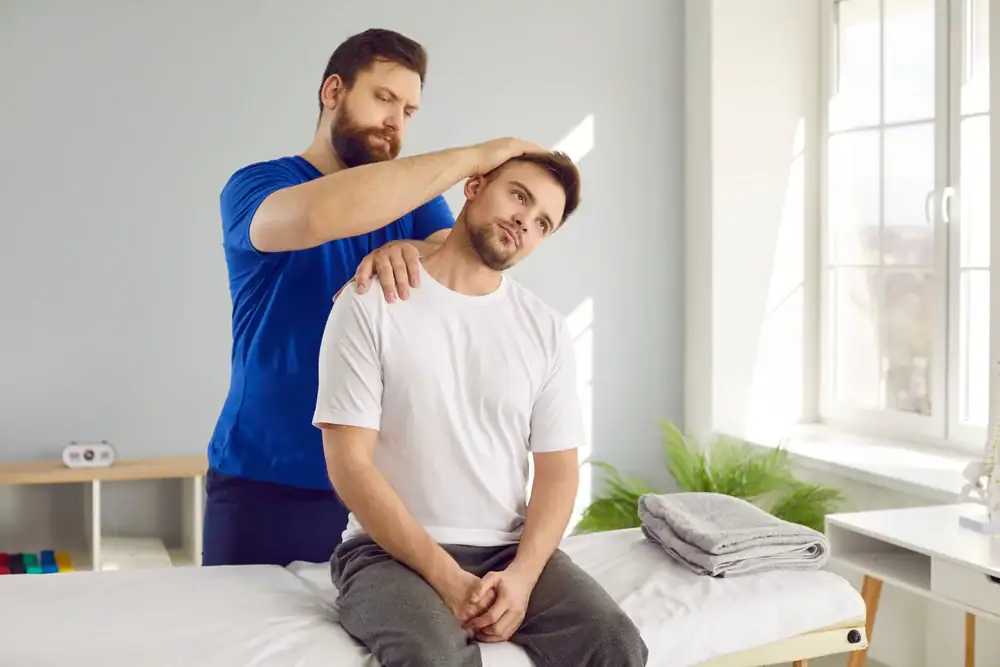
Most major insurance plans cover in-home physical therapy if it’s medically necessary, which usually means your doctor has referred you or you meet certain mobility criteria. Medicare covers it under Part B as long as you’re homebound, meaning leaving your home takes considerable effort. That doesn’t mean you can never leave—it just means it’s difficult or unsafe without help.
We work with a wide range of insurance providers and handle the verification process upfront. You’ll know what’s covered before we start. If you have a high-deductible plan or limited coverage, we’ll walk you through your options. The goal is to make sure cost doesn’t become the reason you don’t get the care you need.
If you’re unsure whether your plan covers home visits, call us. We’ll check your benefits and give you a straight answer, not a runaround.
The biggest difference is context. In a clinic, you’re doing exercises in a controlled space that doesn’t look anything like your house. At home, we’re working with your actual stairs, your actual bathroom, your actual furniture. If you’re struggling to get out of your favorite chair, we fix that problem in that chair—not on some generic bench at a clinic.
You also skip the commute, which matters more than people realize. If you’re recovering from surgery or dealing with chronic pain, getting dressed and driving 20 minutes each way isn’t just inconvenient—it’s exhausting. In-home therapy removes that barrier completely.
And for older adults or people with balance issues, staying home is safer. You’re not worried about falling in a parking lot or navigating an unfamiliar building. You’re in your own space, which reduces stress and lets you focus on the actual work of getting better.
Fall prevention starts with figuring out why you’re at risk. Is it weak legs? Poor balance? Vision issues? Medication side effects? We assess all of that during your evaluation. Then we build a program that addresses your specific vulnerabilities.
Balance and proprioceptive training are the core. These are exercises that challenge your stability in controlled ways—standing on one leg, weight shifting, walking on uneven surfaces. We also do gait training to improve how you walk, because a lot of falls happen when people shuffle or don’t pick up their feet. Strength work is part of it too, especially for your hips and ankles, which are critical for catching yourself if you start to tip.
We also look at your home setup. Are there tripping hazards? Do you need grab bars in the bathroom? Is the lighting good enough? Falls don’t just happen because of weak muscles—they happen because of environment. We address both.
Physical therapy isn’t a magic bullet, but it’s one of the most effective non-drug options for managing chronic pain—especially for joint pain, back pain, and arthritis. The CDC actually recommends physical therapy as a first-line treatment for chronic pain lasting longer than 90 days, specifically because it reduces the need for opioids.
Here’s why it works: a lot of chronic pain comes from compensation patterns. You hurt your knee, so you start walking differently. That throws off your hip. Now your back hurts too. We break that cycle by restoring normal movement, strengthening weak areas, and reducing the load on painful joints.
Therapeutic exercise and neuromuscular re-education help retrain your body to move in ways that don’t trigger pain. It’s not about pushing through discomfort—it’s about teaching your body better patterns. Most people see improvement within a few weeks if they stick with the plan. You won’t be pain-free overnight, but you’ll have more control over it than you did before.
It depends entirely on what we’re treating. If you’re recovering from a minor injury or surgery, you might need six to eight weeks. If you’ve had a stroke or you’re dealing with a neurological condition, it could be several months. Chronic issues like arthritis or balance problems often require ongoing maintenance even after the initial treatment phase.
Most people start with two to three sessions per week. As you improve, we space them out. The goal isn’t to keep you in therapy forever—it’s to get you strong and stable enough that you don’t need us anymore. That said, some people benefit from periodic check-ins, especially older adults who want to stay ahead of age-related decline.
We’re transparent about timelines from the start. After your evaluation, we’ll give you a realistic estimate based on your condition and goals. If something isn’t working or progress stalls, we adjust. You’re not locked into a rigid plan that doesn’t make sense for your situation.
Your first session is an evaluation. The therapist will ask about your medical history, current symptoms, and what you’re hoping to accomplish. Then they’ll watch you move—standing up from a chair, walking, reaching, bending, whatever’s relevant to your situation. They might test your strength, balance, range of motion, and flexibility.
They’ll also look around your home. Are there safety concerns? Environmental factors that could be contributing to your problem? This isn’t about judging your housekeeping—it’s about understanding the full picture so we can build a plan that actually works in your space.
By the end of that first visit, you’ll have a clear sense of what’s going on and what the treatment plan will look like. We’ll talk about frequency, duration, and goals. You’ll probably do a few exercises that day too, just to get started. The whole thing usually takes about an hour. Come prepared with questions, and wear comfortable clothes you can move in.
Other Services we provide in Manorhaven