

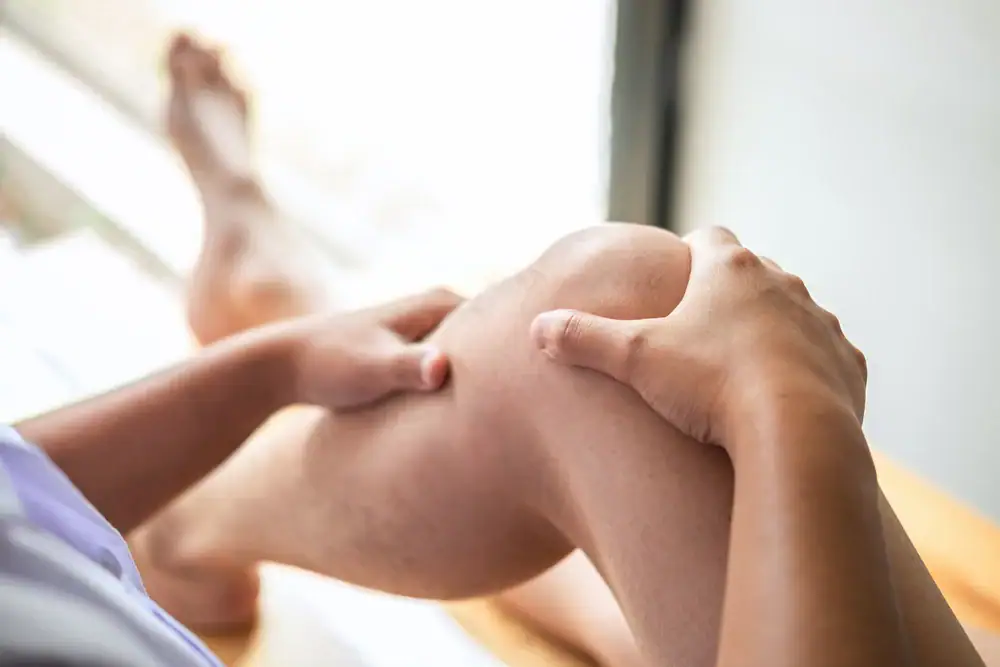
You’re not looking for temporary relief. You want to walk without worrying about falling. You want to get through your day without that nagging joint pain slowing you down. You want to feel confident that your body can handle what you need it to do.
That’s what physical therapy does when it’s done right. Most patients see significant pain reduction without needing opioid medication—87% fewer prescriptions, according to recent data. Falls drop by 86% when you start treatment within three months of diagnosis. These aren’t small improvements. They’re the difference between independence and limitation.
The work happens through targeted therapeutic exercise, balance training, and gait training that rebuilds what injury, surgery, or age has taken away. You’re not just managing symptoms. You’re addressing the actual problem so your body functions the way it should again.
Whether you’re recovering from surgery, dealing with chronic joint pain, or trying to prevent the falls that put so many older adults in the hospital, the right treatment plan gets you back to doing what matters. Not someday. Now.
Medcare Therapy Services and our affiliated centers—Physical Therapy Associates of Smithtown and Speonk—have been serving Long Island communities for more than two decades. That longevity comes from doing the work right and treating people like they matter.
Locust Valley has one of the most competitive physical therapy markets on Long Island, with over 1,300 specialists practicing here. The average rating is 4.7 stars. You have options, and that’s exactly why we focus on what actually moves the needle: personalized treatment plans, secure management of your information, and therapists who know what they’re doing.
Your data stays protected. Your appointments stay consistent. Your progress gets tracked properly. We verify every digital profile, control access to patient information, and maintain the kind of operational standards that prevent the headaches you shouldn’t have to deal with when you’re trying to heal.

First, you come in for an evaluation. We assess your mobility, pain levels, balance, and whatever specific issue brought you here—whether that’s post-surgery rehabilitation, stroke recovery, or chronic joint pain. This isn’t a quick glance. It’s a thorough look at how your body moves and where the problems are.
From there, we build a treatment plan specific to your situation. That might include resistance and strength training to rebuild muscle. Balance and proprioceptive training if falls are a concern. Gait training to correct how you walk. Neuromuscular re-education if your nervous system needs retraining after injury or stroke. Every plan is different because every person is different.
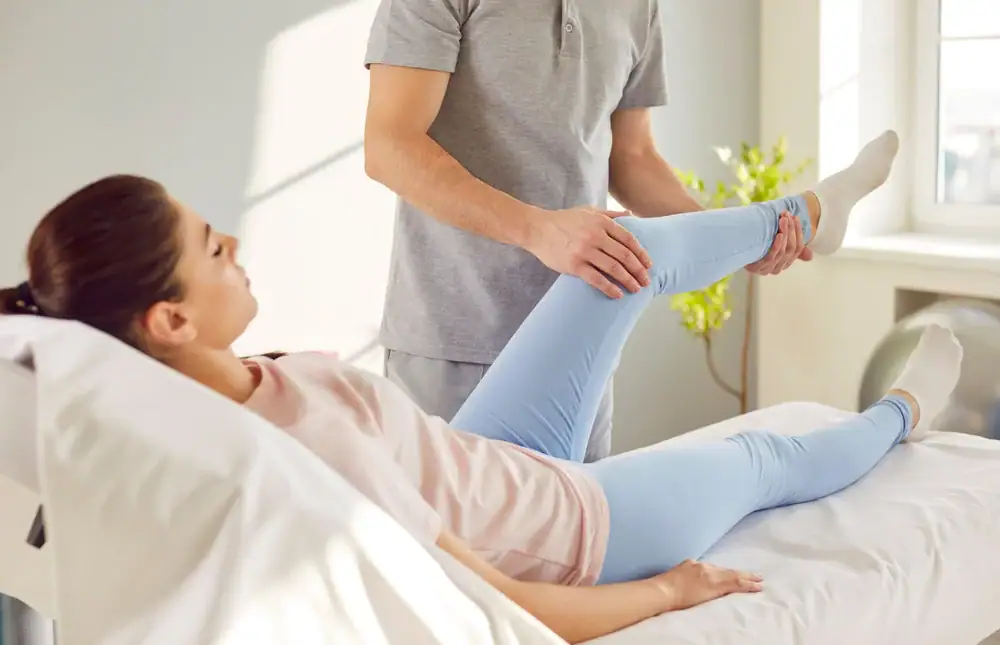
Sessions typically run a few times per week depending on severity. You’ll work directly with a licensed physical therapist who adjusts your program as you progress. Some exercises happen in the clinic. Some you’ll do at home. We also offer in-home physical therapy for patients who can’t easily travel.
Progress gets measured. Pain levels, range of motion, strength, balance—we track it so you know whether the treatment is working. Most patients report noticeable improvement within the first few weeks. The full program depends on your condition, but the goal is always the same: get you functional, independent, and pain-free as quickly as possible.
Ready to get started?
Fall prevention is a major focus here, and for good reason. More than one-third of adults over 65 fall each year in the U.S., and those falls cost the healthcare system $80 billion in 2022 alone. In Locust Valley’s aging population, that risk is even more pronounced. Our fall prevention program combines balance training, gait correction, and strength work that lowers your fall risk by 86% when started early.
Joint pain treatment addresses the wear and tear that comes with age or overuse. Knees, hips, shoulders, backs—we treat them all using therapeutic exercise and manual techniques that reduce inflammation and restore mobility. About 127 million Americans deal with musculoskeletal issues. You don’t have to be one of them long-term.
Stroke rehabilitation and neurological rehabilitation help patients regain function after serious medical events. Relearning movement patterns, rebuilding strength, improving coordination—it’s slow work, but it’s effective. 90% of physical therapy patients say treatment improved their overall quality of life. That number holds true here.
Pre and post-surgery rehabilitation prepares your body before a procedure and speeds recovery afterward. Occupational rehabilitation gets you back to work safely. Injury rehabilitation handles everything from sports injuries to accidents. We also provide resistance and strength training for patients who need to rebuild muscle mass after illness or inactivity.
Most patients notice some improvement within two to three weeks, but the full timeline depends on the severity of your condition and how consistently you follow the treatment plan. Chronic joint pain that’s been building for years won’t disappear overnight, but you should see measurable progress early on.
Sessions typically run 30 to 60 minutes, two to three times per week. Acute issues—like a recent injury—might resolve in four to six weeks. Chronic conditions often require eight to twelve weeks of consistent work. The key is sticking with it. Patients who complete their full program report a 79% reduction in pain on average.
We track your range of motion, pain levels, and functional ability throughout treatment. If something isn’t working, we adjust. The goal is always to get you pain-free and functional as quickly as possible without cutting corners that lead to setbacks later.
Not necessarily. Physical therapy often prevents the need for surgery altogether, especially for conditions like arthritis, rotator cuff issues, and lower back pain. Surgery is typically a last resort after conservative treatment options have been exhausted.
The success rate for physical therapy ranges from 68% to 72%, meaning most people avoid surgery entirely when they commit to the process. Even when surgery is eventually needed, pre-surgery rehabilitation improves outcomes and speeds recovery afterward. Going into a procedure with stronger muscles and better mobility gives you a significant advantage.
If your condition isn’t improving after a reasonable trial period, we’ll have an honest conversation about next steps. That might mean adjusting your treatment plan, consulting with your physician, or exploring other options. But surgery isn’t automatic just because progress is slow.
It’s not overstated. The data is clear: patients who receive physical therapy within three months of a fall diagnosis reduce their fall risk by 86%. The U.S. Preventive Services Task Force issued a Grade B recommendation in 2024 specifically for fall prevention exercise interventions in at-risk adults over 65.
Falls aren’t just about bad luck. They’re usually the result of declining balance, weakened leg muscles, poor gait mechanics, or a combination of all three. Physical therapy addresses each of those factors directly through targeted exercises that retrain your body to move safely.
The economic impact matters too. Choosing physical therapy for fall prevention saves an average of $2,144 per patient when you account for the cost of emergency room visits, hospitalizations, surgeries, and long-term care that result from serious falls. More importantly, it keeps you independent. A fall can mean the difference between living on your own and needing assisted care.
We accept most major insurance plans, including Medicare. Coverage varies depending on your specific plan, deductible, and whether you’ve met your out-of-pocket maximum for the year. We recommend calling your insurance provider before your first visit to understand your benefits.
For patients paying out of pocket, session costs typically range from $75 to $150 depending on the type and length of treatment. Many people find that even without insurance, physical therapy is more affordable than ongoing pain medication, repeated doctor visits, or the cost of surgery and recovery.
We handle the billing and insurance verification process so you don’t have to chase down paperwork. If there’s ever confusion about what’s covered, we’ll walk you through it. The last thing you need when dealing with pain or recovery is surprise bills or administrative headaches.
Exercise is part of physical therapy, but it’s not the whole picture. A licensed physical therapist evaluates your specific condition, identifies the root cause of your pain or limitation, and designs a program that targets those exact issues. Doing random exercises at home might help a little, but it can also make things worse if you’re reinforcing bad movement patterns or overloading an injured area.
Physical therapists use manual techniques, specialized equipment, and clinical knowledge that you can’t replicate on your own. They also adjust your program as you progress, which is critical for avoiding plateaus or setbacks. About 86% of patients report that physical therapy was helpful—far higher than self-directed exercise alone.
There’s also accountability. It’s easy to skip workouts at home or do them halfway. When you have scheduled appointments and a therapist tracking your progress, you’re far more likely to stay consistent. That consistency is what produces results.
Both options are available depending on your situation. Most patients come to the clinic because that’s where we have the equipment, space, and hands-on support needed for effective treatment. In-clinic sessions also give your therapist the ability to observe your movement closely and make real-time adjustments.
That said, we offer in-home physical therapy for patients who have mobility limitations, transportation challenges, or medical conditions that make traveling difficult. In-home care is especially common for post-surgery rehabilitation, stroke recovery, and fall prevention in older adults who aren’t comfortable leaving the house yet.
Even if you’re doing clinic-based therapy, you’ll likely have exercises to do at home between sessions. These aren’t optional—they’re part of the treatment plan. Home exercises reinforce what you’re working on in the clinic and speed up your recovery. We’ll show you exactly what to do, how often, and how to know if you’re doing it correctly.
Other Services we provide in Locust Valley