

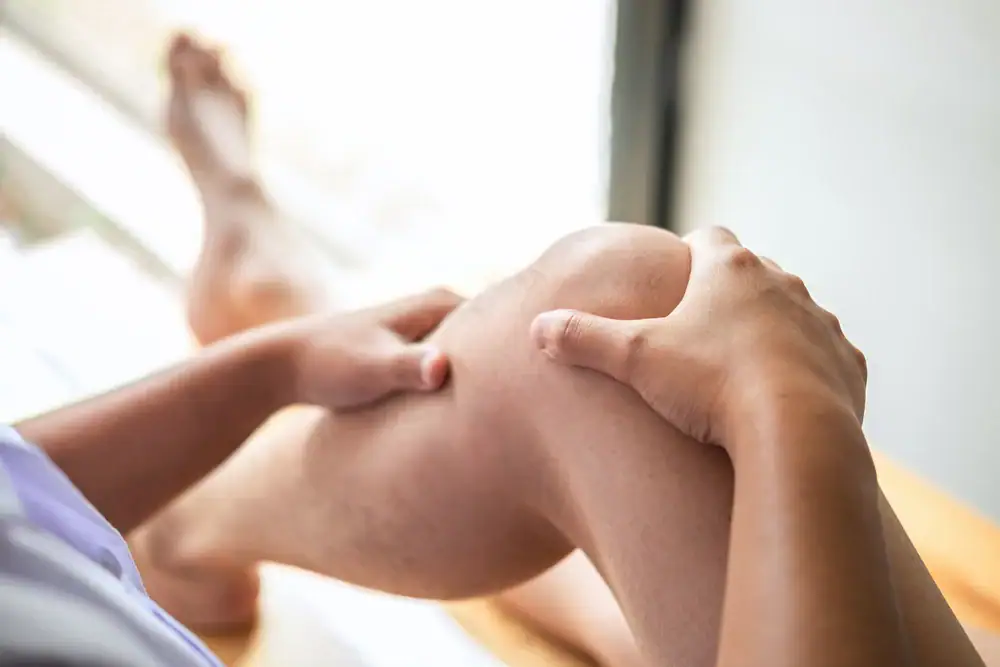
You stop planning your day around what might hurt. That’s the difference between managing pain and actually addressing why it’s there in the first place.
Most people come to us because they’re tired of being told to rest, ice it, or just deal with it. You’ve probably tried that already. What works is targeted movement—the kind that rebuilds strength in the exact areas your body has been compensating for.
When you work with a physical therapist who understands fall prevention, gait training, and how your body actually moves, you start seeing progress in weeks, not months. You walk with more confidence. You sleep better because your back isn’t screaming at you. You stop worrying about whether you’ll make it through the day without needing to sit down.
That’s what physical therapy should do. Not just reduce symptoms, but give you your life back. And if you’re in Inwood, NY, you don’t have to drive an hour to get that kind of care.
We’ve been serving Long Island for years, with affiliated centers in Smithtown and Speonk. We’re not new to this. We’ve treated thousands of patients dealing with everything from post-surgery rehab to chronic joint pain to stroke recovery.
What sets us apart isn’t flashy equipment or corporate messaging. It’s that we actually listen. You’re not getting a cookie-cutter plan pulled from a binder. You’re getting a physical therapist who takes the time to understand what’s not working, why it’s not working, and what needs to happen next.
Inwood has a large population of families and older adults who need therapy that fits their lives—not the other way around. That’s why we offer in-home physical therapy for those who can’t easily get to a clinic. And why our team is trained in bilingual communication, because feeling understood matters when you’re trying to heal.

Your first visit is an evaluation. Not a sales pitch. We assess your movement, your pain, your balance, and your goals. Then we tell you what we think is going on and what we’d recommend. You decide if it makes sense.
If you move forward, your treatment plan is built around your schedule and your body’s response. Some people need twice a week. Others need once. We adjust as you progress, not based on what insurance wants or what some protocol says.
Each session includes hands-on work, therapeutic exercise, and education. You’ll learn why certain movements hurt and how to avoid making things worse at home. You’ll also get stronger in the areas that matter—your core, your legs, your balance—so you’re not just feeling better temporarily, you’re actually more resilient.
Most people start noticing improvement within the first few weeks. That might mean less pain, better range of motion, or just feeling steadier on your feet. The timeline depends on your condition, but the process is always the same: assess, treat, progress, and get you back to your life.

Ready to get started?
You’re not just getting a few stretches and a handout. Every plan we build includes balance training, strength work, and gait analysis—especially if you’ve had a fall or you’re worried about one. Falls are the leading cause of injury for adults over 65, and Inwood’s aging population faces this risk daily. We take it seriously.
If you’re recovering from surgery—knee replacement, hip replacement, rotator cuff repair—we guide you through every stage of healing. That includes managing pain without over-relying on medication, restoring your range of motion, and rebuilding strength so you don’t favor one side and create new problems.
For stroke survivors, we offer neurological rehabilitation that focuses on retraining your brain and body to work together again. That means neuromuscular re-education, coordination drills, and functional movement that actually translates to daily life. Not just clinic exercises, but real-world application.
We also treat joint pain, arthritis, sports injuries, and chronic conditions that limit your mobility. And if getting to our clinic is hard, we bring the therapy to you. In-home physical therapy means you get the same quality care in your own space, on your own terms.
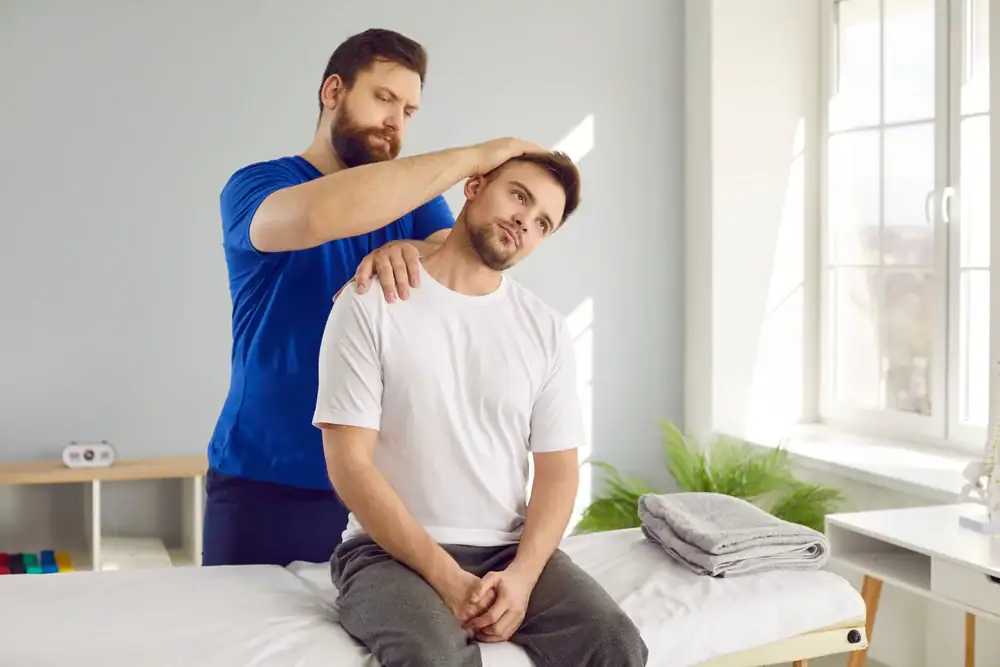
Most people start feeling more stable within three to four weeks if they’re consistent with their sessions and home exercises. Fall prevention isn’t about one magic fix—it’s about building strength in your legs, improving your balance, and teaching your body how to recover when you lose your footing.
Research shows that balance training combined with strengthening exercises is the most effective way to reduce fall risk. That’s exactly what we focus on. You’ll work on standing balance, walking balance, and reactive movements that help you catch yourself before you go down.
The timeline depends on your starting point. If you’ve already had a fall or you’re dealing with muscle weakness, it might take a bit longer. But even small improvements make a big difference in how confident you feel moving around your home or walking outside.
Most private insurance plans cover physical therapy, and we accept a wide range of providers. Medicare also covers PT when it’s medically necessary, which includes things like post-surgery rehab, fall risk, stroke recovery, and chronic pain management.
The number of sessions covered depends on your specific plan. Some cover 20 visits per year, others cover more. We’ll verify your benefits before you start so there are no surprises. If you have a high deductible or limited coverage, we’ll talk through your options and help you make a plan that works.
What matters is that you’re not paying for therapy that isn’t helping. We track your progress closely and adjust your treatment as needed. If something isn’t working, we change it. That’s how you get the most out of your coverage and your time.
Physical therapy focuses on movement—how you walk, how you balance, how you build strength and manage pain. Occupational therapy focuses on daily tasks—how you get dressed, cook, bathe, and function independently at home or work.
There’s overlap, and sometimes you need both. If you’re recovering from a stroke, for example, PT helps you regain mobility and coordination, while OT helps you relearn how to use your hands or adapt your home setup. We offer both services, and we’ll recommend what makes sense based on your goals.
For most people dealing with joint pain, post-surgery recovery, or fall risk, physical therapy is the right starting point. But if you’re struggling with fine motor skills or you need help figuring out how to do everyday activities safely, occupational therapy might be part of the plan too.
Yes. In-home physical therapy is a great option if you have mobility issues, transportation challenges, or you just feel more comfortable in your own space. We bring the same level of care to your home—assessment, hands-on treatment, exercises, and progress tracking.
This is especially helpful for seniors in Inwood who live alone or have trouble getting around. You don’t have to worry about arranging rides or navigating stairs at a clinic. Your therapist comes to you, evaluates your home environment, and creates a plan that fits your space and your routine.
The downside is that we don’t have access to all the equipment we’d have in a clinic. But for most conditions—fall prevention, gait training, post-surgery rehab, joint pain—we can do everything you need with minimal equipment. And honestly, learning to move safely in your own home is often more valuable than doing exercises in a clinic anyway.
Your first visit is all about understanding what’s going on. We’ll ask about your pain, your medical history, any surgeries or injuries, and what you’re hoping to accomplish. Then we’ll watch you move—how you walk, how you stand, how far you can bend or reach.
We’ll also test your strength, balance, and range of motion. This isn’t about passing or failing. It’s about getting a baseline so we know where you’re starting and what needs attention. From there, we’ll explain what we think is causing your symptoms and what we’d recommend for treatment.
You’ll usually do some light exercises or hands-on work during that first session, but nothing intense. The goal is to make sure you feel comfortable and that the plan makes sense to you. If you have questions or concerns, that’s the time to bring them up. This is your treatment, and you should understand every step.
It depends on your condition and your goals. Most people start with two to three sessions per week, then taper down to once a week as they improve. If you’re recovering from surgery or a serious injury, you might need more frequent visits at first.
We don’t drag treatment out longer than necessary. Once you’re moving well, managing your pain, and you know how to continue progressing on your own, we’ll transition you out. Some people are done in six weeks. Others need a few months. It’s not about hitting a certain number of visits—it’s about getting you to a point where you don’t need us anymore.
Between sessions, you’ll have home exercises to do. These aren’t optional. They’re a huge part of your progress. The more consistent you are at home, the faster you’ll see results and the fewer sessions you’ll need overall.
Other Services we provide in Inwood