


You’re not looking for temporary relief. You want to play with your grandkids without wincing. Walk through the park without cutting it short. Get back to tennis, gardening, or just moving through your day without thinking about pain.
That’s what physical therapy does when it’s done right. You work with a licensed therapist who builds a treatment plan around your body and your goals. Not a cookie-cutter routine someone printed off last week.
Most patients see real improvement within the first few weeks. That means less reliance on pain medication, fewer doctor visits, and a faster return to the activities that matter. Whether you’re recovering from surgery, managing a chronic condition, or dealing with an injury that won’t quit, the right approach makes all the difference.
We’ve been helping people across Nassau County get back on their feet for years. Our team includes licensed doctors of physical therapy with specialized training in orthopedics, neurology, sports injuries, and women’s health.
We know Great Neck. We know the active families here, the professionals dealing with desk-related pain, and the older adults who want to stay independent. That’s why we offer same-day appointments, accept most insurance plans, and provide in-home therapy when getting to an office isn’t realistic.
You’re not a number here. Every treatment plan is built around what you need to get better, and you’re involved in every decision along the way.

First, you come in for an evaluation. Your therapist asks about your pain, your injury, your daily routine, and what you’re trying to get back to doing. They’ll assess your movement, strength, and range of motion to figure out what’s actually going on.
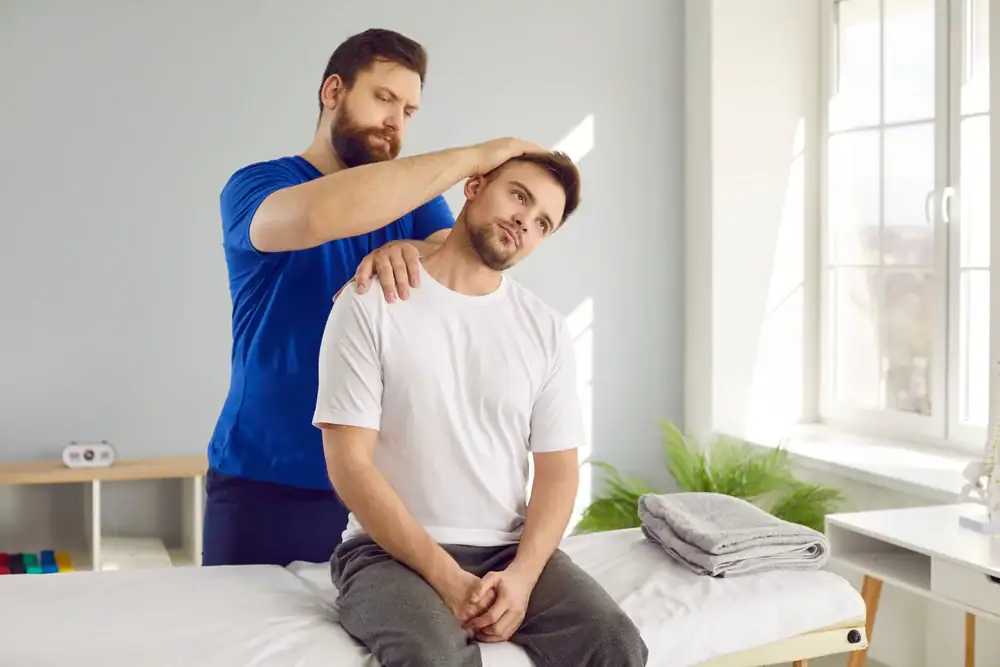
From there, they build a treatment plan. That might include therapeutic exercise to rebuild strength, gait training if walking has become difficult, or balance training to reduce fall risk. Some patients benefit from manual therapy like massage or joint mobilization. Others need neuromuscular re-education after a stroke or neurological condition.
You’ll typically come in two to three times a week, depending on your condition. Each session is hands-on. Your therapist works directly with you, adjusting your plan as you improve. Most people start feeling better within a few weeks, and full recovery timelines depend on the severity of the issue and how consistently you follow through.

Ready to get started?
Your care might include fall prevention exercises if balance is an issue. In Great Neck, where many older adults live independently, falls are a real concern. We incorporate proprioceptive training and strength work to reduce that risk.
If you’re recovering from surgery, pre and post surgery rehabilitation helps you heal faster and regain function. Joint pain treatment addresses everything from arthritis to overuse injuries. Stroke rehabilitation and neurological rehabilitation focus on rebuilding movement and coordination after a serious health event.
For athletes or active individuals, injury rehabilitation and resistance training get you back in the game. Occupational rehabilitation helps if your job has caused repetitive strain or injury. And if getting to our office isn’t possible, in-home physical therapy brings the same quality care to your front door across Great Neck, Nassau County, and the surrounding areas.
Most insurance plans don’t require a referral for physical therapy in New York. You can call and schedule directly.
That said, some plans do have specific requirements, so it’s worth confirming your coverage when you book. Our team can help you figure that out over the phone. If you do need a referral, your primary care doctor or specialist can provide one quickly.
The benefit of direct access is speed. If you’re in pain or dealing with an injury, you don’t have to wait for an extra appointment just to get permission to start treatment. You can often get in the same day and start working toward recovery immediately.
Most people notice improvement within two to four weeks, but full recovery depends on what you’re treating. A minor strain might resolve in a few weeks. A post-surgical rehab plan could take several months.
Your therapist will give you a realistic timeline during your first visit. They’ll also adjust your plan as you progress. Some conditions respond quickly to therapeutic exercise and manual therapy. Others, like neurological rehabilitation after a stroke, require more time and consistency.
The key is showing up and doing the work. Patients who follow their treatment plan and complete their at-home exercises recover faster. If something isn’t working, your therapist will change the approach. You’re not locked into a rigid schedule that ignores how your body is responding.
Your first visit is mostly about assessment. Your therapist will ask detailed questions about your pain, injury, or condition. They’ll want to know when it started, what makes it worse, and what you’ve already tried.
Then they’ll evaluate your movement. That might include watching you walk, testing your range of motion, checking your strength, or assessing your balance. It’s not painful, but it does give them a clear picture of what’s going on.
By the end of the session, you’ll have a treatment plan. Your therapist will explain what they found, what they recommend, and how long recovery typically takes. You might start some light exercises that same day, or they might schedule your first full treatment session for the next visit. Either way, you’ll leave with a clear understanding of the next steps.
Physical therapy is highly effective for chronic pain, not just acute injuries. Conditions like arthritis, fibromyalgia, chronic back pain, and nerve-related pain often improve with the right treatment plan.
The approach is different than treating a fresh injury. Your therapist focuses on improving function, reducing pain flare-ups, and teaching you how to manage symptoms long-term. That might include strengthening weak areas, improving posture, or incorporating low-impact exercises that don’t aggravate your condition.
Many people with chronic pain have tried medication, injections, or other treatments without lasting relief. Physical therapy offers a non-invasive option that addresses the root cause, not just the symptoms. It won’t cure everything, but it can significantly improve your quality of life and reduce how much pain controls your day.
Most insurance plans cover physical therapy, but the specifics vary. Some plans cover a set number of visits per year. Others require a copay or authorization after a certain number of sessions.
When you call to schedule, our team will verify your coverage and let you know what to expect. We accept most major insurance plans in the Great Neck area, including Medicare. If you don’t have insurance or your plan doesn’t cover therapy, we can discuss self-pay options.
The cost of physical therapy is often much lower than ongoing medication, repeated doctor visits, or surgery. Many patients find that investing in a few weeks of treatment saves them money and time in the long run. It’s worth checking your benefits and understanding what’s covered before you start.
Physical therapy focuses on movement, strength, and pain reduction. If you’re recovering from an injury, dealing with joint pain, or rebuilding mobility after surgery, you’ll likely work with a physical therapist.
Occupational therapy focuses on daily living skills. If you’re struggling to dress yourself, cook, or perform tasks at work due to an injury or condition, an occupational therapist helps you regain those abilities. The two disciplines overlap, and some patients benefit from both.
We offer both physical and occupational therapy. Your initial evaluation will determine which approach makes the most sense for your situation. In some cases, a combined plan gives you the best results. Your therapist will explain the difference and recommend what fits your goals.
Other Services we provide in Great Neck