
You stop planning your day around what you can safely reach. You walk into the grocery store without that knot in your stomach. You get up in the middle of the night without waking your spouse to spot you.
That’s what better balance actually looks like. Not some abstract health goal, but real freedom in your daily routine.
Falls aren’t just accidents. They’re often the result of muscle weakness, poor coordination, vision changes, or medication side effects that stack up over time. Physical therapy addresses those factors directly through targeted exercises, gait training, and education that actually sticks. The goal isn’t to make you feel like an athlete. It’s to help you move through your home and your life without fear.
In Nassau and Suffolk Counties, 88% of injury hospitalizations for adults over 65 come from falls. You’re not being dramatic by taking this seriously.
We’ve been treating patients across Long Island for years, with locations throughout Nassau and Suffolk Counties. Every therapist on our staff is licensed, and every treatment plan is built around your specific risk factors, not a generic protocol.
We accept Medicare and most major insurance plans. Our Google Business Profile is verified, your records are secure, and your appointments start on time. That’s not marketing language—it’s how we operate.
Long Island seniors face statistically higher fall risks than almost anywhere else in New York. We know that. We also know that balance training works, and that most people who commit to a full course of therapy see measurable improvement in strength, coordination, and confidence.

Your first visit is an assessment. We look at your balance, your gait, your strength, your medical history, and any previous falls or near-misses. We also ask about your home setup, your daily routine, and what you’re most worried about. That conversation matters as much as the physical tests.
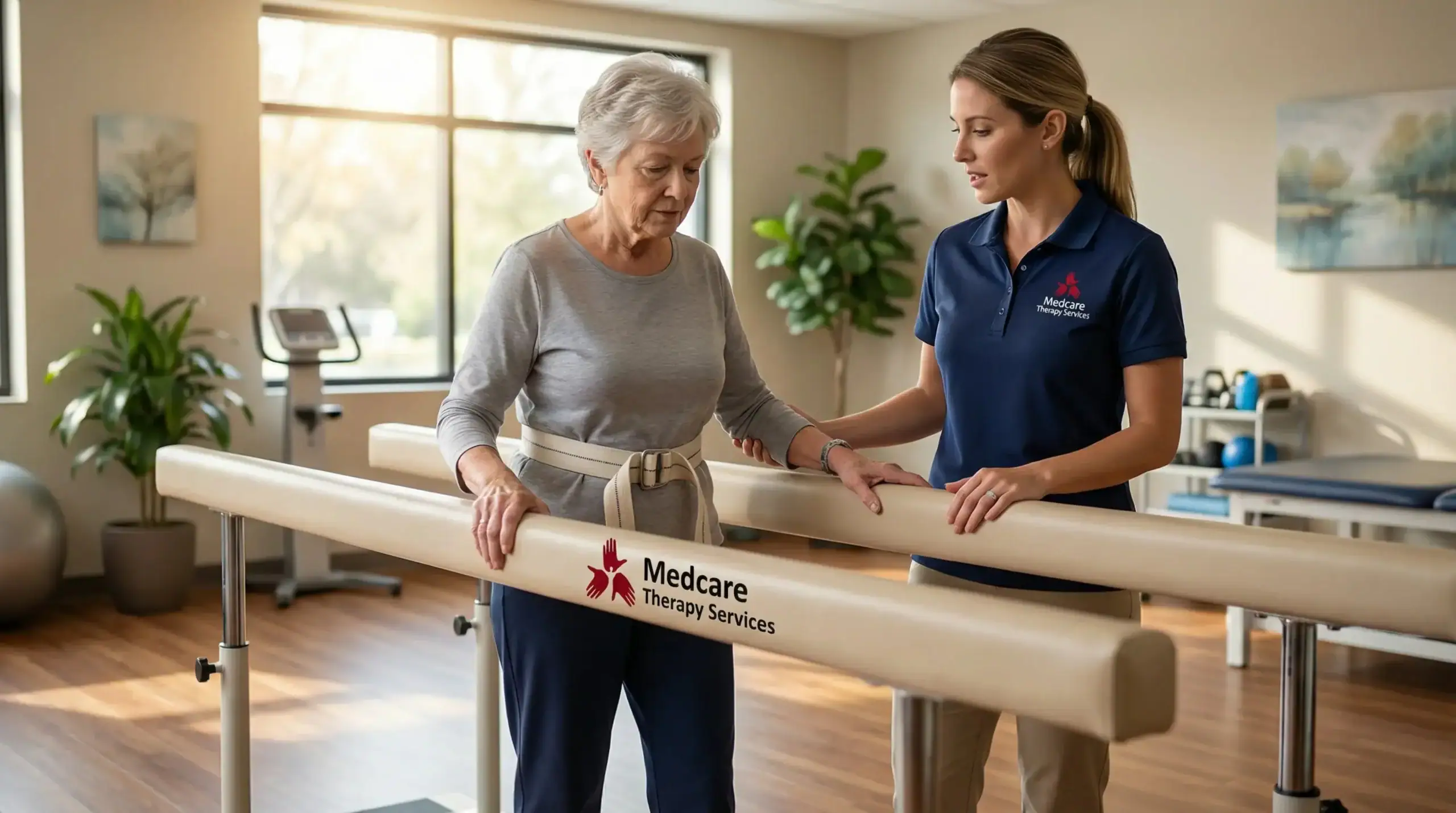
From there, we build a treatment plan. Most patients come in for 8 to 20 sessions, each lasting 60 to 90 minutes. You’ll do balance exercises, strength training, and gait work. You’ll also practice how to recover if you do fall, and how to use assistive devices correctly if you need them.
Between sessions, you’ll have exercises to do at home. They’re not complicated, but they need to be done consistently. We’ll also talk through home safety—things like lighting, rugs, bathroom grab bars, and clutter that increases risk.
By the end of treatment, you should feel steadier on your feet. You should also know what to watch for and how to keep improving on your own.

Ready to get started?
You get a full fall risk assessment that looks at strength, balance, coordination, vision, medication side effects, and environmental hazards. You also get a personalized exercise program that targets your specific weak points—not a one-size-fits-all routine.
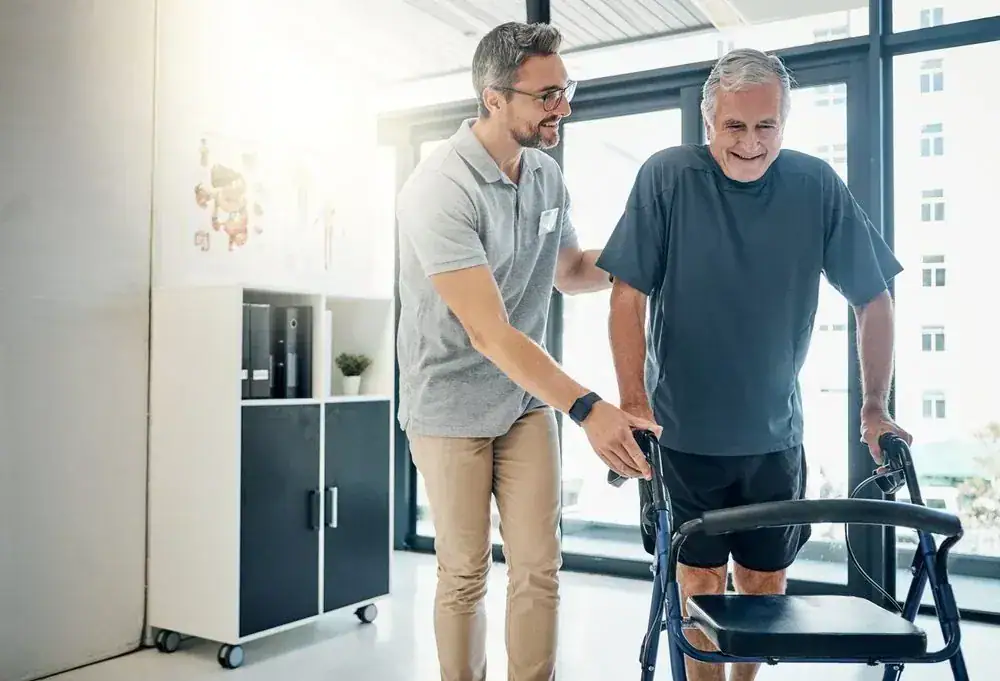
Your sessions include balance training, strength work, and gait retraining. If you use a walker or cane, we’ll make sure you’re using it correctly. If you don’t use one but probably should, we’ll have that conversation. We’ll also teach you how to fall safely and how to get back up without injury, because preparation matters.
For Long Island seniors, home safety is a huge piece of fall prevention. We’ll walk you through what to look for: loose rugs, poor lighting, bathroom hazards, stairs without railings. Small changes in your environment can make a massive difference in your risk level.
Medicare typically covers fall prevention therapy when it’s medically necessary. We handle the billing and verification, so you’re not navigating that alone.

If you’ve fallen in the past year, you need it. If you’ve had a close call that scared you, you probably need it. If you’re avoiding activities because you’re worried about losing your balance, that’s another sign.
Other red flags: you hold onto furniture when you walk around the house. You feel unsteady when you turn your head or stand up quickly. You’ve noticed your legs feel weaker than they used to. Your doctor has mentioned balance concerns or changed your medications recently.
You don’t need to wait until after a serious fall to get help. In fact, that’s the worst time to start. Prevention works better than rehab, and it’s a lot less painful.
We start with your history. Have you fallen before? Do you have conditions like arthritis, neuropathy, or vertigo? Are you on medications that affect balance or blood pressure? What does your daily routine look like?
Then we do physical tests. We watch how you walk, how you turn, how you stand from a seated position. We check your leg strength, your reaction time, and your ability to balance on one foot or with your eyes closed. We might also assess your vision and your footwear.
We’ll ask about your home setup too. Do you have stairs? Rugs? Adequate lighting? Grab bars in the bathroom? All of that factors into your overall risk profile. The assessment usually takes about an hour, and by the end, you’ll know exactly where you stand and what needs work.
Most people do 8 to 20 sessions over the course of two to three months. Each session lasts 60 to 90 minutes. How many you need depends on your baseline strength, your balance deficits, and how quickly you progress.
If you’re consistent with your home exercises, you’ll likely need fewer sessions. If you miss appointments or don’t practice between visits, it’ll take longer. This isn’t a quick fix—you’re retraining your muscles, your reflexes, and your confidence. That takes time.
Some patients continue with maintenance sessions after their initial program, especially if they have chronic conditions that affect balance. Others graduate and manage on their own with the exercises they’ve learned. We’ll talk through what makes sense for your situation.
Medicare Part B covers physical therapy for fall prevention when it’s medically necessary and prescribed by your doctor. That means you need a documented fall risk—either from a previous fall, a chronic condition, or a failed balance screening.
Your therapist has to be licensed and enrolled in Medicare, which ours are. There’s usually a copay or coinsurance unless you’ve met your deductible. We verify your coverage before you start and let you know what to expect out of pocket.
If you have a Medicare Advantage plan, coverage works a little differently depending on your plan. We’ll check that for you too. The key is getting a referral or prescription from your doctor and making sure the therapy is tied to a specific diagnosis or risk factor.
You can, but you probably shouldn’t start there. If you don’t know what’s causing your balance issues, you might be doing the wrong exercises—or worse, putting yourself at risk while you practice.
A physical therapist can identify whether your problem is strength, coordination, vision, inner ear function, or something else. They’ll also make sure you’re doing exercises correctly and progressing at the right pace. Form matters, especially when you’re working on stability.
Once you’ve been through an assessment and learned the right exercises, yes—home practice is essential. You’ll get a program to follow between sessions, and eventually, you’ll be able to maintain your progress on your own. But skipping the professional evaluation is like trying to fix your car without knowing what’s broken. You might get lucky, or you might make it worse.
Then you need therapy even more. Recovering from a fall-related injury—whether it’s a fracture, a sprain, or just severe bruising—often leaves you weaker and more fearful. Both of those things increase your risk of falling again.
We’ll work with you on regaining strength and mobility after your injury heals. We’ll also address the underlying reasons you fell in the first place, so it doesn’t happen again. That might mean balance retraining, gait work, or environmental modifications at home.
Post-fall therapy is usually covered by Medicare and insurance because it’s considered rehabilitative care. The goal is to get you back to your baseline—and then improve beyond it so you’re actually safer than you were before the fall. Recovery is possible, but it requires consistent effort and the right guidance.
Other Services we provide in Yaphank