
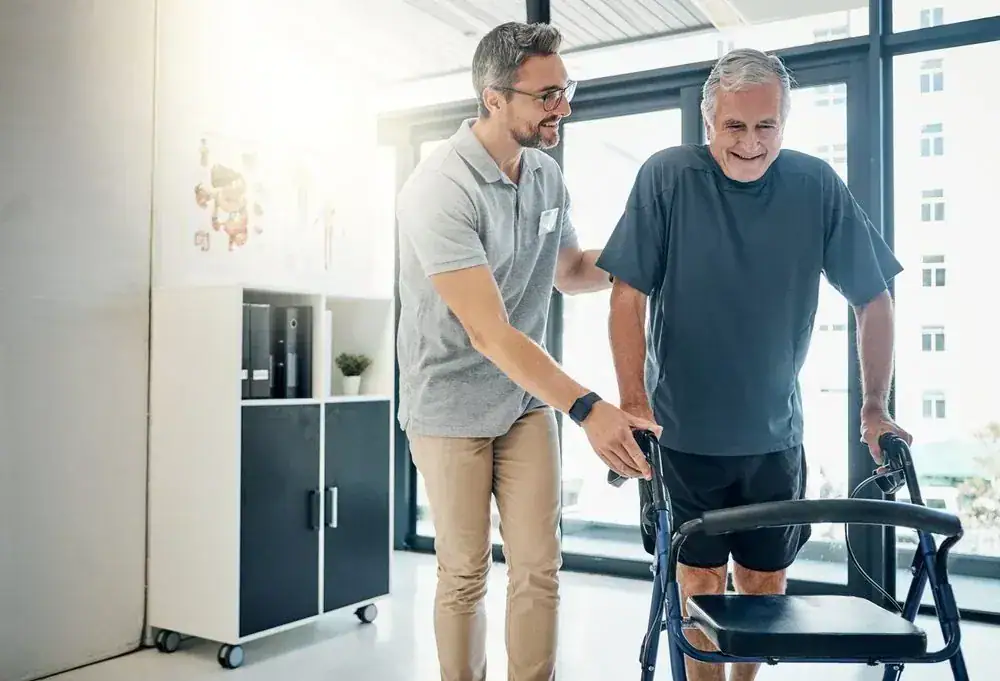
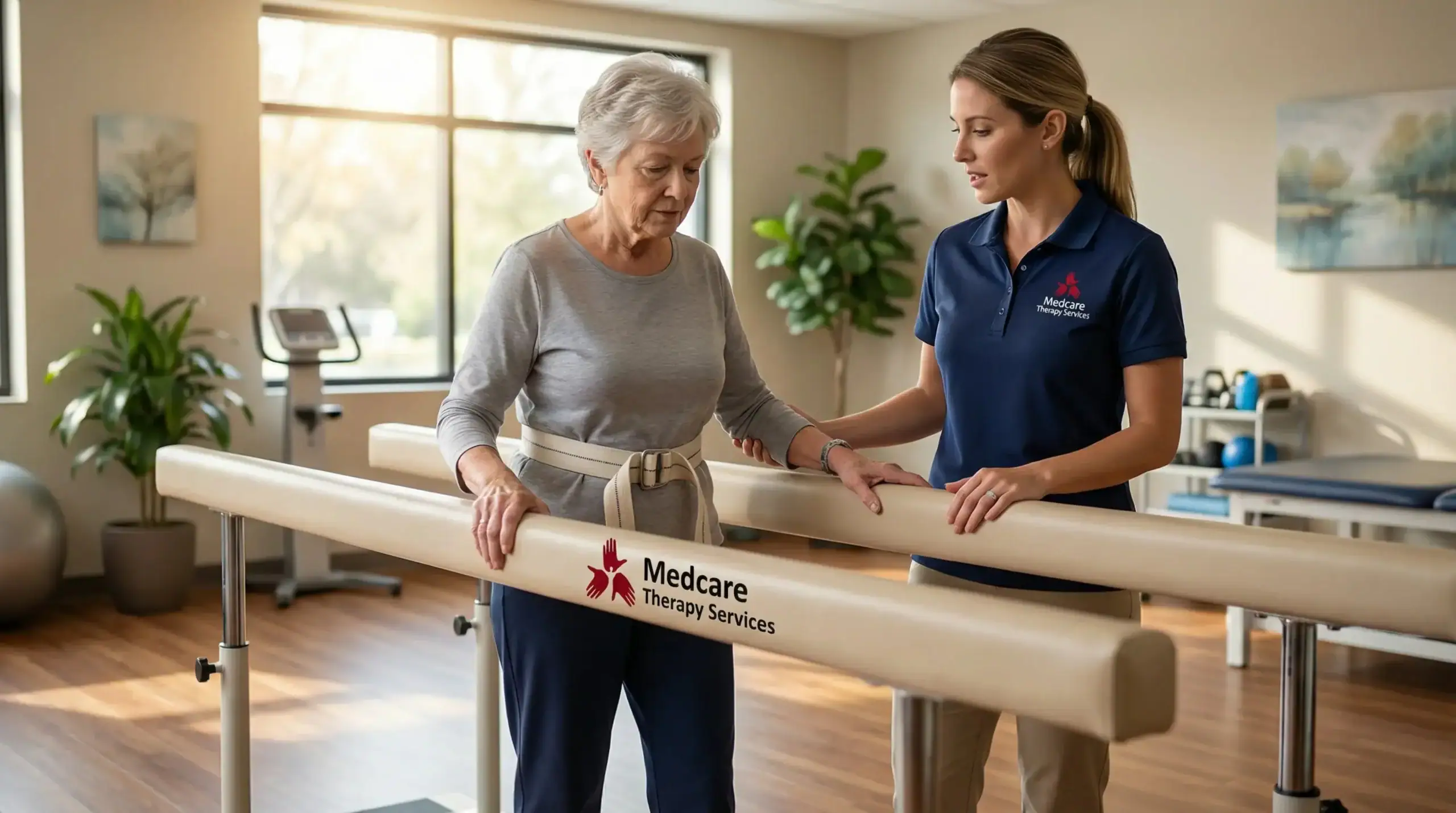
You stop second-guessing every step. That’s what happens when your balance improves—you move through your day without that constant low-level fear that something might go wrong.
Falls aren’t inevitable. In Nassau County, 88% of injury hospitalizations for adults over 65 come from falls, but research shows the right balance exercises for seniors can cut your fall risk in half. That’s not a small number when you’re talking about maintaining independence.
Physical therapy for balance retrains how your muscles, joints, and brain work together. You get stronger in the areas that matter—your core, your legs, your reaction time. The outcome isn’t just fewer falls. It’s walking faster, feeling steadier, and doing the things you’ve been avoiding because you weren’t sure you could manage them safely anymore.
We’ve been providing home-based physical therapy across Long Island since 2010. We work with Medicare and nearly all commercial insurances, and we come to you—whether that’s your home in Upper Brookville, Glen Cove, or anywhere across Nassau County.
Upper Brookville residents deal with the same fall risks as the rest of Nassau County, where seniors face some of the highest fall rates in New York State. That’s exactly why we focus on elderly fall prevention that’s evidence-based, personalized, and built around what you can actually do in your own space.
You’re not a case number here. Our therapists assess your specific risks, your home environment, and your goals—then build a program that makes sense for your life.
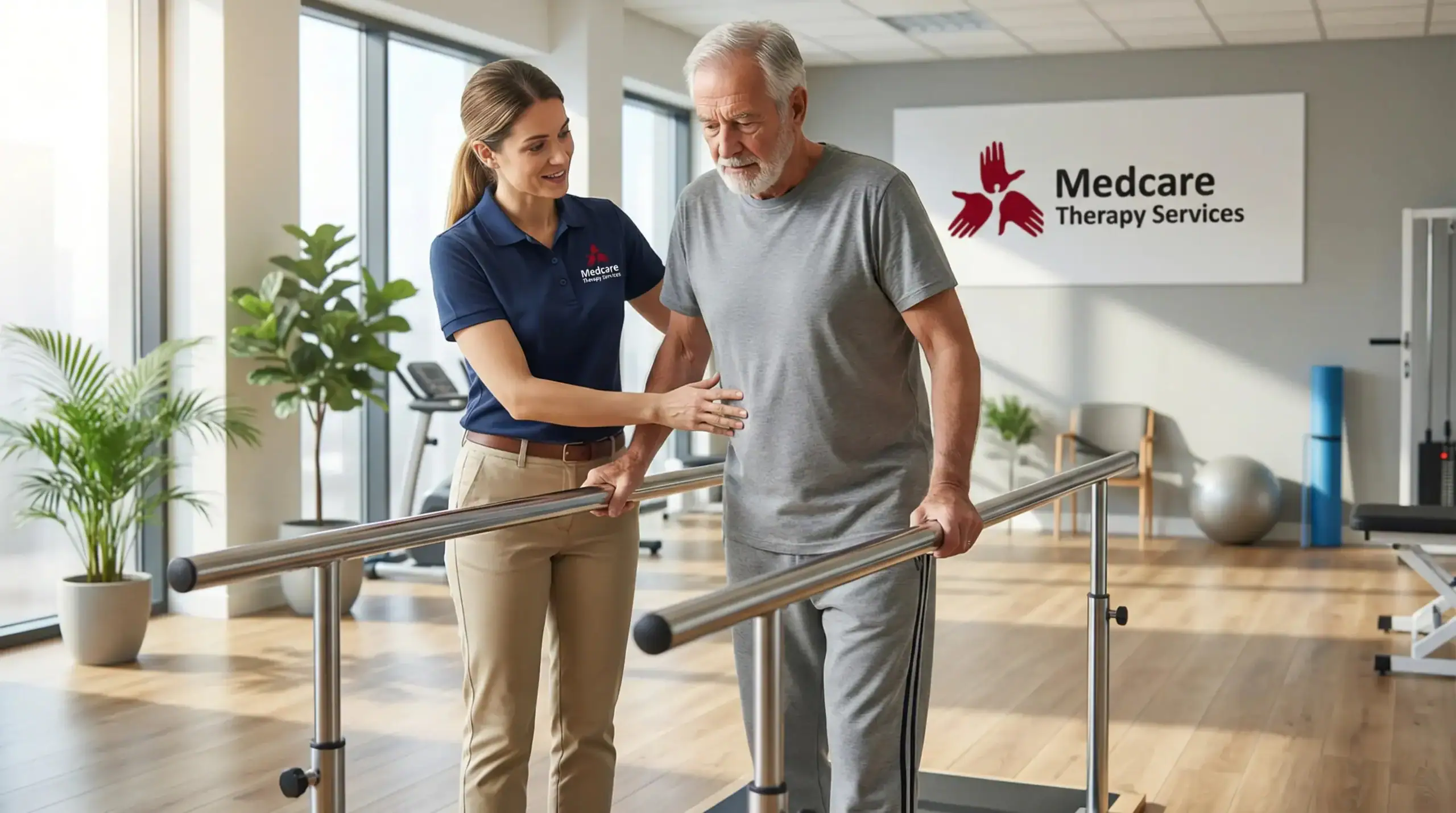
First, a licensed physical therapist comes to your home and does a full assessment. They’re looking at your balance, your strength, how you move, and what’s happening in your environment that might increase fall risk. This isn’t a generic checklist—it’s specific to you.
From there, you get a personalized plan. That might include senior balance exercises to strengthen your legs and core, coordination drills to improve reaction time, and adjustments to your home setup. Everything is designed around what you can do now and where you need to get.
Sessions happen in your home, on your schedule. You’re working with the same therapist who understands your progress and adjusts as you improve. Most people see changes within a few weeks—better stability, more confidence, less fear when moving around.
The goal isn’t just to prevent a fall. It’s to give you back the freedom to move without thinking about it.

Ready to get started?
You get one-on-one sessions with a licensed physical therapist who specializes in fall prevention in the elderly. Every visit happens at your home in Upper Brookville or surrounding areas—no need to travel to a clinic or worry about transportation.
Your program includes targeted balance training, strength exercises, gait analysis, and home safety recommendations. If you need it, we also coordinate with occupational therapy for adaptive equipment or modifications that make daily tasks safer. Everything is covered by Medicare and most insurance plans.
Nassau County seniors are statistically more vulnerable to falls than almost anyone else in New York. That’s not just a number—it’s your neighbors, your friends, people in your community. The combination of aging housing stock, multi-level homes common in Upper Brookville, and the natural decline in balance that comes with age creates real risk. But it’s manageable risk when you have the right support.
We also track your progress. You’ll see measurable improvements in walking speed, stability, and confidence. And if something isn’t working, we adjust. This isn’t a one-size-fits-all program—it’s built for you.
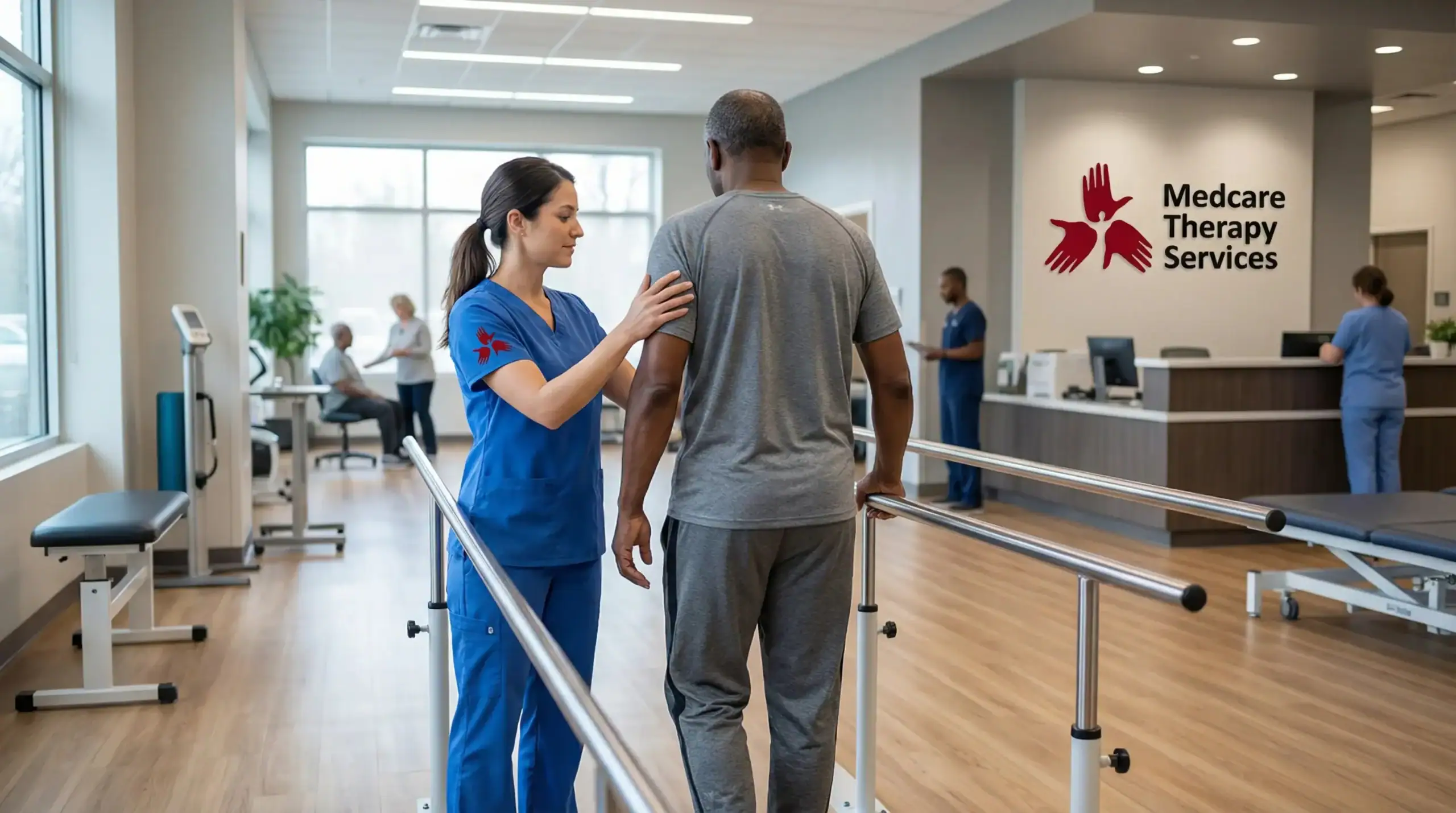
If you’ve fallen in the past year, you need it. That’s the clearest indicator. But you also need it if you’re afraid of falling, even if you haven’t fallen yet—because that fear makes you move less, which weakens you further and actually increases your risk.
Other signs include feeling unsteady when you walk, needing to hold onto furniture or walls to get around, avoiding stairs, or noticing that your balance isn’t what it used to be. Maybe you’ve had a close call or two that didn’t result in a fall but easily could have.
One in four adults over 65 falls every year. In Nassau County, that rate is even higher. You don’t have to wait until something happens. A physical therapist can assess your risk and tell you exactly where you stand. If you’re on the fence, get the assessment. It’s covered by Medicare and takes less than an hour.
You’re training in the environment where you actually live. That matters because the stairs you practice on are your stairs. The bathroom layout, the rugs, the lighting—it’s all real. A clinic can’t replicate that.
Home therapy also removes barriers. If getting to appointments is hard because of mobility issues, transportation, or just the hassle of scheduling around someone else’s availability, you’re more likely to skip sessions. When we come to you, that friction disappears.
There’s also something to be said for comfort. You’re in your own space, working at your own pace, without the pressure or distraction of a busy clinic. For a lot of people in Upper Brookville—especially those who value privacy and personalized attention—that makes a real difference in how engaged they are with the program.
Medicare covers home-based physical therapy for fall prevention when it’s medically necessary and prescribed by your doctor. There’s no catch, but there are requirements. You need a physician’s order, and the therapy has to be part of a treatment plan that shows you’re making progress.
Most people with Medicare Part B are covered after they meet their deductible. You’ll have a copay for each session, but the bulk of the cost is handled. We accept Medicare and nearly all commercial insurance plans, and we verify your coverage before starting so there are no surprises.
If you’re unsure about your specific plan, call us. We’ll walk through your benefits with you and let you know exactly what you’re responsible for. The last thing you need is confusion about billing when you’re trying to focus on getting stronger and staying safe.
Most people see meaningful improvement in six to eight weeks, but the timeline depends on where you’re starting and what your goals are. If you’re recovering from a fall or dealing with significant weakness, it might take longer. If you’re relatively strong but need some fine-tuning, it could be shorter.
Sessions typically happen two to three times per week at the start, then taper as you get stronger and more confident. Your therapist will reassess regularly and adjust the frequency based on your progress. Some people continue with maintenance sessions after the main program wraps up, just to stay sharp.
The key is consistency. You’ll also get exercises to do between sessions, and how well you stick with those makes a big difference in how fast you improve. This isn’t passive treatment—you’re actively rebuilding strength and control, and that takes repetition.
It’s not too late. In fact, if you’ve already fallen, you’re at higher risk of falling again, which makes starting a program even more important. Post-fall rehabilitation focuses on rebuilding the strength and balance you lost, addressing whatever caused the fall in the first place, and preventing it from happening again.
Up to 95% of hip fractures are caused by falls, and 40% of people admitted to nursing homes after a fall don’t return to independent living. Those numbers are serious, but they’re also why early intervention matters so much. The sooner you start therapy after a fall, the better your chances of full recovery.
We work with people at all stages—whether you’re fresh out of the hospital, a few weeks into recovery, or months past a fall and still not feeling steady. The program adapts to where you are. You’re not behind. You’re just starting now, and that’s what counts.
Yes. Research shows that regular balance training can reduce fall risk by up to 50%. That’s not a marginal improvement—that’s cutting your risk in half. The reason it works is because balance isn’t just one thing. It’s a combination of muscle strength, joint stability, sensory input, and how fast your brain processes all of that information.
Senior balance exercises target all of those areas. You’re strengthening the muscles that keep you upright, improving your reaction time so you can catch yourself if you stumble, and retraining your proprioception—the sense of where your body is in space. All of that adds up to real, measurable stability.
The exercises themselves aren’t complicated. Standing on one foot, weight shifts, heel-to-toe walking—simple movements done consistently make the difference. Your therapist will progress you safely, and you’ll feel the change. It’s not about becoming an athlete. It’s about being able to move through your day without fear.
Other Services we provide in Upper Brookville