
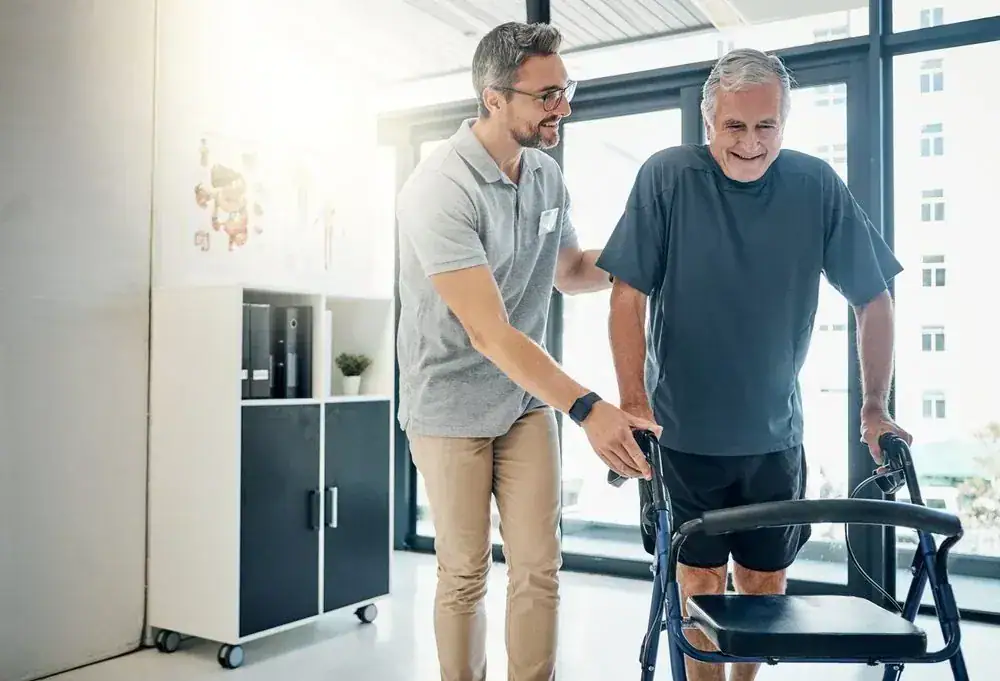
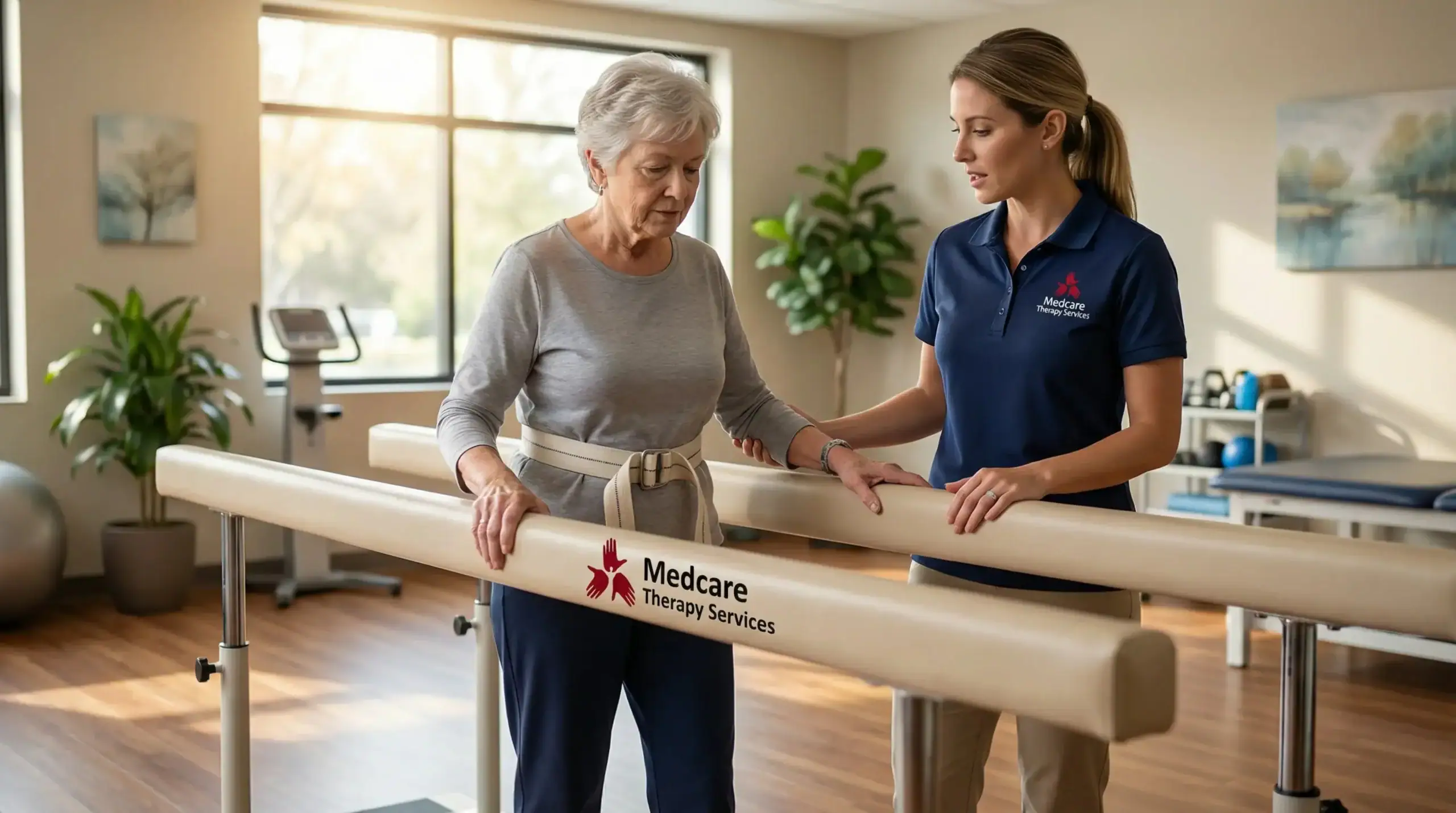
You stop second-guessing every step. Getting up from a chair doesn’t require a strategy. Walking to the mailbox or navigating your bathroom at night becomes automatic again, not something you have to plan around.
That’s what happens when balance exercises for seniors are done right. Research shows targeted physical therapy can reduce fall risk by up to 35%. But the real shift isn’t just physical—it’s mental. You stop living in fear of the next fall.
Every year, one in four older adults falls. On Long Island, Nassau and Suffolk counties rank among the highest in New York for fall-related hospitalizations. In Nassau alone, 88% of injury hospitalizations for adults over 65 are due to falls. If you’ve already fallen once, your risk of falling again doubles. That’s not a scare tactic. That’s why waiting doesn’t make sense.
We’ve been delivering home-based physical and occupational therapy across Suffolk and Nassau County since 2010. That means Springs, East Hampton, Amagansett, and the surrounding East End communities.
You’re not driving to a clinic. Your therapist comes to you—evaluates your actual home environment, sees where the risks are, and builds a plan around your space, your routine, and your goals. All our Google Business Profiles are verified. All patient data is managed with the same care you’d expect from any healthcare provider. No surprises, no runaround.
If you’re dealing with balance issues, gait changes, or you’ve had a fall that shook your confidence, this is what physical therapy for balance is designed to address. And it works better when it happens where you actually live.

Your physical therapist starts with a full assessment. That includes strength, posture, gait, reflexes, and any environmental factors in your home that might increase fall risk. They’ll ask about your medications, recent falls, symptoms like dizziness, and what activities you’ve been avoiding.
From there, they build a personalized treatment plan. That usually includes balance exercises, gait training to improve how you walk, and strength training focused on your legs and core. These aren’t generic exercises—they’re tailored to where you’re starting and what you need to get back.
You’ll also get education on home safety. Small changes—lighting, furniture placement, removing tripping hazards—make a bigger difference than most people realize. Sessions happen in your home, on your schedule. Progress is tracked over time, and the plan adjusts as you improve. Most people see measurable gains within the first few weeks, and those improvements can last a year or more when the program is done correctly.

Ready to get started?
You get a full fall risk assessment that looks at strength, balance, mobility, and your home setup. Your therapist evaluates how you move, where you’re compensating, and what’s putting you at risk. Then they design a multicomponent exercise program—the kind that combines balance and strength training, which research shows is the most effective approach for elderly fall prevention.
Gait training helps you walk more evenly and with better posture. Strength exercises target the muscle groups that keep you stable. Balance drills improve your ability to catch yourself if you start to tip. And you’ll get specific guidance on how to make your home safer, from bathroom grab bars to better lighting in hallways.
In Springs and across the East End, many homes have stairs, uneven outdoor terrain, and older layouts that weren’t designed with aging in mind. Your therapist accounts for that. We work with what you’ve got and help you navigate it safely. Sessions are one-on-one, scheduled around your availability, and delivered by licensed professionals who’ve been doing this for years. No waiting rooms. No generic plans. Just focused work that reduces your fall risk and gets you moving with confidence again.

Most people start seeing improvements in balance and strength within the first few weeks of consistent therapy. Research shows that patients who begin physical therapy within three months of a fall or balance issue report significantly lower fall rates up to 12 months later.
That said, the timeline depends on where you’re starting. If you’ve had multiple falls, haven’t been active, or you’re managing other health conditions, it may take longer to build strength and confidence. Your therapist will set realistic expectations during your first visit.
The key is consistency. Balance exercises for seniors work when they’re done regularly and progressed over time. You’re not just checking a box—you’re retraining your body to respond faster and stay stable in situations that used to throw you off.
Your therapist sees the actual environment where you’re at risk. They can spot hazards you’ve gotten used to—loose rugs, poor lighting, furniture placement, uneven thresholds—and help you address them. That doesn’t happen in a clinic.
Home-based therapy also removes barriers. If you’re already nervous about falling, getting in and out of a car and navigating a new building adds stress. When therapy happens at home, you’re more comfortable, more focused, and more likely to stick with it.
You also get exercises that are tailored to your space. If you have stairs, your therapist incorporates stair training. If your bathroom layout is tight, they’ll work on balance drills that fit that reality. The goal is to make you safer where you actually live, not just stronger in a controlled setting.
Most Medicare and Medicaid plans cover physical therapy when it’s medically necessary, which includes fall prevention and balance training if you’ve had a fall, you’re at high risk, or your doctor has referred you. Private insurance plans vary, but many cover home-based therapy as well.
We work with most major insurance providers. During your first call, our team will verify your coverage and explain what’s covered, what your copay might be, and whether prior authorization is needed. You’ll know the cost before you commit.
If you’re unsure whether you qualify, start with a conversation with your doctor. They can assess your fall risk and provide a referral if therapy is appropriate. From there, we handle the insurance coordination so you’re not navigating that process alone.
That’s actually the best time to start. Fall prevention works better before a fall happens. If you’re noticing changes—feeling unsteady, holding onto walls more, avoiding certain activities because you don’t trust your balance—those are signs your risk is increasing.
Physical therapy can address those issues early. You’ll build strength, improve your gait, and work on balance exercises that make you more stable before a fall occurs. Early intervention is proven to reduce fall risk by 23% to 24%, and it helps you maintain independence longer.
You don’t need to wait for a serious injury to take action. If you’re feeling less confident on your feet, that’s enough. A fall risk assessment will show where you stand and what can be done to improve it. Most people wish they’d started sooner.
It depends on your goals, your starting point, and how quickly you progress. Some people see significant improvement in 6 to 8 weeks. Others benefit from a longer program, especially if they’re recovering from a fall or managing other conditions that affect balance.
Your therapist will outline a timeline during your initial evaluation. They’ll also adjust the plan as you improve. The goal isn’t to keep you in therapy forever—it’s to get you strong and stable enough to maintain your progress on your own.
Many programs include a home exercise plan you can continue after formal therapy ends. Research shows that improvements in balance and mobility can last up to a year or more when you stay consistent with exercises. Your therapist will make sure you know what to do and how to do it safely, even after sessions wrap up.
Your therapist will start with a conversation. They’ll ask about your medical history, any falls you’ve had, medications you’re taking, and what symptoms or concerns brought you to therapy. Then they’ll do a physical assessment—checking your strength, balance, posture, reflexes, and how you walk.
They’ll also evaluate your home. That means looking at lighting, flooring, furniture layout, bathroom setup, and any other factors that could increase your fall risk. You’ll get specific recommendations on what to change or adjust.
From there, they’ll design a treatment plan. You’ll start with exercises that match your current ability, and they’ll progress as you get stronger. Sessions typically last 45 minutes to an hour and happen once or twice a week, depending on your needs. You’ll know what to expect, what the goals are, and how long the program is likely to take. No guessing, no vague timelines—just a clear plan built around your situation.
Other Services we provide in Springs