
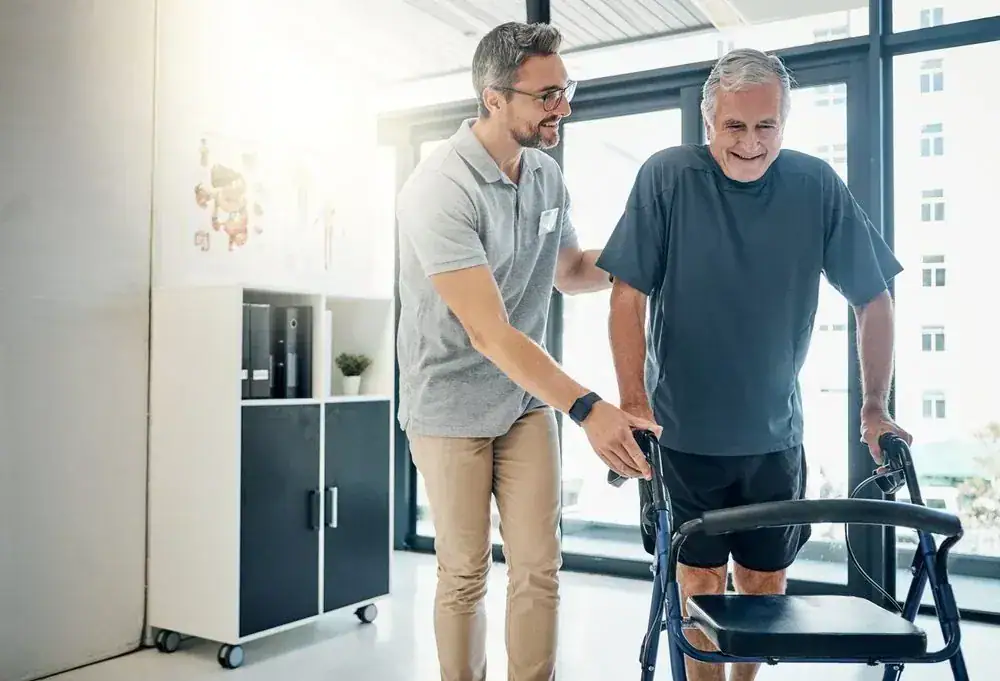
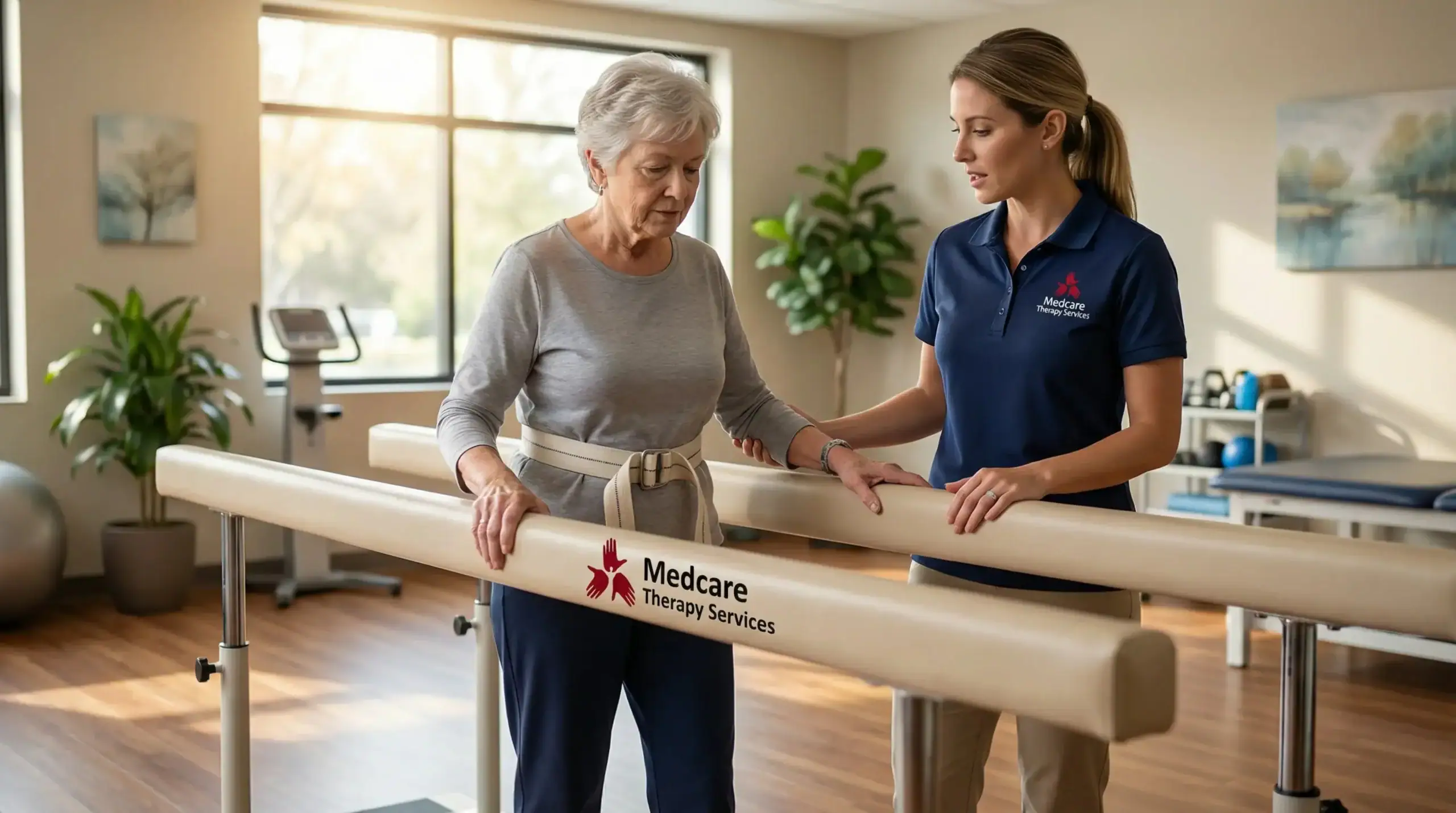
You stop planning your day around what might go wrong. The bathroom at night doesn’t feel like a risk. Getting the mail becomes automatic again, not something you have to think through.
That shift happens because balance exercises for seniors target the specific systems that decline with age—your vestibular function, proprioception, and muscle response time. When one of our physical therapists works with you on these areas, your body relearns how to catch itself before a fall happens.
Most people notice steadier movement within four to six weeks. By three months, the fear that’s been quietly running the show starts to fade. You’re not just stronger—you’re moving through your home and your life without that constant mental calculation of risk.
We’ve been providing in-home physical therapy across Long Island for over a decade. We work with seniors in Southampton, East Hampton, Bridgehampton, and throughout the Hamptons who need fall prevention care but can’t easily get to a clinic.
Our therapists are Medicare-certified and trained in evidence-based programs like the Otago Exercise Program and multicomponent balance training. We don’t just show up with a generic exercise sheet—we assess your specific fall risk factors, evaluate your home environment, and build a plan around what your body actually needs.
Southampton’s senior population deserves care that meets them where they are. That’s why we come to you, work with your schedule, and coordinate with your doctor to make sure everything’s covered under Medicare or your insurance plan.
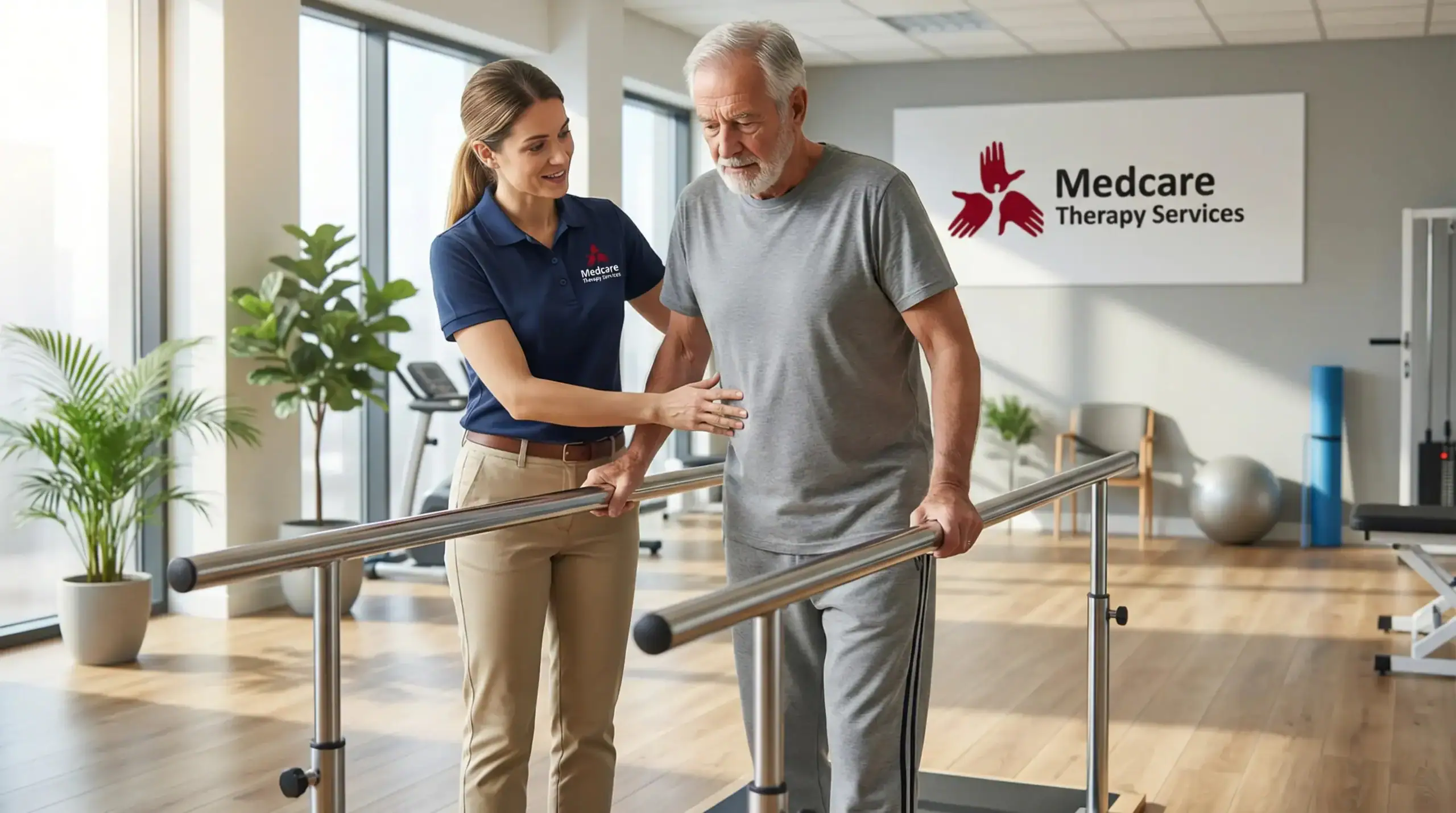
First, we assess. One of our therapists comes to your home in Southampton and evaluates your balance, strength, gait, and fall risk. We look at your space too—lighting, rugs, bathroom setup—because your environment plays a role.
Then we build your program. You’ll get a personalized plan that combines balance exercises, strength training, and functional movement work. These aren’t random stretches—they’re targeted interventions proven to reduce falls in older adults. Think single-leg stands, weight shifts, sit-to-stand drills, and movements that mimic what you do every day.
You’ll typically see us one to three times per week depending on your needs and what insurance covers. Between visits, you’ll have exercises to practice. Most people start feeling more stable within a month. By week eight or twelve, the improvements become obvious—not just to you, but to family members who’ve been worried.

Ready to get started?
You get a full fall risk assessment that identifies why you’re at risk—whether it’s muscle weakness, poor proprioception, medication side effects, or vision changes. We measure your balance using clinical tests, not guesswork.
Your exercise program includes multicomponent training: balance work, strength exercises, and functional movement practice. This combination is what research shows actually prevents falls in community-dwelling seniors. We also provide gait training to improve how you walk and transition between positions.
In Southampton and across Long Island, many of our clients are dealing with the after-effects of a previous fall, surgery recovery, or chronic conditions like arthritis or neuropathy. We adjust everything to your current ability level. If you’re using a walker or cane, we work with that. If you’ve got joint pain, we modify around it.
You’ll also get home safety recommendations. Sometimes a simple change—better lighting in the hallway, a grab bar in the shower, removing a throw rug—makes as much difference as the exercises themselves.
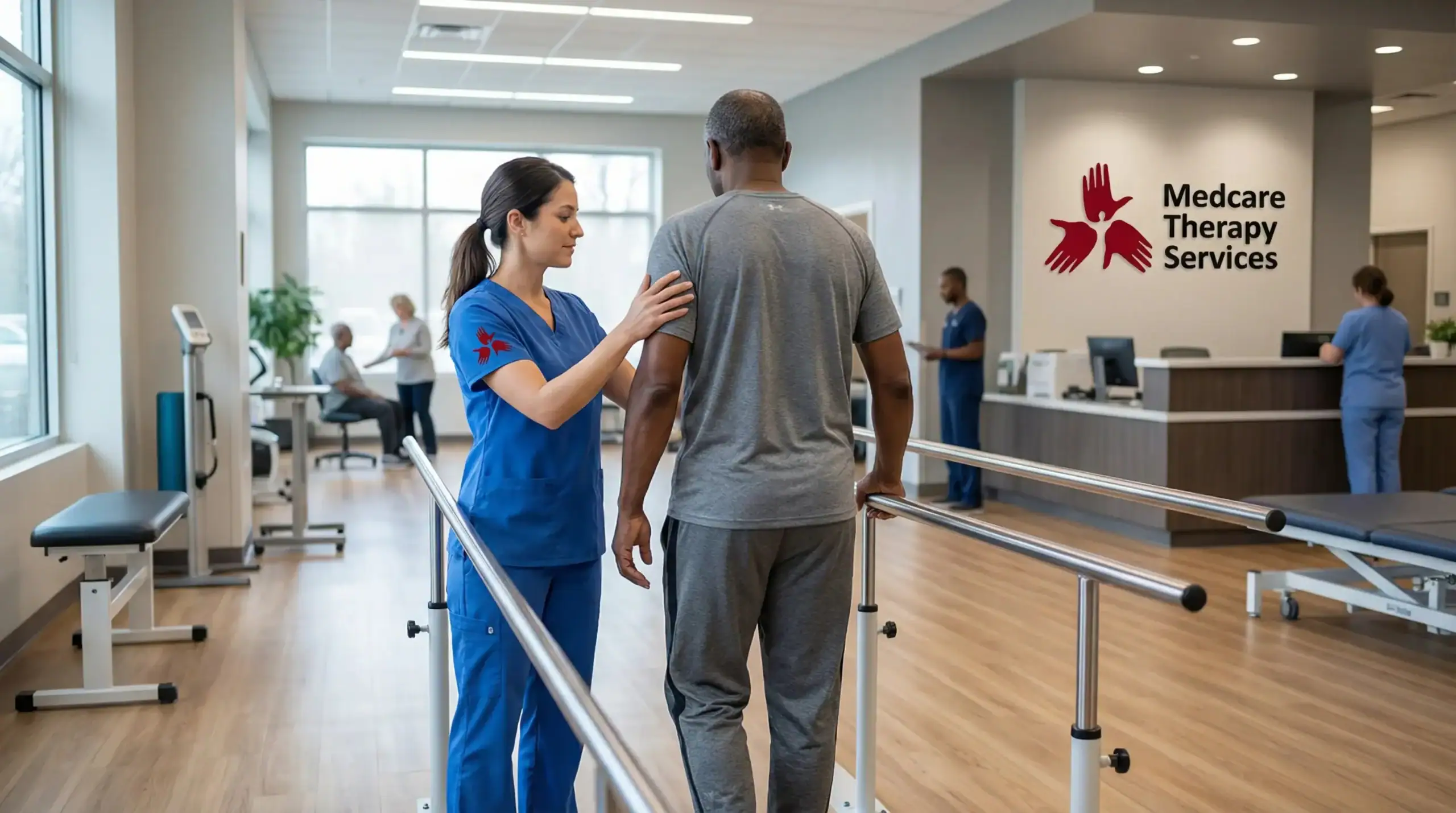
Most people notice improved stability and confidence within four to six weeks of consistent therapy. That’s when your neuromuscular system starts adapting to the balance exercises and strength work. You’ll feel steadier getting up from a chair, walking on uneven surfaces, or moving around your home.
Maximum benefits typically show up after eight to twelve weeks. That’s the point where strength gains become significant, your balance reactions get faster, and the fear of falling starts to lift. Research backs this timeline—studies on elderly fall prevention show that structured programs need at least two to three months to create lasting change.
The speed of your progress depends on how often you practice between sessions, your baseline fitness level, and whether you have other health conditions affecting your balance. But even if you’re starting from a low baseline, you should see measurable improvement within the first month if you’re doing the work.
Yes, Medicare Part B covers physical therapy for fall prevention when it’s medically necessary. That means your doctor has identified you as being at risk for falls—either because you’ve already fallen, you have balance problems, or you have conditions that increase fall risk like stroke, Parkinson’s, or severe arthritis.
We’ll work with your physician to document medical necessity and get the proper orders. Medicare typically covers the evaluation and ongoing treatment sessions as long as you’re making progress toward functional goals. Most Medicare Advantage plans cover it too, though the specifics can vary by plan.
You’ll have a copay or coinsurance depending on your coverage, but the therapy itself is covered. We handle the billing and work directly with Medicare, so you don’t have to navigate the paperwork yourself. If you’re unsure about your specific coverage, we can verify your benefits before starting treatment.
The biggest risk factors are previous falls, muscle weakness, balance problems, and taking four or more medications. If you’ve fallen once, your chance of falling again doubles. That’s not because you’re careless—it’s because the underlying issue that caused the first fall is still there.
Muscle weakness, especially in your legs and core, makes it hard to catch yourself when you start to lose balance. Vision problems, inner ear issues, and neuropathy all affect your body’s ability to sense where you are in space. Medications like sedatives, blood pressure drugs, and some antidepressants can cause dizziness or slow your reaction time.
Environmental factors matter too. Poor lighting, loose rugs, clutter, and lack of grab bars in the bathroom all increase risk. In Southampton, we see a lot of older homes with stairs, uneven thresholds, and bathtubs that weren’t designed with aging in mind. A fall risk assessment looks at all of these factors—your physical condition and your environment—so we can address what’s actually putting you at risk.
Physical therapy prevents falls—that’s what the research shows. A structured program of balance exercises and strength training reduces fall incidents by up to 37% in older adults. This isn’t about recovery after a fall. It’s about stopping the fall from happening in the first place.
The most effective approach combines balance training, strength work, and functional movement practice. Programs like Otago and multicomponent exercise therapy have been studied extensively in community-dwelling seniors. They work because they target the specific physical systems that deteriorate with age—your ability to sense position, react quickly, and generate enough force to stabilize yourself.
Many people wait until after a fall to start therapy. That’s understandable, but it’s not ideal. If you’re noticing balance changes, feeling unsteady, or avoiding certain activities because you’re worried about falling, that’s the time to start. Early intervention is more effective than waiting until you’ve already been injured.
You’ll start with exercises matched to your current ability. That might mean standing near a counter for support while you practice weight shifts from one leg to the other. Or single-leg stands where you lift one foot slightly off the ground and hold for a few seconds. These sound simple, but they’re rebuilding the neuromuscular control you need to stay upright.
As you get stronger, we progress the difficulty. You might do tandem stands where one foot is directly in front of the other, or practice standing on foam to challenge your balance system more. We’ll add functional movements like sit-to-stand repetitions, step-ups, and walking with direction changes—things that mimic real life.
Strength work focuses on your legs, hips, and core. Squats, leg lifts, heel raises, and resistance exercises using bands or light weights. The goal isn’t to make you a bodybuilder. It’s to give you enough strength to recover if you start to stumble. Every exercise has a purpose tied to reducing your fall risk, and we’ll explain exactly why you’re doing it.
Because being more careful doesn’t fix the physical problem. Falls happen when your body can’t respond fast enough to a balance challenge—a misstep, a stumble, an uneven surface. No amount of caution changes your muscle strength, reaction time, or proprioception.
Research shows that older adults tend to underestimate their own fall risk while simultaneously believing falls are just a normal part of aging. Neither is true. Falls aren’t inevitable, and you’re likely at higher risk than you think if you’ve already fallen once or if you’re noticing balance changes.
The other issue is that fear of falling often leads to less activity. You start avoiding certain movements or places, which leads to further muscle loss and deconditioning. That actually increases your fall risk. Physical therapy breaks that cycle by improving the underlying physical factors—strength, balance, coordination—that determine whether you fall or catch yourself. It’s not about being careful. It’s about being capable.
Other Services we provide in Southampton