
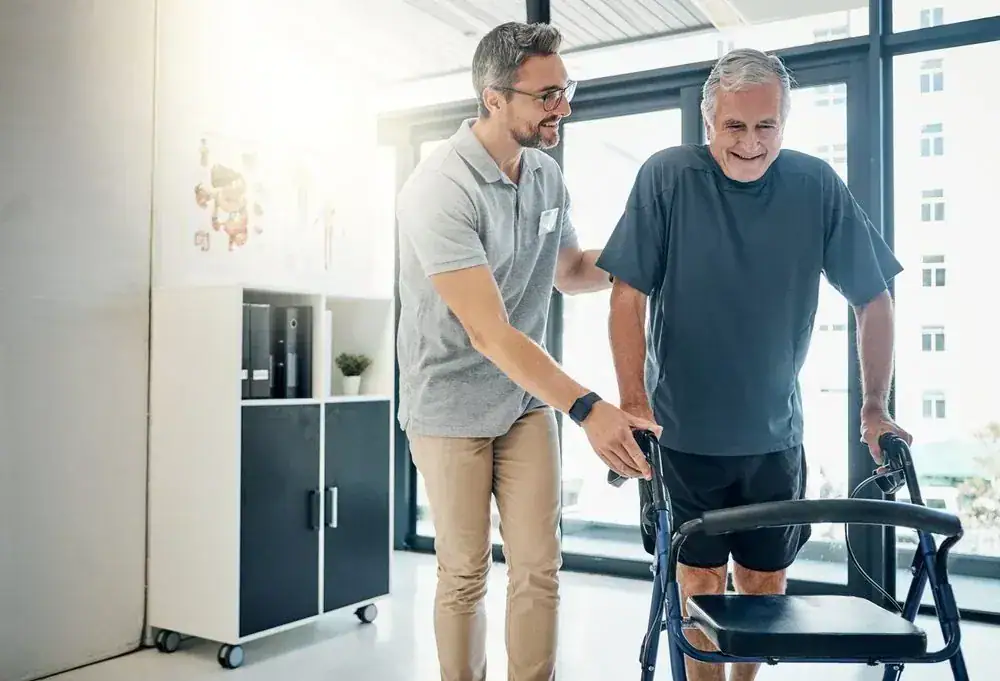
You move through your home without that constant worry. Getting up from a chair, walking to the mailbox, reaching for something on a shelf—these everyday moments stop feeling risky.
Your confidence comes back. You’re not avoiding activities or turning down invitations because you’re afraid of falling. You’re staying connected to the people and routines that matter.
The numbers back this up. Regular balance exercises for seniors can cut fall risk in half. Your walking speed improves. Your posture gets stronger. Even if you’ve fallen before, targeted physical therapy for balance helps rebuild what you’ve lost. Whether you’re 65 or 95, your balance can get better—and that changes everything about how you live.
We work with seniors across South Hempstead and Nassau County who want to stay independent without the fear of falling. Our licensed physical therapists specialize in geriatric care and know exactly what puts older adults at risk.
We’re not running you through generic exercises. Every program starts with a thorough assessment—your balance, your strength, your medications, your home environment. Then we build a plan that fits your body and your goals.
South Hempstead has one of the highest median household incomes on Long Island, and residents here expect quality care that actually works. We accept Medicare and major insurance, so cost doesn’t have to be a barrier to getting the help you need.
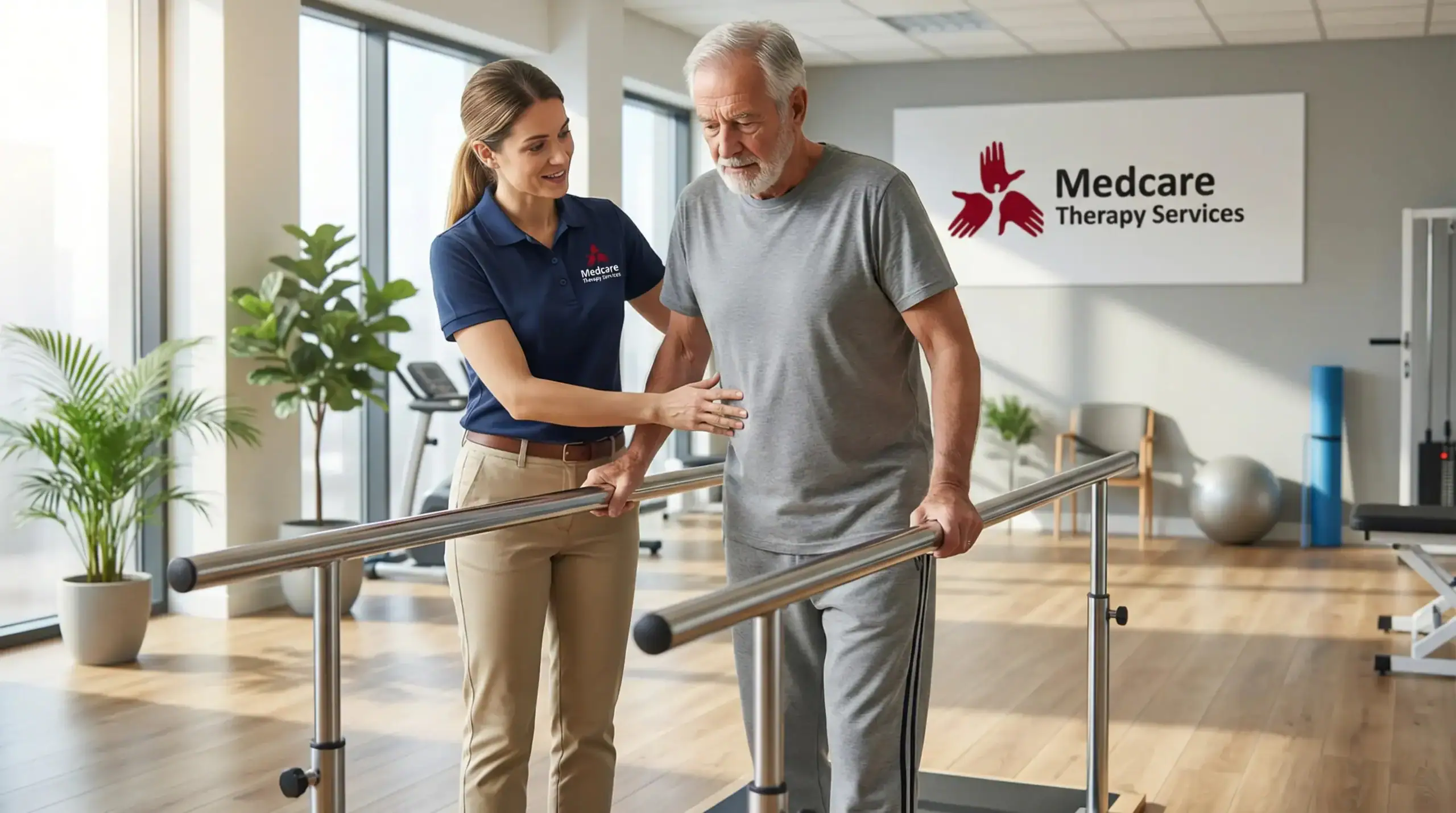
First, we assess where you are. A licensed physical therapist evaluates your balance, strength, gait, and any previous falls. We also review your medications—some prescriptions increase fall risk, and taking four or more puts you in a higher-risk category. We look at your home setup too, because 60% of fall-related hospitalizations happen at home.
Then we build your program. You’ll get senior balance exercises tailored to your current ability level. These aren’t one-size-fits-all movements—they’re designed to strengthen the specific areas where you’re vulnerable. Balance training, strength work, flexibility, and functional exercises that mirror your daily activities.
You’ll work with us consistently, and we adjust as you improve. Most people notice changes within weeks—better stability, less fear, more confidence moving around. We track your progress and modify your plan as your balance gets stronger. The goal is simple: keep you safe, active, and independent for as long as possible.

Ready to get started?
You get a complete fall risk assessment that looks at every factor—not just your balance. We check your strength, your walking pattern, your vision, your footwear, and your medications. We identify what’s putting you at risk right now.
Your personalized balance training program includes exercises proven to work. Randomized controlled studies show these programs reduce fear of falling and improve physical function. You’ll do balancing exercises that challenge your vestibular system, strengthen your legs, and improve your reaction time.
We also provide home safety evaluations. Small changes—removing tripping hazards, improving lighting, adding grab bars—can make a huge difference. In Nassau County, fall-related deaths increased 25% from 2018 to 2023. That’s not just a statistic—it’s your neighbors, your friends, people in your community. But falls are preventable, and we know how to stop them before they happen.
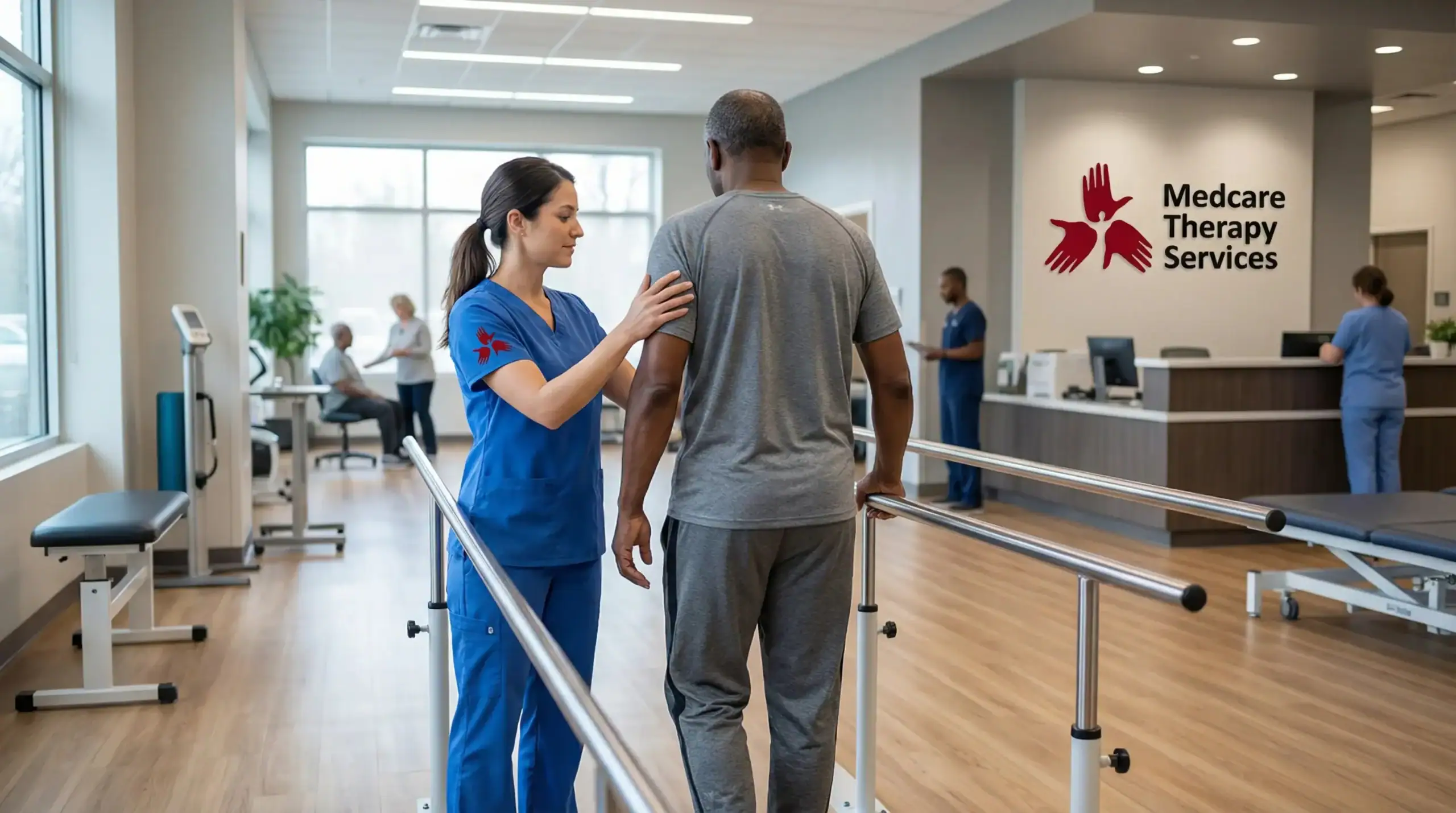
Most people see measurable improvements within four to six weeks of consistent balance training. Your walking speed picks up. Your posture stabilizes. You feel steadier on your feet during everyday activities.
The research is clear: regular exercise and activity can reduce fall risk by up to 50%. But “regular” is the key word. You need to stick with it. Two to three sessions per week, combined with home exercises, gives you the best results.
If you’ve already fallen once, your risk of falling again doubles. That makes starting a fall prevention program even more urgent. The sooner you begin, the faster you rebuild strength and confidence. Balance can improve at any age—even adults over 80 show significant gains with the right program.
Your physical therapist evaluates everything that affects your balance and stability. We watch how you walk, how you stand, how you move from sitting to standing. We test your leg strength, your flexibility, and your reaction time.
We also ask about your medications. Some prescriptions cause dizziness or drowsiness, and taking four or more medications significantly increases fall risk. If your meds are a problem, we can coordinate with your doctor to find safer alternatives.
You’ll talk about your home environment too. Are there loose rugs? Poor lighting? Stairs without railings? Most falls happen at home, so identifying hazards is part of the assessment. You walk away with a clear picture of your risk level and a plan to address it.
Yes, Medicare covers physical therapy for fall prevention when it’s medically necessary. If you’ve fallen recently, if you have balance problems, or if your doctor identifies you as high-risk, you likely qualify.
Most major insurance plans also cover these services. We accept Medicare and work with a wide range of insurers, so you’re not paying out of pocket for something that could prevent a serious injury.
Medical costs for falls hit $70.79 billion in 2021—a 41% increase from just six years earlier. Insurance companies know that preventing falls is far cheaper than treating them. A few months of physical therapy costs a fraction of what a hip fracture or head injury would. That’s why coverage is usually straightforward.
Yes. Fear of falling is one of the main reasons people limit their activities, which actually makes the problem worse. When you move less, you get weaker. When you get weaker, your fall risk goes up.
Balance training programs are proven to reduce fear of falling. As your strength and stability improve, your confidence comes back. You stop avoiding the activities you used to enjoy. You feel safer in your own home.
We’ll work at your pace. You’re not going to be pushed into exercises that feel dangerous or overwhelming. The whole point is to rebuild your confidence while improving your physical ability. Most people find that the fear starts to fade within the first few weeks of consistent training.
Fall prevention programs focus specifically on the factors that cause falls in older adults. You’re not just doing general strengthening—you’re targeting balance, coordination, gait, and functional movement patterns that directly reduce fall risk.
We include exercises that challenge your vestibular system, which controls balance and weakens with age. You’ll work on reaction time, so if you do start to lose your balance, you can catch yourself. You’ll practice real-world movements like stepping over obstacles, turning quickly, or reaching for something while standing.
Regular physical therapy might address pain or mobility after an injury. Fall prevention therapy is proactive. It’s about stopping the fall before it happens. And since one in three older adults falls each year, this kind of specialized care can literally save your life.
You’ll do both. We’ll guide you through exercises during your sessions, and you’ll get a home program to do on your own between visits. Consistency is what makes balance training work.
The in-person sessions are important, especially at the start. We need to assess your form, adjust your program as you improve, and make sure you’re doing the exercises safely. We’ll also introduce more challenging movements as your balance gets stronger.
But the home exercises are just as critical. Balance improves with repetition. Doing your exercises two or three times a week at home, in addition to your therapy sessions, accelerates your progress. We’ll give you clear instructions and make sure you feel confident doing the exercises on your own.
Other Services we provide in South Hempstead