
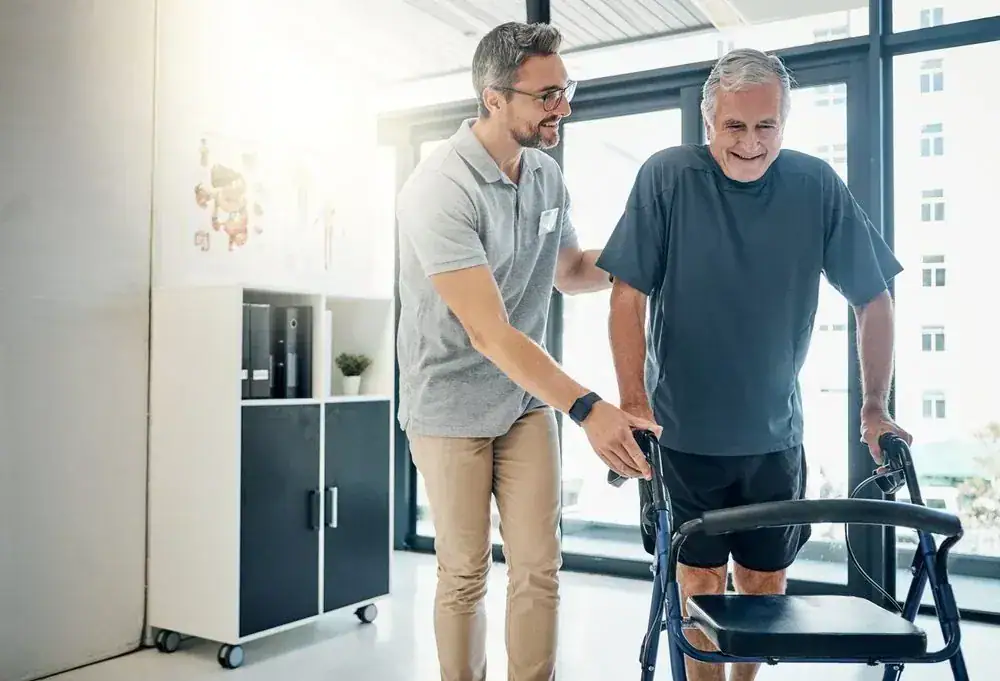
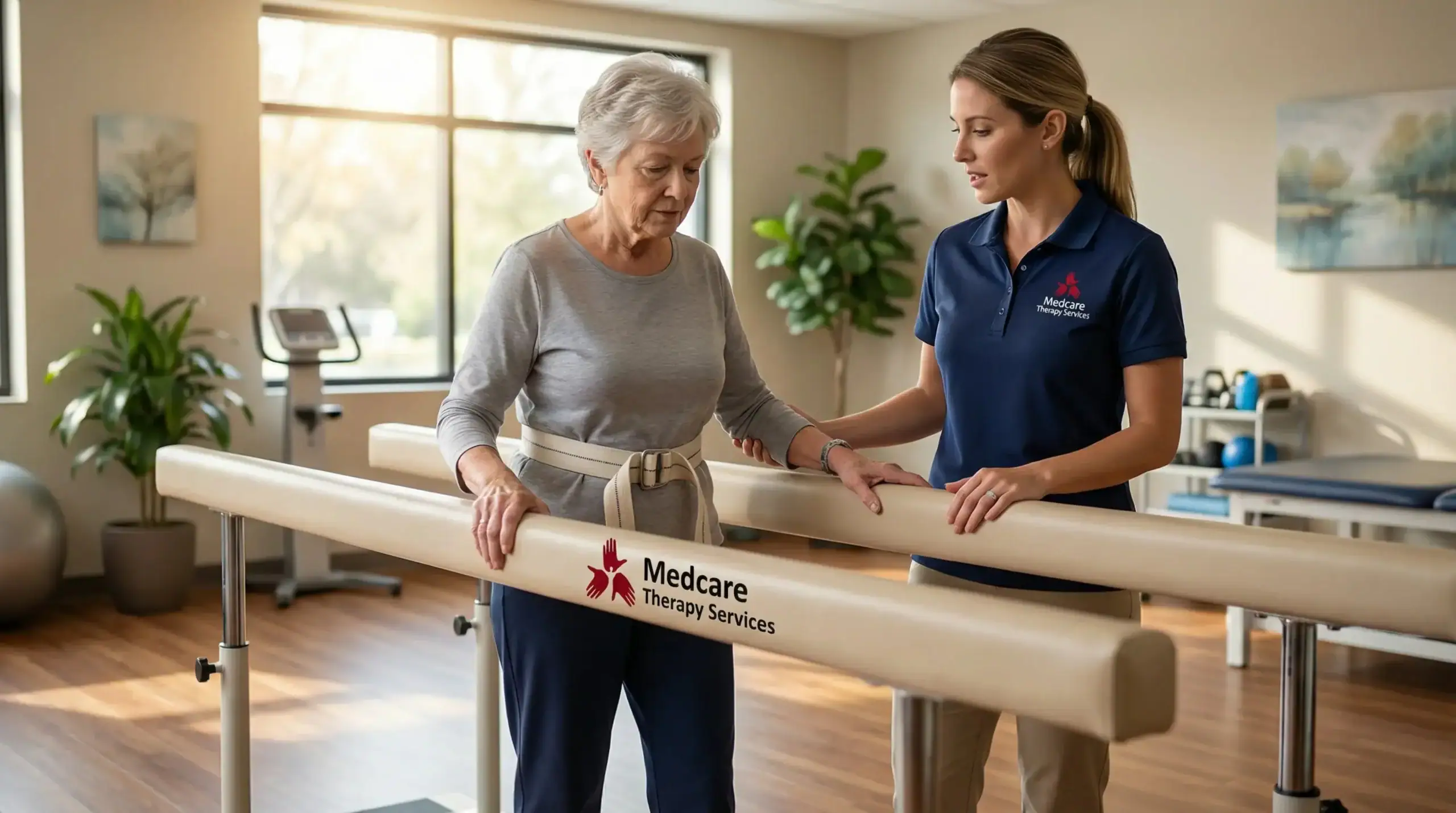
You stop second-guessing every step. That’s what happens when your balance improves and your confidence comes back.
Falls aren’t just about tripping. They’re about what happens after—the fear that keeps you from doing things you used to do without thinking. Walking to the mailbox. Getting up in the middle of the night. Standing on a step stool to reach something.
Physical therapy for balance addresses the actual systems that keep you upright: strength, coordination, reaction time, and spatial awareness. Regular balance exercises for seniors can cut your fall risk in half. That’s not a sales pitch—it’s what the research shows when you work with someone who knows how to assess your specific risk factors and build a program around them.
You’re not here to do generic exercises. You’re here because something’s changed, and you want to fix it before it gets worse.
We’ve been treating patients across Long Island for years, including right here in South Farmingdale, NY. We’re not a corporate chain that rotates therapists every few months. Our team stays, learns the community, and builds relationships with the people we treat.
South Farmingdale has a significant population of older adults living independently—people who want to stay in their homes, stay active, and not become a statistic. We get that. Our fall prevention programs are built around what actually works: one-on-one assessments, personalized exercise plans, and follow-through that doesn’t end after your first visit.
We also work closely with local physicians and specialists, so if there’s something beyond balance training that’s contributing to your fall risk—medication side effects, vision issues, neurological concerns—we’re coordinating that care, not ignoring it.
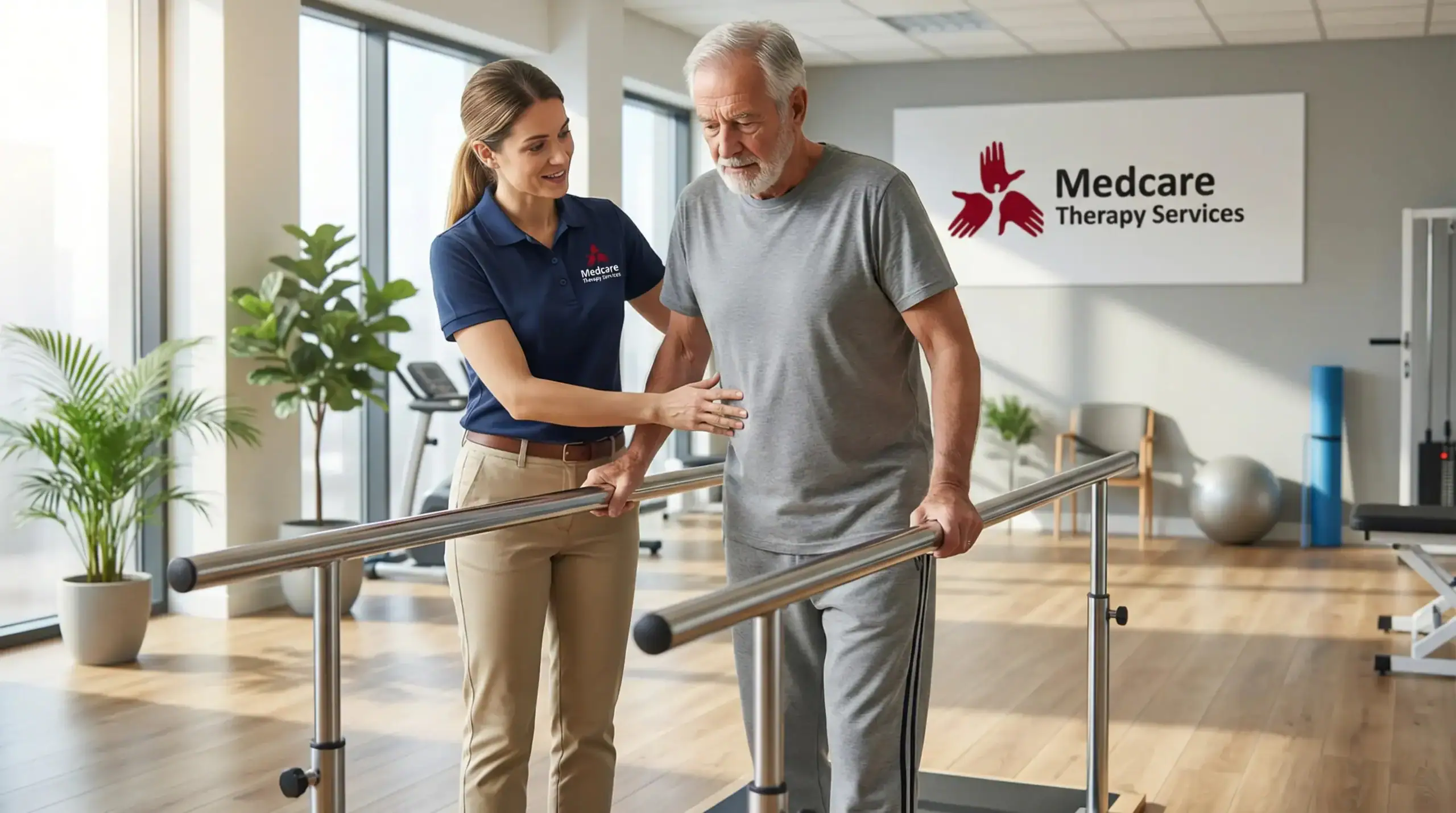
First, we assess where you’re actually at. That means testing your balance, gait, strength, reaction time, and mobility. We’re looking at how you move, where you’re compensating, and what’s putting you at risk. This isn’t a questionnaire—it’s a functional evaluation.
Then we build a program specific to what we found. If your ankles are weak, we’re strengthening them. If your reaction time is slow, we’re working on that. If you’re favoring one side because of an old injury, we’re addressing the imbalance. These are senior balance exercises designed around your body, not a generic protocol.
You’ll come in for sessions where we guide you through the exercises, correct your form, and progress the difficulty as you improve. But you’ll also get a home program, because real improvement happens when you’re consistent between visits. We’re not trying to keep you here forever—we’re trying to get you stable enough that you don’t need us anymore.
Most people start seeing changes within a few weeks. Better stability. More confidence. Less hesitation when you’re moving around. That’s when you know it’s working.

Ready to get started?
You get a full fall risk assessment that looks at strength, balance, gait mechanics, and environmental factors. We’re checking how you stand, how you walk, how you recover when you’re off-balance, and whether your home setup is working against you.
Your treatment plan includes targeted balance training, strength exercises, coordination drills, and gait retraining. We also cover practical stuff—how to get up from a chair safely, how to navigate stairs, how to move in tight spaces without losing your footing.
On Long Island, especially in areas like South Farmingdale where many homes are single-family houses built decades ago, we see common hazards: narrow staircases, uneven basement floors, poor lighting in hallways. We talk through those risks and give you specific recommendations that actually fit your living situation. Not a generic checklist—real advice based on what we’re seeing in your evaluation and what you’re dealing with at home.
If you’ve already fallen, we’re also working on confidence rebuilding. Fear of falling again is a real thing, and it leads people to move less, which makes them weaker, which increases fall risk. We break that cycle.
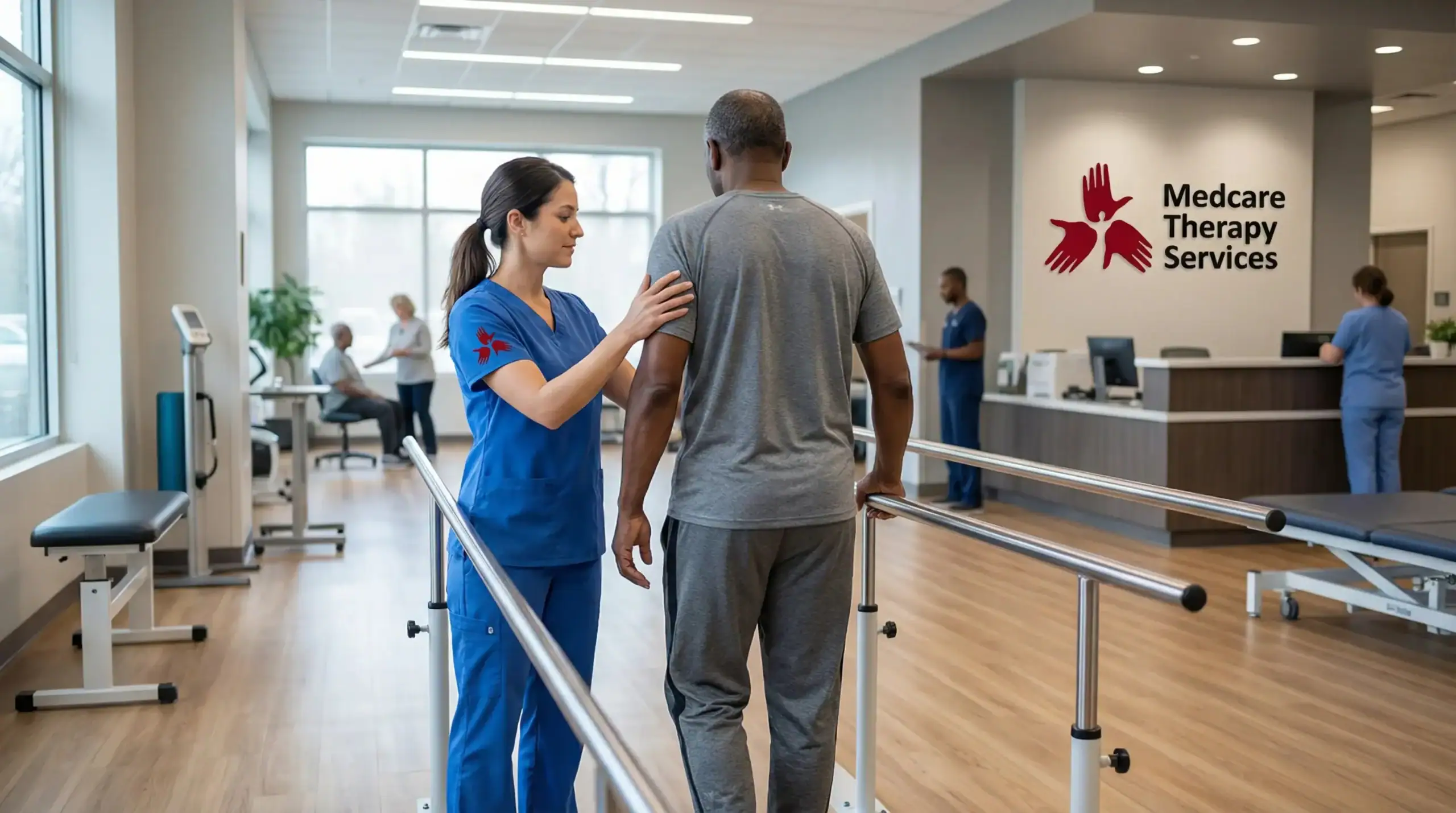
If you’ve fallen in the past year, you need it. If you’ve had a close call—caught yourself on a counter, grabbed a railing at the last second—you probably need it. If you’re avoiding activities because you’re worried about falling, that’s another sign.
A lot of people wait until after a fall to get help, and by then they’re dealing with an injury, a hospital stay, maybe surgery. The smarter move is to address it when you notice the warning signs: feeling unsteady on uneven ground, needing to hold onto things more than you used to, or struggling with balance when you’re tired.
Your doctor might recommend it after a surgery or if you’re on medications that affect balance. But you don’t need a referral to call and ask if an evaluation makes sense. We’ll tell you honestly whether therapy would help or if you’re fine to keep doing what you’re doing.
Online exercises are generic. They’re not wrong, but they’re not tailored to your specific issues. If your balance problem is coming from weak hips, and you’re doing ankle exercises, you’re wasting time. If you have a vestibular issue and you’re doing the wrong type of movement, you could actually make things worse.
We evaluate your individual risk factors and build a program around what your body actually needs. We’re watching your form, correcting compensations, and progressing the difficulty at the right pace. We’re also identifying things you might not notice—like how you’re favoring one leg, or how your posture is throwing off your center of gravity.
The other piece is accountability and progression. Most people do an exercise a few times and then stop, or they keep doing the same easy version forever. We’re making sure you’re consistent and challenging yourself enough to actually see improvement. That’s the difference between doing something and getting results.
It depends on where you’re starting and what we’re addressing. Some people see significant improvement in 4-6 weeks. Others need a few months, especially if we’re rebuilding strength after a long period of inactivity or recovering from an injury.
The goal isn’t to keep you in therapy indefinitely. It’s to get you strong and stable enough to maintain your balance on your own. That means we’re also teaching you what to keep doing at home after you’re discharged, so the improvements stick.
Most programs involve 1-2 sessions per week, combined with home exercises. If you’re consistent with the home program, you’ll progress faster. If you only do the work when you’re here, it’ll take longer. We’re honest about that upfront—you’re not paying us to do the work for you, you’re paying us to show you what works and keep you on track.
Most insurance plans, including Medicare, cover physical therapy for balance and fall prevention if it’s medically necessary. That usually means you’ve had a fall, you’re at high risk, or your doctor has identified a condition that’s affecting your balance.
We verify your benefits before you start, so you know what you’re responsible for. Some plans require a referral from your doctor, others don’t. Some cover a certain number of visits per year, others have different limits. We walk you through all of that during your first call.
If you’re paying out of pocket, we’ll give you a clear cost estimate upfront. No surprises. And honestly, even if insurance doesn’t cover everything, the cost of a few therapy sessions is a lot less than the cost of a fall—hospital bills, rehab, lost independence. It’s worth considering what you’re actually preventing.
Yes. If you’ve fallen more than once, your risk of falling again is even higher—but that also means there’s a clear pattern we can address. We’re looking at why you’re falling: is it strength, balance, medication side effects, vision, footwear, home hazards, or a combination?
Once we identify the contributing factors, we build a program that targets them. If you’re falling because your legs are weak, we’re strengthening them. If you’re falling because your reaction time is slow, we’re working on that. If you’re falling because you’re rushing to the bathroom at night in the dark, we’re talking about environmental changes and strategies to reduce that risk.
The other thing we address is fear. After multiple falls, a lot of people become overly cautious, which leads to moving less, which leads to getting weaker. We work on rebuilding your confidence in a controlled way, so you’re not avoiding life—you’re living it with better tools to stay safe. It’s not about eliminating every risk. It’s about reducing the ones we can control and giving you the strength and skills to handle the unexpected.
Absolutely. Age doesn’t disqualify you from improving your balance—research shows that even adults over 80 can make significant gains in strength, stability, and gait with consistent balance training. We’ve worked with plenty of patients in their 80s and 90s who came in unsteady and left moving with more confidence.
The program looks different than it would for someone in their 60s. We’re more careful about progression, we modify exercises based on your current ability, and we pay close attention to any other health conditions that might affect how we approach treatment. But the principles are the same: assess your specific risks, strengthen what’s weak, improve your coordination, and give you practical strategies to stay safe.
We also involve family members when it’s helpful. If you have a daughter or son who’s concerned and wants to understand what you’re working on, we’ll include them in the conversation. The goal is to keep you independent for as long as possible—and that means making sure everyone’s on the same page about what’s realistic and what’s actually going to help.
Other Services we provide in South Farmingdale