
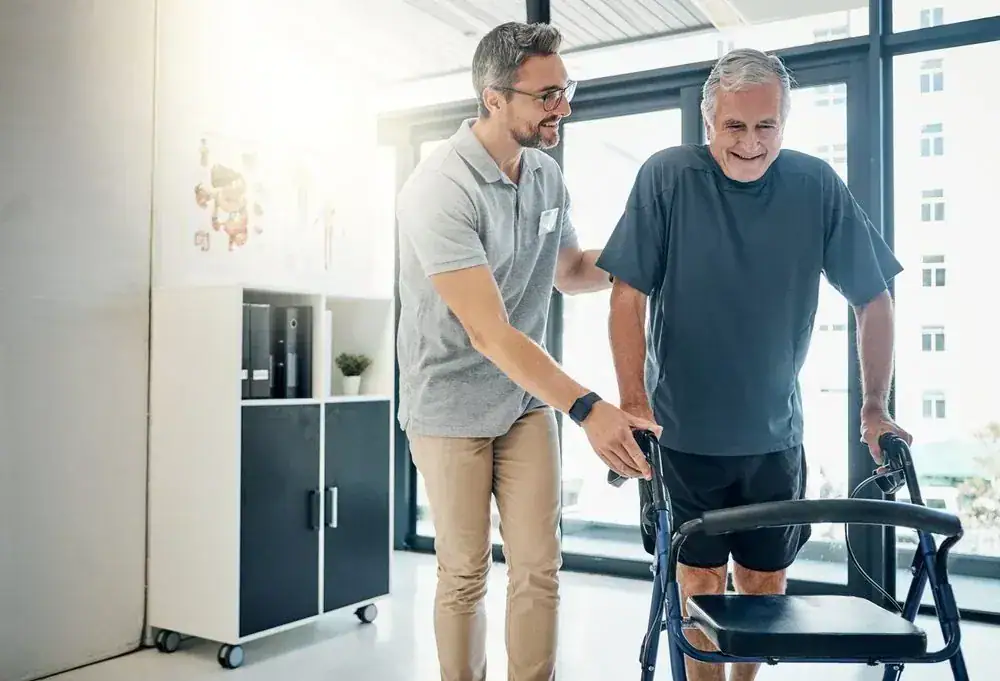
You stop second-guessing every step. That hesitation before getting up from a chair disappears. Walking to the mailbox or reaching for something on a shelf doesn’t feel like a risk anymore.
Better balance means you can move through your day without fear dictating what you do or don’t try. It means staying in your own home, on your own terms, without needing someone to shadow you constantly.
The right exercises don’t just strengthen your legs. They retrain how your brain and body communicate during movement. That’s what reduces fall risk by up to 50% in older adults, according to clinical research. You get steadier, more confident, and more capable of doing the things that matter to you.
This isn’t about becoming an athlete. It’s about walking into the kitchen without holding the counter. It’s about bending down to pick something up and standing back up without wobbling. It’s about living without the constant background worry that one misstep could change everything.
We’ve been serving Smithtown and Long Island for over a decade. We specialize in home-based physical therapy for people who find it difficult or risky to leave their house, which is exactly the population most vulnerable to falls.
Our therapists are trained in the Otago Exercise Program, one of the most researched and effective fall prevention protocols available. We don’t use a one-size-fits-all approach. Every program is customized based on your specific fall risk factors, your current strength and balance, and what you actually need to do in your daily life.
Smithtown has one of the highest concentrations of older adults on Long Island. Nearly one in five residents here is over 65. We understand the local landscape, the homes, the community, and the real concerns people face when they want to age in place safely. That’s why we bring the therapy to you, and why we treat every patient like family.
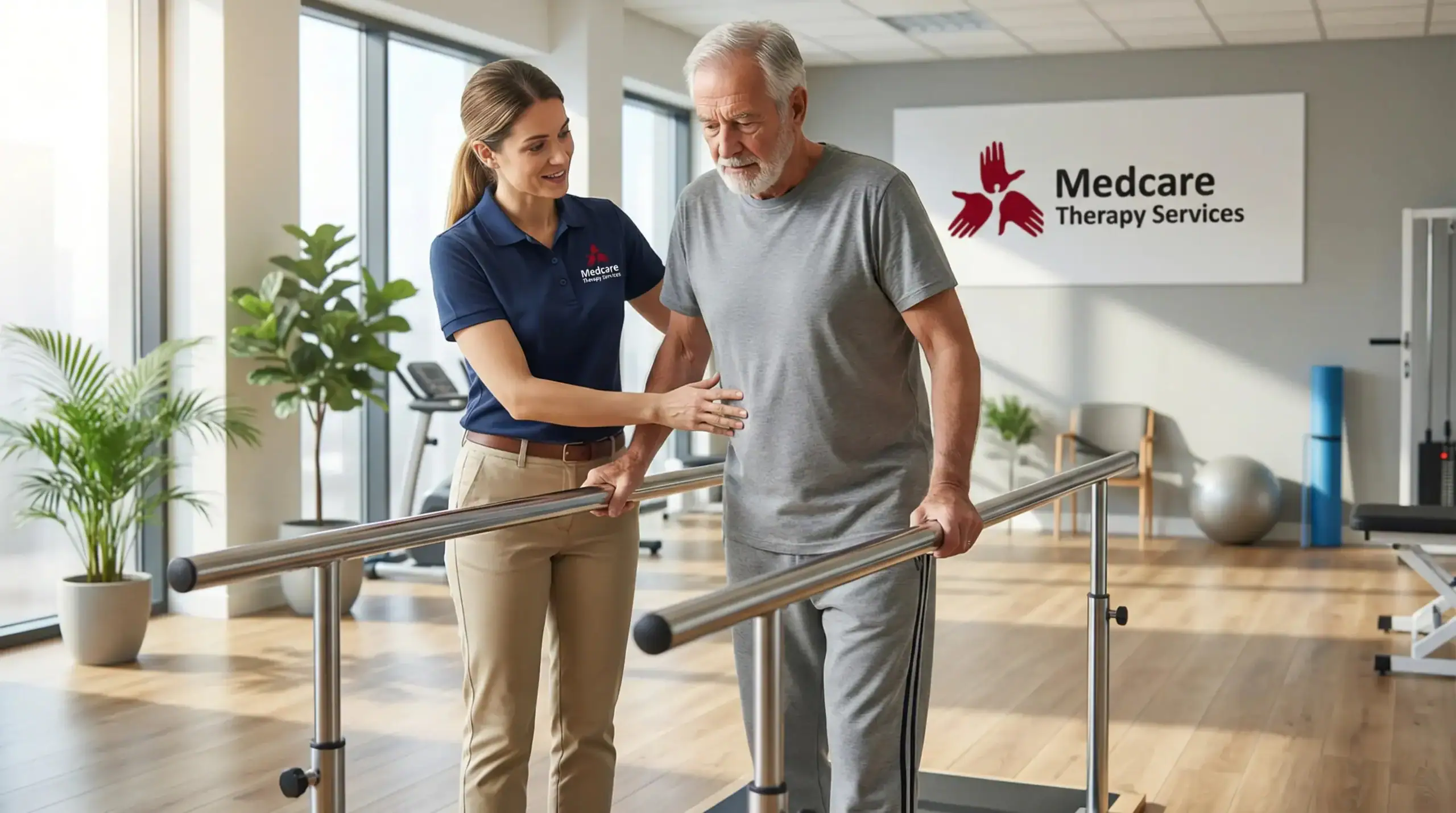
First, we come to your home and do a full fall risk assessment. We look at your balance, your gait, your strength, and how you move through your actual living space. We’re checking for both physical limitations and environmental hazards that increase your risk.
Then we build a personalized exercise program. This typically includes strength training for your legs and core, balance exercises that challenge your stability in safe and progressive ways, and gait training to improve how you walk. These aren’t generic senior exercises. They’re targeted interventions based on what your assessment revealed.
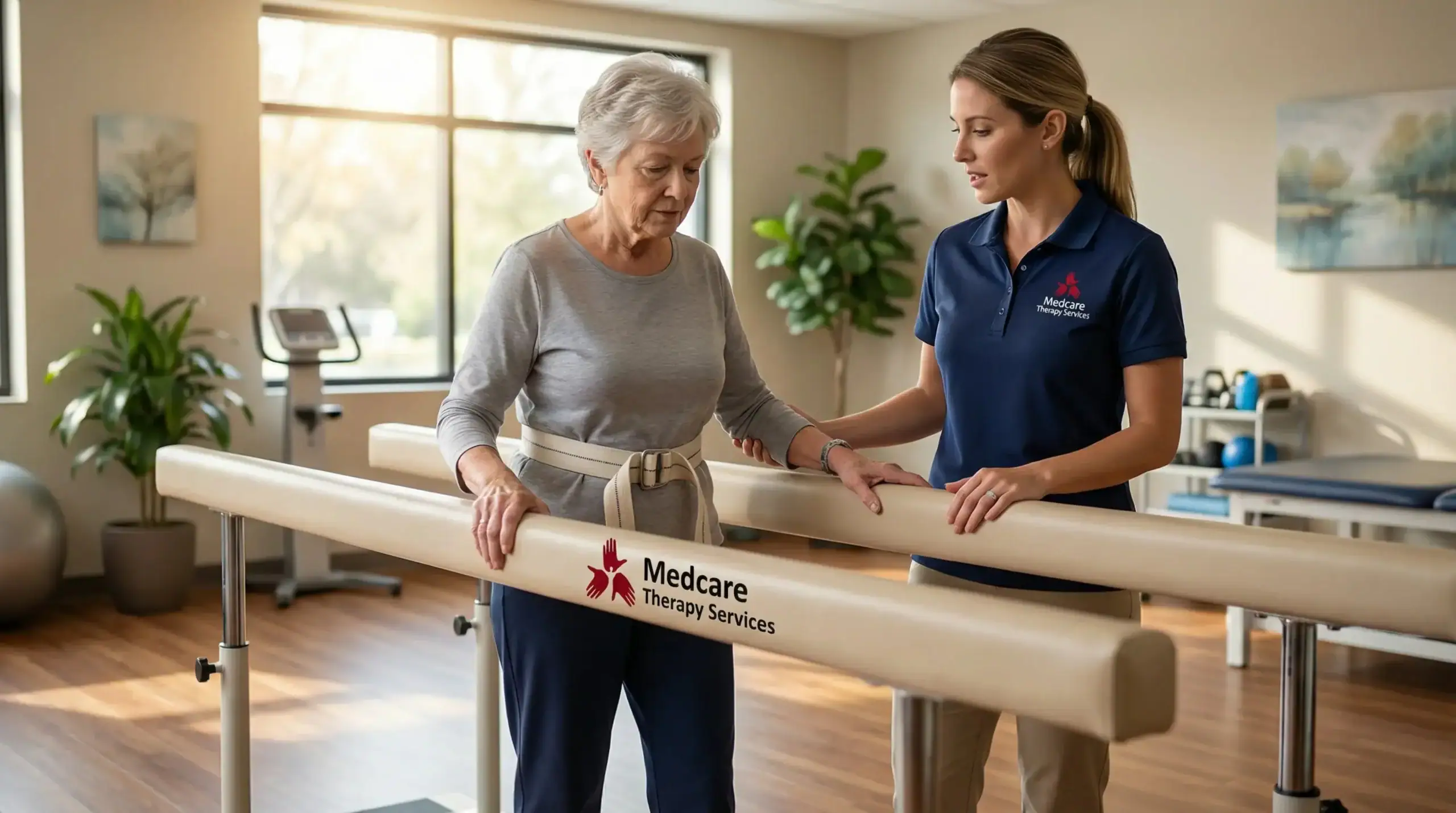
You’ll work with your therapist multiple times per week at first, right in your home. We teach you the exercises, watch your form, adjust intensity as you improve, and make sure you’re doing them safely. Over time, you’ll also get a home exercise plan you can do on your own between sessions.
Most programs run several weeks to a few months, depending on your starting point and goals. The goal isn’t just to get you stronger. It’s to reduce your fall risk, increase your confidence, and give you the tools to maintain your progress long-term.
Ready to get started?
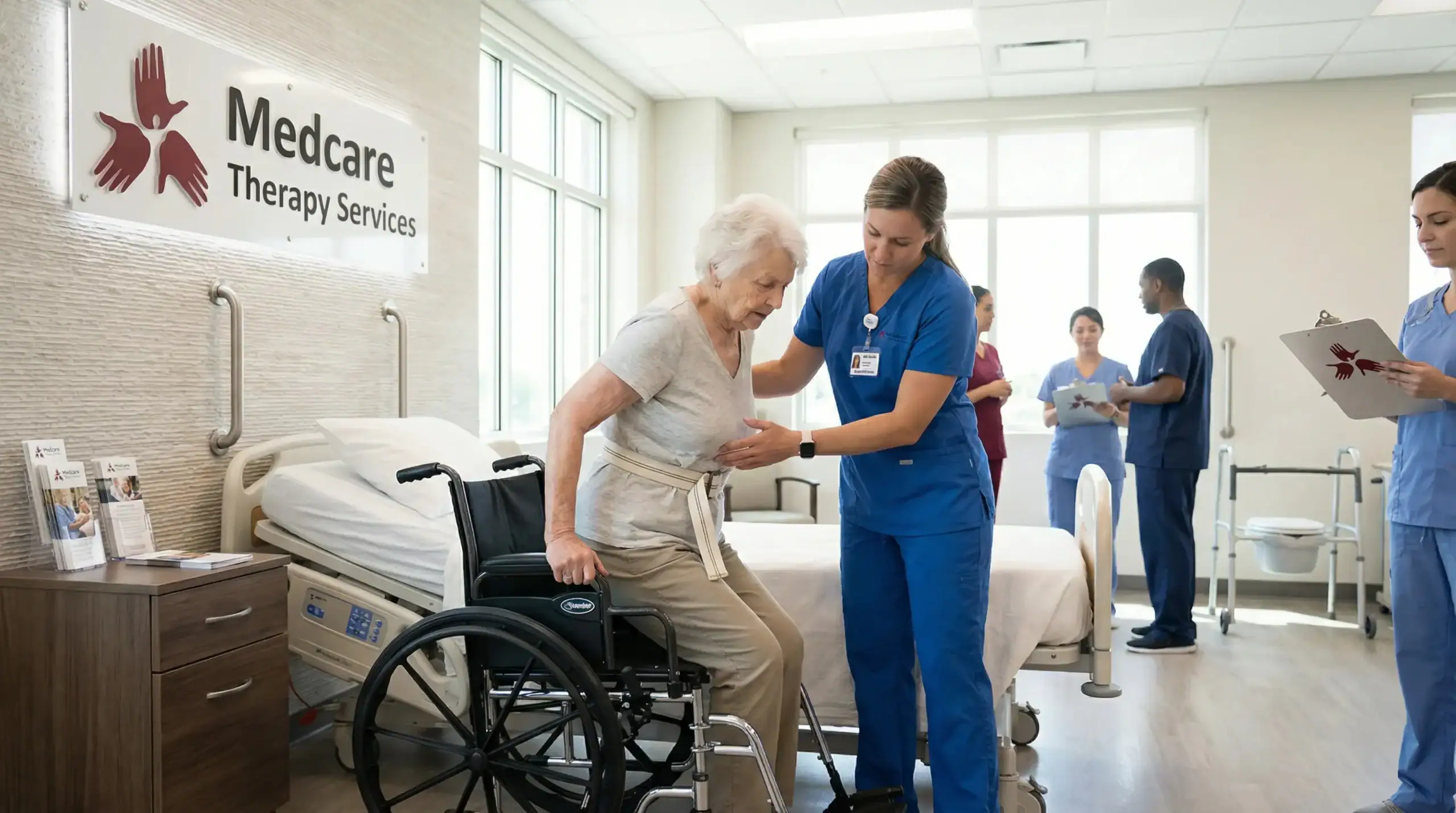
You get a licensed physical therapist who comes to your home and works with you one-on-one. Every session is covered by Medicare, so there’s no out-of-pocket cost for most patients. We handle the paperwork and verification.
Your program includes static balance exercises, which help you stay steady while sitting or standing still, and dynamic balance exercises, which train you to keep your balance while moving. We also incorporate strength training because weak legs are one of the biggest fall risk factors for older adults.
In Smithtown, where many homes have stairs, narrow hallways, or older layouts, we pay special attention to how you navigate your specific environment. We’ll assess your home for fall hazards and give you practical recommendations. Sometimes it’s as simple as removing a rug or improving lighting. Other times we’ll teach you techniques for safely getting in and out of the tub or moving through tight spaces.
You’ll also receive education on why falls happen and what you can control. Fear of falling often leads people to move less, which makes them weaker and more likely to fall. We break that cycle by building both your physical capability and your confidence in controlled, measurable ways.
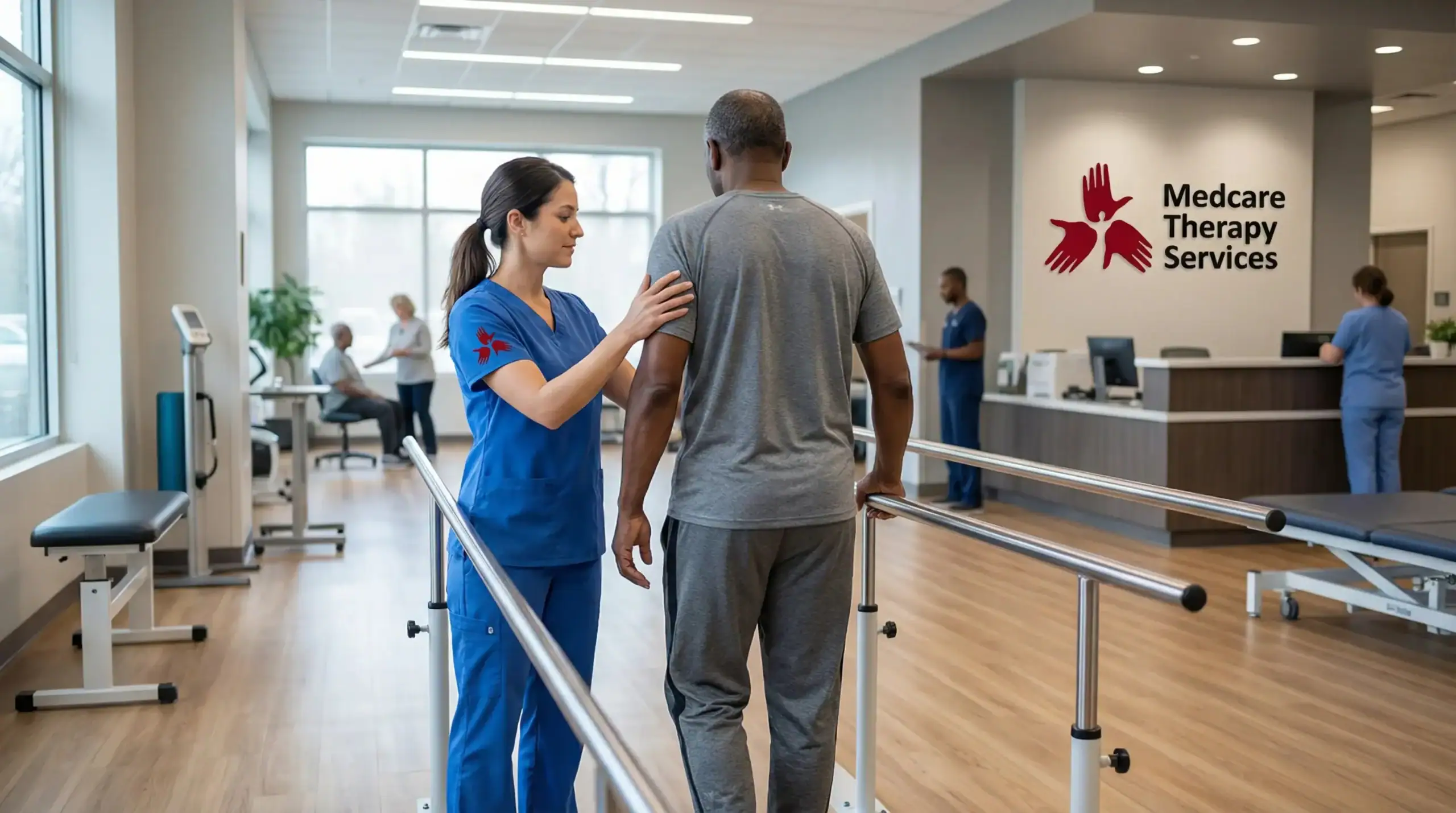
If you’ve fallen in the past year, you’re at higher risk. Falling once doubles your chance of falling again, even if you weren’t injured the first time.
Other signs include feeling unsteady when you walk, needing to hold onto furniture or walls to move around your home, avoiding certain activities because you’re afraid you’ll fall, or noticing that your balance isn’t what it used to be. Difficulty getting up from a chair without using your arms is another red flag.
Certain medications, vision problems, and chronic conditions like arthritis or diabetes also increase fall risk. If you’re over 65 and any of this sounds familiar, a fall risk assessment is worth doing. It’s not about labeling you as fragile. It’s about identifying specific issues we can address before a fall happens.
Senior balance exercises are designed to challenge your stability without putting you at risk of actually falling. They’re progressive, meaning we start where you are and gradually increase difficulty as you improve.
These exercises focus on strengthening the specific muscles that keep you upright, activating your core, and retraining the connection between your brain and body during movement. A lot of balance happens automatically when you’re younger, but that system weakens with age. We’re essentially rebuilding those pathways.
We also incorporate exercises that mimic real-life movements, like reaching for something on a high shelf, turning your head while walking, or stepping over an obstacle. Regular exercise might make you generally stronger, but it won’t necessarily improve the reflexes and coordination you need to catch yourself when you start to lose your balance. That’s the difference.
Falls are not inevitable. Research shows that structured exercise programs can reduce falls by up to 50% in community-dwelling older adults. That’s a significant, measurable difference.
Physical therapy works because most falls happen due to specific, fixable issues like weak legs, poor balance, slow reflexes, or unsafe movement patterns. When we strengthen your muscles, improve your balance, and teach you how to move more safely, your fall risk drops.
The key is consistency and the right type of exercise. Generic activity helps, but targeted balance and strength training designed by a physical therapist is far more effective. Aging does change your body, but that doesn’t mean you’re powerless. You have more control over your fall risk than you probably think.
We come to your home. That’s actually one of the main reasons people choose us. If getting out of the house is difficult, risky, or just a hassle, home therapy makes a lot more sense.
Treating you at home also lets us see how you actually move in your own environment. We can spot hazards, assess how you navigate stairs or tight spaces, and design exercises that directly apply to your daily routine. That’s harder to do in a clinic setting.
Home-based therapy is covered by Medicare for patients who qualify, meaning you’re homebound or leaving home takes considerable effort. Most of our fall prevention patients fit that criteria. We handle all the scheduling, verification, and coordination so the process is as simple as possible for you.
Most programs run between 6 to 12 weeks, but it depends on your starting point and goals. Some people need more time, others progress faster.
In the beginning, you’ll typically have therapy sessions two to three times per week. As you get stronger and more confident, we’ll reduce the frequency and transition you to a maintenance program you can do on your own.
The goal isn’t to keep you in therapy forever. It’s to give you the strength, balance, and skills to stay safe independently. We’ll also teach you how to continue progressing after formal therapy ends, so the benefits last long-term. Fall prevention isn’t a one-time fix. It’s about building habits and capabilities that reduce your risk for years to come.
That fear is completely understandable, and you’re not alone in feeling it. Fear of falling is one of the most common concerns we hear, and it often leads people to limit their activities, which unfortunately makes them weaker and more likely to fall again.
The best way to address that fear is to rebuild your confidence through safe, controlled practice. We start with exercises you can do without any fall risk, often while seated or holding onto something stable. As your strength and balance improve, we gradually increase the challenge.
You’ll also learn techniques for catching yourself if you start to lose your balance, and we’ll teach you how to get up safely if you do fall. Just knowing you have those skills can reduce anxiety. The combination of getting physically stronger and mentally more confident is what breaks the fear cycle. You won’t feel this way forever, but you do need the right support to move past it.
Other Services we provide in Smithtown