
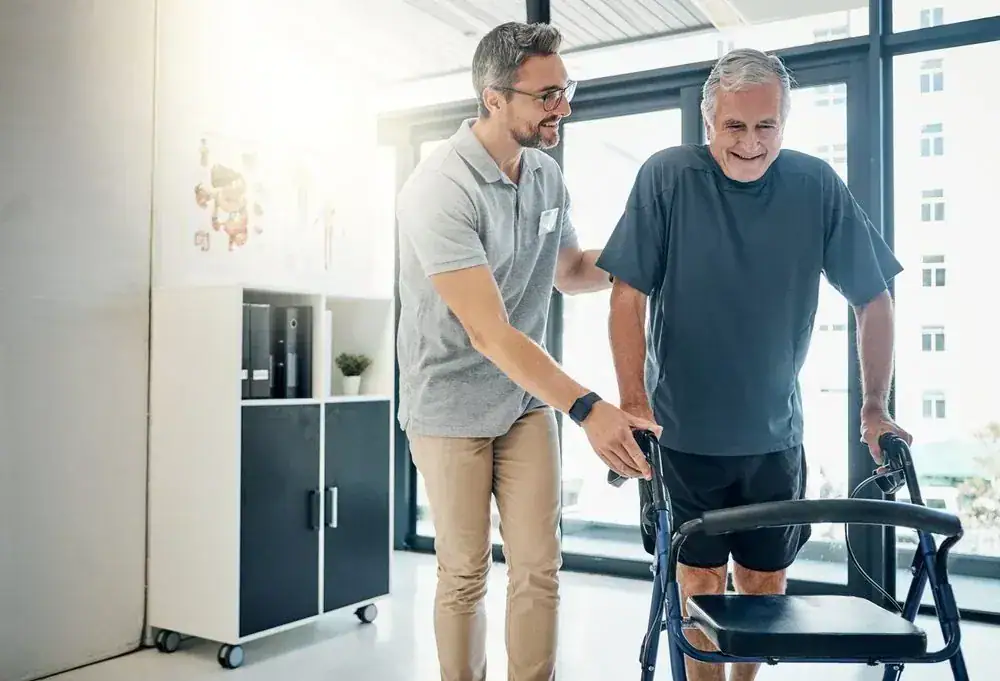
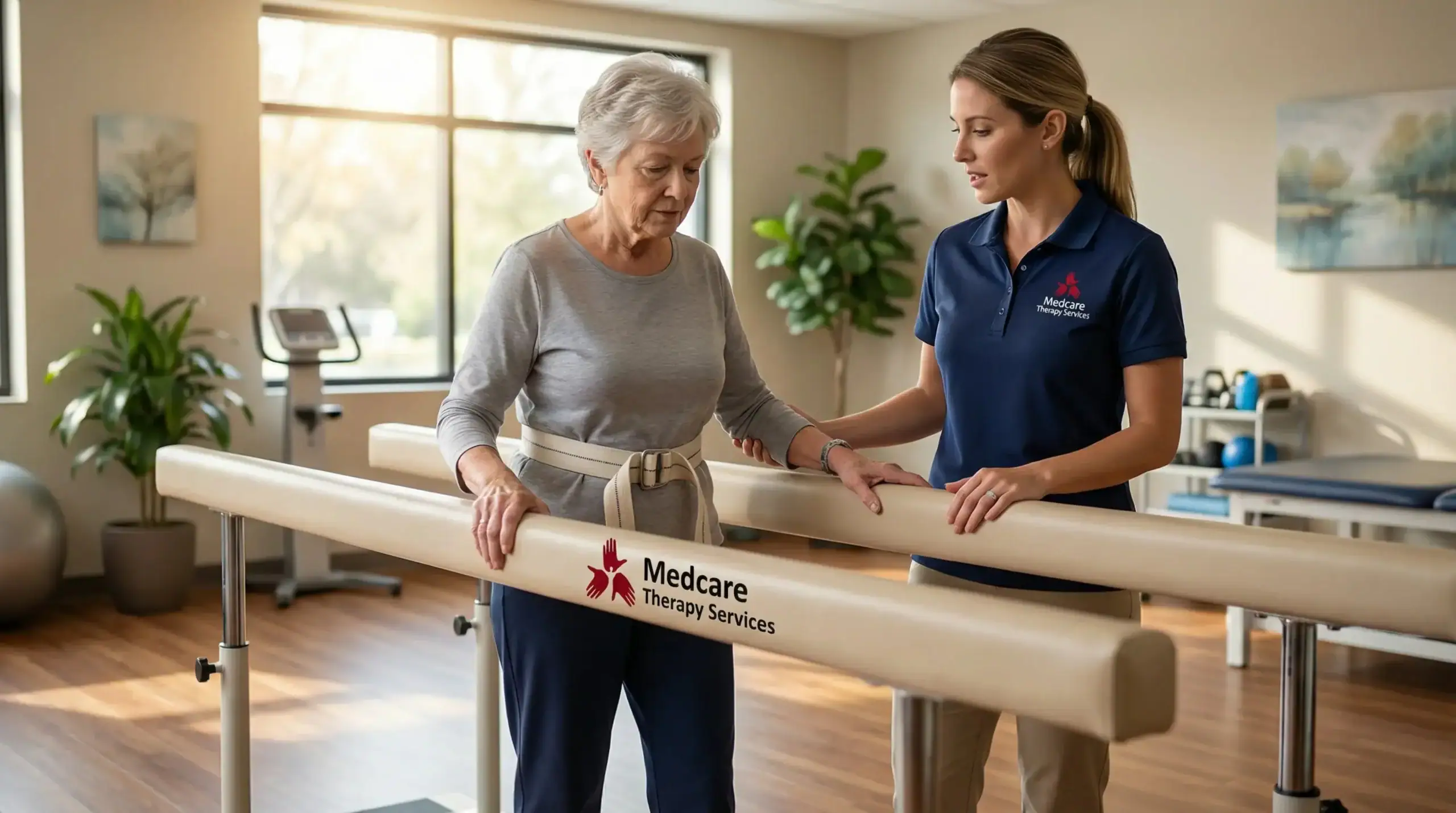
You stop second-guessing every step. The fear that’s been keeping you from your garden, your grandkids, or your morning walk starts to fade because your body feels stable again.
That’s what happens when balance exercises for seniors actually work. Your legs get stronger. Your core activates without you thinking about it. Your brain and body start talking to each other the way they used to.
Falls aren’t just about tripping. They’re about weak muscles, slow reactions, and a nervous system that’s lost some of its sharpness. Physical therapy for balance addresses all of it. You’ll see improvements in how you stand, how you move, and how you recover when something throws you off.
Most people notice a difference within the first few weeks. Better posture. Less wobbling. More control. And over time, that adds up to a 30-35% drop in fall risk, which is backed by research and something we see in our own patients across Long Island.
We’ve been serving Long Island for years, with locations across Suffolk County and a reputation for doing things the right way. That means personalized treatment plans, licensed therapists who specialize in geriatric and balance rehabilitation, and a process that’s built around you, not a one-size-fits-all protocol.
Setauket has one of the highest senior populations on Long Island. Nearly 20% of residents here are 65 or older, many living independently in single-family homes they’ve owned for decades. We understand what that means. You want to age in place. You want to stay active. You don’t want to end up in a nursing home because of a fall that could have been prevented.
Our team knows the local community. We know the homes, the lifestyle, the priorities. And we know how to help you stay safe without making you feel fragile.
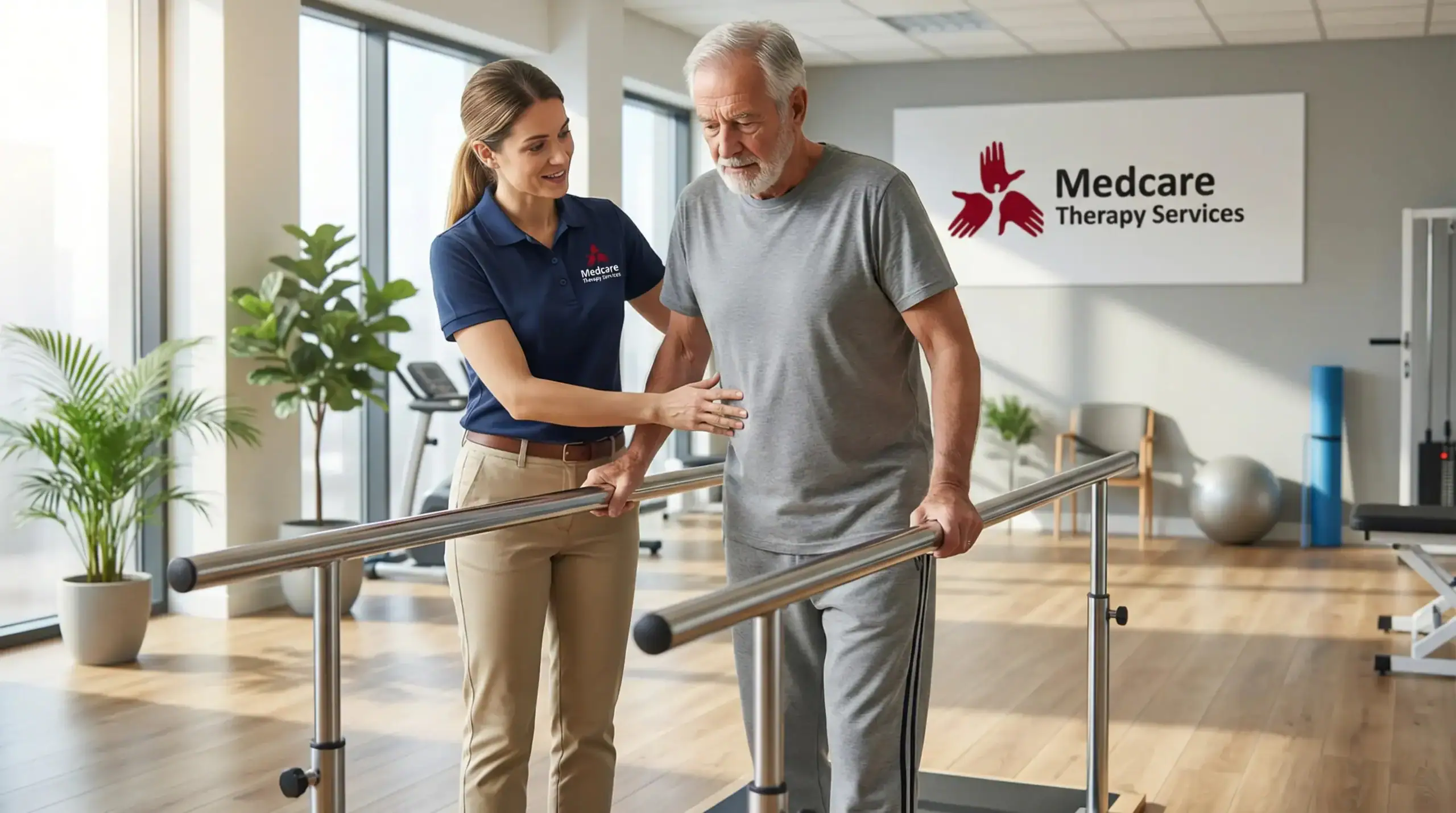
First, we assess where you are. That means testing your balance, your strength, your gait, and your risk factors. We look at your medical history, your medications, any past falls, and what’s happening in your home environment. This isn’t a quick screening. It’s a full picture.
Then we build a plan. You’ll get a mix of strength training, balance exercises, and gait work designed specifically for your body and your goals. Some of it happens in our clinic. Some of it you’ll do at home with clear instructions and follow-up.
As you progress, we adjust. If something’s too easy, we make it harder. If you’re struggling, we modify. The goal is consistent improvement, not frustration. You’ll also get education on fall risks you might not have considered, like lighting, rugs, footwear, or how certain medications affect your stability.
Most patients come in once or twice a week. You’ll start seeing changes in balance and confidence within the first month. The full program usually runs several weeks, but the habits and strength you build stay with you long after.
Ready to get started?
Every session is built around evidence-based interventions that have been proven to reduce fall risk in older adults. You’ll work on exercises that strengthen your legs, activate your core, and retrain the connection between your brain and your body. These aren’t generic senior exercises. They’re targeted, progressive, and designed to address the specific reasons you’re at risk.
You’ll also get gait training, which improves how you walk, how you shift your weight, and how you recover if you start to lose balance. We incorporate vestibular work if dizziness or inner ear issues are part of the problem. And if fear of falling has started to limit your movement, we address that too, because the psychological side is just as important as the physical.
In Setauket, where most homes are single-family and owner-occupied, we also focus on home safety. That means talking through environmental hazards like stairs, bathrooms, lighting, and clutter. You’ll leave with a clear understanding of what to change and why it matters.
Between sessions, you’ll have a home exercise program. It’s simple, it’s safe, and it’s designed to keep you progressing without needing equipment or supervision. This is how the results stick.
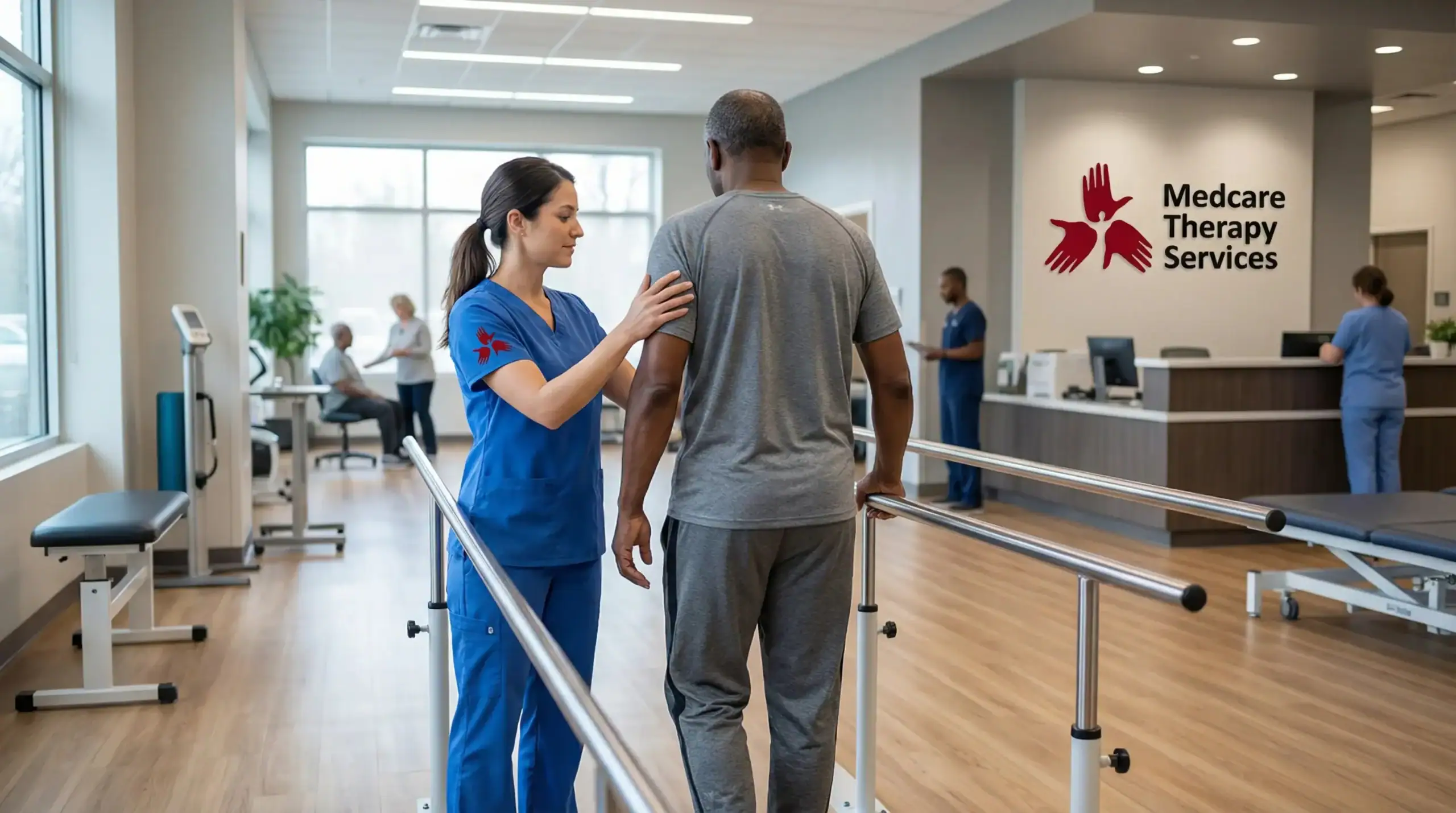
Most people notice a difference within two to four weeks if they’re consistent with therapy and home exercises. That might look like feeling steadier when you stand up, less wobbling when you walk, or more confidence on uneven surfaces.
Real improvement takes longer. Strength builds over weeks, not days. Your nervous system needs time to retrain. But the research shows that even adults over 80 can improve gait, posture, and stability with the right program.
The timeline depends on where you’re starting. If you’ve had multiple falls or significant muscle weakness, it might take a bit longer to see major changes. If you’re catching things early, progress tends to come faster. Either way, the goal is measurable improvement, and we track that at every session.
You get a professional assessment of your specific risk factors. That includes things you might not notice on your own, like how you shift your weight, whether one leg is weaker than the other, or if your gait pattern is increasing your fall risk.
You also get a program that’s designed for your body and your limitations. Generic senior balance exercises can help, but they’re not personalized. If you have arthritis, neuropathy, or a history of stroke, your program needs to account for that. We build around what’s safe and what’s going to work.
And you get accountability. It’s easy to skip exercises at home or do them incorrectly. In therapy, you’re guided through every movement, corrected when needed, and progressed at the right pace. That’s how you get results that actually reduce your fall risk, not just make you feel like you’re doing something.
Medicare Part B typically covers physical therapy if it’s medically necessary and prescribed by your doctor. Fall prevention qualifies when there’s a documented risk, a history of falls, or conditions like balance disorders, muscle weakness, or gait issues.
You’ll need a referral in most cases. Your primary care doctor or specialist can write one based on your fall risk or related diagnoses. From there, Medicare covers a portion of the cost, and you’re responsible for any copays or deductibles based on your plan.
We handle Medicare billing regularly and can walk you through what to expect. If you have a Medicare Advantage plan or supplemental insurance, coverage may vary, so it’s worth confirming your benefits before starting. But in most situations, if you’re at risk and your doctor agrees therapy is appropriate, you’re covered.
It’s not too late. In fact, falling once increases your risk of falling again, which makes starting therapy even more important. After a fall, your confidence drops, your movement decreases, and that creates a cycle that actually makes you less stable.
Physical therapy helps break that cycle. We rebuild strength in the muscles that failed you. We retrain your balance and work on the specific scenarios that led to the fall, whether that was getting out of bed, walking on carpet, or reaching for something.
We also address the fear. A lot of people become overly cautious after a fall, which sounds smart but often leads to deconditioning. You move less, your muscles weaken, and your risk goes up. Therapy gives you a safe, structured way to regain confidence and function without putting yourself in danger. The sooner you start, the better your outcomes.
Being careful helps, but it’s not enough. Falls happen because your body can’t react fast enough or strong enough to recover when something goes wrong. A rug shifts. You miss a step. You turn too quickly. No amount of caution prevents every scenario.
Balance exercises work because they strengthen the systems that keep you upright. Your legs get stronger, so they can catch you. Your core stabilizes your torso. Your proprioception improves, which is your body’s ability to sense where it is in space. All of that adds up to better reactions and better recovery.
The data backs this up. Evidence-based fall prevention programs reduce fall risk by 30-35%. Tai Chi alone has been shown to improve balance in older adults. Strength and balance training combined is even more effective. This isn’t about hoping you don’t fall. It’s about making your body capable of preventing it.
No. Most of what we do in therapy uses your body weight, simple props like resistance bands, or things you already have at home like a chair or countertop for support. You don’t need a gym. You don’t need machines.
The exercises are designed to be functional. That means they mimic real-life movements like standing up, walking, reaching, and turning. The goal is to make you stronger and more stable in the activities you actually do every day, not to train you for a fitness competition.
Your home exercise program will be just as simple. We’ll give you clear instructions, and if you need any props, they’re inexpensive and easy to find. The focus is on consistency and proper form, not fancy equipment. What matters is that you do the work, and we make sure it’s something you can actually stick with.
Other Services we provide in Setauket