
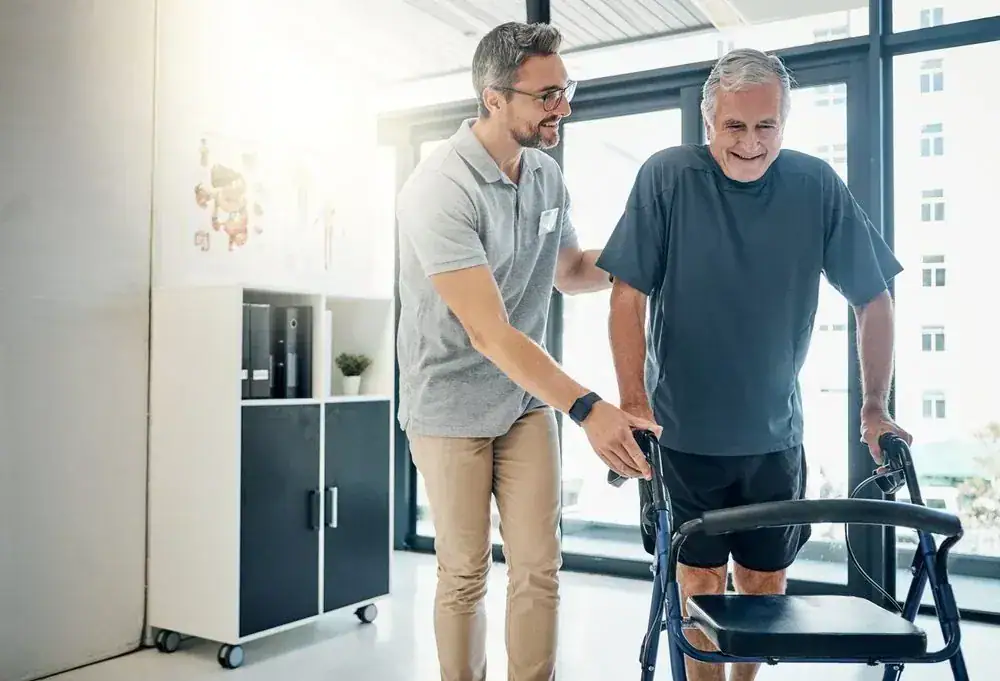
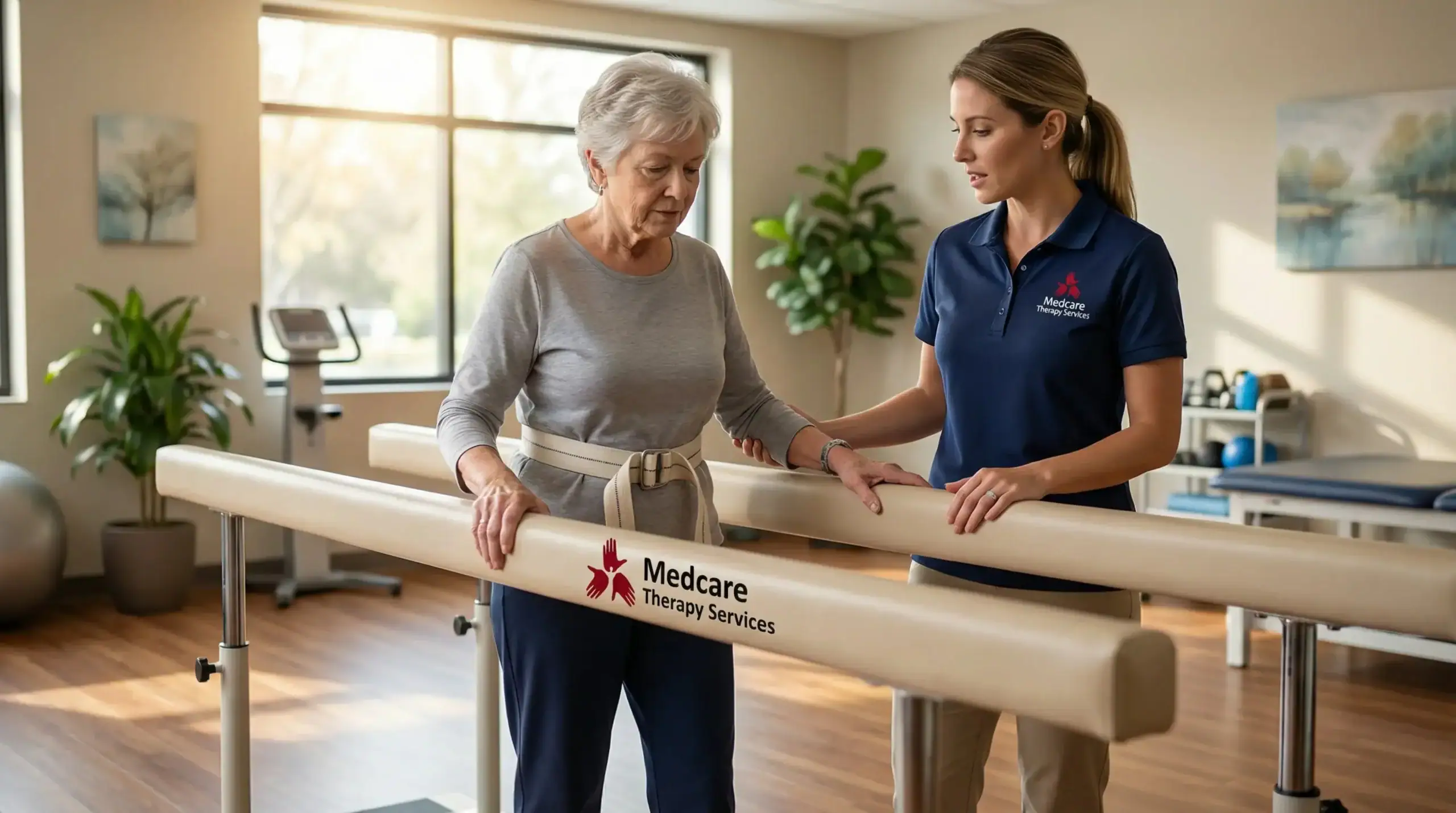
You stop second-guessing every step. The anxiety that comes with walking to the mailbox or getting up at night starts to fade because your body feels steadier and your confidence builds with it.
Most falls don’t happen because you’re fragile. They happen because small risk factors stack up—weak legs, poor balance, medication side effects, vision issues, or hazards around the house that nobody’s addressed. When you work with a physical therapist who understands fall prevention, you’re not just doing generic exercises. You’re targeting the specific reasons your balance feels off.
The outcome isn’t just fewer falls. It’s staying in your own home longer. It’s not needing to rely on family for every little thing. It’s walking into a room without scanning for something to grab onto. That’s what real fall prevention looks like—and it starts with understanding where your risks are and what to do about them.
We’ve been serving Long Island communities for years, with a focus on helping older adults stay active and independent. Our Seaford location understands what matters to families here—maintaining quality of life in a community where people want to age in place, not uproot their lives.
Seaford has one of the higher median household incomes on Long Island, and with that comes high expectations for care. You’re not looking for cookie-cutter programs or rushed appointments. You want someone who listens, assesses your specific situation, and builds a plan that actually fits your life.
We manage every detail—from verifying insurance coverage to coordinating with your doctor—so you can focus on getting stronger. Our team takes fall prevention seriously because we’ve seen what happens when it’s ignored, and we’ve also seen how much changes when it’s done right.
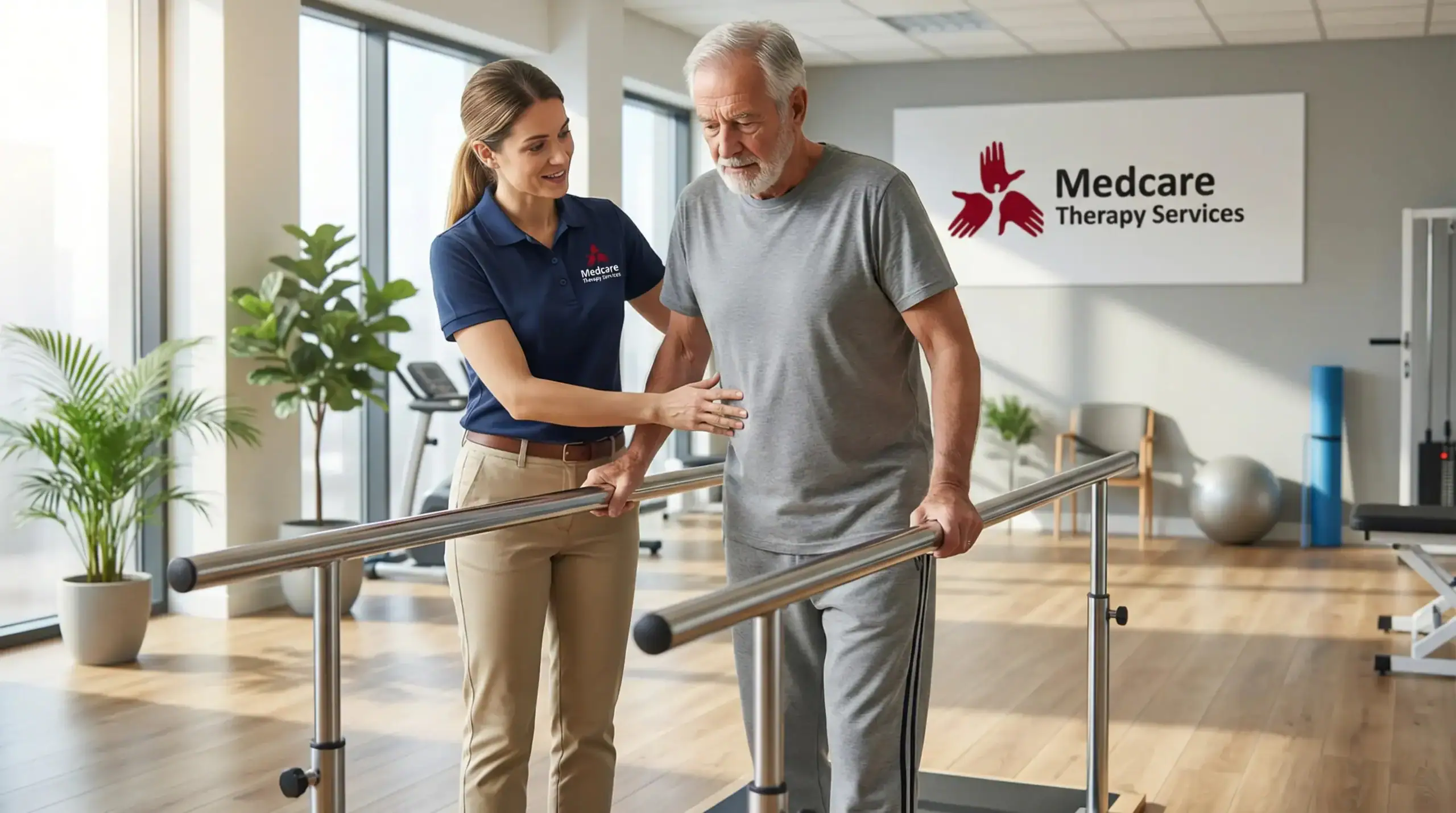
You start with a fall risk assessment. This isn’t a quick questionnaire—it’s a full evaluation of your strength, balance, gait, medication list, vision, and home environment. We’re looking for the specific factors that increase your risk, not just checking boxes.
From there, we build a personalized program. If your legs are weak, we focus on strength training. If your balance is off, we incorporate exercises that challenge your stability in safe, controlled ways. If medications are making you dizzy, we’ll flag that for your doctor. Every plan is different because every person’s risks are different.
You’ll come in for sessions where a licensed physical therapist guides you through exercises, tracks your progress, and adjusts the plan as you improve. Between visits, you’ll have exercises to do at home—simple movements that don’t require equipment but make a real difference. Most people start feeling more stable within a few weeks, and that confidence builds as strength and balance improve.
We also talk about your home. Are there loose rugs? Poor lighting? Clutter in walkways? Small changes can eliminate big risks, and we’ll walk you through what matters most.

Ready to get started?
You get a comprehensive fall risk screening that covers strength, balance, mobility, and environmental factors. This is where we identify what’s actually putting you at risk—not assumptions, but measurable data that tells us where to focus.
Your program includes one-on-one physical therapy sessions with exercises designed to improve balance and build the muscle strength that keeps you upright. These aren’t generic senior fitness classes. They’re targeted interventions based on your specific needs, whether that’s improving how you walk, how you stand up from a chair, or how you recover when you start to lose your balance.
We also provide education on home safety modifications. Seaford homes tend to be older, well-maintained properties, but that doesn’t mean they’re fall-proof. We’ll help you identify risks you might not notice—like lighting that’s too dim in hallways or bathroom layouts that need grab bars. Many of these fixes are inexpensive and make an immediate difference.
If you’re on multiple medications, we’ll review them with you and communicate with your doctor about anything that might be affecting your balance or causing dizziness. And if you need assistive devices—like a cane, walker, or shower chair—we’ll make sure you’re using the right equipment and using it correctly.
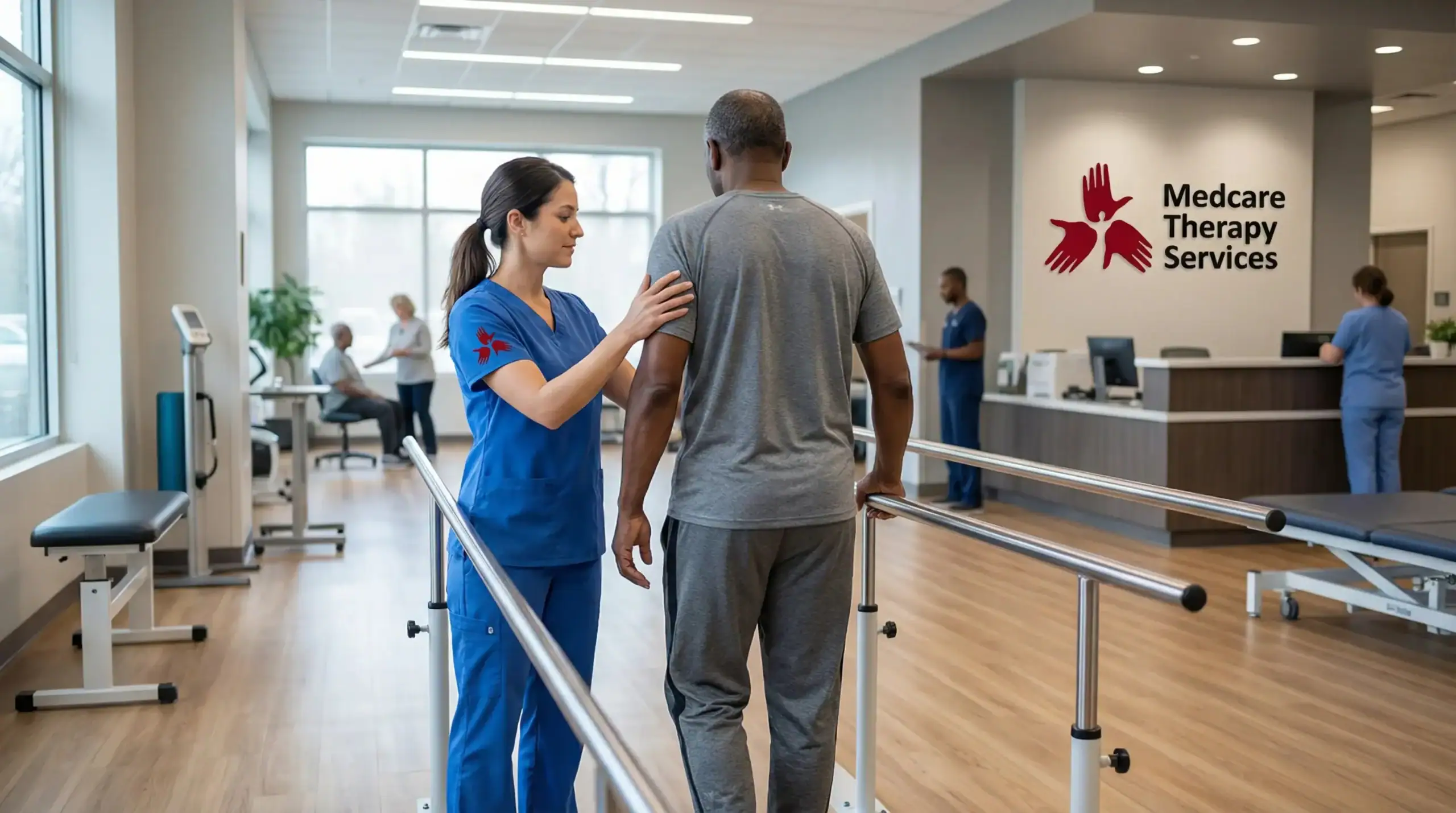
If you’ve fallen in the past year, you’re automatically at higher risk. Falling once doubles your chances of falling again, which is why even a minor fall that didn’t result in injury matters.
But you don’t have to fall to be at risk. If you feel unsteady when you walk, if you grab onto furniture or walls for support, if you avoid certain activities because you’re worried about balance—those are signs. Difficulty getting up from a chair without using your arms, shuffling your feet instead of taking full steps, or feeling dizzy when you stand up are all red flags.
Certain medications increase fall risk, especially if you’re on multiple prescriptions. Blood pressure meds, sleep aids, and even some over-the-counter drugs can affect balance. Vision problems, foot pain, and weak legs all contribute too. The good news is that most of these factors are fixable once you know what you’re dealing with. A fall risk assessment gives you a clear picture of where you stand and what needs attention.
The exercises depend on what your assessment shows, but most programs include a mix of strength training and balance challenges. You might do sit-to-stand exercises to build leg strength, heel-to-toe walking to improve stability, or single-leg stands to challenge your balance in a controlled way.
We also work on functional movements—the things you do every day. Getting in and out of a car. Reaching for something on a high shelf. Turning around to look behind you. These are the moments when falls happen, so we practice them in ways that make you stronger and more coordinated.
The exercises aren’t complicated, and you won’t need a gym full of equipment. Most can be done at home with a sturdy chair and a clear space. What makes them effective isn’t intensity—it’s consistency and proper form. Your therapist will make sure you’re doing them correctly and progressing at a pace that’s challenging but safe. Over time, movements that used to feel shaky start to feel automatic again.
Medicare Part B covers physical therapy for fall prevention if it’s medically necessary and prescribed by your doctor. That means if you’ve had a fall, if you have a condition that affects your balance, or if your doctor identifies you as high-risk, therapy is usually covered.
Most Medicare Advantage plans and supplemental insurance policies also cover these services, though your specific coverage depends on your plan. We verify benefits before you start so there are no surprises. You’ll know upfront what your copay or coinsurance will be.
If you don’t have Medicare, many private insurance plans cover physical therapy for balance and fall prevention under their rehabilitation benefits. Again, we handle the verification process and work directly with your insurance company. The key is getting a referral or prescription from your doctor, which we can help coordinate if needed. Don’t let insurance questions stop you from getting evaluated—most people are covered more than they realize.
It depends on your starting point and your goals, but most people see noticeable improvement within four to eight weeks. That doesn’t mean you’re done in two months—it means you start feeling steadier, stronger, and more confident in that timeframe.
Some people need a few weeks of focused therapy and then transition to a home exercise program they can maintain on their own. Others benefit from ongoing sessions, especially if they have chronic conditions that affect balance or if they’re recovering from a fall or injury.
Your therapist will reassess your progress regularly and adjust the plan as you improve. The goal isn’t to keep you in therapy forever—it’s to get you to a point where you feel safe and capable, with the tools and strength to maintain that independence. If you hit a plateau or if new issues come up down the road, you can always come back for a tune-up. Fall prevention isn’t one-and-done; it’s about building habits and strength that last.
First, tell your doctor. Too many people don’t report falls because they’re embarrassed or they think it’s just part of aging. It’s not. Your doctor needs to know so they can rule out underlying causes like heart issues, neurological problems, or medication side effects.
Then get a fall risk assessment. The fear you’re feeling is real, and it often leads to avoiding activities, which actually makes you weaker and more likely to fall again. A physical therapist can help you rebuild strength and confidence in a safe, structured way so you’re not just hoping it doesn’t happen again—you’re actively preventing it.
We also recommend reviewing your home environment right away. Remove tripping hazards, improve lighting, and add grab bars in the bathroom if you don’t have them already. These changes take an hour and cost very little, but they eliminate some of the most common fall scenarios. You don’t have to live in fear. With the right assessment, exercises, and modifications, you can get back to moving through your home and your life without that constant worry.
Yes. Even if balance problems have been going on for a long time, your body can still adapt and get stronger. The exercises we use are based on neuroplasticity—your brain’s ability to form new connections and improve coordination, even as you age.
You might not get back to how you felt at 40, but you can absolutely improve from where you are now. We’ve worked with people in their 70s, 80s, and 90s who thought their unsteadiness was permanent, and they’ve made real gains in strength, balance, and confidence. It takes consistency, but it works.
The longer you wait, the harder it gets—not because it’s impossible, but because deconditioning and fear compound over time. Muscles get weaker, balance gets worse, and the cycle continues. But that also means the sooner you start, the more you stand to gain. Even small improvements—like being able to walk outside without fear or getting up at night without holding onto walls—make a huge difference in quality of life. You’re not too old, and it’s not too late.
Other Services we provide in Seaford