
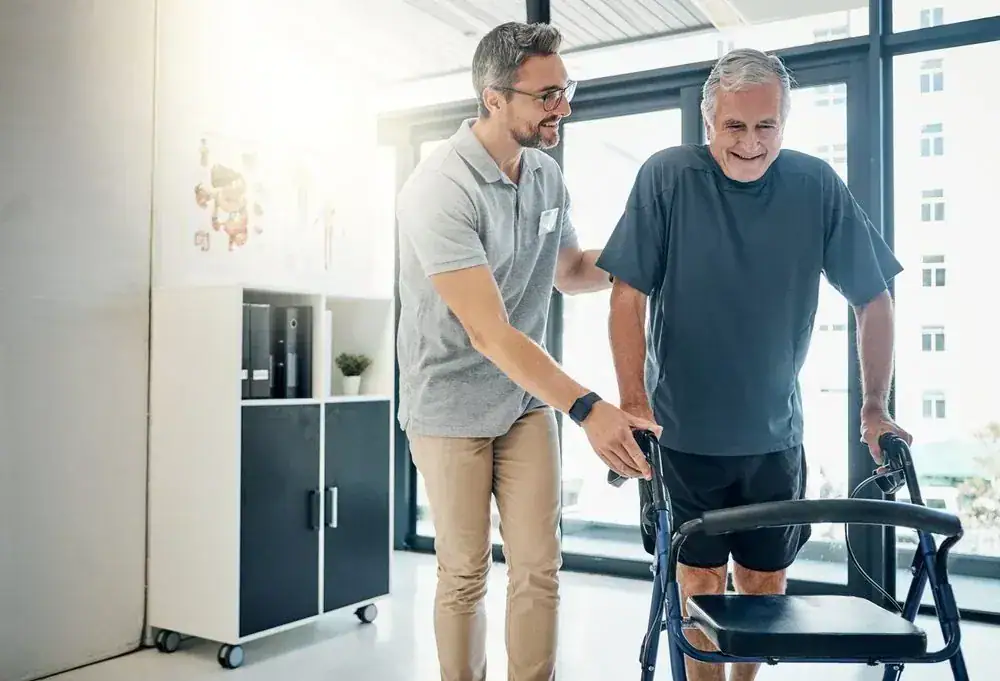
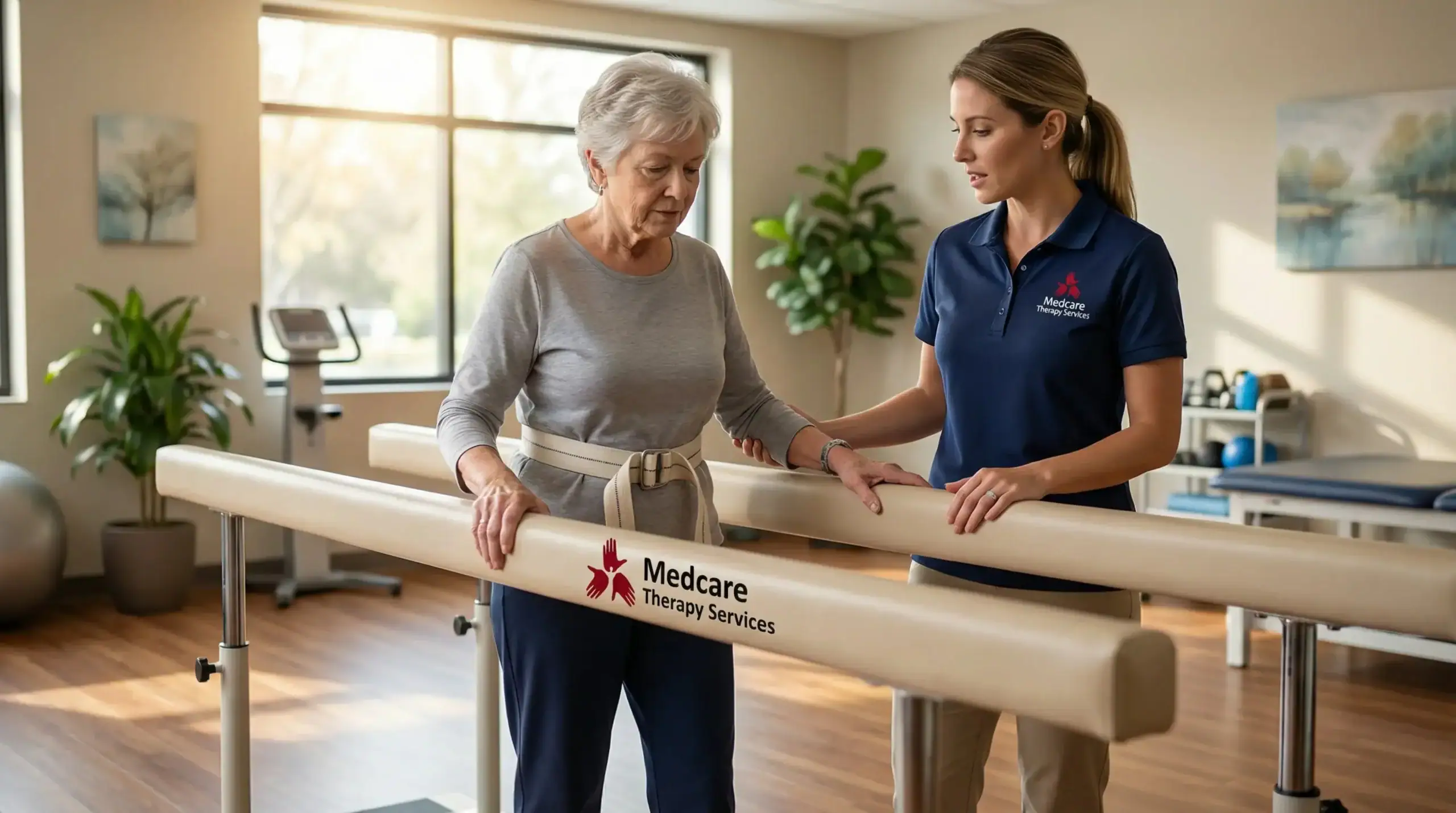
You stop second-guessing every step. Getting up from a chair doesn’t require a strategy. Walking to the mailbox or navigating your bathroom at night becomes automatic again, not something you plan around.
That fear sitting in the back of your mind—the one that keeps you from doing things you used to do without thinking—starts to fade. You’re not avoiding stairs or holding onto furniture just to move through your own home.
Better balance means you can stay in your home longer, on your terms. It means fewer trips to the emergency room, less worry for your family, and more control over your daily life. One in four older adults falls every year on Long Island, but falls aren’t inevitable. They’re predictable, and with the right approach, they’re preventable.
When your balance improves, you’re not just reducing risk. You’re getting back to living without constantly calculating whether something is safe enough to try.
We’ve been helping people in Sayville and across Long Island stay strong, mobile, and independent for over two decades. We’re not new to this, and we’re not trying to reinvent the wheel.
Our therapists know what works because they’ve seen it work—thousands of times. We focus on fall prevention because we know what’s at stake. In Suffolk County alone, there are over 201,000 older adults, and too many of them end up in the hospital after a fall that could have been avoided.
We treat people in our clinics and in their homes. We work with your schedule, your insurance, and your specific risk factors. No referral needed for most plans. Same-day appointments are often available because we understand that when you’re ready to address this, waiting two weeks doesn’t help.
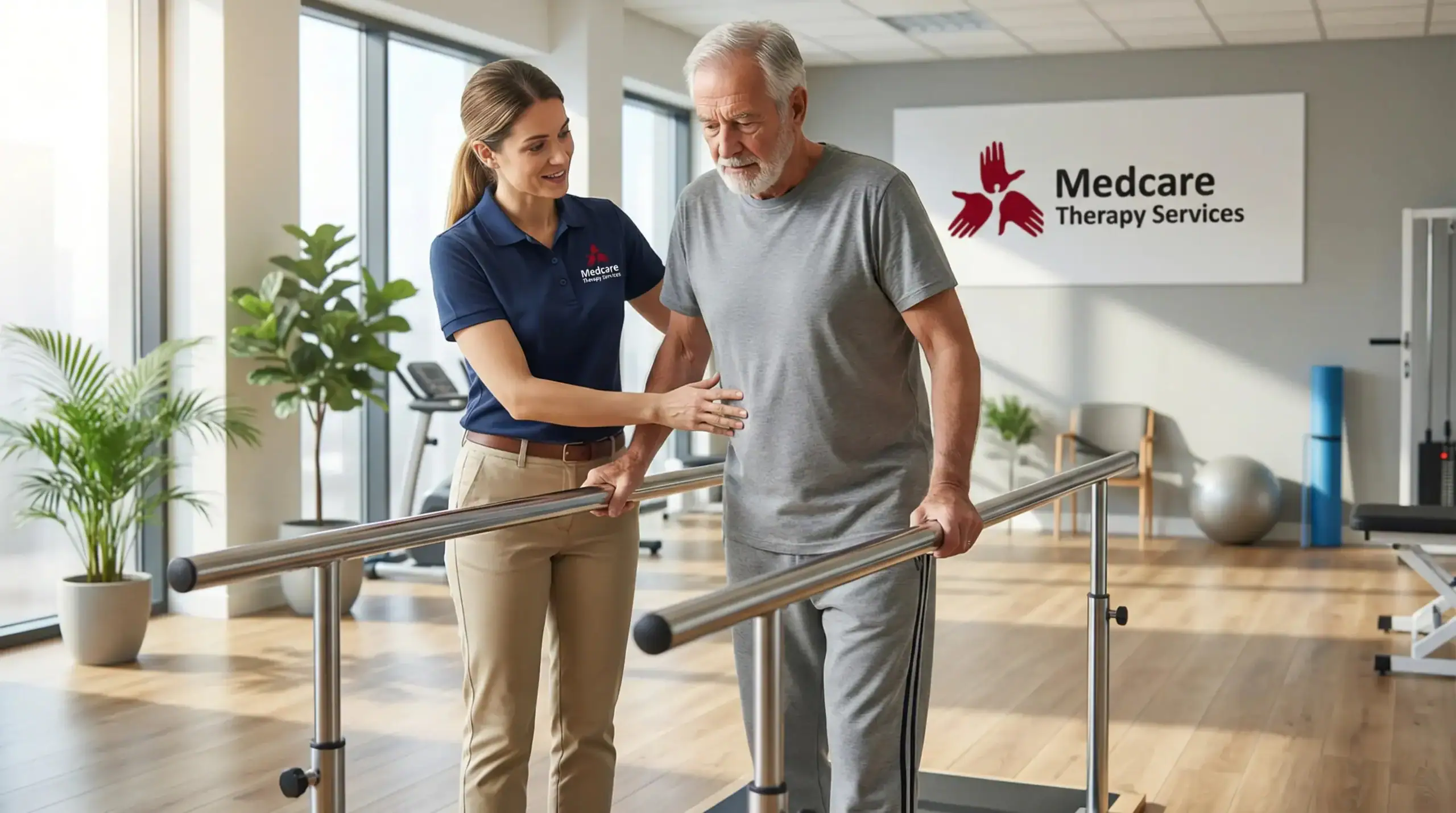
First, we assess where you’re actually at. Not where you think you should be or where you were five years ago—where you are right now. We look at your balance, your gait, your strength, your medications, and your home environment. We identify what’s putting you at risk.
Then we build a program around your specific needs. Maybe it’s strengthening your legs so you can get up from a chair without using your arms. Maybe it’s improving your reaction time so a misstep doesn’t turn into a fall. Maybe it’s retraining your body to catch itself when you lose balance.
You’ll do exercises designed for seniors—not generic gym routines, but targeted balance exercises that address the real reasons people fall. We progress at your pace, not some arbitrary timeline. Some people need a few weeks. Others benefit from ongoing maintenance.
We also look at your home. Sixty percent of fall-related hospitalizations happen at home, often because of things that are easy to fix—lighting, rugs, bathroom setup, clutter. We help you identify those hazards and make changes that actually reduce risk.

Ready to get started?
You get a full fall risk assessment that looks at everything—not just your physical abilities, but your medications, your vision, your footwear, and your living space. We’re looking for the real culprits, not just the obvious ones.
You’ll receive a customized exercise program focused on improving your balance, coordination, and strength. These are evidence-based senior balance exercises designed specifically to reduce fall risk. We’re not handing you a generic printout. Every program is built around what your body needs to be more stable.
Home safety evaluations are part of the process. We help you understand what in your environment is working against you. On Long Island, many homes have stairs, narrow hallways, and older layouts that weren’t designed with aging in place in mind. Small modifications make a big difference.
You’ll also get education and support for your family. If someone is helping care for you, they need to know what to watch for and how to help without taking over. We make sure everyone’s on the same page about keeping you safe and independent.
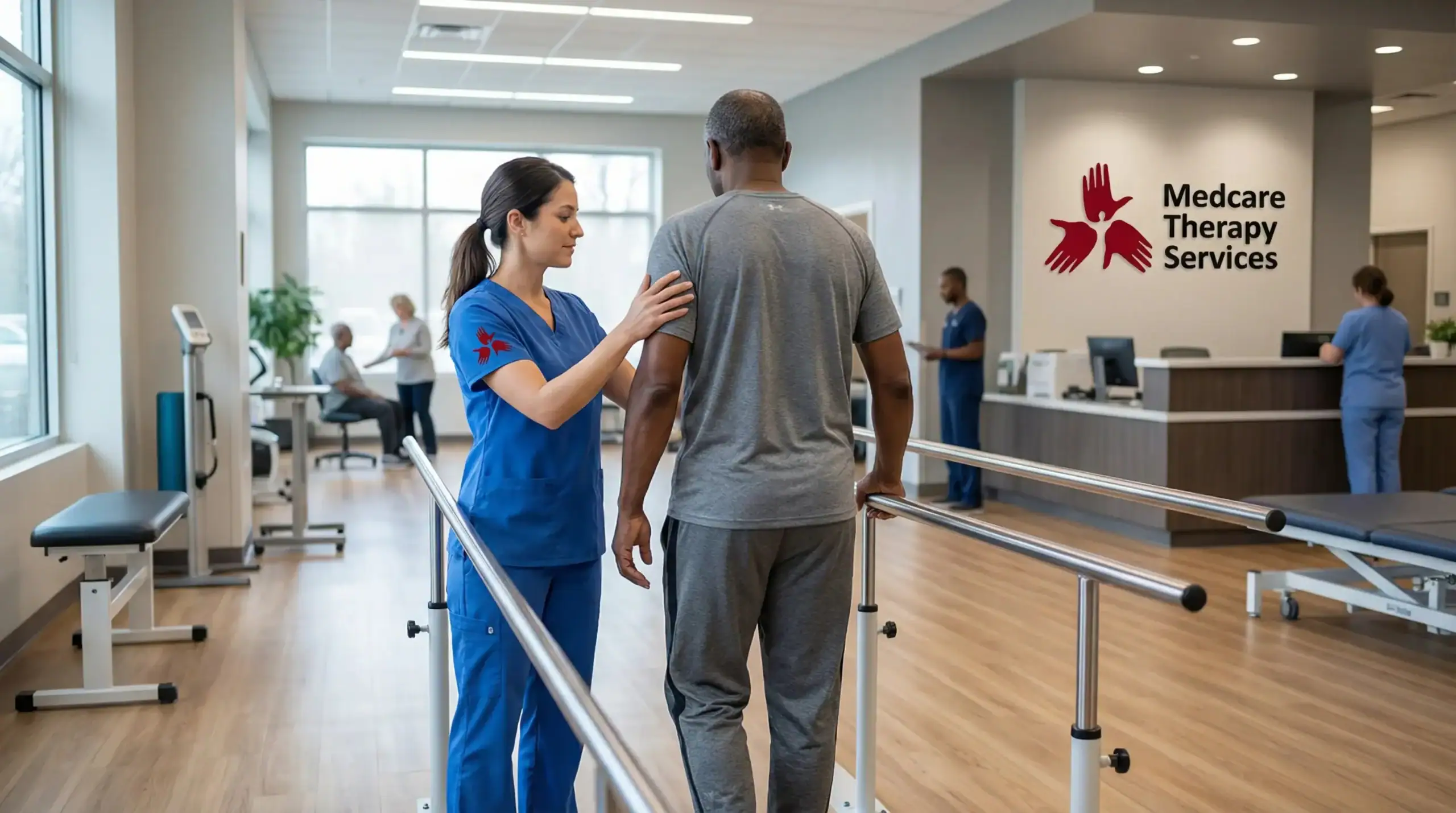
If you’ve fallen in the past year, you’re at higher risk. If you’re afraid of falling—even if you haven’t fallen yet—that fear alone increases your risk because it leads to less activity, which leads to weaker muscles and worse balance.
Taking four or more medications puts you at risk. Certain medications cause dizziness, drowsiness, or drops in blood pressure that make falls more likely. If you feel unsteady when you stand up, if you hold onto furniture when you walk around your house, or if you’ve noticed your balance isn’t what it used to be, those are signs worth paying attention to.
Age is a factor, but it’s not the whole story. Plenty of older adults have excellent balance. The difference is usually strength, activity level, and whether they’ve addressed risk factors early. We can do a formal fall risk assessment that measures your gait, balance, strength, and reaction time to give you a clear picture of where you stand.
You’ll do exercises that challenge your balance in controlled, safe ways. That might include standing on one leg, walking heel-to-toe, shifting your weight from side to side, or practicing getting up and down from a chair without using your hands.
We also work on strengthening your legs, hips, and core—the muscles that keep you upright and help you recover when you start to lose balance. Exercises might include sit-to-stands, step-ups, or resistance band work. Everything is adapted to your current ability level.
The goal is to retrain your body’s automatic responses. When you trip or stumble, your body needs to react fast enough to catch you. We work on improving that reaction time and building the strength to actually recover. These aren’t complicated movements, but they’re specific, and they work. Research shows that targeted balance training can reduce fall risk by up to 30 percent when done consistently.
Most insurance plans, including Medicare, cover physical therapy for balance and fall prevention when it’s medically necessary. You typically don’t need a referral to see us, though some plans require one.
Medicare Part B covers physical therapy when you have a condition that affects your balance or mobility—things like arthritis, previous falls, stroke recovery, or general weakness. You’ll have a copay or coinsurance depending on your plan, but the therapy itself is a covered service.
If you’re not sure what your plan covers, call us. We can verify your benefits before your first appointment so you know exactly what to expect. We work with most major insurance carriers on Long Island, and our staff handles the billing and authorization process. You shouldn’t have to navigate insurance paperwork on top of everything else.
It depends on where you’re starting and what your goals are. Some people see significant improvement in four to six weeks. Others need a few months, especially if they’re rebuilding strength after a period of inactivity or recovering from an injury.
We typically recommend two to three sessions per week at first, then taper down as you get stronger and more confident. The exercises we teach you aren’t just for the clinic—you’ll be doing them at home too. The more consistent you are, the faster you’ll see results.
Fall prevention isn’t a one-and-done thing. Even after you’ve completed a formal program, maintaining your balance and strength requires ongoing effort. Many people continue with a maintenance program or check in periodically to make sure they’re staying on track. The goal is long-term independence, not just a short-term fix.
We offer both. Some people prefer coming to one of our clinics in Sayville or nearby locations because they like the structure and the equipment. Others benefit more from in-home therapy, especially if getting to appointments is difficult or if we need to assess and address fall risks in your actual living environment.
In-home therapy makes sense if you’ve recently been discharged from the hospital, if you have mobility limitations that make travel challenging, or if your home setup is a big part of your fall risk. We can evaluate your space, identify hazards, and work with you in the environment where you actually spend your time.
Clinic-based therapy gives you access to specialized equipment and a dedicated space for focused work. Either way, you’re getting the same quality of care and the same evidence-based approach. We’ll help you figure out what makes the most sense for your situation during your initial assessment.
It’s not too late—it’s actually the most important time to start. If you’ve already fallen, your risk of falling again is higher, but that also means you have the most to gain from a fall prevention program.
After a fall, many people lose confidence. They start moving less, avoiding activities, and becoming more cautious in ways that actually make them weaker and more unsteady. That cycle leads to more falls. Physical therapy breaks that cycle by rebuilding your strength, improving your balance, and giving you practical strategies to move safely.
We also look at why you fell in the first place. Was it a trip hazard? A balance issue? Dizziness? Weakness? Once we know the cause, we can address it directly. Falls aren’t random bad luck—they happen for specific reasons, and those reasons can be fixed. The sooner you start, the better your chances of staying independent and avoiding another trip to the emergency room.
Other Services we provide in Sayville