
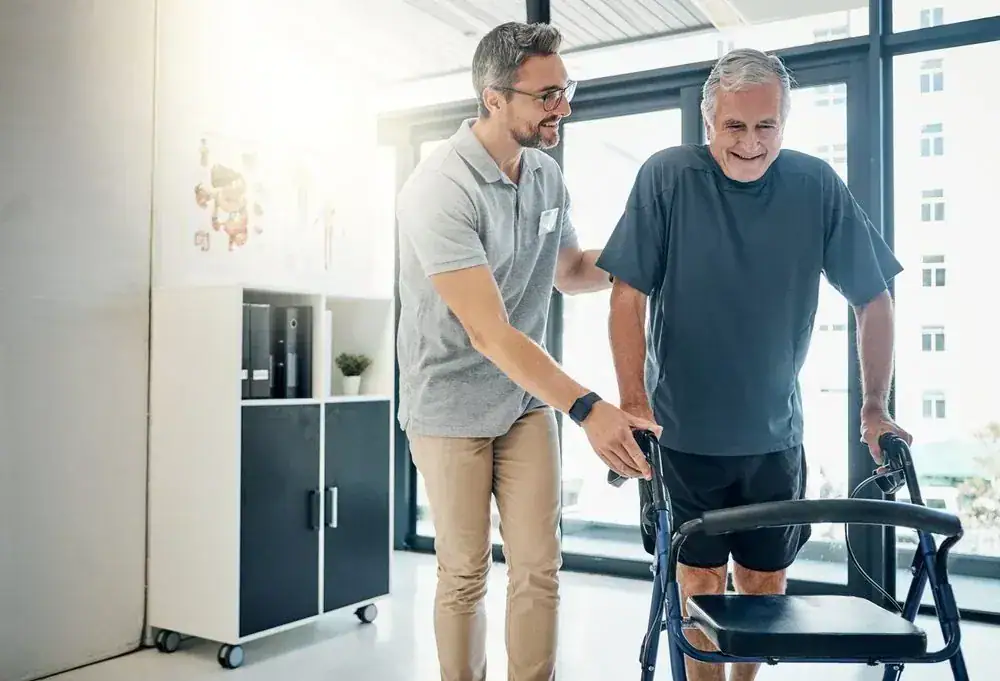
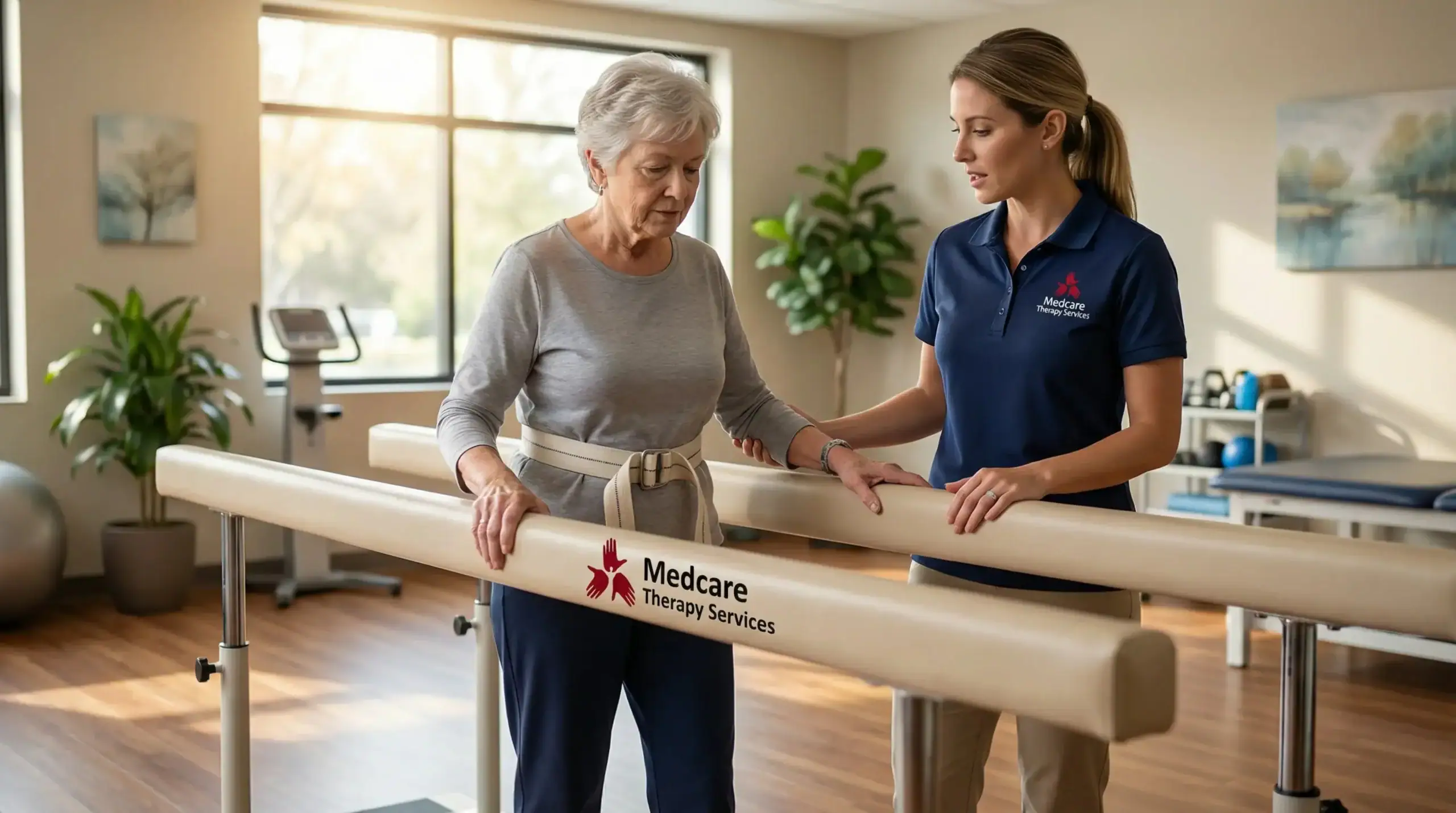
You’re not imagining it. Balance gets harder as you age, and the fear of falling can make you avoid the activities you love.
Here’s what matters: falls aren’t inevitable. Research shows that targeted balance exercises for seniors and strength training can reduce your fall risk by 30% to 50%. That’s not a small number when you consider what’s at stake—your independence, your ability to stay in your own home, your peace of mind.
We work with you one-on-one to build strength in your legs, improve your balance, and teach you how to move safely through your day. You’ll learn exercises designed specifically for older adults who’ve fallen before or feel unsteady when walking. The Otago exercise program we use has been studied extensively and consistently shows real results—not just in a lab, but in people’s actual lives.
This isn’t about becoming an athlete. It’s about walking to the mailbox without worry, getting up from a chair without hesitation, and moving through your home with the confidence you used to have.
We’ve been serving Nassau County and Suffolk County for over a decade. We’re licensed, we accept Medicare, and we specialize in keeping older adults safe and independent at home.
Here’s something you should know about Sands Point and the surrounding North Shore communities: your neighbors are at higher risk than most. Long Island ranks 4th and 5th statewide for fall-related incidents. That’s not meant to scare you—it’s meant to show you why proactive care matters here more than almost anywhere else in New York.
We bring physical therapy directly to your home because we know getting to an office isn’t always easy. And frankly, you shouldn’t have to. Your therapist will assess your specific risk factors, design a program that fits your abilities, and work with you in the environment where you actually live.
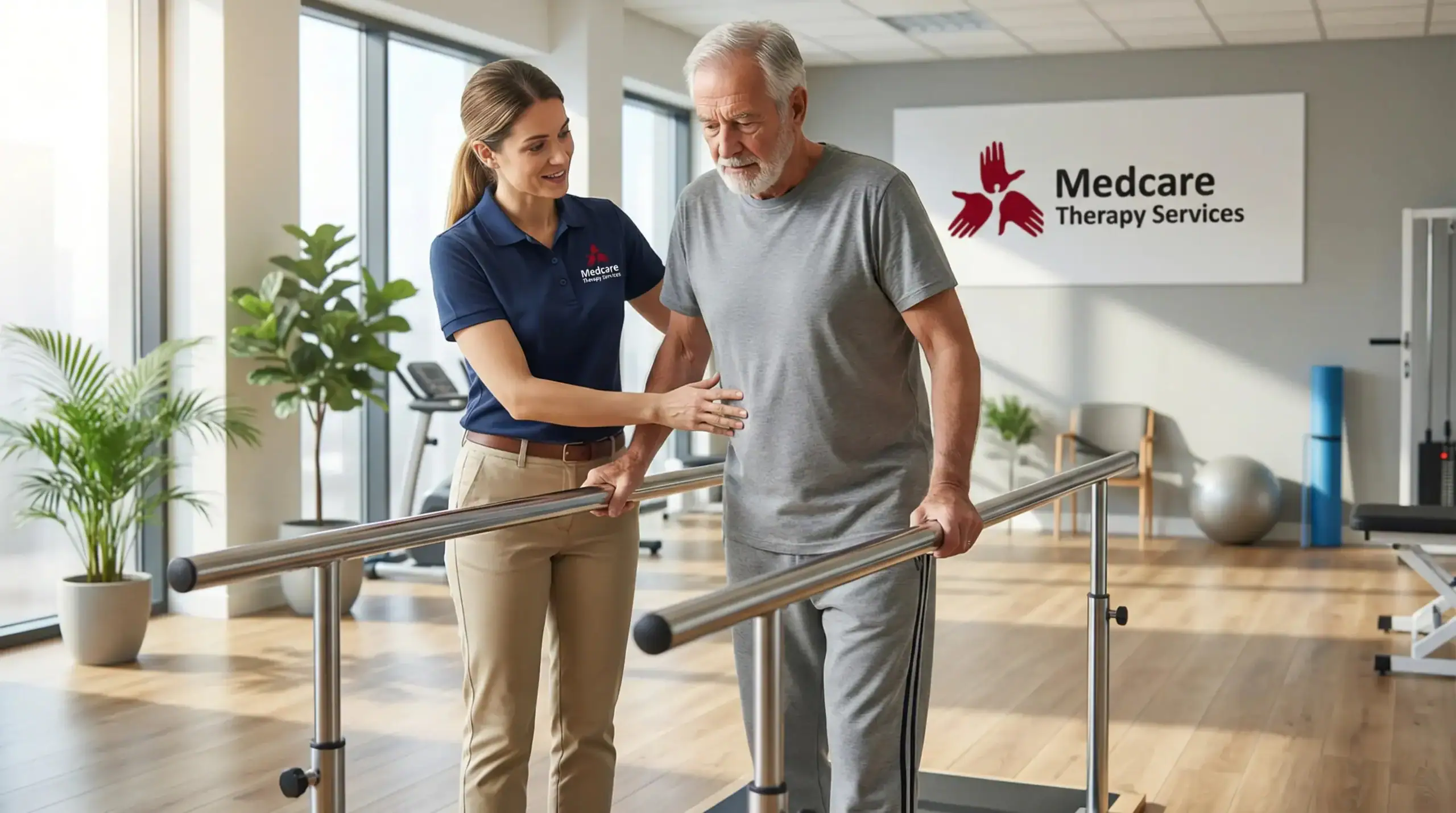
Your therapist will come to your home and start with a thorough fall risk assessment. They’ll watch how you walk, test your balance, check your leg strength, and ask about any falls or close calls you’ve had recently.
From there, they’ll design a program specifically for you. That usually includes strength training exercises to build up your legs, balance exercises to improve stability, and gait training to help you walk more safely. If you’re on multiple medications or have vision issues, they’ll factor that in too—falls are rarely caused by just one thing.
You’ll typically do exercises three times a week. Some you’ll do with your therapist, others on your own. They’ll also look at your home environment and suggest modifications—things like removing tripping hazards, improving lighting, or adding grab bars where they’ll actually help.
Most people start seeing improvements within a few weeks. You’ll notice you feel steadier on your feet, more confident moving around, and less worried about losing your balance. That’s when the program really starts to pay off—not just physically, but in how you feel about your day-to-day life.

Ready to get started?
You’ll get a licensed physical therapist who comes to your home on a schedule that works for you. Every session is one-on-one—no shared appointments, no distractions.
The program includes 17 strength and balance exercises from the Otago protocol, which is one of the most researched fall prevention methods available. Your therapist will teach you each exercise, watch your form, and adjust the difficulty as you get stronger. You’ll also get a personalized home exercise plan you can follow between visits.
We accept Medicare and most commercial insurance plans, so cost shouldn’t be a barrier. In New York, you can start physical therapy without a prescription for up to 30 days or 10 visits, which means you don’t have to wait for a doctor’s referral to get started.
Here’s something else that matters in Sands Point specifically: falls among older adults in Nassau County lead to over 78,000 hospitalizations statewide each year. The average cost of a fall-related injury in 2022 was part of $80 billion in healthcare spending. Compare that to the cost of prevention, and the math is pretty clear. You’re not just protecting your health—you’re protecting your finances and your family from the disruption a serious fall can cause.
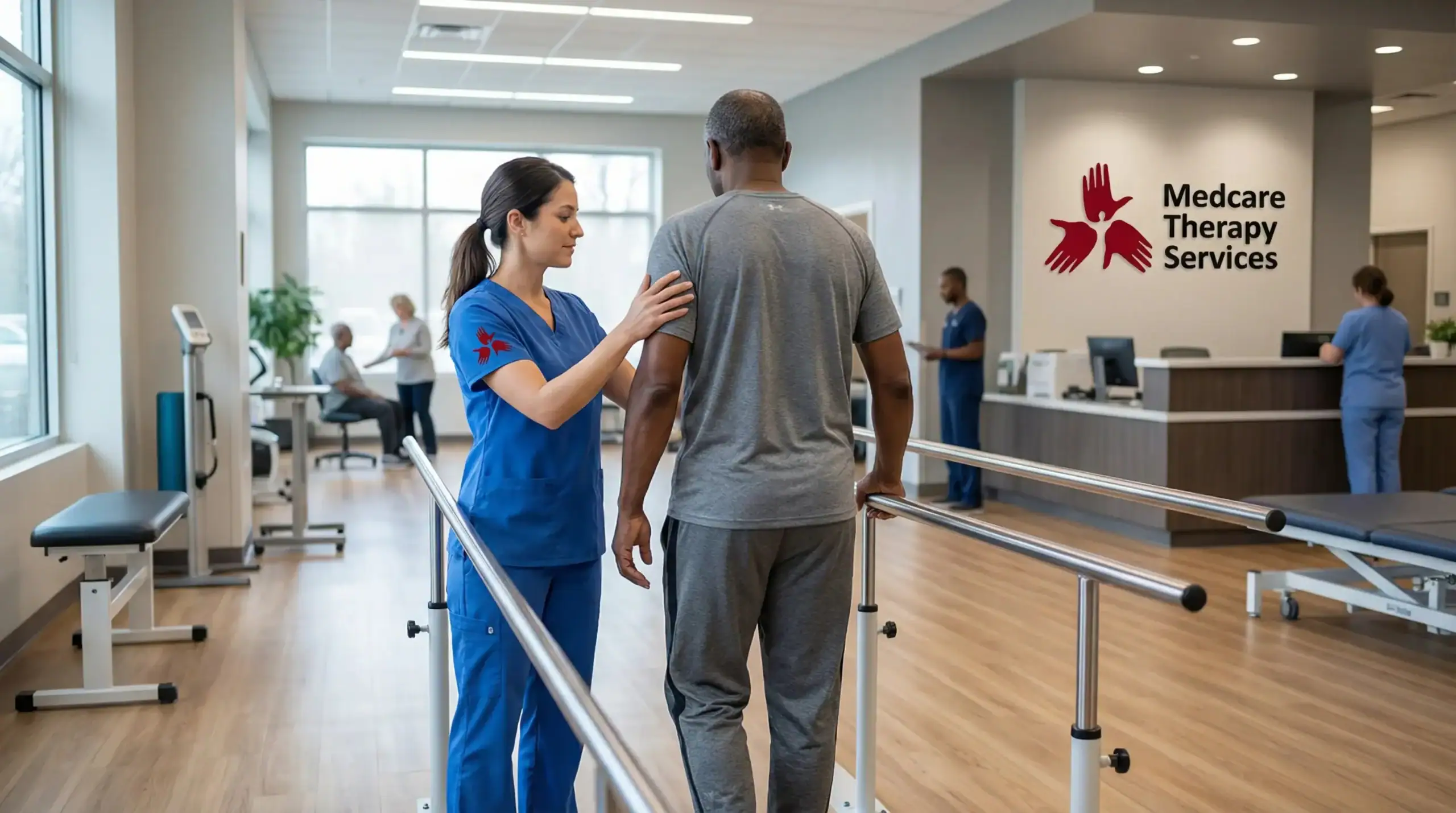
If you’ve fallen in the past year, you’re at higher risk. If you feel unsteady when you walk or need to hold onto furniture to move around your home, that’s another sign.
Other risk factors include taking four or more prescription medications, having vision problems, experiencing dizziness, or noticing that your legs feel weaker than they used to. Even fear of falling counts—it often leads people to move less, which actually makes falls more likely because your muscles get weaker and your balance gets worse.
We can do a formal fall risk assessment that measures your balance, strength, and gait. It’s objective, it’s quick, and it’ll tell you exactly where you stand. From there, you’ll know whether you need intervention now or just some preventive exercises to stay strong.
The Otago program was specifically designed for older adults who have fallen or are at risk of falling. It’s not a generic fitness routine—it’s a targeted intervention that’s been tested in multiple large-scale studies.
The program focuses on 17 exercises that improve leg strength and balance, which are the two biggest factors in preventing falls. You do them three times a week, and they’re progressed gradually based on your ability. What makes it effective is the combination: strength and balance together, done consistently, with proper form.
Research shows this program reduces falls by about 35% in people who stick with it. That’s a meaningful difference. It’s also designed to be done at home with minimal equipment, so you’re not dependent on a gym or special machines. We’ll teach you the exercises and make sure you’re doing them safely and correctly.
Yes. Medicare Part B covers outpatient physical therapy, including home-based services, when it’s medically necessary. Fall prevention and balance training qualify.
You’ll need to meet Medicare’s homebound criteria, which means leaving home requires considerable effort due to illness, injury, or disability. Most older adults who are at risk for falls meet this definition. If you do, Medicare will cover the cost of a physical therapist coming to your home.
There may be a copay depending on your specific plan, but the bulk of the cost is covered. We handle the billing directly with Medicare, so you don’t have to navigate the paperwork yourself. And remember, in New York you can start therapy without a doctor’s prescription for up to 10 visits, which speeds up the process considerably.
Most people work with a therapist for 8 to 12 weeks, but it varies based on your starting point and goals. Some people need more time, others less.
The first few weeks focus on assessment, education, and learning the exercises. You’ll work with your therapist one-on-one during visits, and you’ll practice on your own between sessions. As you get stronger and more confident, the frequency of visits usually decreases.
The goal isn’t to keep you in therapy forever. It’s to teach you what you need to know, build up your strength and balance, and give you the tools to maintain those gains on your own. Many people continue doing their exercises independently after therapy ends because they feel the difference and want to keep it up.
It’s not too late. In fact, having fallen recently is one of the strongest indicators that you need fall prevention therapy now.
After a fall, your risk of falling again increases significantly—partly due to physical factors like reduced strength or balance, and partly due to psychological factors like fear and reduced activity. The sooner you address both, the better your outcome.
Our physical therapy after a fall focuses on rebuilding strength, improving balance, and restoring confidence in your movement. We’ll also help you understand what caused the fall in the first place so you can prevent it from happening again. Many people who’ve fallen are afraid to move, which makes everything worse. Therapy helps you move safely again, which is the only real path back to independence.
No. Prevention is just as important as recovery, maybe more so.
If you’re noticing changes in your balance, strength, or confidence when you move, that’s the right time to start. You don’t have to wait until you fall to take action. In fact, starting before a fall happens gives you the best chance of avoiding one altogether.
We work with people across the spectrum—those who’ve never fallen but want to stay strong, those who’ve had a close call, and those recovering from a fall-related injury. The program adapts to where you are. If you’re in Sands Point or anywhere in Nassau County and you’re thinking about your balance or fall risk, that’s reason enough to reach out. Early intervention works, and it’s a lot less disruptive than dealing with a fall after it happens.
Other Services we provide in Sands Point