
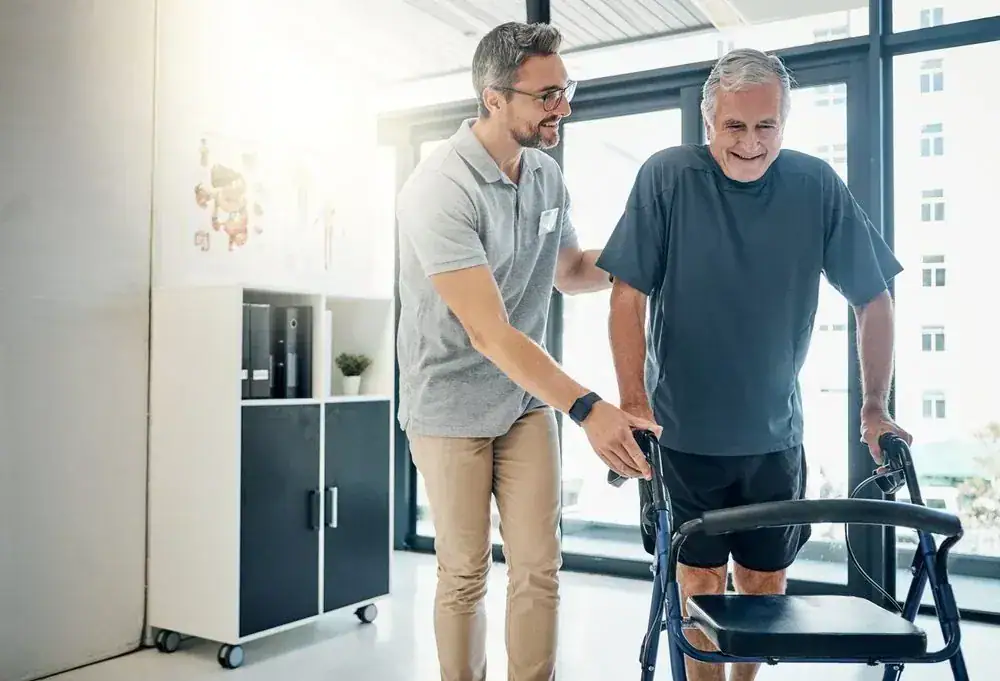
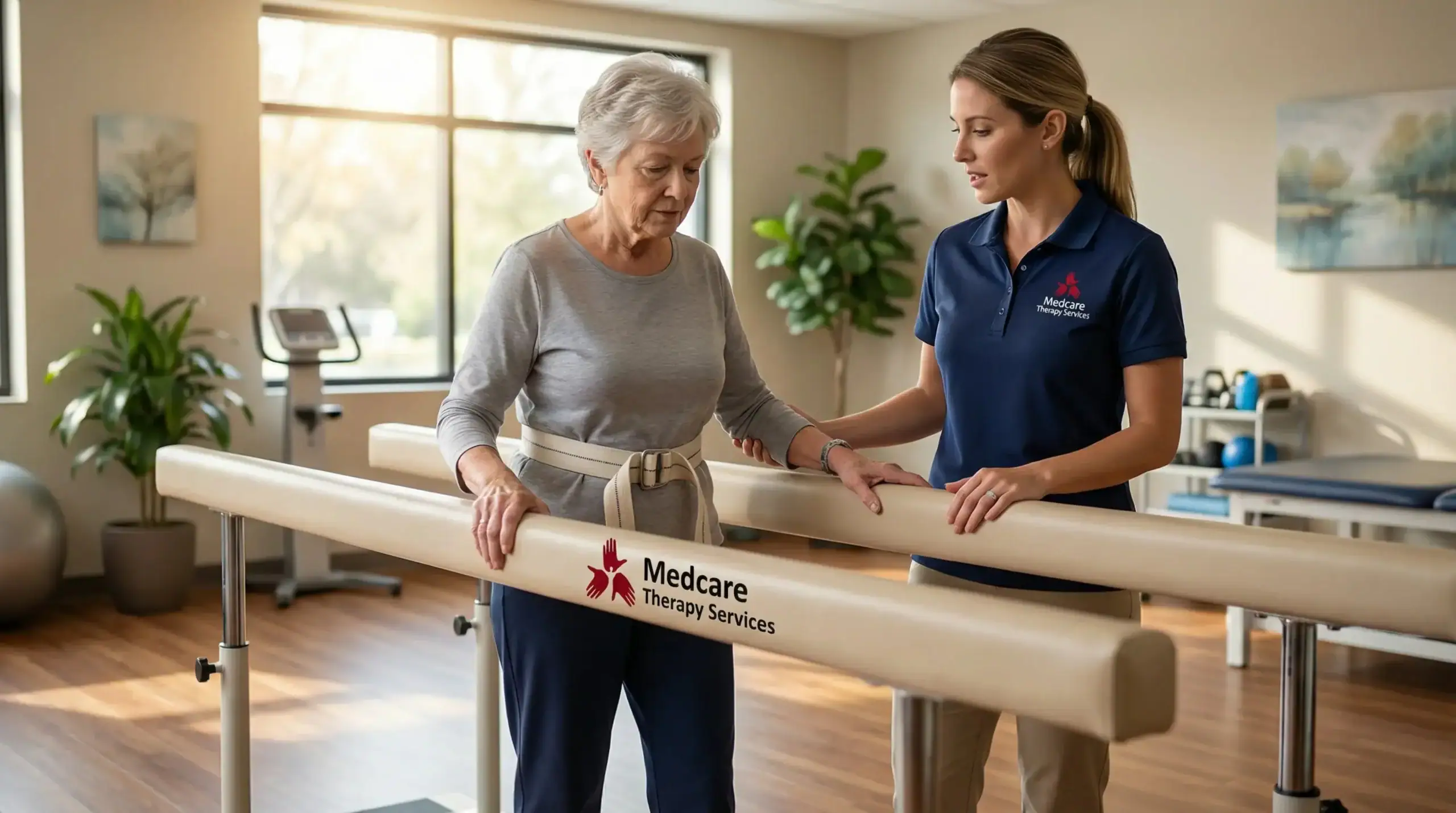
You stop second-guessing every step. Getting up from a chair doesn’t feel risky anymore. Walking to the mailbox or navigating your bathroom becomes automatic again, not something you have to plan around.
That’s what happens when you address balance problems with the right kind of physical therapy. Your legs get stronger. Your core stabilizes. Your coordination sharpens. You’re not just preventing falls—you’re reclaiming the ability to live in your own home on your own terms.
Most people don’t realize how much fear controls their movement until they start to feel steady again. Once that happens, you’re not avoiding activities or depending on others as much. You’re doing more because you can, and that shift changes everything about how you experience daily life.
We’ve been serving Roosevelt and the surrounding Nassau County communities for years. We’re not a corporate chain. We’re local therapists who understand what it’s like to navigate Long Island’s older housing stock, the split-level homes, the narrow staircases, the uneven sidewalks that make falls more likely here than in newer developments.
Our team works with Medicare and most insurance plans, so cost doesn’t have to be a barrier. We focus on personalized treatment plans because what works for one person won’t work for another. Your balance issues might stem from inner ear problems, muscle weakness, medication side effects, or a combination of factors. We figure out what’s actually going on before we start treatment.

You start with a fall risk assessment. We look at your strength, balance, gait, coordination, and any dizziness or vestibular issues. We also talk about your home environment and what daily activities feel unsafe right now.
From there, we build a treatment plan specific to you. That usually includes strengthening exercises for your legs and core, balance training that challenges your stability in controlled ways, and gait training to improve how you walk. If you have inner ear problems causing dizziness, we use vestibular rehabilitation techniques to address that directly.
Sessions typically happen two to three times per week. You’ll also get exercises to do at home because consistency matters more than intensity when you’re rebuilding stability. As you progress, we adjust the program to keep challenging you without putting you at risk.
We also make recommendations about your home setup—grab bars, lighting, clutter removal, footwear—because preventing falls isn’t just about your body. It’s about reducing hazards in the spaces where you spend your time.

Ready to get started?
Every session is one-on-one with a licensed physical therapist. You’re not in a group class or working with an aide. You get direct attention focused on your specific limitations and goals.
The exercises we use aren’t random. They’re evidence-based interventions proven to reduce fall risk in older adults. That includes weight-bearing exercises to strengthen bones, functional movement training so you can get in and out of cars or bathtubs safely, and proprioception work to improve your body’s awareness of where it is in space.
For Roosevelt residents, we also consider the local environment. Many of our patients deal with older homes that weren’t built with aging in place in mind. We give you practical strategies for navigating stairs, dealing with poor lighting, and managing outdoor terrain that isn’t always even or well-maintained.
You’ll also learn how to get up if you do fall, which reduces the risk of lying on the floor for hours unable to get help. That’s a real concern for people living alone, and it’s something we address directly because fear of falling often does more damage than an actual fall.

If you’ve fallen in the past year, you need it. Falling once doubles your chance of falling again, and each fall increases your risk of serious injury.
But you don’t have to wait for a fall. If you feel unsteady when you walk, if you grab onto furniture or walls for support, if you’ve stopped doing activities because you’re afraid you’ll lose your balance—those are signs that your stability has declined enough to put you at risk. Dizziness, trouble getting up from a chair, or a noticeable shuffle in your gait are also red flags.
The CDC reports that one in four adults over 65 falls each year, but less than half talk to their doctor about it. Most people assume it’s just part of aging. It’s not. Balance and strength decline with age, but that decline can be slowed, stopped, and often reversed with the right intervention. Physical therapy for balance problems is covered by Medicare for a reason—it works, and it’s far less expensive than treating a hip fracture or head injury.
Yes, in most cases. Medicare Part B covers physical therapy when it’s medically necessary to treat a condition like balance problems, gait abnormalities, or muscle weakness that increases fall risk. Medicare Advantage plans typically cover it as well.
You’ll need a referral or prescription from your doctor, but that’s usually straightforward if you’ve had a fall or if your doctor has documented balance or mobility concerns. Private insurance plans also generally cover physical therapy for fall prevention, though your copay and the number of approved sessions will vary by plan.
We handle insurance verification and can tell you what your out-of-pocket cost will be before you start treatment. If you’re close to meeting your deductible or if you have secondary insurance, that can affect your costs too. The key is that fall prevention isn’t considered elective or preventive care in the way that wellness visits are—it’s treating an actual medical issue, which is why insurance covers it.
Most people notice a difference within four to six weeks if they’re consistent with therapy and home exercises. That doesn’t mean you’re done at six weeks—it means you start feeling steadier, more confident, and less fearful about movement.
Full improvement usually takes two to three months of regular sessions. How fast you progress depends on your starting point, any underlying health conditions, and how much you’re able to practice between sessions. Someone who’s been sedentary for years will take longer than someone who’s generally active but recently developed balance issues.
The goal isn’t just short-term improvement. It’s building strength and stability that lasts. That’s why we don’t just work on balance—we work on the strength, coordination, and movement patterns that support balance. Once you’ve completed the initial treatment plan, many people continue with a maintenance program or transition to exercises they can do independently at home to keep their progress.
That’s actually one of the most important times to start fall prevention therapy. After a fall, your risk of falling again goes up significantly, especially if the fall resulted in a fracture or if you developed a fear of falling that’s limiting your activity.
We work with people recovering from hip fractures, wrist fractures, and other fall-related injuries all the time. The therapy plan addresses both your recovery from the injury and the underlying issues that caused the fall in the first place. That might mean starting with gentle range-of-motion work and gradually building up to weight-bearing exercises and balance training as you heal.
Fear of falling is just as important to address as the physical factors. It’s common to become overly cautious after a fall, which leads to reduced activity, which leads to further muscle weakness and balance decline. We help you rebuild confidence in a controlled environment so you can safely increase your activity level without putting yourself at unnecessary risk.
Yes. Vestibular rehabilitation is a specialized type of physical therapy designed specifically for dizziness, vertigo, and inner ear problems that affect balance. It’s highly effective for conditions like benign paroxysmal positional vertigo (BPPV), vestibular neuritis, and age-related vestibular decline.
The treatment involves specific head and eye movements that help your brain compensate for inner ear dysfunction. It sounds simple, but these exercises can dramatically reduce dizziness and improve your ability to maintain balance during head movements, which is critical for preventing falls.
If your dizziness is caused by something other than vestibular issues—like low blood pressure, medication side effects, or neurological conditions—we’ll identify that during the assessment and either adjust the treatment approach or refer you back to your doctor for additional evaluation. But for vestibular-related dizziness, physical therapy is often the most effective treatment available, and it doesn’t involve medication or surgery.
We’re local, we take insurance, and we don’t rush you through appointments. You get one-on-one time with a licensed therapist every session, not five minutes of face time and 25 minutes with an aide running you through a generic exercise sheet.
Our team has extensive experience with fall prevention and balance disorders. We’ve worked with hundreds of Roosevelt and Nassau County residents, so we understand the specific challenges of aging in this area—the housing stock, the climate, the lifestyle factors that affect mobility and safety.
We also manage our operations carefully. That means your records are secure, your appointments are reliable, and you’re not dealing with administrative chaos or sudden changes in staff. We’ve been doing this long enough to know that consistency matters, especially when you’re working with older adults who need stability in their care routine. You’ll see the same therapist, follow a clear plan, and know exactly what to expect each time you come in.
Other Services we provide in Roosevelt