
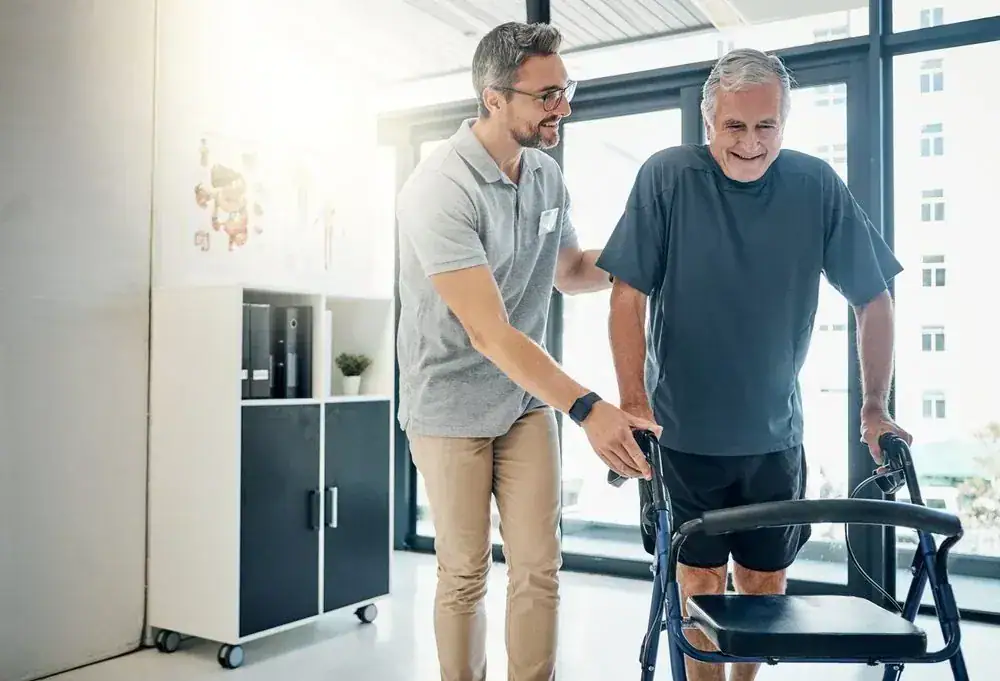
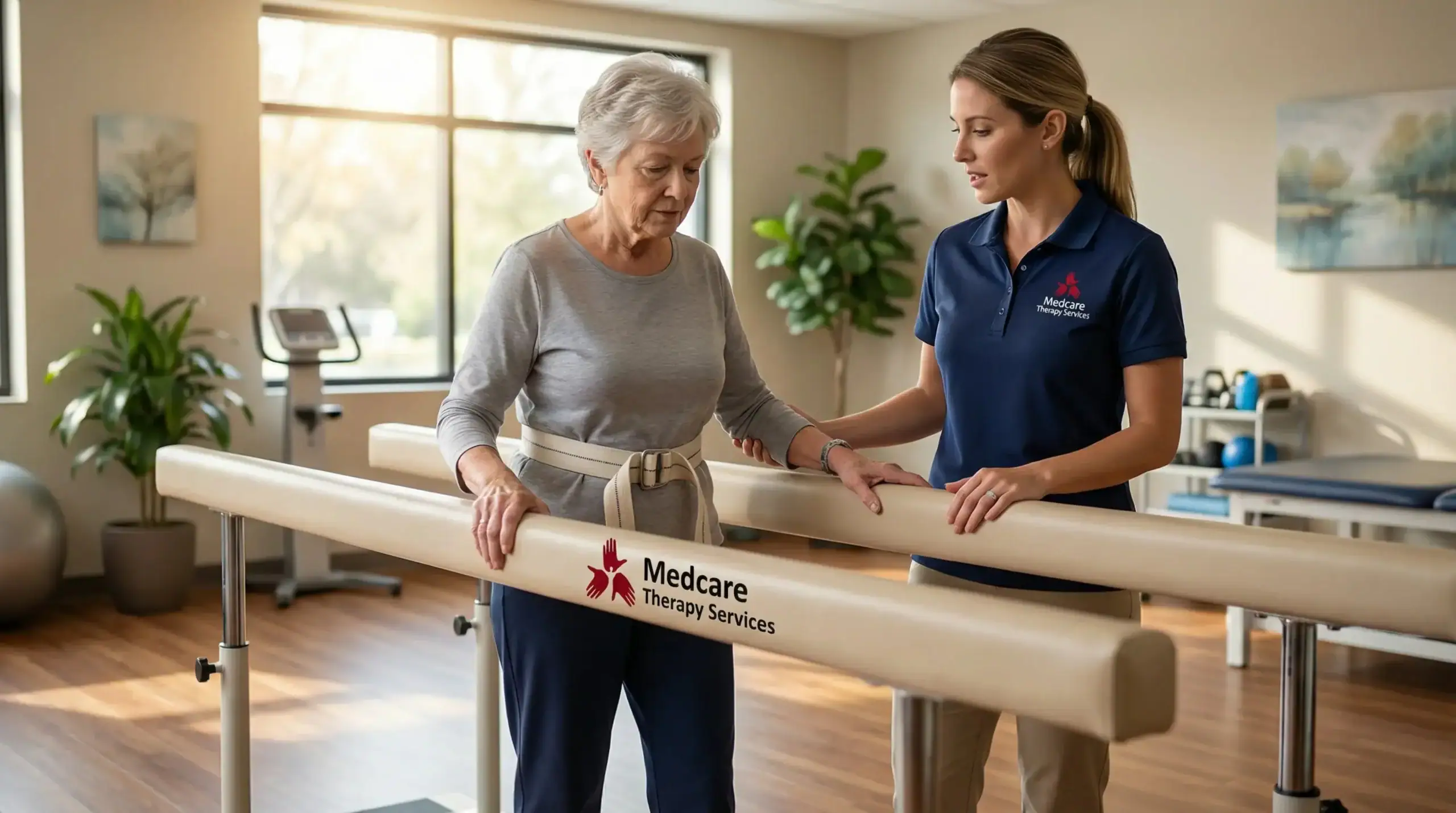
You’re not imagining it. Your balance isn’t what it used to be, and that changes everything—how you move around your house, whether you go outside, even how you feel about getting out of bed.
One in four adults over 65 falls each year. Most of those falls happen at home. And once you’ve fallen—or even come close—that fear doesn’t just go away on its own.
Physical therapy for balance works because it addresses what’s actually causing the problem: weak legs, poor coordination, slow reaction time. Senior balance exercises rebuild the strength and stability you’ve lost. You start moving with more control. Your confidence comes back. And the fear that’s been holding you back starts to fade.
This isn’t about avoiding life. It’s about getting back to it. Walking to the mailbox. Reaching for something on a shelf. Standing in the shower without gripping the wall. These are the things that matter, and they’re exactly what fall prevention therapy is designed to protect.
We’ve been treating Long Island seniors since 2010. We bring licensed physical and occupational therapists directly to your home in Poquott, NY, so you don’t have to worry about transportation, waiting rooms, or trying to fit into someone else’s schedule.
We know Poquott. It’s a quiet, aging-in-place community where people want to stay in their own homes as long as possible. That’s exactly who we’re built to serve.
We accept Medicare and nearly all commercial insurance. Every treatment plan is personalized based on your medical history, your current abilities, and what you actually want to be able to do. You’re not a protocol. You’re a person, and we treat you like one.
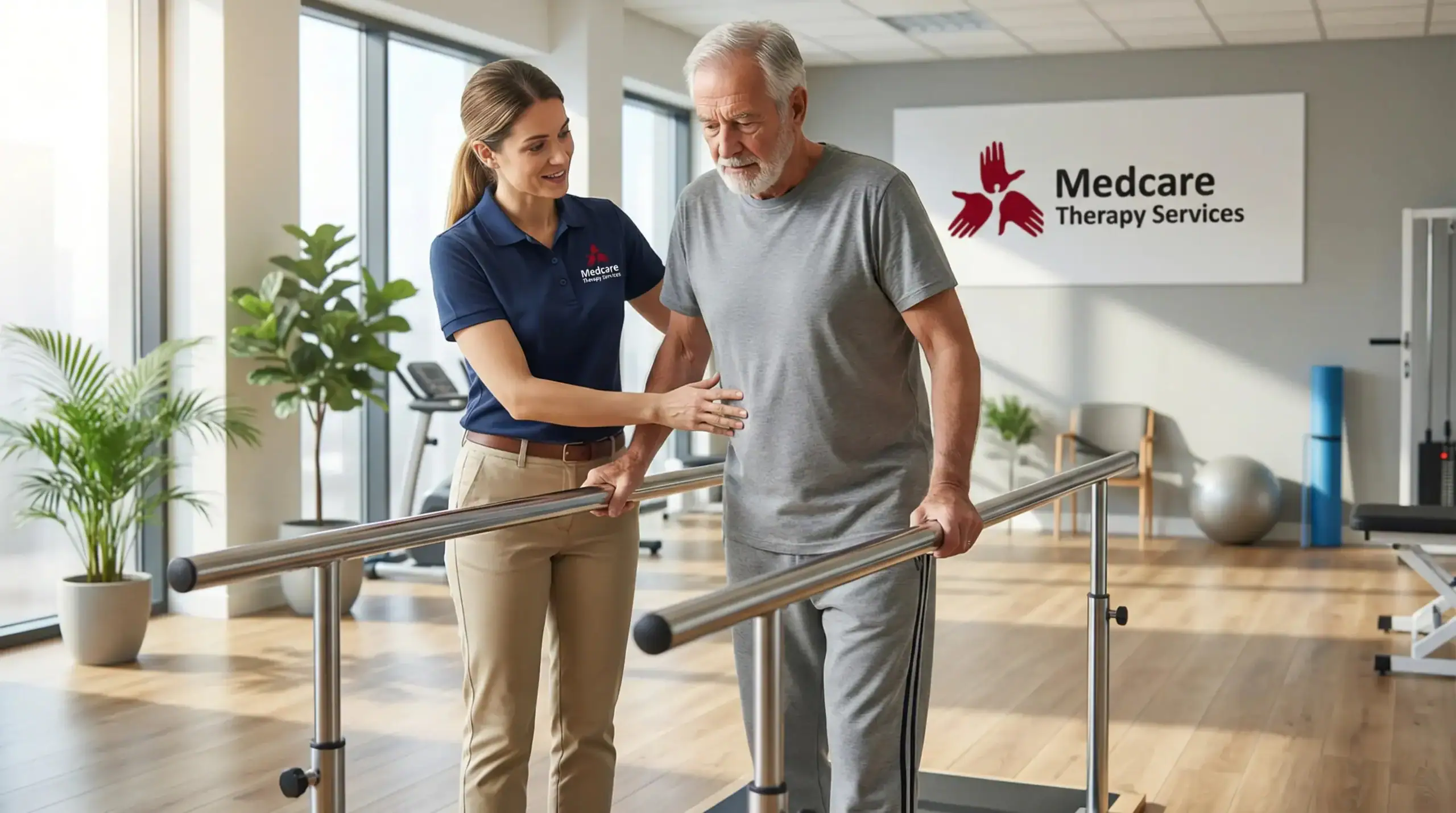
First, we assess your fall risk. That means looking at your strength, your balance, your gait, your home environment, and your medical history. We’re not guessing—we’re measuring where the actual risks are.
Then we build a plan. It might include lower extremity strengthening exercises to make your legs more stable. Balance training to improve your coordination and reaction time. Gait training so you walk more confidently. And home safety recommendations to remove hazards you might not even notice.
You do the work at home, with a therapist guiding you through every session. We adjust as you improve. Some people need a few weeks. Others benefit from ongoing maintenance. It depends on where you’re starting and what your goals are.
The outcome is measurable. Studies show that fall prevention interventions reduce fall risk by 30 to 35 percent. You’ll feel it before you see the numbers—more stability, less hesitation, fewer close calls.

Ready to get started?
Every fall prevention program we offer includes a full fall risk assessment, personalized balance exercises for seniors, and strength training focused on your legs and core. These aren’t generic exercises—they’re chosen based on what your body actually needs.
You’ll also get gait training if your walking pattern puts you at risk, and occupational therapy if you need help with daily tasks like getting dressed, bathing, or moving around your kitchen safely. We look at your whole routine, not just one piece of it.
Nassau County, where Poquott sits, ranks fourth in New York State for fall-related incidents. Eighty-eight percent of injury hospitalizations for adults over 65 here are due to falls. Most happen at home—on stairs, in bathrooms, or just walking across a room. We address the specifics: loose rugs, poor lighting, clutter, uneven flooring, slippery surfaces.
If you’ve already fallen, we help you rebuild strength and confidence. If you haven’t, we help you stay ahead of it. Either way, the goal is the same: keep you safe, independent, and moving on your own terms.
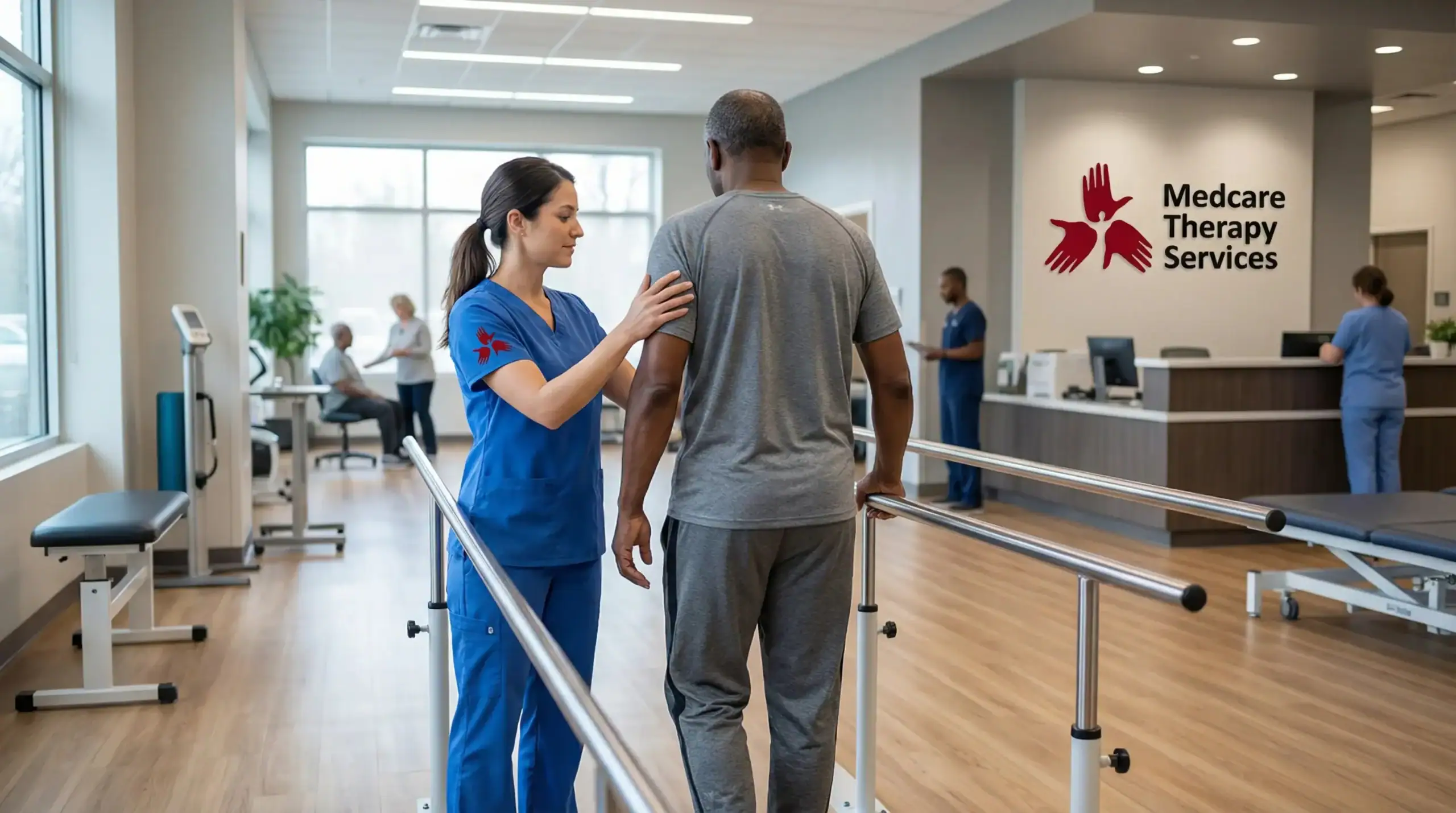
You’re at higher risk if you’ve fallen before, even if you didn’t get hurt. You’re also at risk if you feel unsteady when you walk, if you avoid certain activities because you’re afraid of falling, or if you’ve noticed your balance isn’t as sharp as it used to be.
Other red flags: you take medications that cause dizziness, you have vision problems, you’ve lost strength in your legs, or you have conditions like arthritis, diabetes, or Parkinson’s. Even things like wearing the wrong shoes or having clutter in your hallways can increase your risk.
A fall risk assessment gives you a clear answer. We test your balance, your leg strength, how you walk, and how quickly you react when you start to lose your footing. Then we tell you exactly where the risks are and what we can do about them.
It depends on your starting point, but most programs include exercises that challenge your stability in a controlled way. That might mean standing on one leg, shifting your weight side to side, or walking heel to toe in a straight line.
You’ll also do strengthening exercises—things like sit-to-stand repetitions, leg lifts, or step-ups. Stronger legs mean better balance. We might add exercises that improve your reaction time, like catching a ball while standing or turning your head while walking.
Everything is adapted to what you can handle right now. If you need to hold onto a counter at first, that’s fine. As you get stronger, we make it harder. The goal is to push you just enough that you improve, but not so much that you feel unsafe. You’re always in control.
Yes. Medicare Part B covers outpatient physical therapy and occupational therapy when it’s medically necessary, and fall prevention absolutely qualifies. You’ll need a referral from your doctor, but once that’s in place, we handle the rest.
We also accept nearly all commercial insurance plans. If you’re not sure what your plan covers, we can check for you before we start. Most people are surprised by how much is covered, especially when therapy is done at home.
There may be a copay or deductible depending on your plan, but you won’t be hit with surprise costs. We’re upfront about what you’ll owe, and we work with you to make sure the financial side is clear before your first session.
Most people notice a difference within a few weeks. You might feel more stable when you stand up, or more confident when you walk across a room. Small improvements add up quickly.
That said, everyone’s timeline is different. If you’re recovering from a fall or dealing with a condition that affects your mobility, it might take longer. If you’re relatively active but just want to reduce your risk, you might see results faster.
The research backs this up: balance training programs show measurable improvements in strength, stability, and fall risk reduction within four to twelve weeks. But the real marker isn’t a number on a test—it’s whether you feel safer and more independent in your daily life. That’s what we’re tracking.
That fear is real, and it’s one of the biggest reasons people stop doing the things they love. You start avoiding stairs, or you stop going outside, or you hold onto furniture even when you don’t need to. That fear can be just as limiting as the fall itself.
Fall prevention therapy addresses both the physical and the psychological side. We rebuild your strength and balance so you’re actually more stable. But we also help you regain confidence by showing you—through repetition and progress—that you can move safely.
You’re not going to be pushed into anything that feels dangerous. We start where you are, and we build from there. The goal is to prove to yourself that you’re stronger than you think, and that falling again isn’t inevitable. With the right training, your risk drops significantly, and that fear starts to lose its grip.
In-home therapy removes every barrier that makes clinic-based care hard: transportation, scheduling around someone else’s availability, sitting in a waiting room, and trying to replicate exercises in a gym that don’t match your actual home environment.
When we come to you in Poquott, NY, we see the real challenges. The stairs you actually use. The bathroom where you’re most at risk. The rugs, the lighting, the layout. We can address those specifics in real time, and you get to practice the movements that matter in the place where they matter most.
You also get one-on-one attention for the full session. No distractions, no splitting time with other patients. It’s just you and a licensed therapist who’s focused entirely on your progress. For a lot of people, that makes all the difference.
Other Services we provide in Poquott