
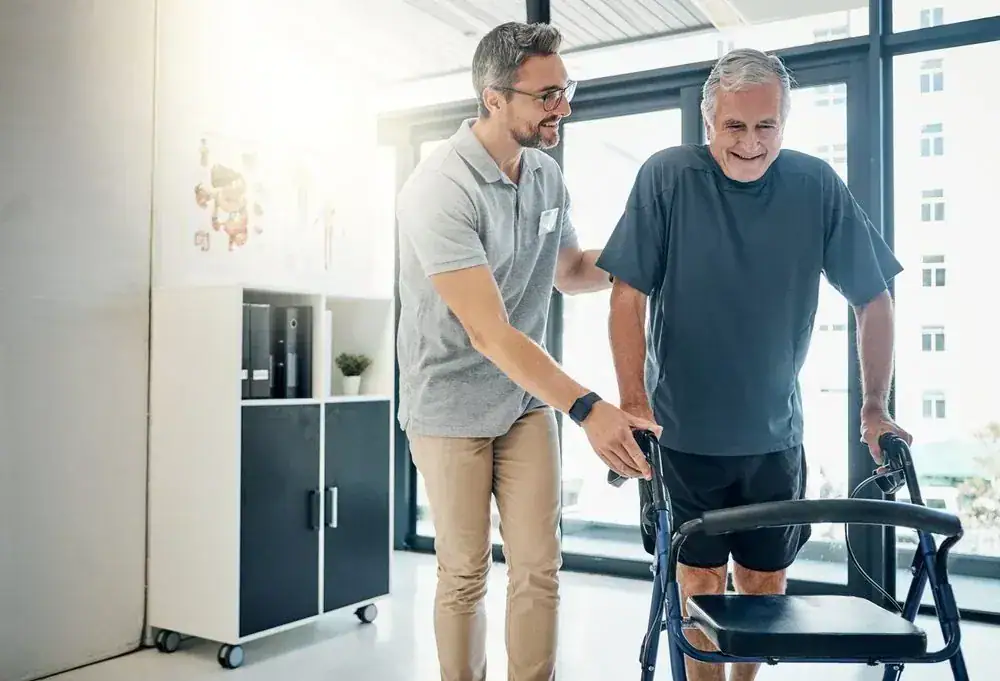
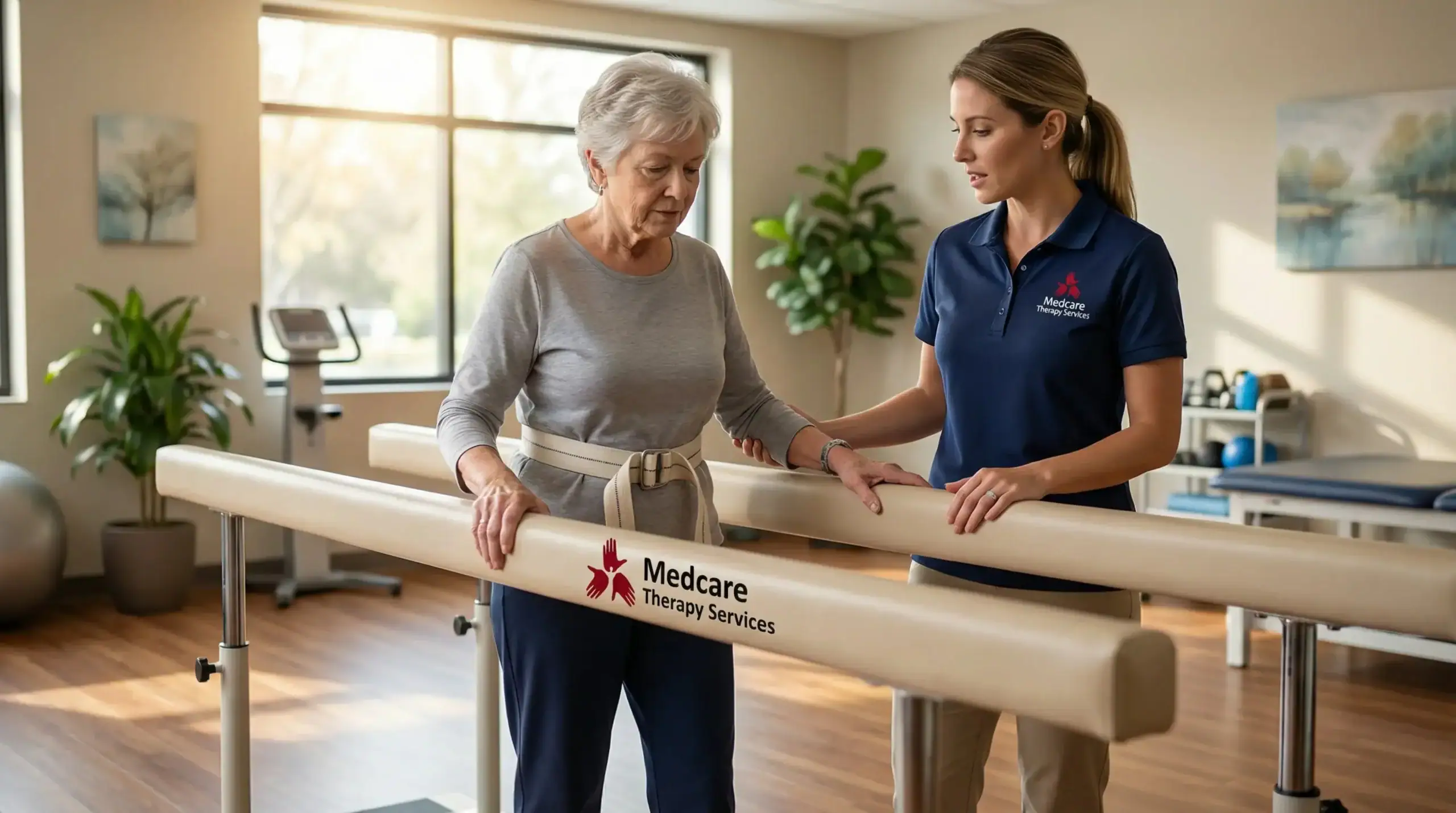
You’ve already changed how you live. Maybe you avoid the stairs now, or you hold onto furniture when no one’s looking. You might have stopped going to the store alone, or you’ve turned down invitations because you’re worried about uneven pavement or crowded rooms.
That’s not aging. That’s fear taking over. And it doesn’t have to.
Fall prevention therapy helps you rebuild the strength, balance, and coordination that make movement feel secure again. You’ll notice it first in small ways: standing up without bracing yourself, walking to the mailbox without planning your route, getting through the day without that constant low-level worry. Over time, those small wins add up to something bigger—the ability to live on your terms, not your limitations.
Research shows that targeted balance exercises for seniors can reduce fall risk by 23% to 35%. But the real outcome isn’t a statistic. It’s being able to say yes again—to plans, to movement, to the life you want.
We’ve been providing physical therapy across Long Island for over a decade. We work with seniors in Plandome, Great Neck, Manhasset, and surrounding Nassau County communities—people who want to stay independent but need help getting there.
Our therapists come to your home. No commute, no waiting room, no trying to navigate an unfamiliar clinic when you’re already feeling unsteady. We assess your fall risk, build a plan based on your goals and current abilities, and work with you one-on-one to make real progress.
Plandome has one of the highest concentrations of older adults on Long Island, and Nassau County ranks fourth in New York State for fall-related incidents. We know this area, and we know what’s at stake. You’re not just another appointment—you’re someone who deserves to feel safe in your own home.
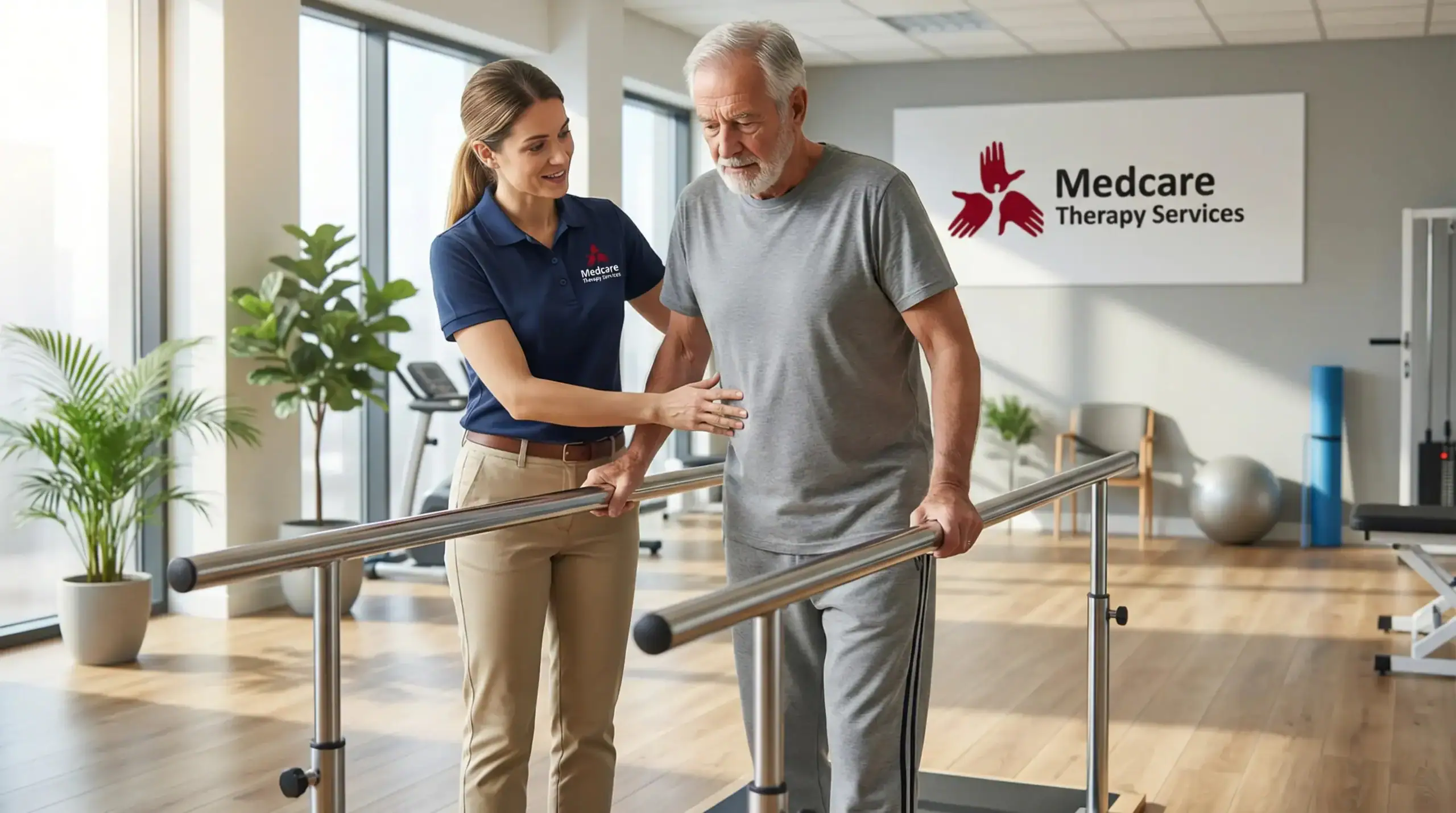
First, we come to your home and do a full fall risk assessment. We look at your medical history, your current strength and balance, any medications that might affect stability, and the layout of your space. We’re not just checking boxes—we’re figuring out what’s actually putting you at risk.
From there, we build a personalized plan. That might include strength training to stabilize your legs and core, balance exercises to improve your reaction time, gait training to help you walk more confidently, or flexibility work to keep your joints mobile. Everything is tailored to where you are now and where you want to be.
Sessions happen in your home, on your schedule. You’ll work with the same therapist each time, so there’s continuity and trust. We track your progress, adjust the plan as you improve, and keep you moving forward. Most people start noticing a difference within a few weeks—better posture, steadier movement, less fear.
We also accept Medicare and most commercial insurance, so cost doesn’t have to be a barrier. This is about making fall prevention accessible, not complicated.

Ready to get started?
You get a licensed physical therapist who specializes in fall prevention and works with older adults every day. You get a detailed assessment that looks at strength, balance, gait, vision, medication side effects, and home safety. You get a treatment plan that’s specific to your body and your goals—not a generic handout.
Your sessions include exercises that target the muscles and systems that keep you upright: your legs, your core, your ankles, your reaction time. We use evidence-based techniques like single-leg stands, heel-to-toe walking, sit-to-stand drills, and weight shifting. If you’ve had a fall before, we also work on building your confidence back up, because fear of falling can be just as limiting as the physical risk.
In Nassau County, 88% of injury hospitalizations for adults over 65 are caused by falls. Long Island ranks significantly higher than the state average for fall-related incidents. This isn’t a minor issue here—it’s one of the biggest threats to independence for older adults in this area. That’s why we take it seriously, and why we focus on real, measurable outcomes: fewer falls, stronger movement, more confidence.
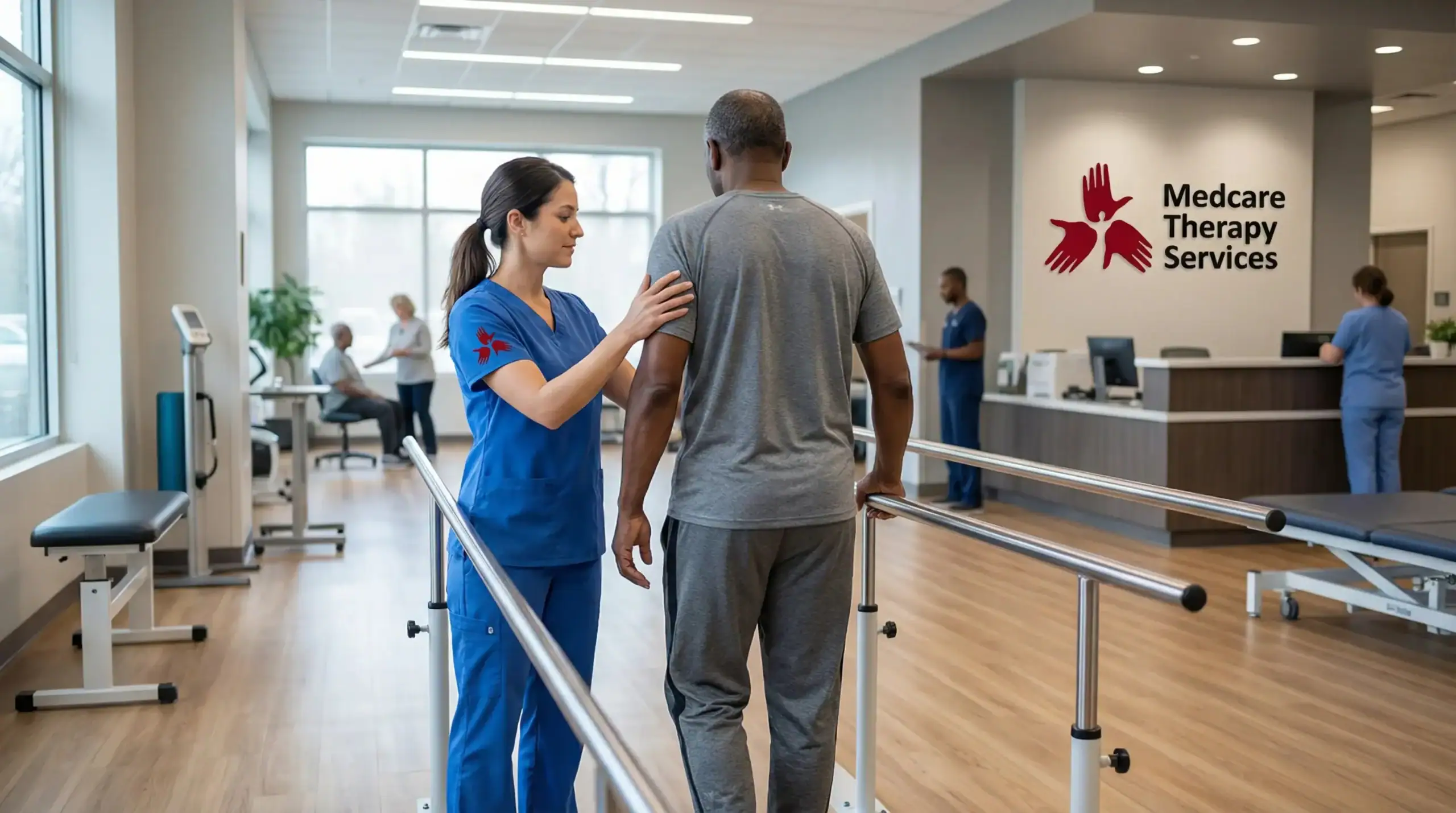
If you’ve fallen in the past year, you need it. If you’ve had a close call or felt unsteady more than once, you probably need it. If you’re avoiding certain activities because you’re worried about falling, that’s another sign.
Other red flags: you use your hands to push yourself up from a chair, you feel dizzy when you stand, you shuffle your feet instead of taking full steps, or you’ve noticed your balance isn’t what it used to be. Even if you haven’t fallen yet, these are all indicators that your fall risk is higher than it should be.
A physical therapist can do a formal assessment and give you a clear answer. But if you’re asking the question, that’s usually enough reason to at least get evaluated. Waiting until after a fall means you’re already dealing with injury, pain, and recovery. Prevention is always easier than rehab.
We start with your medical history: previous falls, surgeries, chronic conditions like arthritis or neuropathy, medications that might affect balance or blood pressure. Then we move into physical testing—how you stand, how you walk, how you handle changes in direction or surface.
We check your strength, especially in your legs and core. We test your balance in different positions: eyes open, eyes closed, on one foot, on uneven surfaces. We look at your gait pattern to see if you’re compensating in ways that increase fall risk. We also assess your home environment—lighting, rugs, stairs, bathroom setup—because a lot of falls happen because of hazards you don’t even notice anymore.
The whole process takes about an hour, and at the end, you’ll know exactly where you stand and what needs to change. It’s not about scaring you—it’s about giving you a clear picture so you can make informed decisions about your safety and independence.
Balance exercises reduce fall risk by 23% to 24% according to multiple studies. When you combine them with strength training, that number goes up to 30% to 35%. These aren’t small improvements—they’re the difference between staying independent and ending up in the hospital.
The reason it works is simple: falls happen when your body can’t react fast enough to a loss of balance. Maybe you trip on a rug, or you turn too quickly, or you step off a curb wrong. If your muscles are strong and your balance system is trained, your body corrects itself before you go down. If not, you fall.
Senior balance exercises train your body to respond faster and more effectively. They also build the muscle endurance you need to stay upright when you’re tired or distracted. It’s not magic—it’s just consistent, targeted work that addresses the specific systems that keep you stable. And yes, it works. We see it every week with the people we treat.
Yes. Medicare Part B covers outpatient physical therapy when it’s medically necessary, and fall prevention absolutely qualifies if you have a documented fall risk. That includes a history of falls, balance problems, gait issues, or conditions like stroke, Parkinson’s, or arthritis that affect your stability.
You’ll need a referral from your doctor in most cases, but that’s usually straightforward. Your physician documents your fall risk, writes the referral, and we handle the rest. Medicare typically covers a significant portion of the cost, and most supplemental plans cover what’s left.
We also accept most commercial insurance plans. Every policy is different, so we verify your coverage before you start. The goal is to make this accessible, not to create financial stress. If cost is a concern, bring it up during your initial call. We’ll walk you through what’s covered and what your out-of-pocket responsibility will be, so there are no surprises.
Most people start noticing improvements within three to four weeks. You might feel steadier when you stand up, or you might notice you’re not grabbing onto things as much. Those early wins matter because they build confidence, and confidence is a huge part of fall prevention.
Significant, measurable progress usually takes eight to twelve weeks of consistent therapy. That’s when you see real changes in strength, balance, and movement patterns. Some people need more time depending on their starting point, and some people continue with maintenance sessions after the initial program to keep their gains.
The timeline also depends on how often you practice between sessions. We give you exercises to do on your own, and the people who do them regularly improve faster. This isn’t something we do to you—it’s something we do with you. The more engaged you are, the better your results. But even if you only do what we do together in your sessions, you’ll still see progress. It just might take a little longer.
That fear is real, and it’s one of the biggest obstacles we help people work through. About one-third of older adults develop a fear of falling after a fall, and that fear often leads to avoiding activity, which makes you weaker and actually increases your fall risk. It’s a vicious cycle.
We address the physical side and the psychological side. Physically, we rebuild your strength and balance so your body is more capable of catching you if you stumble. Psychologically, we work on exposure and confidence-building—gradually reintroducing movements and activities in a controlled, safe way so you can prove to yourself that you’re capable.
You’re not going to go from terrified to fearless overnight. But you will go from avoiding stairs to using them again. From staying home to going out. From feeling fragile to feeling functional. We’ve worked with hundreds of people in Plandome, NY and across Nassau County who felt exactly the way you do right now, and they got their lives back. You can too.
Other Services we provide in Plandome