
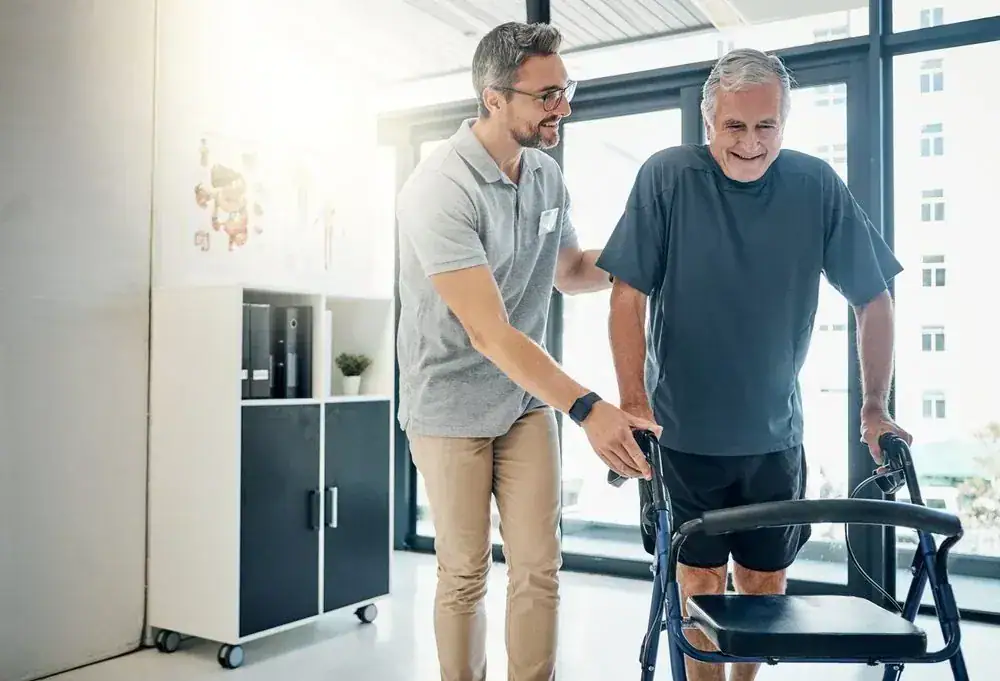
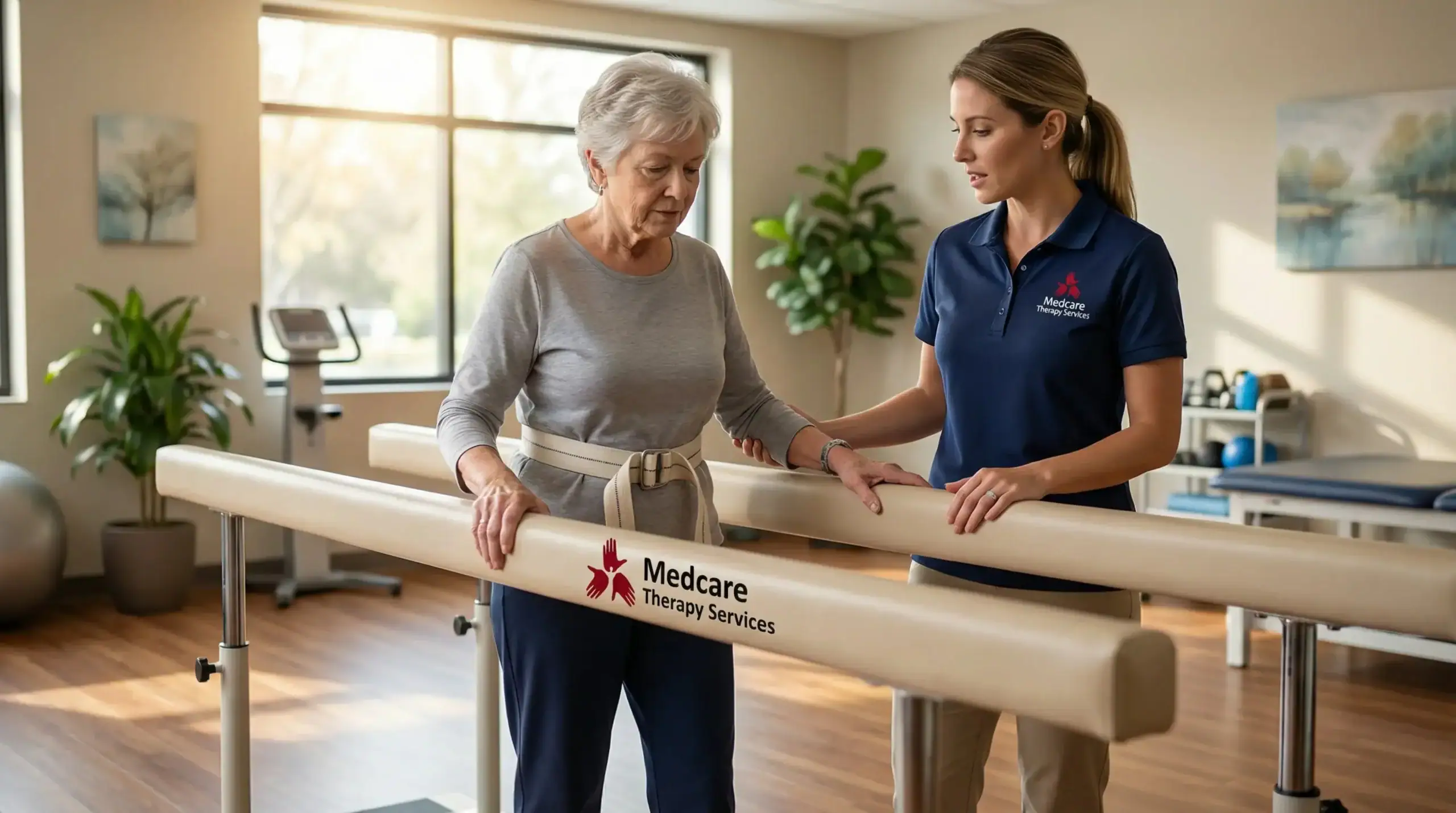
You stop second-guessing every step. Walking to the mailbox, getting up in the middle of the night, reaching for something on a shelf—these don’t have to feel risky anymore.
When your balance improves, so does your confidence. You’re not avoiding activities because you’re worried about falling. You’re not relying on someone else to do things you used to handle on your own.
Physical therapy for balance focuses on strengthening the muscles that keep you stable, training your body to react when you lose your footing, and building the kind of coordination that makes everyday movement feel natural again. It’s not about perfection. It’s about function, independence, and feeling steady in your own home.
For older adults in Peconic and across Long Island, that shift matters. It’s the difference between wondering if you can age in place and knowing you can.
We’ve been providing in-home physical and occupational therapy across Suffolk and Nassau Counties for over a decade. We work with older adults who want to stay home, stay mobile, and avoid the transportation hassle that comes with traditional clinic visits.
Our therapists are Medicare-certified and trained specifically in fall prevention and balance training for seniors. We don’t treat you like a number. Every session is built around your goals, your home environment, and what you actually need to feel safer day-to-day.
Peconic and the surrounding North Fork communities have unique needs—longer distances between services, fewer public transit options, and a population that values independence. We get that. That’s why we come to you.
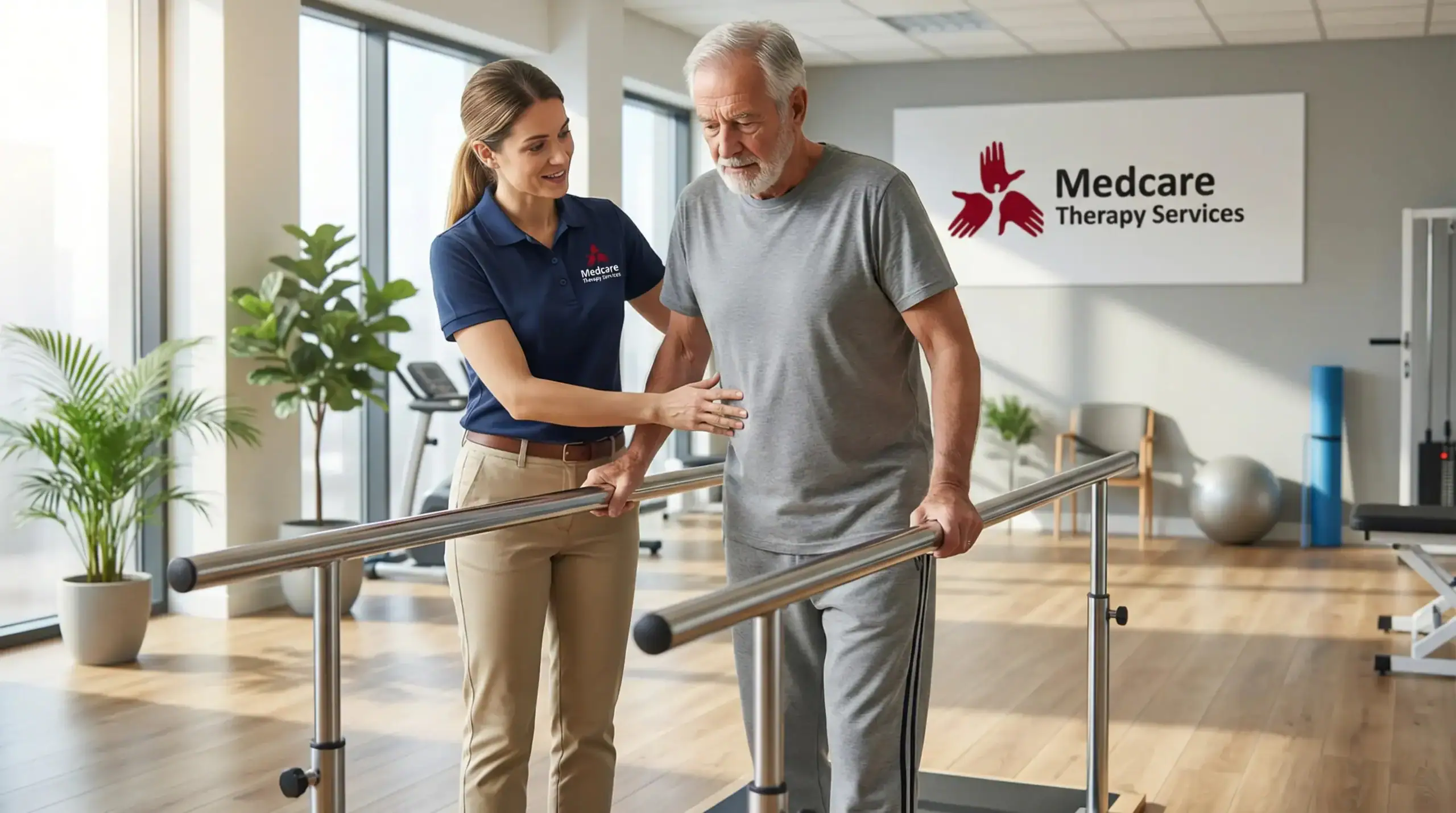
First, we assess where you are. That means looking at your strength, flexibility, coordination, and any past falls or near-misses. We also walk through your home to spot hazards—rugs, lighting, furniture placement—that might be increasing your risk.
Then we build a plan. It’s not generic. It’s based on what your body needs and what your daily routine looks like. You’ll do balance exercises for seniors that target stability, strength training to support your legs and core, and coordination drills that help your body react faster when you’re off-balance.
Sessions happen in your home, usually two to three times a week depending on your needs and what Medicare or your insurance covers. Each visit is about 45 minutes to an hour. You’re not just going through motions—you’re learning how to move safely, how to get up if you do fall, and how to build habits that reduce risk long-term.
Progress gets tracked. You’ll see improvements in how you walk, how you stand, and how confident you feel moving around your own space.

Ready to get started?
You get one-on-one sessions with a licensed physical or occupational therapist who specializes in fall prevention. Every exercise, every adjustment, every recommendation is specific to you.
We focus on balance training, strength building, gait improvement, and functional movement—the kind that helps you navigate your kitchen, bathroom, and yard without fear. You’ll also get education on how to prevent falls outside of therapy, from proper footwear to how to safely reach for objects.
For older adults in Peconic and nearby areas like Southold, Mattituck, and Greenport, access to consistent therapy can be a challenge. You shouldn’t have to choose between your safety and the stress of getting to an appointment. That’s why our therapists come to you, whether you’re in a single-family home, a senior community, or staying with family temporarily.
We also coordinate with your doctor. If there are underlying issues—medication side effects, vision problems, joint pain—that are contributing to fall risk, we make sure everyone’s on the same page. Medicare covers most of our services, and we handle the paperwork so you don’t have to.
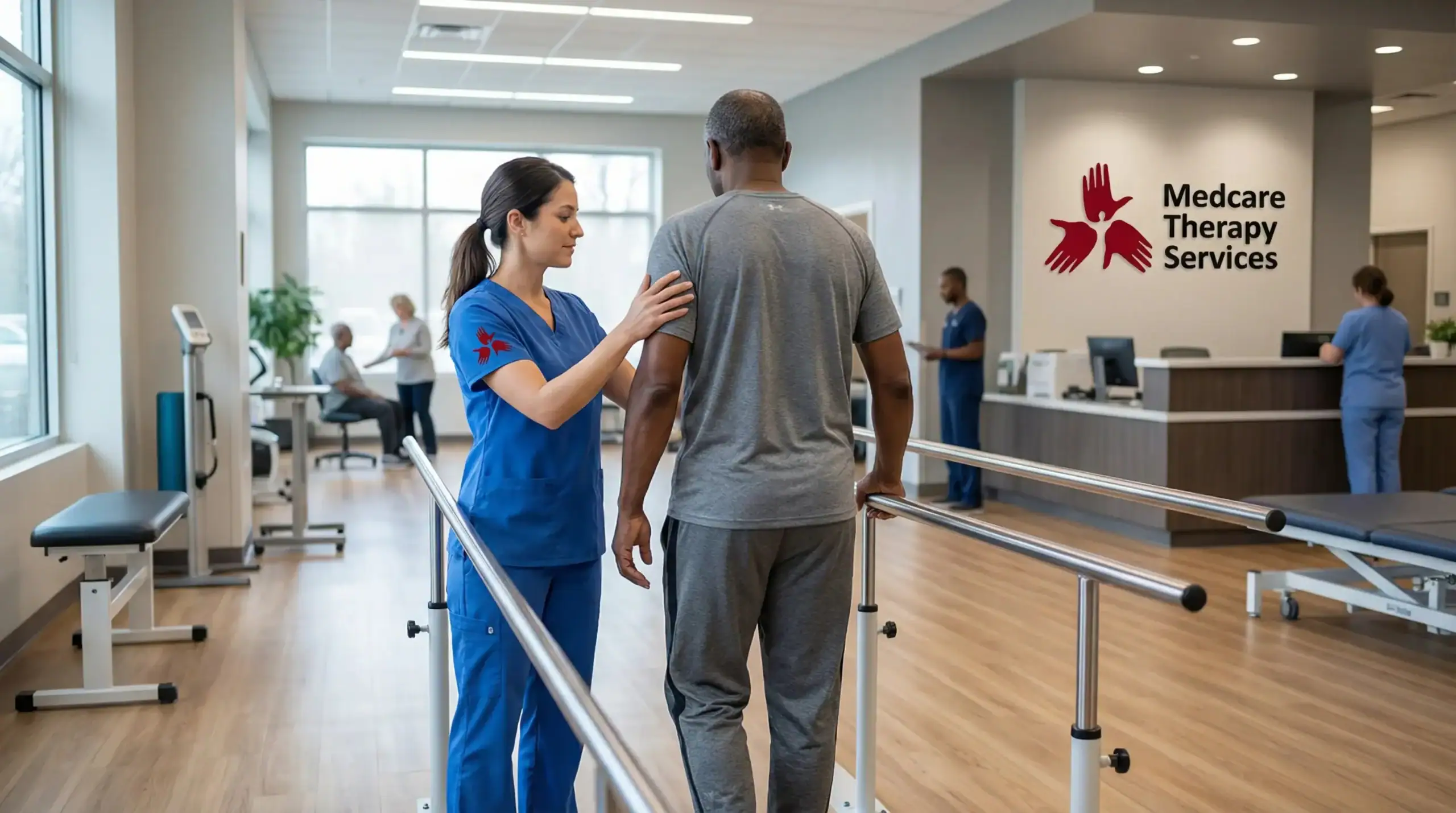
If you’ve fallen in the past year, you need it. Falling once doubles your chance of falling again, and every fall increases your risk of serious injury, hospitalization, or losing your independence.
But you don’t have to wait until you’ve already fallen. If you feel unsteady on your feet, if you’re avoiding certain activities because you’re worried about balance, or if you’ve had any close calls, that’s enough reason to start. Even if you just feel like your legs aren’t as strong as they used to be, that’s worth addressing before it becomes a bigger problem.
Physical therapy can reduce your fall risk by up to 50% when it includes targeted balance and strength exercises. The earlier you start, the more effective it is. Waiting until after a fall means you’re recovering instead of preventing, and recovery is always harder.
You’ll do exercises that challenge your stability in controlled ways—standing on one leg, shifting your weight side to side, walking heel-to-toe, and practicing how to catch yourself if you start to lose balance. These aren’t complicated. They’re functional.
Strength training is part of it too. Weak legs and a weak core make it harder to stay upright, so you’ll work on exercises that build those areas up. Depending on your ability level, that might mean chair squats, leg lifts, or resistance band work.
We also incorporate real-life movements—getting in and out of a chair, stepping over objects, turning around safely. The goal isn’t just to get stronger in a vacuum. It’s to make sure that strength translates to how you actually move through your day. Everything is adjusted to your current ability, and we progress from there.
Yes. Medicare Part B covers outpatient physical therapy and occupational therapy when it’s medically necessary, and fall prevention absolutely qualifies. If your doctor orders it, and you’re working with a Medicare-certified provider like us, you’re covered.
There may be a copay depending on your plan, but the majority of the cost is handled by Medicare. We verify your benefits before we start and walk you through what to expect. You won’t get surprise bills.
If you have a Medicare Advantage plan or supplemental insurance, coverage can vary slightly, but most plans include therapy services. We work with nearly all commercial insurances as well. The key is that your therapy is prescribed by a physician and delivered by licensed professionals—both of which we handle as part of the process.
It depends on where you’re starting and what your goals are. Some people see significant improvement in four to six weeks. Others benefit from a longer program, especially if they’re recovering from a fall or dealing with multiple risk factors.
Most plans involve two to three sessions per week for the first month or two, then taper off as you get stronger and more confident. The goal isn’t to keep you in therapy forever—it’s to get you to a point where you can maintain your progress on your own.
We’ll reassess regularly and adjust the plan as you improve. If you’re progressing faster than expected, great. If something’s not working, we change the approach. You’re not locked into a rigid timeline. Therapy ends when you’ve hit your goals and you feel safe moving around independently.
You’re working in the environment where you actually live. That means we can address the real hazards in your home, practice on your actual stairs, and make sure the exercises translate to your daily routine. A clinic can’t do that.
There’s also no transportation stress. If getting to appointments is hard—whether that’s because of mobility issues, lack of nearby options, or just the hassle of coordinating rides—it becomes a barrier. You skip sessions, progress stalls, and the whole thing feels harder than it needs to be.
In-home therapy removes that friction. You get consistent care without the added strain. For older adults in Peconic and the North Fork, where distances between services can be significant and public transit is limited, that makes a real difference. You’re more likely to stick with it, and that’s what leads to results.
Yes. Even if you’ve fallen more than once, therapy can still reduce your risk going forward. The goal is to break the cycle—strengthen what’s weak, improve what’s unstable, and give you strategies to move more safely.
We’ll start with a thorough assessment to figure out why you’re falling. Is it muscle weakness? Poor balance? Vision issues? Medication side effects? Environmental hazards? Usually it’s a combination. Once we know what’s contributing, we can address it.
You’ll work on building strength, improving reaction time, and practicing how to recover if you do lose your balance. We’ll also go through your home and identify changes that can make a difference—better lighting, removing tripping hazards, adding grab bars where needed. It’s not just about exercises. It’s about creating an environment and a skill set that keeps you upright.
Other Services we provide in Peconic