
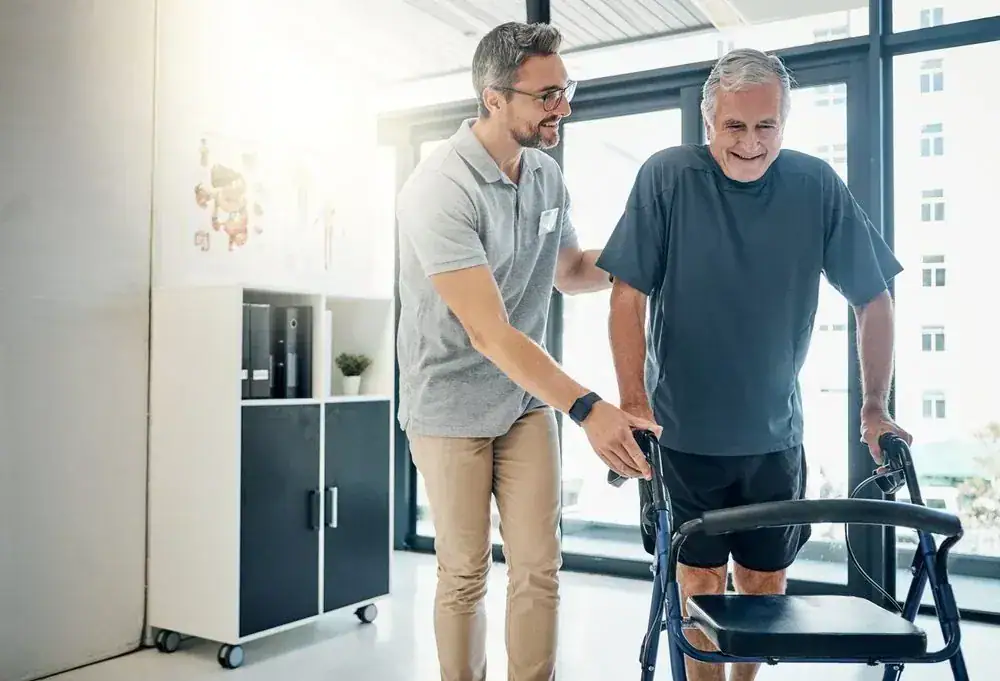
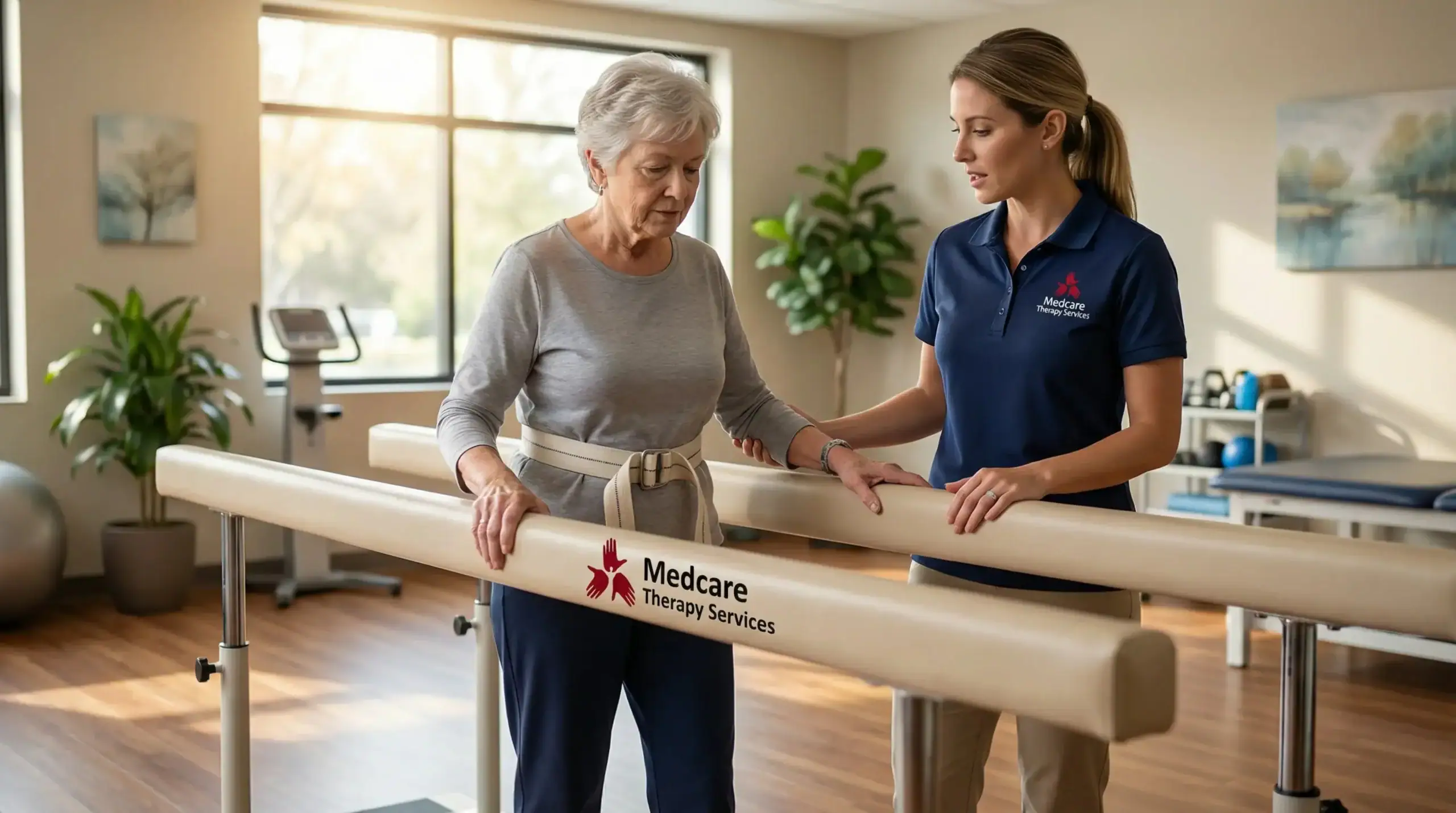
You stop planning your day around what you’re afraid to do. The bathroom at night doesn’t feel like a risk. Getting the mail becomes automatic again, not something you have to psych yourself up for.
That’s what happens when balance exercises for seniors actually work. Your legs feel steadier under you. Your reaction time sharpens. The fear that’s been sitting in your chest since your last fall starts to fade because your body remembers how to catch itself.
Physical therapy for balance isn’t about getting you back to where you were at 40. It’s about giving you enough strength and stability to live independently now—without second-guessing every step. Research shows fall prevention programs can cut your risk by 30 to 35 percent. That’s not a small number when you consider that more than one in four older adults fall each year, and falling once doubles your chances of falling again.
We’ve been providing in-home physical and occupational therapy across Long Island for over 14 years. We’re not new to this, and we’re not experimenting with your safety.
Our therapists are licensed, Medicare-certified, and trained specifically in fall prevention for older adults. We work in Old Westbury, Garden City, Great Neck, Glen Cove, and dozens of other Nassau County communities where fall rates are higher than almost anywhere else in New York State.
You’re not just another appointment on our schedule. Every evaluation is personalized. Every exercise program is built around what your body can do right now and where it needs to go. We show up at your door, assess your home for risks you might not see, and give you a plan that actually fits your life.
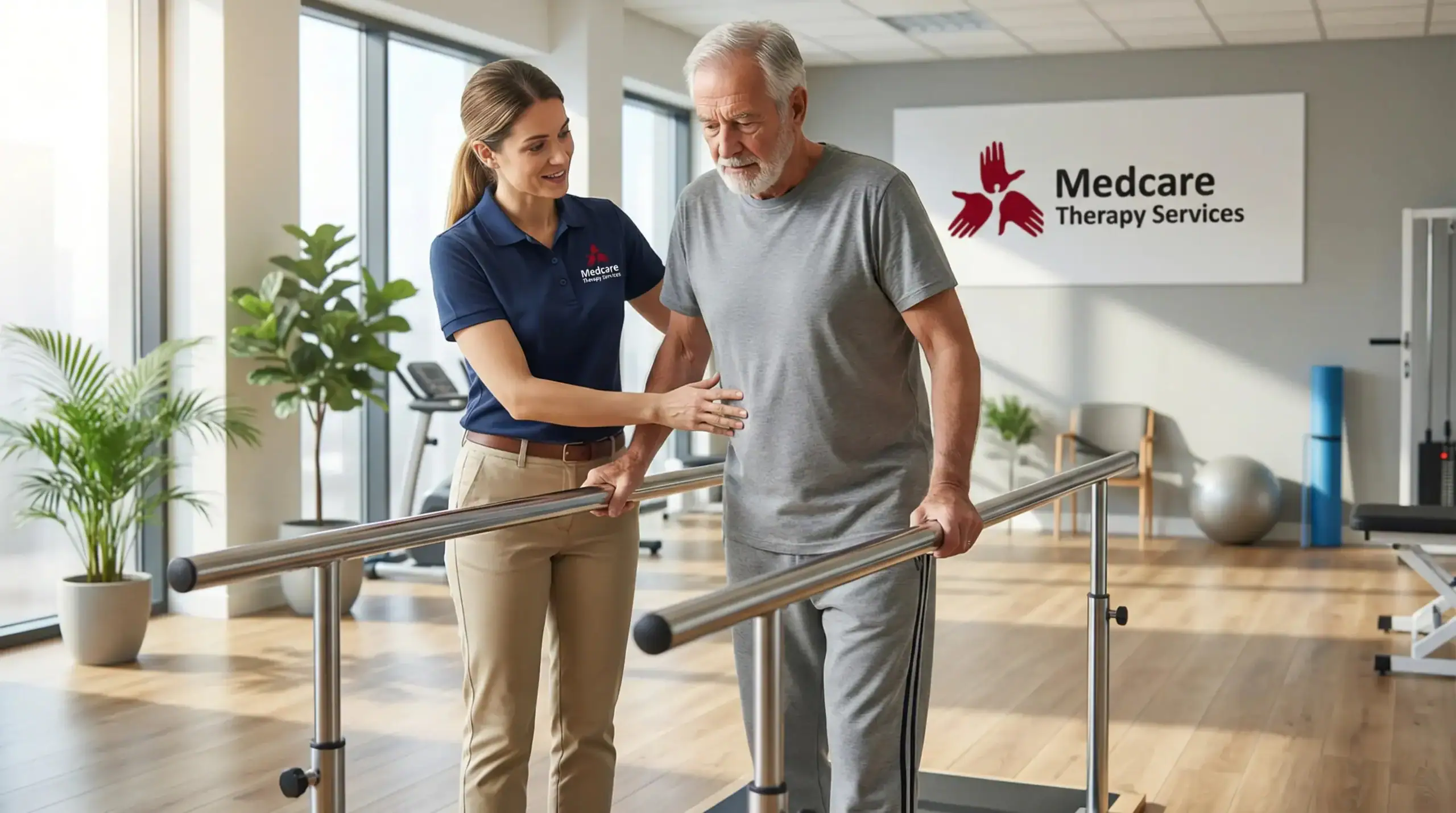
First, we come to your home. A licensed physical therapist evaluates your balance, strength, gait, and mobility. We’re looking at how you move through your space, where you’re compensating, and what environmental factors might be increasing your risk.
Then we build your program. It’s not a generic sheet of exercises. It’s a plan based on your specific weaknesses—whether that’s lower body strength, reaction time, flexibility, or confidence. Some people need more work on standing balance. Others need help with transfers or navigating stairs.
You’ll do senior balance exercises during our sessions and on your own between visits. We adjust as you improve. If something isn’t working or feels unsafe, we change it. The goal is progress you can feel, not just numbers on a chart.
We also walk through your home and point out fall hazards—loose rugs, poor lighting, clutter in walkways, bathroom grab bar placement. Small changes here make a big difference. You’d be surprised how many falls happen because of things that are easy to fix.

Ready to get started?
Every fall prevention program includes a full risk assessment, personalized balance and strength training, and a home safety evaluation. You’ll work one-on-one with a licensed therapist who comes to your house—no need to arrange transportation or worry about getting to a clinic.
We accept Medicare and most commercial insurance plans, so cost isn’t usually a barrier. Sessions typically run 45 to 60 minutes, and frequency depends on your needs. Some people start with two or three visits a week. Others need less.
Here’s what makes Long Island different: Nassau and Suffolk counties rank 4th and 5th in New York State for fall prevalence. That’s not a coincidence. The aging population here is significant, and many homes were built decades ago without the safety features we now know matter. If you live in Old Westbury or nearby areas like Albertson, East Meadow, or Westbury, you’re statistically more at risk than seniors in other parts of the state.
That’s why balance training isn’t optional here. It’s a survival skill. Consistent exercises have been shown to improve gait, posture, and stability—even in adults over 80. We’ve seen it work hundreds of times, and the research backs it up.
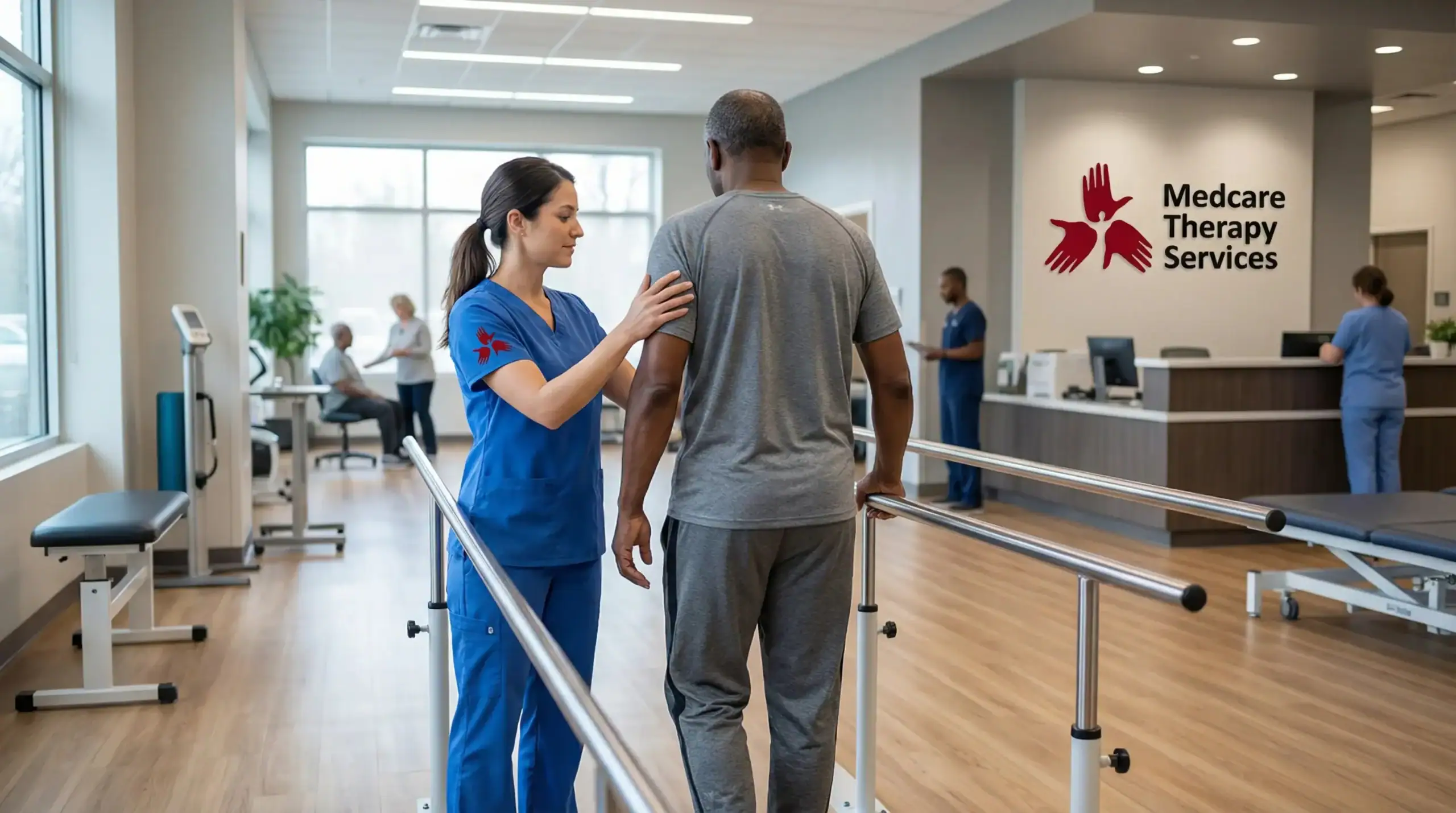
If you’ve fallen in the past year, you need it. Falling once doubles your chance of falling again, and that second fall is often worse than the first.
But you don’t have to wait for a fall. If you’re catching yourself on furniture more often, avoiding certain rooms or activities because they feel risky, or noticing that your balance isn’t what it used to be, those are signs your body needs help. A lot of people dismiss these things as “just getting older.” That’s not true. Balance and strength can improve at any age with the right training.
Your doctor might also recommend fall prevention therapy after a hospital stay, surgery, or if you have conditions like arthritis, neuropathy, or Parkinson’s that affect mobility. Medicare covers it when it’s medically necessary, which means a physician has determined you’re at risk.
Yes. Medicare Part B covers physical therapy and occupational therapy when it’s prescribed by your doctor and provided by a licensed, Medicare-certified therapist. That includes fall prevention services delivered in your home.
You’ll typically be responsible for 20% of the Medicare-approved amount after you’ve met your deductible. If you have a Medicare Supplement plan or Medicare Advantage, your out-of-pocket cost may be lower or even zero depending on your coverage.
We handle the billing and work directly with Medicare and most commercial insurance plans. Before we start, we verify your benefits so you know what to expect. There are no surprise bills or hidden fees. If you’re unsure about your coverage, call us and we’ll walk you through it.
It depends on what your evaluation shows, but most programs include a mix of standing balance exercises, lower body strengthening, and functional movements that mimic what you do every day.
You might practice standing on one leg, stepping over obstacles, or shifting your weight side to side. We’ll work on sit-to-stand transfers, walking with better posture, and improving your reaction time when you start to lose balance. Some exercises use resistance bands or light weights. Others just use your body weight and gravity.
The exercises aren’t dangerous or overly difficult. We start where you are and build from there. If something feels too hard or makes you nervous, we modify it. The point is to challenge your balance in a controlled way so your body learns to adapt. Over time, that translates to more confidence and stability in real-world situations.
Most people start noticing improvements within three to four weeks if they’re consistent with their exercises. You might feel steadier on your feet, notice you’re not grabbing onto things as much, or realize you’re moving through your house with less hesitation.
Full programs typically run eight to twelve weeks, but that varies. Some people need more time depending on their baseline strength and balance. Others progress faster. We reassess regularly and adjust your plan based on how you’re responding.
The key is consistency. Doing your exercises twice a week during our visits isn’t enough. You need to practice between sessions. Even 10 to 15 minutes a day makes a difference. Balance training works because you’re retraining your nervous system and building muscle memory. That takes repetition.
Then you’re exactly who this program is for. Multiple falls mean something in your system—strength, balance, vision, medication side effects, home environment—isn’t working right. Physical therapy can address the physical components while we help you identify and fix the environmental ones.
We’ve worked with people who’ve fallen five, six, seven times. It’s not too late, but it is urgent. Every fall increases your risk of serious injury. Falls are the leading cause of injury death for adults 65 and older, and the death rate from falls increased 41% between 2012 and 2021.
If you’re scared to move around your own home, that’s not a way to live. We can help you rebuild the strength and confidence you’ve lost. It takes work, but it’s possible. You just need someone who knows what they’re doing and a plan that’s built for your specific situation.
No. Prevention is just as important as rehabilitation. If you’re starting to feel unsteady, noticing balance changes, or you have risk factors like muscle weakness or a history of dizziness, you don’t need to wait until you fall to get help.
A lot of people come to us because their adult children are worried. Maybe you’re still independent and doing fine, but your kids have noticed you’re moving slower or holding onto walls more. That’s a good time to get evaluated.
We also work with people recovering from surgery, managing chronic conditions, or transitioning home after a hospital stay. Anytime your mobility or balance is compromised, fall prevention therapy makes sense. The earlier you start, the easier it is to build strength and prevent a fall from happening in the first place.
Other Services we provide in Old Westbury