
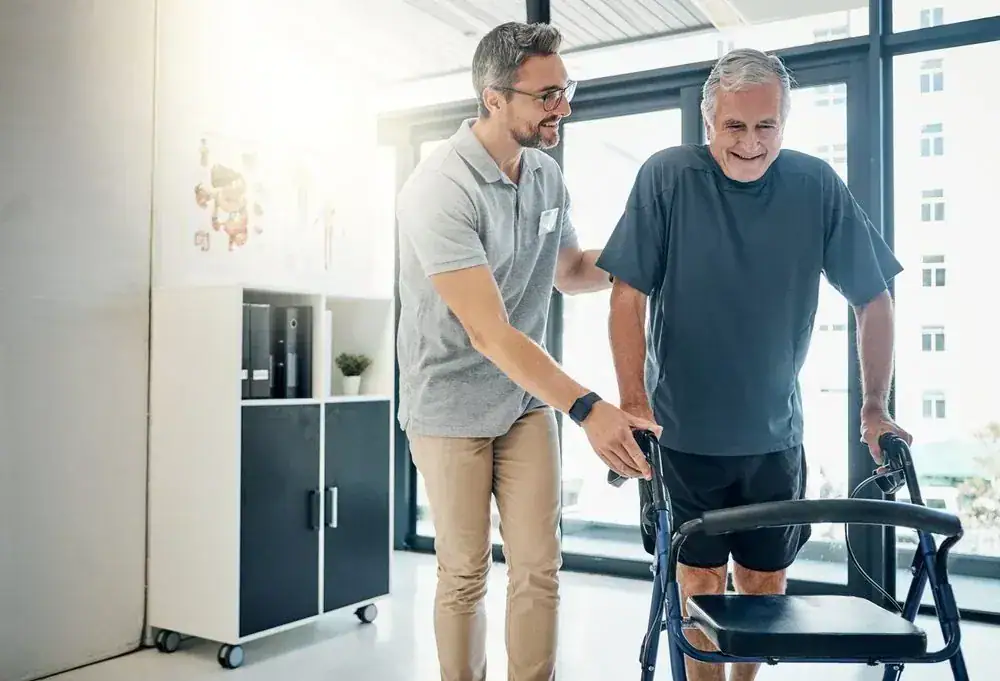
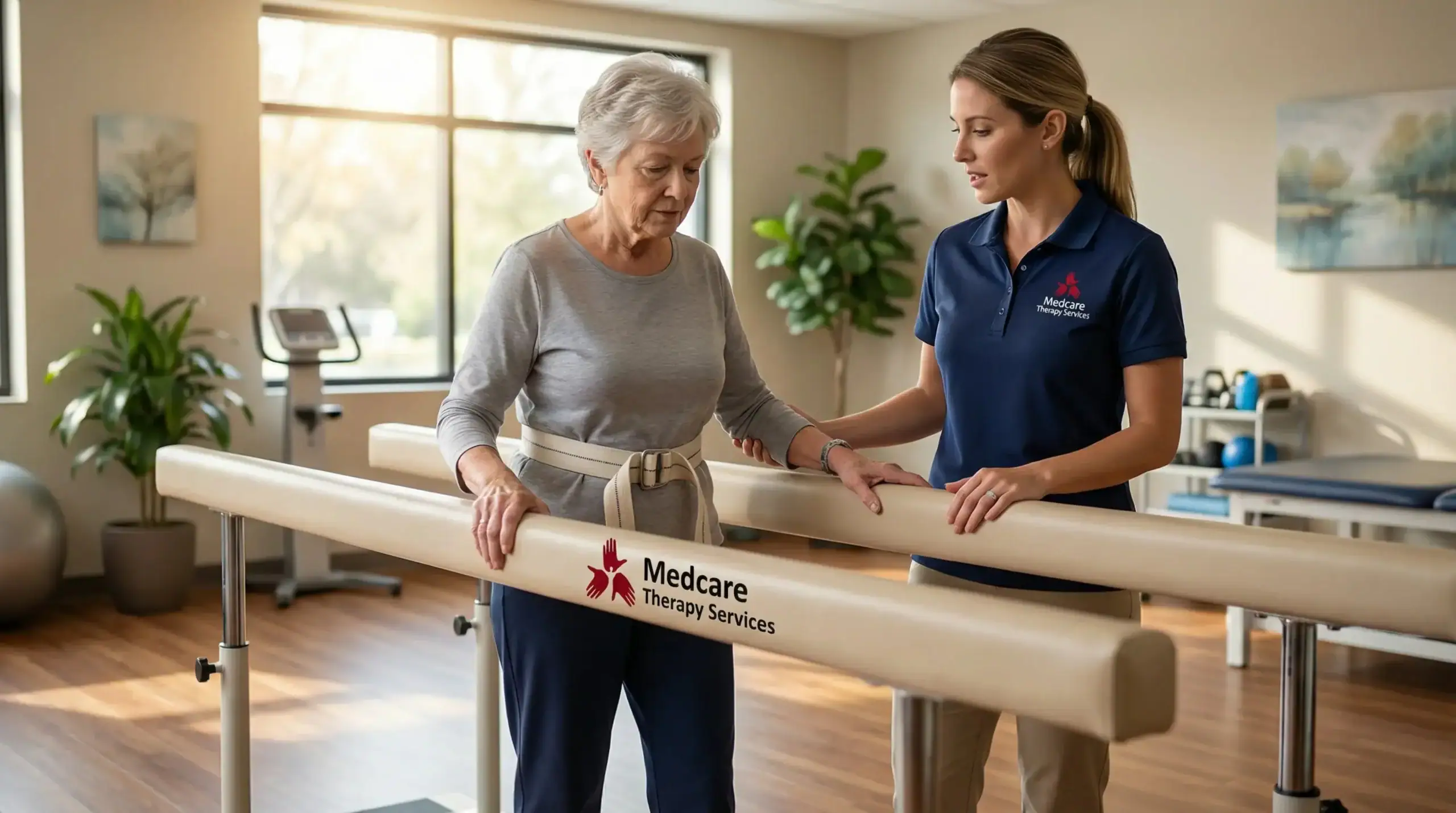
If you’ve fallen before, you know the fear that comes after. That hesitation before you stand up. The second-guessing every step on the stairs. The worry that keeps you from doing things you used to love.
Here’s what most people don’t realize: falling once doubles your chances of falling again. But most falls are preventable when you address the right factors. That’s where balance exercises for seniors and physical therapy for balance make a real difference.
You’ll notice it first in small ways. Walking to the mailbox without holding the railing. Getting in and out of the car without bracing yourself. Standing in the shower without that tight grip on the wall. Then the bigger stuff comes back—shopping, traveling, visiting friends. The things that make life feel like yours again.
The goal isn’t just avoiding another fall. It’s getting back to the version of yourself that moves freely, plans confidently, and doesn’t think twice about whether your body will keep up.
We’ve been helping people across Nassau County stay safe and independent for years. Our licensed physical therapists work out of multiple locations near Old Brookville, including facilities in Glen Cove, Roslyn, and throughout the North Shore.
What sets us apart isn’t flashy equipment or big promises. It’s the way we handle your care. Every Google Business Profile is verified and secure. Your patient data stays protected. Staff access is controlled and monitored. These aren’t small details when you’re trusting someone with your health information and your safety.
We know the North Shore community. We understand that Old Brookville residents value quality, discretion, and results. You’re not looking for the cheapest option—you’re looking for the right one. That’s why our programs follow CDC guidelines and evidence-based protocols that actually reduce fall risk, not just check boxes.
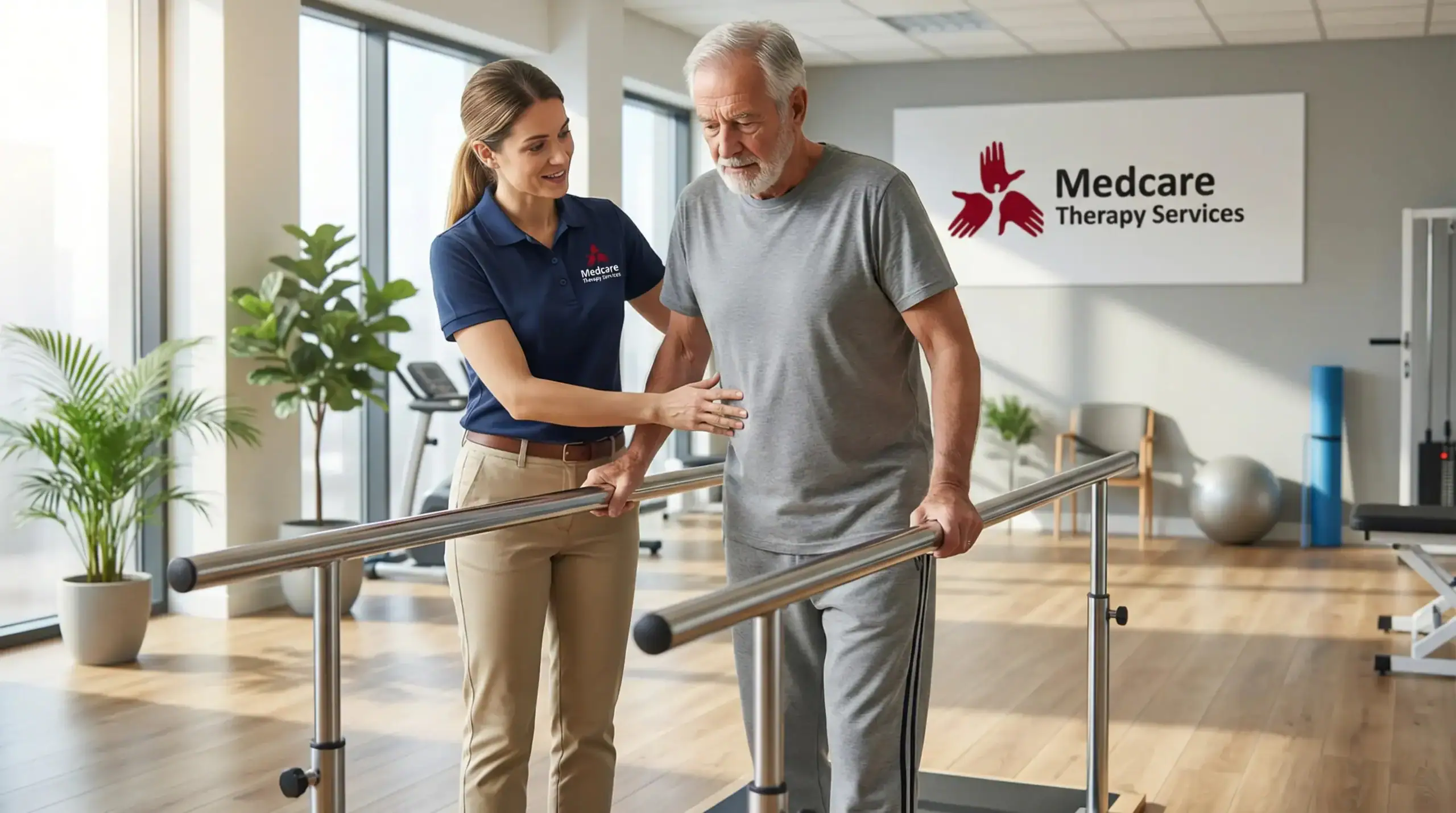
Your first visit starts with a comprehensive fall risk assessment. We look at balance, strength, flexibility, coordination, and gait. We also evaluate environmental factors and any medications or health conditions that might increase your risk. This isn’t a quick screening—it’s a thorough evaluation that identifies exactly why you’re at risk.
From there, we build a personalized program. You might do balance training exercises twice a week. Strength work that targets the muscles you actually use for walking and standing. Coordination drills that retrain your body’s reflexes. Everything is designed around your current ability level, not some generic senior fitness template.
As you progress, we adjust. What felt challenging in week one becomes your warmup by week six. We track measurable improvements—how long you can stand on one foot, how steady you are on uneven surfaces, how much stronger your legs have gotten. You’ll see the numbers improve, but more importantly, you’ll feel the difference when you’re moving through your day.
Most people notice real changes within a few weeks. The program typically runs 8-12 weeks, but some continue longer depending on their goals and insurance coverage. Medicare covers these services when medically necessary, and we handle the billing transparently so you know what to expect.

Ready to get started?
You get one-on-one sessions with a licensed physical therapist who specializes in geriatric balance and mobility. Each session runs 45-60 minutes and focuses on exercises proven to reduce fall risk. That includes balance training on different surfaces, strength exercises for your legs and core, flexibility work, and gait training.
We also do a home safety assessment if needed. Sometimes the biggest risk isn’t your balance—it’s the loose rug in your hallway or the lighting in your bathroom. We’ll identify those hazards and give you specific recommendations to make your home safer.
Here in Old Brookville and the surrounding North Shore communities, we see a lot of active seniors who want to maintain their lifestyle. You’re not interested in sitting still—you want to travel, play golf, garden, visit grandchildren. Our programs are built around keeping you doing those things, not just preventing falls in your living room.
The CDC recommends adults 65 and older get at least 150 minutes of moderate activity weekly, plus muscle-strengthening and balance training twice a week. Our programs are structured to meet those guidelines while addressing your specific risk factors. You’re not just exercising—you’re systematically reducing the likelihood of a fall that could change everything.
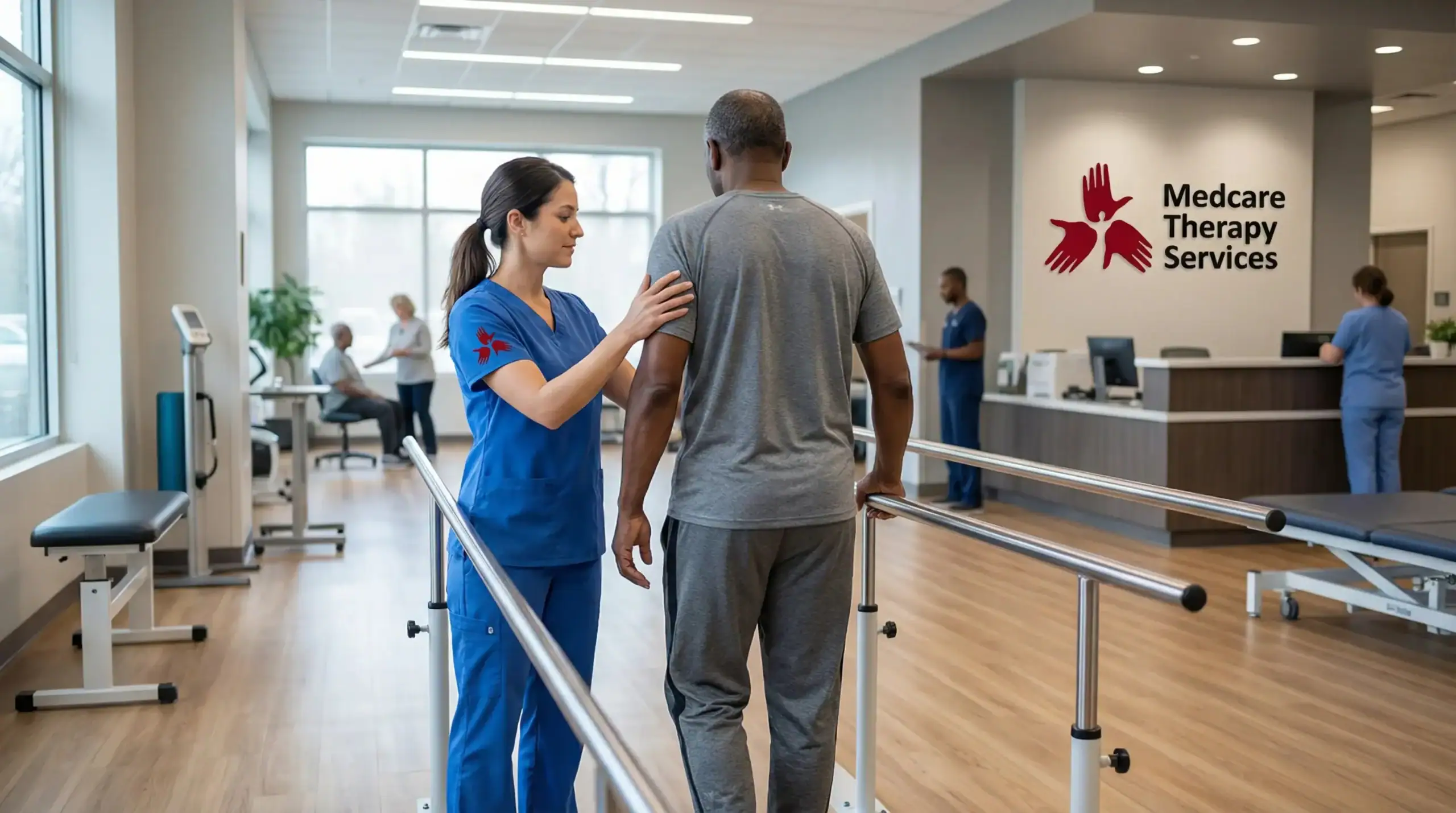
If you’ve fallen in the past year, you need an evaluation. Period. Falling once doubles your risk of falling again, and the second fall is often worse than the first.
But you don’t have to wait for a fall to get help. If you feel unsteady when you walk, if you grab furniture or walls for support, if you’ve had any close calls or near-falls, those are signs your balance needs work. If you avoid activities because you’re worried about falling—skipping social events, not going to the store, staying home more than you used to—that’s another red flag.
Some medical conditions increase fall risk too. If you have neuropathy, arthritis, Parkinson’s, or you’ve had a stroke, you’re at higher risk. Certain medications affect balance, especially if you take multiple prescriptions. Vision problems, foot pain, and muscle weakness all contribute.
The fall death rate increased 41% between 2012 and 2021. Every 11 seconds, an older adult goes to the ER for a fall. Every 20 minutes, someone dies from one. Those numbers should tell you something: this isn’t about being overly cautious. It’s about being smart with your safety while you can still prevent a serious injury.
The exercises depend on your current ability and specific risk factors, but most programs include several core components. You’ll do static balance work—standing on one foot, standing with your feet together, standing with your eyes closed. These exercises retrain your body’s balance systems.
You’ll also do dynamic balance training, which means moving while maintaining control. Walking heel-to-toe, stepping over obstacles, changing directions, reaching in different directions while standing. These mimic real-world situations where you’re most likely to lose your balance.
Strength training focuses on your legs, hips, and core. Squats, leg lifts, step-ups, and resistance exercises. Strong muscles are your first line of defense against falls. We also work on ankle strength and flexibility because your ankles play a huge role in catching yourself when you start to tip.
Coordination drills help your body react faster. If you start to fall, you need your muscles to fire quickly and correctly. We practice those reactions in a controlled, safe environment so your body knows what to do automatically.
Everything is progressive. You start where you are, not where you think you should be. As you get stronger and steadier, the exercises get more challenging. The goal is to push you enough to see improvement without pushing so hard you risk injury.
Yes, Medicare Part B covers physical therapy for fall prevention when it’s medically necessary. That usually means you’ve had a fall, you’re at high risk for falling, or you have a condition that affects your balance and mobility.
Your doctor needs to refer you or certify that you need therapy. From there, Medicare covers the evaluation and treatment sessions. You’ll pay your Part B deductible if you haven’t met it yet, plus 20% of the Medicare-approved amount for each session.
The key phrase is “medically necessary.” Medicare won’t cover general fitness classes or wellness programs. But if you have a documented fall risk or a condition that impairs your balance, therapy is covered. We handle the billing and verification on our end, so you’re not stuck figuring out codes and claims.
Most fall prevention programs run 8-12 weeks with 2-3 sessions per week. That’s well within what Medicare typically approves. If you need more sessions, we document your progress and medical necessity to request continued coverage.
One important note: Medicare covers therapy at certified providers. We’re Medicare-certified, and we follow all the documentation and billing requirements. You won’t get surprise bills or denied claims because we didn’t file correctly. We’ve been doing this long enough to know how to handle Medicare properly.
Most people notice small changes within 2-3 weeks. You might feel steadier when you stand up from a chair. Walking might feel less effortful. Those early wins matter because they show you the work is paying off.
Measurable improvements in balance and strength typically show up around 4-6 weeks. That’s when we retest you on the same assessments we did at the start. You’ll see objective data—standing longer on one foot, better scores on balance tests, increased strength measurements. Those numbers confirm what you’re already feeling.
By 8-12 weeks, most people have significantly reduced their fall risk. You’re moving more confidently. You’re doing activities you’d stopped doing. Your family has stopped worrying every time you leave the house. That’s the real measure of success.
But here’s the thing: improvement isn’t linear. Some weeks you’ll feel great. Other weeks you might feel like you’re not making progress. That’s normal. Your body is relearning movement patterns it’s lost over time. It takes consistent work.
The research backs this up. Evidence-based fall prevention programs can substantially reduce falls among older adults. Balance training and strength work have the strongest evidence for preventing falls. But you have to stick with it long enough to see results. Two or three sessions won’t cut it. You need a full program with enough time for your body to adapt and strengthen.
Eventually, yes. But starting on your own without an assessment is risky. You don’t know what your specific fall risk factors are, and you might do exercises that don’t address your actual problems. Worse, you could do exercises that are too advanced and end up falling during the exercise itself.
The right approach is to start with a professional evaluation. We identify exactly why you’re at risk—is it leg weakness, poor ankle flexibility, inner ear problems, medication side effects, vision issues? Once we know that, we build a program that targets your specific needs.
During your therapy sessions, we teach you exercises you can do at home between appointments. That home program reinforces what we’re working on in the clinic. You’re not just doing random balance exercises you found online—you’re doing the specific movements your body needs to reduce your fall risk.
After you complete the formal therapy program, you’ll have a full home exercise routine you can continue independently. We give you written instructions, demonstrate proper form, and make sure you can do everything safely before you’re on your own.
Some people continue with maintenance sessions once or twice a month. Others do fine with their home program and only come back if they notice their balance declining. It depends on your situation and comfort level. The goal is always to get you as independent as possible while keeping you safe.
We specialize in geriatric balance and fall prevention. That’s not the same as general physical therapy. We’re not treating a sprained ankle or post-surgery rehab—we’re addressing the complex factors that cause older adults to fall.
Our therapists are trained in vestibular rehabilitation, gait analysis, and age-related balance disorders. We understand how medications affect balance. We know which medical conditions increase fall risk and how to work around them safely. We use evidence-based protocols that follow CDC guidelines and published research on fall prevention.
We also take security and patient data seriously. Every Google Business Profile is verified and properly managed. Staff access is controlled. Your information stays protected. That might not seem related to your therapy, but it shows how we operate—carefully, professionally, with attention to details that other practices overlook.
Location matters too. We have multiple facilities near Old Brookville, including Glen Cove and Roslyn. You’re not driving 45 minutes each way for therapy. You’re getting care close to home from therapists who understand this community.
The biggest difference is our approach. We don’t hand you a sheet of exercises and send you to a corner of the gym. You get one-on-one attention every session. We adjust your program based on how you’re progressing. We answer your questions. We communicate with your doctor. We make sure you understand not just what you’re doing, but why you’re doing it. That’s how you get results that actually reduce your fall risk instead of just checking a box.
Other Services we provide in Old Brookville