
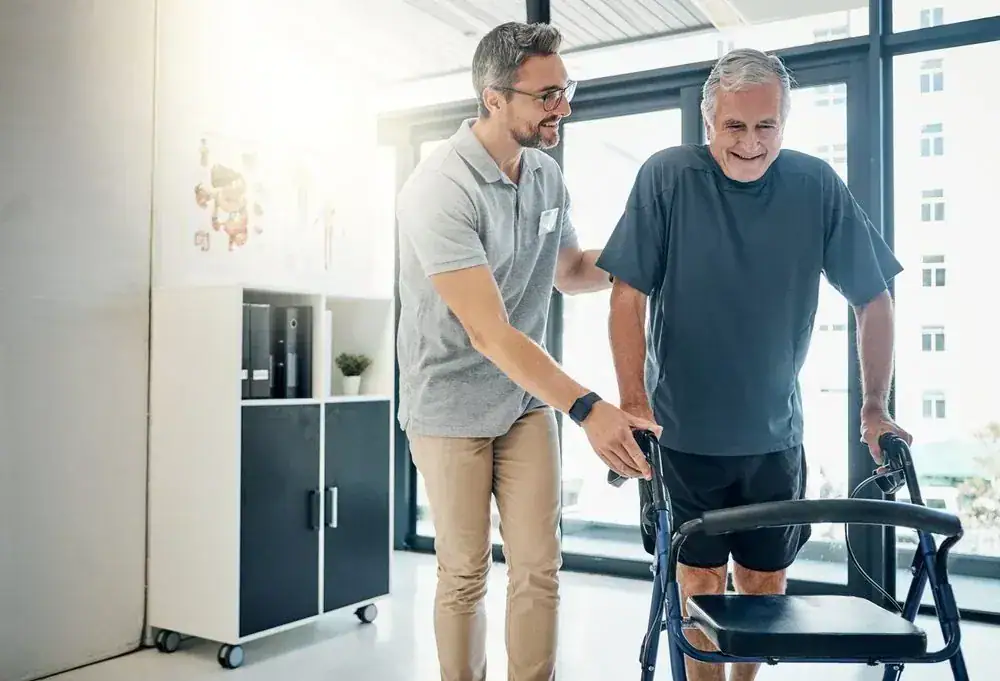
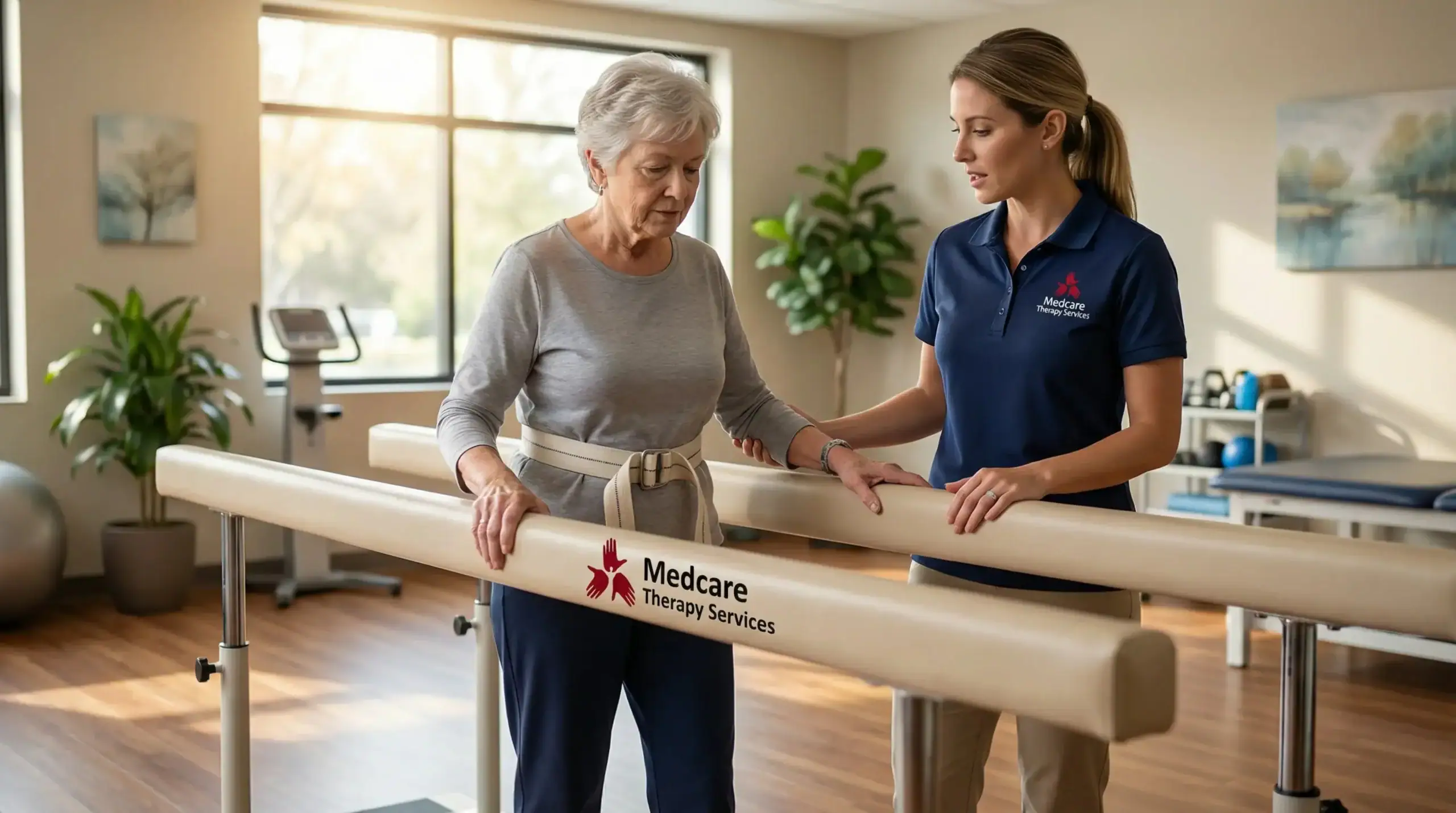
You stop planning your day around what’s safe and start doing what you actually want to do. That’s what happens when your balance improves and your confidence comes back.
Every year, one in four adults over 65 falls. On Long Island, Nassau and Suffolk counties rank fourth and fifth in New York State for fall-related incidents. If you’ve already fallen once, your chances of falling again double.
The fear alone can be enough to keep you inside. You skip the walk. You avoid stairs. You stop going to the store. That fear leads to isolation, weaker muscles, and ironically, a higher risk of falling.
Physical therapy for balance reverses that cycle. Regular balance exercises for seniors can reduce your fall risk by up to 50%. You rebuild strength in your legs and core. You improve your reaction time. You move through your home without second-guessing every step.
And you do it all without leaving Oak Beach, NY. We come to you with a personalized program based on your health, your home layout, and your goals.
We’ve been providing in-home physical therapy across Long Island since 2010. We serve Oak Beach, NY and the surrounding Suffolk County communities with Medicare-covered therapy that’s built around your schedule and your space.
Our therapists are trained in Otago fall prevention protocols, which means they know how to assess your specific risk factors and design a program that actually works. We’re not a corporate chain. We’re a local team that treats you like family, not a file number.
Oak Beach sits on a barrier island with unique housing layouts—beach cottages, narrow stairs, uneven outdoor paths. We account for that. We evaluate your actual environment and help you navigate it safely.
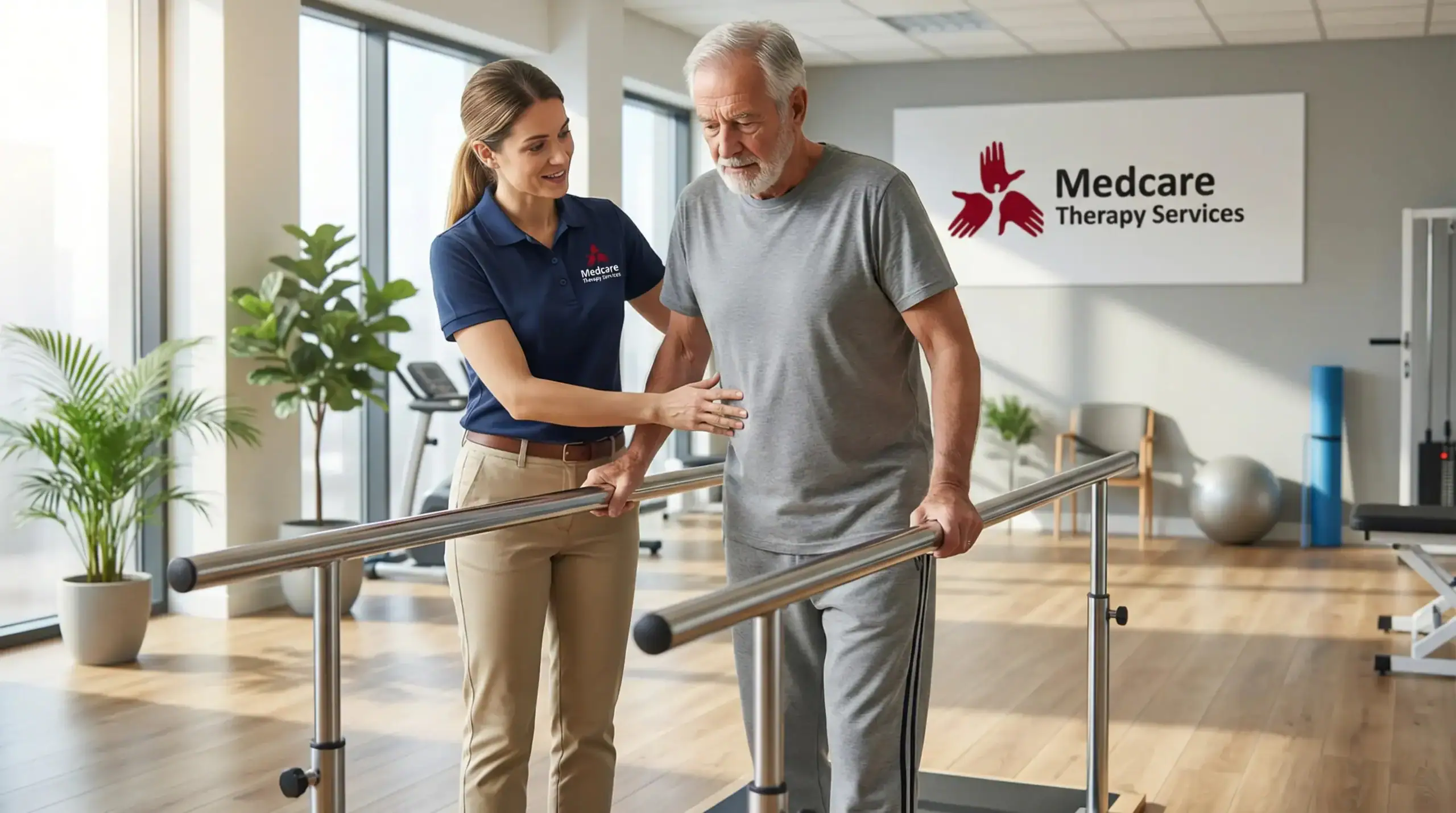
First, we schedule an in-home assessment. A licensed physical therapist comes to your home in Oak Beach, NY and evaluates your strength, balance, gait, and range of motion. They also look at your living space—lighting, rugs, furniture placement, bathroom setup—to identify fall hazards you might not notice.
From there, they build a custom exercise plan. This typically includes senior balance exercises like standing on one leg, heel-to-toe walking, and controlled weight shifts. It also includes strength training for your legs and core, which are critical for stability. If you have other health conditions—arthritis, neuropathy, vision issues—they adjust the program accordingly.
Sessions happen in your home, usually two to three times per week. You’re not driving to an office or sitting in a waiting room. Your therapist works with you in the environment where you actually live, which makes the exercises more relevant and the progress more practical.
As you get stronger, the exercises get harder. The goal isn’t just to prevent falls—it’s to give you the confidence to move freely again. Most patients see measurable improvements in balance and strength within four to six weeks.

Ready to get started?
Each session includes a combination of balance training, strength exercises, and walking programs. Your therapist will guide you through balancing exercises like standing on unstable surfaces, shifting your weight, and practicing controlled movements that mimic real-life scenarios—reaching for something on a shelf, getting up from a chair, walking on uneven ground.
You’ll also work on lower body strengthening. Weak legs are one of the biggest contributors to falls, especially in older adults. Exercises might include sit-to-stands, leg lifts, or resistance band work. Everything is adapted to your current ability level.
In Oak Beach, NY, where many homes have stairs leading to beach access or elevated decks, we pay extra attention to stair safety and navigation. Your therapist will practice those specific movements with you until they feel automatic.
You’ll also get education on fall risks in your home. That might mean repositioning furniture, improving lighting, or removing tripping hazards like loose rugs. Small changes make a big difference, and we help you identify them.
All of this is covered by Medicare if you qualify. No upfront costs, no surprise bills. Just straightforward care designed to keep you on your feet.
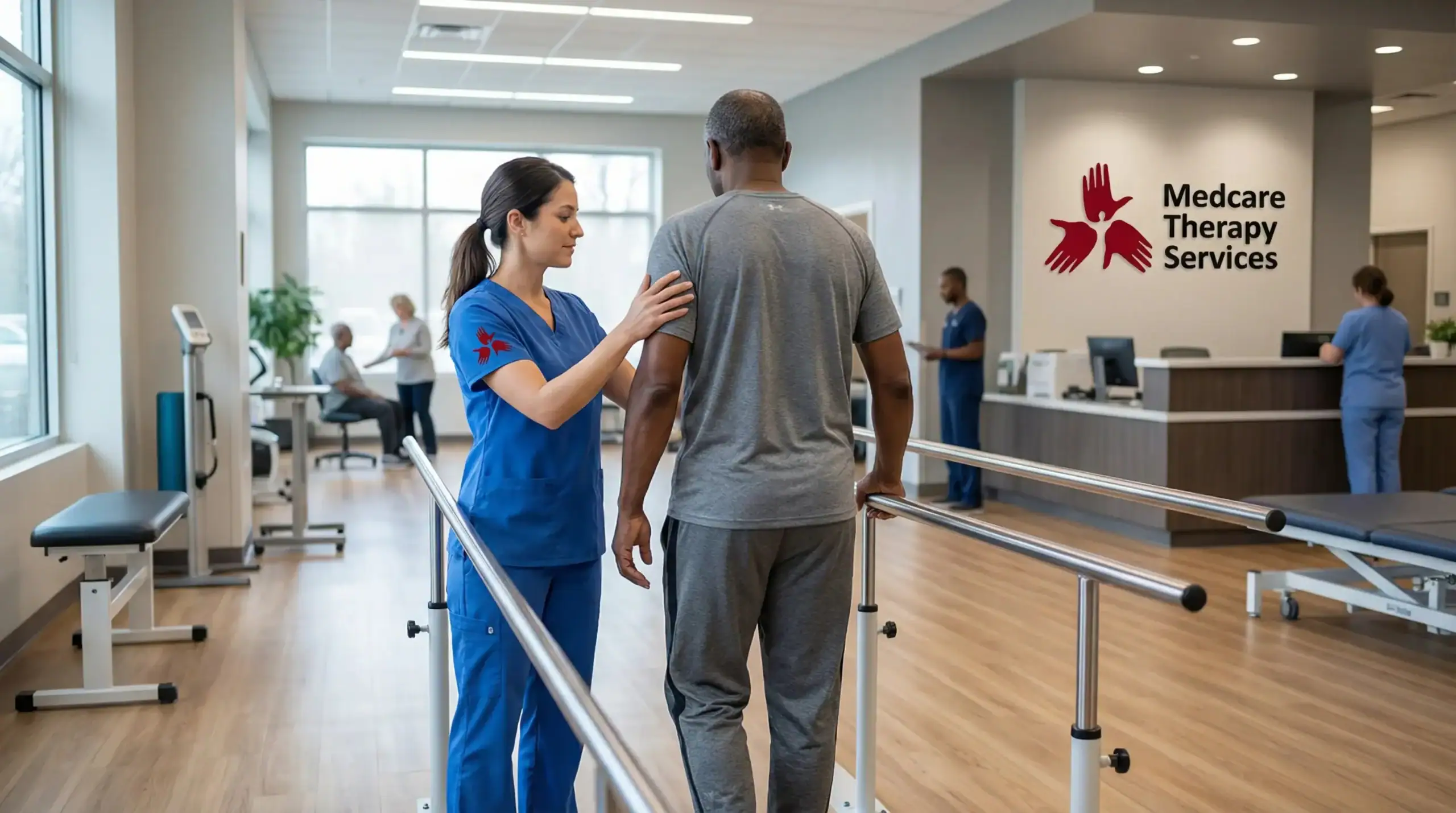
If you’ve fallen in the past year, you’re already at higher risk. But there are other signs too.
Do you feel unsteady when you walk? Do you grab onto furniture or walls for support? Do you avoid certain activities because you’re worried about losing your balance? Those are red flags.
Physical factors matter too. Weak legs, poor vision, medications that cause dizziness, and chronic conditions like arthritis or neuropathy all increase fall risk. Even your home environment plays a role—poor lighting, loose rugs, clutter, and lack of grab bars all make falls more likely.
A physical therapist can conduct a formal fall risk assessment in your home. They’ll measure your balance, strength, and gait, and they’ll evaluate your space for hazards. That assessment gives you a clear picture of where you stand and what needs to change.
The exercises depend on your current ability, but most programs include a mix of static and dynamic balance work.
Static exercises might include standing on one leg, standing with your feet together, or standing on a foam pad. These help you maintain stability when you’re still. Dynamic exercises involve movement—walking heel to toe, stepping over objects, or practicing weight shifts from side to side.
You’ll also do functional exercises that mimic daily activities. Getting up from a chair without using your hands. Reaching for something on a high shelf. Turning around while walking. These are the movements that matter most in real life, and practicing them reduces your risk when you do them on your own.
Strength training is part of it too. Squats, leg lifts, and resistance exercises build the muscle you need to stay upright. Your therapist will adjust everything based on your progress, so you’re always working at the right level.
Yes, if you meet Medicare’s criteria. You need to be homebound, meaning leaving your home requires considerable effort due to illness, injury, or disability.
You also need a doctor’s referral. Your physician has to certify that you need skilled physical therapy services, and they’ll outline the specific reasons—like balance issues, recent falls, or muscle weakness.
Once you’re approved, Medicare Part B typically covers 80% of the cost. If you have a supplemental plan, it may cover the remaining 20%. There are no upfront costs, and you won’t be billed until after insurance processes the claim.
The key is that the therapy has to be medically necessary and provided by a licensed therapist. We handle all the paperwork and work directly with Medicare, so you don’t have to navigate the system on your own.
Most people notice improvements within four to six weeks if they’re consistent with their exercises. That means attending sessions two to three times per week and doing any home exercises your therapist assigns.
Early changes are usually subtle. You might feel steadier when you stand up. You might walk with more confidence. You might not grab onto things as much. Those small shifts add up.
Measurable improvements—like better scores on balance tests or increased strength—typically show up around the six-week mark. But the timeline varies depending on your starting point, your health conditions, and how much you practice between sessions.
The longer you stick with it, the better the results. Studies show that ongoing balance and strength training can reduce fall risk by up to 50%. That’s not a quick fix—it’s a sustained effort. But it works.
You’re working in the space where you actually live. That means your therapist can address the real hazards in your home—the rug in your hallway, the lighting in your bathroom, the steps leading to your deck.
It also removes the barriers that keep people from getting care. If you have trouble driving, if you don’t have reliable transportation, or if leaving your home feels overwhelming, in-home therapy solves that problem. You don’t have to worry about getting to an appointment. The therapist comes to you.
For people in Oak Beach, NY, where parking can be tight and some homes are only accessible by narrow walkways, in-home therapy is often the most practical option. You get the same quality of care without the logistical stress.
And there’s a comfort factor. You’re in your own space, wearing your own clothes, moving through your own routines. That makes it easier to focus on the work and apply what you’re learning immediately.
It can do both, depending on how you define prevention. No program can guarantee you’ll never fall—there are too many variables. But the right exercises can dramatically reduce your risk.
Research backs this up. Regular balance and strength training cuts fall risk by up to 50% in older adults. Programs like Otago, which we use, have been studied extensively and proven effective in real-world settings.
The reason it works is simple: stronger muscles and better balance give you more control over your body. You’re less likely to trip. If you do stumble, you’re more likely to catch yourself. Your reaction time improves. Your confidence grows. All of that adds up to fewer falls.
Physical therapy also helps you recover faster if you do fall. Stronger bones and muscles mean less severe injuries. And because you’ve been practicing how to get up safely, you’re less likely to stay on the floor waiting for help.
Other Services we provide in Oak Beach